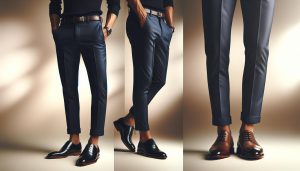
When it comes to plantar fasciitis, the right pair of shoes can make all the difference in your comfort and mobility. Did you know that over 2 million adults in the U.S. are diagnosed with this condition each year? Finding footwear that provides adequate support and cushioning is crucial for alleviating heel pain and enjoying daily activities. In this guide, we’ll explore the best shoes specifically designed for plantar fasciitis, tailored to meet your needs and lifestyle. Whether you’re walking leisurely, exercising, or just running errands, investing in the right shoes will empower you to move more comfortably and confidently. Dive in to discover how you can step into comfort and reclaim your active life!
Best Shoe Features for Plantar Fasciitis Relief

The right shoe can make a world of difference for those suffering from plantar fasciitis, a common foot condition that causes heel pain and discomfort. When seeking relief, it’s essential to look for shoes that incorporate specific features designed to support the foot properly. Shoes that effectively relieve plantar fasciitis typically include features such as arch support, cushioning, and proper heel structure, all of which work together to alleviate stress on the plantar fascia.
Essential Shoe Features for Relief
- Arch Support: Shoes with built-in arch support help maintain the natural alignment of the foot, reducing strain on the plantar fascia. Look for styles that have contoured footbeds designed specifically for arch support.
- Cushioning: Ample cushioning helps absorb shock and provides comfort, making each step feel softer and less painful. This is especially beneficial for those who spend long hours on their feet.
- Stability and Motion Control: Shoes designed with stability features help control excessive pronation, which is crucial for preventing further foot pain. Such shoes often have a firmer heel counter and reinforced support structures.
- Flexibility: While support is vital, having some flexibility in the forefoot area aids in natural foot movement, preventing stiffness and discomfort.
- Heel Height and Shape: A slightly elevated heel can reduce tension on the plantar fascia, so look for shoes with a cushioned heel. A rounded or rocker-shaped sole can also assist with transferring weight smoothly across the foot.
Choosing shoes that combine these features can substantially improve comfort and reduce pain for those affected by plantar fasciitis. In addition to the physical attributes, personalized fitting is crucial; visiting a store specializing in foot health can provide an opportunity to try various styles and seek expert advice tailored to individual needs. By prioritizing the right shoe features, walking can become not only bearable but enjoyable for those managing foot discomfort.
Top Recommended Shoe Brands for Plantar Fasciitis
Finding the right footwear for plantar fasciitis is crucial not only for comfort but also for overall foot health. Leading brands have made their mark on the market by designing shoes specifically catering to the unique needs of those suffering from this condition. Whether you’re walking, running, or standing for long periods, these brands offer various styles that combine support, cushioning, and stability.
One of the top contenders is ASICS, renowned for its Gel cushioning technology that absorbs shock while providing exceptional arch support. Many users praise their Gel-Kayano and Gel-Nimbus models for their responsiveness and comfort, making them suitable for both daily wear and athletic activities. Another brand, Brooks, is celebrated for its Bedframe System, which delivers both stability and flexibility. The Brooks Adrenaline GTS series is particularly favored among those needing extra support and cushioning.
New Balance is another popular choice, especially with their wide range of styles that cater to different foot shapes and sizes. Models like the Fresh Foam 860 provide a plush feel and excellent support for overpronators. Additionally, Hoka One One offers unique designs featuring thicker cushioning and a rocker sole, such as in their Bondi and Clifton series, which helps reduce heel pressure and enhance the walking experience.
More Top Brands to Consider
- Saucony: Known for its Guide and Cohesion lines, Saucony emphasizes dynamic support, agility, and cushioning.
- Vionic: Combining style with orthopedic benefits, Vionic shoes feature arch support and are often recommended by podiatrists.
- Dansko: Perfect for those in service and healthcare professions, Dansko clogs are loved for their shock-absorbent soles and arch support.
Incorporating these brands into your footwear collection can significantly impact your daily comfort and well-being. Each offers unique features tailored to various activities and styles, proving that you don’t have to sacrifice style for comfort while managing plantar fasciitis. Consider trying on several styles to find the ones that suit your feet best, and don’t hesitate to explore wide or narrow options if you require specific fits.
Choosing the Right Arch Support: A Comprehensive Guide

To alleviate the discomfort of plantar fasciitis, selecting the correct arch support is paramount. The right support not only promotes better alignment of your feet but also enhances overall stability and comfort throughout your daily activities. You might be surprised to learn that proper arch support can significantly reduce pressure on the plantar fascia, the thick band of tissue that runs along the bottom of your foot and can become inflamed in those suffering from this condition.
When evaluating arch support options, consider the three main types of arches: low (flat feet), medium (neutral), and high arches. Each foot type benefits from different levels of support. For individuals with low arches, often referred to as flat feet, a shoe with firm arch support and a structured insole helps prevent overpronation. Fantastic options include shoes from brands like Vionic, which feature built-in arch support and supportive soles. If you have a medium arch, look for versatile footwear that provides adequate cushioning without being overly rigid. Brands such as ASICS and New Balance offer shoes that cater well to this arch type. Conversely, if you have high arches, extra cushioning is essential. Look for shoes from Hoka One One, known for their plush, cushioned designs that relieve pressure on the heel and ball of the foot.
How to Test Arch Support
One effective way to assess your arch needs is the “wet test.” Wet your foot and step on a piece of cardboard or a flat surface. The footprint left behind reveals your arch type-whether it’s flat, medium, or high. This simple test can guide your shoe shopping experience, ensuring you select options that cater specifically to your foot structure.
In addition, remember that shoes designed for athletic activities often provide different arch considerations compared to casual footwear. For running or walking, choose specialized athletic shoes that combine cushioning with the appropriate levels of support tailored to your arch type. Researching individual models and brands further equips you to make an informed decision about what feels best on your feet, ultimately allowing you to walk, run, and move comfortably.
By understanding your unique arch type and the corresponding support needs, you’re empowered to make better choices that enhance your foot health, paving the way for a more active and pain-free lifestyle.
Shoe Styles That Provide Maximum Comfort
Finding the perfect shoe when dealing with plantar fasciitis can feel like searching for a needle in a haystack, but understanding specific styles can make all the difference in achieving maximum comfort. The right shoes not only alleviate discomfort but also enhance your overall lifestyle, allowing you to engage in daily activities with confidence. Comfort should never come at the expense of style, which is why exploring a variety of shoe styles that cater to both aesthetics and support is essential.
When searching for comfortable shoes, prioritize styles that offer adequate cushioning and support. Walking shoes, for instance, are specifically designed to provide shock absorption and arch support crucial for people with foot pain. Brands like New Balance and Skechers provide various options that combine stylish designs with essential foot support. For those who prefer a dressier look, consider dress shoes with built-in arch support. Options like lace-up oxfords from brands such as Vionic, which are as stylish as they are functional, can elevate your outfit without sacrificing comfort.
Sandal Season
Even in warmer months, comfort doesn’t have to take a backseat. Look for sandals with a supportive footbed and adjustable straps for the perfect fit. Brands like Birkenstock and Teva offer styles that provide both support and breathability. These sandals allow you to enjoy outdoor gatherings or casual outings while ensuring your feet remain supported. It’s important to choose sandals that feature contoured footbeds and cushioned soles that will help distribute pressure evenly and prevent pain.
Slip-On Styles
On days when you’re in a rush, slip-on shoes can be a stylish and convenient choice. Options like clogs or lightweight slip-on sneakers from brands such as Skechers or Hoka One One provide a snug fit while allowing for easy wear. Look for models with memory foam insoles or orthotic-friendly designs to ensure that each step you take feels cushioned and secure.
Each of these styles represents an empowering choice for those managing plantar fasciitis. By selecting shoes that prioritize comfort while complementing your personal style, you can take control of your foot health without sacrificing your fashion sense.
Essential Footwear Materials for Pain Relief
Choosing the right materials for footwear is crucial when it comes to alleviating the discomfort associated with plantar fasciitis. Various elements can significantly impact support and comfort, so understanding what to look for can help you make informed choices for your feet. Cushioning is perhaps the most essential aspect; look for shoes that use advanced foam technology, such as EVA (Ethylene Vinyl Acetate) or gel inserts. These materials provide fantastic shock absorption and reduce the stress on your feet, allowing for a more comfortable stride throughout the day.
Additionally, breathable materials such as mesh or lightweight fabrics help keep your feet cool and dry, especially during prolonged wear. For instance, walking shoes with upper portions made of breathable mesh not only enhance ventilation but also reduce the risk of developing blisters or irritation, which can be particularly aggravating when managing foot pain. On the other hand, leather is a durable option that provides stability and structure, but ensure it has moisture-wicking properties to balance comfort.
Supportive Elements
Consider shoes that incorporate orthotic technology. Many brands now offer customizable insoles that cradle the foot’s arch, promoting proper alignment and providing essential support. Brands like Vionic and Asics are known for their supportive footwear, which includes features like built-in arch support and heel cups that help distribute pressure evenly across the foot.
Finally, soles made from rubber or polyurethane add traction and stability, enhancing your overall walking experience. Look for a shoe with a flexible yet firm sole that can adapt to your foot’s movement without compromising support. This duality ensures you stay grounded, minimizing the risk of slips while also providing the necessary cushion. By carefully selecting shoes based on these material considerations, you can effectively manage plantar fasciitis while still enjoying fashionable, functional, and stylish footwear.
How to Properly Fit Shoes for Plantar Fasciitis
Finding the right shoe fit can make a significant difference for those dealing with plantar fasciitis. Ill-fitting shoes can exacerbate foot pain, turn an otherwise enjoyable day into a struggle, and even lead to further complications. To avoid these pitfalls, it’s essential to focus on proper fitting practices that prioritize comfort and support. Here are some best practices to ensure your shoes fit correctly and provide the relief you deserve.
Begin by measuring your feet at the end of the day when they are likely to be at their largest. This will give you the most accurate sizing. Use a ruler or a more sophisticated foot measuring device to note both the length and width of your foot. Remember, shoe sizes can vary significantly across brands, so always refer to each brand’s specific size chart. When trying on shoes, wear the socks you intend to use with them, as this can also affect the fit.
When trying on shoes, check for ample space at the toe box. Aim for at least a half-inch gap between your longest toe and the end of the shoe. Your heel should fit snugly in the shoe without slipping, as a proper heel fit helps prevent blisters while also providing support. Additionally, pay attention to how the shoe’s arch aligns with your foot. If you require additional arch support, consider aftermarket insoles that cater to your specific needs-many brands offer shoes compatible with orthotics.
Finally, walk around in the shoes before purchasing. Pay attention to any discomfort or areas of tightness. A good pair of shoes should promote a natural range of motion while providing cocoon-like comfort. When your shoes feel right, they not only support your feet but also empower your entire body, helping you embrace your daily activities with confidence. Empower your footwear choices by aiming for that perfect fit, and remember, investing in quality shoes is taking a significant step towards healthier, pain-free living.
Daily Wear vs. Athletic Shoes: Which is Better?
Finding the right shoes can significantly influence how you feel throughout the day, especially for those dealing with plantar fasciitis. When contemplating daily wear versus athletic shoes, it’s essential to understand how each type supports foot health and comfort. Daily wear shoes are typically designed for style and comfort while providing adequate support for moderate activities. Conversely, athletic shoes, specifically designed for sports and high-impact activities, often offer superior cushioning, stability, and motion control, which can be crucial for those with foot pain.
Daily Wear Shoes
Daily wear shoes often cater to style and versatility, making them a popular choice for work, social outings, or errands. Look for options that feature supportive insoles, a cushioned heel, and a roomy toe box to accommodate any existing discomfort. Brands such as Clarks or Ecco offer fashionable yet supportive options that can seamlessly transition from casual to business casual settings. Here are some key features to seek in daily wear shoes:
- Cushioning: Soft footbeds can significantly relieve pressure on the heel.
- Arch Support: Look for designs that provide good arch support, ensuring your foot is cradled correctly.
- Flexibility: Shoes should allow for natural movement while preventing excessive strain on the arch.
Athletic Shoes
Athletic shoes are a fantastic option for those who engage in regular physical activity. These shoes are engineered for stability and support, making them ideal for walking or running, which can help alleviate pain associated with plantar fasciitis. Key features to consider in athletic shoes include:
- Shock Absorption: Effective cushioning systems, like gel or foam insoles, help absorb impact.
- Heel Stability: A firm heel counter will provide support, preventing heel slippage and blisters during movement.
- Breathability: Materials such as mesh uppers improve ventilation, keeping feet cool during intense activities.
Ultimately, the choice between daily wear and athletic shoes should reflect your lifestyle and specific needs if you are managing plantar fasciitis. For leisurely days where prolonged standing or walking is anticipated, consider daily wear shoes with solid support. If your routine includes more active pursuits, an athletic shoe designed for stability and cushioning could be the better option. Invest in a couple of quality pairs tailored to various activities to ensure your comfort and health, empowering you to approach each day with ease.
Best Shoes for Specific Activities with Plantar Fasciitis
Finding the right shoes for specific activities can make a significant difference for those dealing with plantar fasciitis. Whether you are taking a leisurely stroll, hitting the gym, standing long hours at work, or enjoying a scenic hike, there are shoe options designed to offer comfort and support tailored to your movements. Choosing footwear that considers your level of activity and foot needs not only alleviates pain but also enhances your overall experience.
For walking or daily errands, the ideal shoes should combine cushioning, support, and flexibility. Look for styles featuring thick soles with ample arch support, such as walking sneakers from brands like New Balance or ASICS. Shoes should have a cushioned footbed to soften impact with each step, which helps reduce strain on your plantar fascia. Additionally, ensure that the toe box is roomy enough to avoid pinching; this allows for a comfortable fit throughout the day.
Comfort for Work and Professional Settings
If your job requires prolonged standing or walking, select supportive footwear that aligns with your professional aesthetic. Brands like Dansko and clogs with contoured footbeds can provide the stability needed for those long shifts. Look for additional features like slip-resistant soles, which are ideal for busy kitchens or retail environments, and extra cushioning to accommodate those busy days on your feet.
Staying Active in the Gym
For gym enthusiasts, a solid pair of athletic shoes is essential. Choose running or cross-training shoes that offer excellent arch support and a strong heel counter to stabilize your foot during various movements. Models from Nike or Brooks often come highly recommended for their shock absorption, maximizing comfort while minimizing impact. Aim for shoes that provide breathability with mesh uppers to keep your feet cool, allowing you to focus on your workout without distractions.
Exploring the Great Outdoors
If you enjoy hiking, select trail-specific shoes or boots that provide the necessary ankle support and rugged traction to handle uneven terrain. Look for waterproof options by Merrell or Salomon, which keep your feet dry in wet conditions while maintaining great arch support. Remember to check that the shoes have adequate cushioning for shock absorption to protect against the strain of trekking on various surfaces.
Investing in footwear that suits your specific activities and accommodates your plantar fasciitis is not just a practical choice; it is also a way to enhance your quality of life while enjoying your favorite pursuits. Embrace the options available, knowing that comfort and style can go hand-in-hand.
Tips for Breaking in New Shoes for Comfort
Breaking in new shoes can be a crucial step, especially for those managing plantar fasciitis, as it directly influences comfort and support. A common misconception is that you should wear your new shoes for long periods right off the bat; however, gradually easing into them is key. Start by wearing your new footwear for short durations around the house or during light activities. This allows your feet to adjust and reduces the risk of irritation or soreness.
Gradual Introduction
Begin with 30 minutes to an hour of wear, then gradually increase the duration day by day. Listen to your body; if you feel any discomfort or hotspots, take a break and try again later. It’s beneficial to alternate between your new shoes and a pair that you know is comfortable and supportive to help your feet acclimate without overdoing it.
Smart Stretching
Incorporating stretching into your routine can also enhance the breaking-in process. Focus on gentle stretches for your feet and calves, such as calf stretches and toe stretches. This preparation helps to loosen up the muscles and tendons that may feel restricted during the initial wear. Consider rolling your foot on a tennis ball to alleviate tension in the plantar fascia, making the transition smoother.
Use Accessories Wisely
Consider utilizing some accessories to aid comfort right from the start. A pair of cushioned insoles can provide extra support and help adjust the fit of your new shoes. Look for insoles specifically designed for plantar fasciitis, as they often include arch support and cushioning tailored to relieve pressure on the plantar fascia.
By adopting these practical tips, you can confidently break in your new shoes without compromising on comfort or risking injury. Embrace the process, and remember that finding the right fit is an essential step toward a pain-free life!
When to Replace Your Shoes for Optimal Support
Worn-out shoes can lead to increased foot pain, especially for those dealing with plantar fasciitis. Understanding when to replace your footwear is crucial to maintaining comfort and support. Generally, it’s recommended to replace walking or athletic shoes every 300 to 500 miles, depending on factors like your body weight, walking style, and the surfaces you typically walk on. Regular assessments of your shoe’s condition can help ensure you’re not compounding your foot issues with inadequate support.
Signs It’s Time to Replace Your Shoes
Look for specific indicators that suggest your shoes may need replacing:
- Visible Wear and Tear: Check for uneven wear on the soles, which can affect your balance and arch support.
- Loss of Cushioning: If your shoes feel flat or less springy, their ability to absorb shock is compromised.
- Foot Pain: If you start experiencing increased discomfort or a return of heel pain, it may signal that your shoes no longer offer adequate support.
Avoid waiting until your shoes are completely worn out; instead, adopt a proactive approach by replacing them as soon as you notice these warning signs.
Maximizing Support with New Shoes
When you finally invest in a new pair, consider trying on several styles that cater to plantar fasciitis. Look for those that provide excellent arch support and cushioning. Brands like Hoka and Kuru are often recommended for their supportive features. Additionally, consult with experts or consider getting fitted at a specialty store that understands your foot type and specific needs. This attention to detail not only enhances your comfort but can also prevent future foot-related issues.
By being mindful of your footwear’s condition and understanding the best practices for replacing your shoes, you empower yourself to maintain optimal foot health and enjoy life without the burden of pain. Prioritize your comfort and well-being, and make thoughtful choices about the shoes you wear!
Real-Life Success Stories: Shoes That Helped
Real people experiencing the discomfort of plantar fasciitis have found transformative relief through specific shoe brands and styles tailored to provide optimal support and cushioning. From those who spend hours on their feet to avid walkers, success stories highlight how a carefully chosen pair of shoes can make a significant difference in daily comfort and overall quality of life.
One shared experience comes from Sarah, a nurse who struggled with foot pain during long shifts. After trying several brands, she discovered Brooks Ghost sneakers, renowned for their plush cushioning and solid arch support. The moment she slipped them on, she felt immediate relief. Sarah reports that not only has her foot pain diminished significantly, but the shoes also provide a comfortable fit that allows her to focus on her patients without distraction. Testimonials like hers empower others who might feel trapped by their foot pain, demonstrating that the right shoes can restore mobility and confidence.
Similarly, Mike, an avid hiker, discovered that switching to ASICS Gel-Kayano shoes made his hiking adventures not only possible but enjoyable again. The shoes’ gel cushioning system effectively absorbs shock while hiking on rocky trails, allowing Mike to tackle longer distances without the dreaded heel pain returning. This shift not only improved his performance but enhanced his overall experience in nature. His story serves as a powerful reminder that selecting footwear with proper features is critical for those who engage in specific activities and need to protect their feet.
These real-life experiences echo the importance of focusing on shoe features designed for plantar fasciitis. Look for options that prioritize supportive elements such as arch support, cushioning, and shock absorption. By learning from others’ journeys towards comfort, individuals can make informed choices that positively impact their daily lives and well-being. Whether it’s a busy workday, an active lifestyle, or leisurely walks, finding the right pair of shoes can pave the way to a pain-free existence.
Caring for Your Shoes to Extend Their Life
Taking good care of your shoes can significantly enhance their lifespan and maintain the comfort they provide, particularly for those dealing with plantar fasciitis. With the right practices, your comfortable footwear can continue to support your feet, allowing you to remain active and pain-free. Here are some actionable tips to ensure your favorite shoes remain in optimal condition.
One of the simplest yet most effective methods for prolonging the life of your shoes is to clean them regularly. Dirt and grime can accumulate in various ways, from outdoor activities to everyday wear. Use a soft brush or a damp cloth to gently wipe down the surfaces and insoles. For deeper cleaning, check the care instructions for your specific footwear material. Most athletic shoes can be washed in the washing machine, but it’s advisable to remove the laces and insoles first. Allow them to air dry completely to prevent mold and odor build-up, which can exacerbate any foot discomfort.
Storage and Rotation
Proper storage of your shoes plays a vital role in their longevity. Avoid keeping them in damp, humid conditions, as moisture can degrade materials and lead to odors. Instead, store your shoes in a cool, dry place. If you own multiple pairs of shoes, rotating between them can also reduce wear on a single pair while providing essential support on days when you’re more active. This helps ensure that the cushioning materials recover between uses, maintaining their ability to absorb shock effectively.
Lastly, periodically check the condition of your shoes for signs of wear, such as uneven soles, worn-out cushioning, or loose stitching. Recognizing these indicators early can help you decide whether to repair or replace the shoes before they fail to provide proper support. Remember, quality footwear is an investment in your health, especially when dealing with conditions like plantar fasciitis. By caring for your shoes, you preserve the comfort and functionality that provide relief and support for your feet throughout the day.
Frequently Asked Questions
Q: What features should I look for in shoes for plantar fasciitis?
A: When selecting shoes for plantar fasciitis, prioritize good arch support, cushioning, a sturdy heel, and shock absorption. Look for styles that provide a balanced heel-to-toe drop to enhance comfort and stability. This can significantly reduce heel pain and improve your walking experience.
Q: Are there specific brands known for making comfortable shoes for plantar fasciitis?
A: Yes, several brands specialize in supportive footwear for plantar fasciitis, including ASICS, Brooks, New Balance, and Hoka One One. These brands are frequently recommended for their focus on comfort and arch support, making them ideal for those with foot pain or discomfort.
Q: Can specific shoe styles better accommodate plantar fasciitis?
A: Shoes with a wide toe box, such as hiking boots, running shoes, or sandals with adjustable straps, often provide better comfort for plantar fasciitis. Additionally, look for shoes with removable insoles to allow for custom orthotics if needed.
Q: How can I tell if my shoes fit properly for plantar fasciitis?
A: Proper-fitting shoes should have about a thumb’s width of space between your longest toe and the shoe’s front. Ensure that the arch of the shoe aligns with your foot’s arch, and check that there’s no pinching or discomfort when walking to ensure optimal support.
Q: Is it better to wear daily shoes or athletic shoes with plantar fasciitis?
A: Athletic shoes are often better for plantar fasciitis due to their design, which usually offers superior cushioning and arch support. However, daily shoes with similar supportive properties can also work well; just ensure they meet comfort and support needs.
Q: How often should I replace my shoes if I have plantar fasciitis?
A: It’s generally recommended to replace shoes every 300-500 miles or every 6-12 months, depending on wear and tear. Regular replacement is crucial since worn-out shoes can exacerbate foot problems, including plantar fasciitis.
Q: Can custom orthotics help with plantar fasciitis?
A: Yes, custom orthotics can provide additional arch support and cushioning tailored to your specific foot shape, helping alleviate pain associated with plantar fasciitis. Consider consulting a podiatrist for personalized recommendations.
Q: How can I break in new shoes for plantar fasciitis properly?
A: To break in new shoes, start by wearing them for short periods, gradually increasing the duration over several days. This helps your feet adjust without causing strain, ensuring optimal comfort throughout the transition period.
To Wrap It Up
As we conclude our exploration of the best shoes for plantar fasciitis, remember that comfort is paramount. Selecting well-cushioned footwear can significantly alleviate discomfort and enhance your daily mobility. Don’t wait-take action now by trying out a few recommended styles to find your perfect fit!
For more insights, check our articles on “Top Tips for Foot Health” and “Best Supportive Footwear for Active Lifestyles.” If you’re still unsure about which shoes will work best for you, consider scheduling a consultation with a foot specialist who can provide personalized advice.
Your well-being is important, so don’t hesitate to invest in a pair of quality shoes! Share your thoughts in the comments below, and feel empowered to explore our site for more helpful tips on maintaining comfort and health as you step into each day.