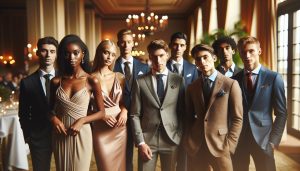
Fashion is an ever-evolving landscape, and what once seemed stylish can quickly become a fashion faux pas. In “What Not to Wear Reboot: Fashion Mistakes to Avoid Now,” we delve into the common pitfalls that can derail your style confidence. Whether you’re preparing for a job interview, attending a wedding, or simply updating your everyday wardrobe, recognizing these missteps is crucial for feeling your best.
Do you often find yourself standing in front of a packed closet, feeling defeated by choice? You’re not alone. Many of us grapple with the stress of outfit selection and the lingering fear of looking out of place. This guide aims to empower you with practical advice and actionable tips, helping you navigate your wardrobe with ease. From understanding color coordination to mastering accessory pairing, we’ll explore how to make responsible fashion choices that flatter every body type and lifestyle. Join us on this journey to uncover the essential do’s and don’ts that will elevate your wardrobe and boost your confidence!
Fashion Faux Pas: Common Mistakes Women Make
Fashion is often about self-expression, but even the most confident woman can fall prey to common missteps that undermine her style. A wardrobe brimming with options can lead to unintentional fashion faux pas-moments when outfits just miss the mark. Whether it’s wearing the wrong size, mismatched colors, or failing to consider the occasion, knowing what to avoid can enhance your overall look and boost your confidence.
One prevalent mistake is choosing items based solely on style rather than fit. Clothing that is too tight or too loose can dramatically alter the way an outfit appears. Instead, prioritize tailoring to ensure each piece flatters your shape. When considering new purchases, ask yourself: does it highlight my best features? Investing in alterations can make a world of difference in how you present yourself. Similarly, the choice of fabric can play a vital role. Materials that cling or aren’t breathable can lead to discomfort and can detract from your look, especially in varying climates.
Color Coordination Mistakes
Another area where fashion mistakes frequently occur is in color coordination. Often, women may overlook the importance of complementary hues, resulting in outfits that clash instead of harmonize. A simple tip is to utilize a color wheel: colors opposite each other often create striking and bold outfits, while those next to each other can offer a softer, more cohesive look. Mixing prints can add interest to an outfit, but it’s crucial to balance them correctly. If in doubt, sticking to a limited color palette can keep your look chic and sophisticated.
Accessorizing With Intention
Accessorizing is another potential stumbling block. Overloading an outfit with accessories can shift from stylish to chaotic. Instead, select a few standout pieces that enhance your ensemble without overpowering it. For example, pairing a statement necklace with a simple dress allows the outfit to shine without distraction. Remember, sometimes less truly is more. Additionally, always consider the occasion when choosing accessories-this can be the differentiating factor between a polished look and a disconnected one.
Approaching fashion with awareness of these common pitfalls allows women to cultivate a wardrobe that reflects their personal style confidently. By making thoughtful choices about fit, color, and accessories, it’s possible to create a wardrobe that not only looks good but feels good too. Embrace your unique style and remember that every outfit is an opportunity for self-expression-make it count!
Understanding Dress Codes: What to Know

Understanding the nuances of dress codes can be the difference between feeling confident and comfortable or awkward and out of place at an event. Often, the challenges arise not just from the formalities of attire, but from interpreting the dress code guidelines themselves. Here’s a breakdown of the most common dress codes and how to navigate them with ease, allowing you to focus on enjoying the occasion rather than stressing over your outfit.
Casual Attire
Casual dress is all about comfort without looking too relaxed. Think jeans paired with a stylish top or a casual dress. To elevate your casual look, consider adding chic sneakers or ankle boots. Accessories like a crossbody bag and simple jewelry can make your outfit feel thoughtfully assembled without trying too hard. Ultimately, the goal is to appear relaxed yet put together. For instance, a well-fitted pair of jeans, a crisp white t-shirt, and a blazer can transition easily from casual to smart-casual depending on the accessories you choose.
Business Casual
When you encounter a business casual dress code, it’s essential to strike a balance between professional and comfortable. A safe bet is to wear tailored trousers or a pencil skirt alongside a blouse or a smart knit top. Adding a blazer can instantly enhance your look, signaling professionalism. Opt for closed-toe shoes like loafers or low heeled pumps for a polished finish. Don’t shy away from incorporating color or print into your outfit, but make sure it remains subtle and sophisticated.
Cocktail
For cocktail events, the aim is to look elegant yet festive. A cocktail dress is often the go-to choice for women, typically knee-length and versatile in style. Alternatively, a sleek jumpsuit with an eye-catching belt can be a stunning modern choice. When accessorizing, opt for statement earrings or a bold clutch to elevate your outfit. Remember, while heels are usually the standard, it’s essential to choose a pair you can confidently walk in. Take note of the venue and season; for warmer months, lighter fabrics and colors work well, while fall or winter might call for deeper hues and richer fabrics.
Formal/Black Tie
At formal or black-tie events, floor-length gowns are a traditional choice, but you can also opt for a chic tea-length dress that allows easier movement. Fabrics like silk or satin can add a luxurious touch, while embellishments can make your outfit stand out. Pair your dress with elegant heels and accessories like a clutch and drop earrings. Black tie optional indicates that while formal attire is desired, alternative options like elegant cocktail dresses or tailored pant suits are acceptable, always favoring sophistication.
Wedding Guest Attire
Weddings often come with specific dress codes, which can be confusing. Aim to dress according to the season and formality of the wedding – floral prints or lighter colors for daytime events, while more structured silhouettes in richer colors work for evening ceremonies. Avoid white, cream, or anything that might overshadow the bride. Coordinate with accessories that enhance rather than detract from your look, like a delicate necklace or a stylish hat for outdoor ceremonies.
Tips for All Occasions
- Check the Invitation: Always read the invitation carefully; it usually provides clues about the expected attire.
- Seasonal Considerations: Adapt your fabric choices and colors based on the season; think lighter materials for summer and heavier fabrics for winter.
- Comfort is Key: Ensure whatever you wear is comfortable. Confidence in your outfit shines through and makes for a more enjoyable experience.
With these insights, you can navigate any dress code with assurance, ensuring that your clothing selection aligns with your personal style while respecting the occasion. Remember, dressing well is about feeling good in what you wear, empowering you to engage fully with the experience.
Color Coordination: Pairing Colors for Success

Selecting the right colors for your outfits can elevate your style significantly and help you stand out for all the right reasons. Understanding the basics of color coordination not only enhances your wardrobe but also boosts your confidence. The key to successful color pairing lies in knowing the color wheel-this graphical representation of colors allows you to see complementary, analogous, and triadic color combinations, making it easier for you to mix and match like a pro.
One practical approach is to utilize the 60-30-10 rule: let 60% of your outfit be a dominant color, typically a neutral like black, grey, or navy; 30% should be a secondary color that adds depth, perhaps a bold hue like emerald or cobalt; and the final 10% can be an accent color, such as a bright handbag or shoes. For example, a classic black dress (60%) paired with a vibrant red blazer (30%) and a fuchsia bag (10%) adds a lively touch without overwhelming the look.
Experimenting with seasonal color palettes can also refresh your style. During spring and summer, lean towards lighter, pastel hues or bright colors, which reflect the vibrant energy of the seasons. In contrast, autumn and winter call for deeper, more saturated tones like burgundy, forest green, and navy, which harmonize well with colder weather fabrics. When dressing for specific occasions, consider the event’s mood; a wedding may inspire soft, romantic colors like blush or champagne, while a job interview might favor professional and subdued tones like charcoal and cream.
Combining prints and patterns can seem daunting, but it can be effortlessly chic when done right. Start with a patterned piece, such as floral trousers, and pair it with a solid color that reflects one of the colors in the print. For example, floral pants featuring shades of navy can work beautifully with a simple navy blouse. This strategy creates cohesion in your outfit while still allowing for personality. Remember, color coordination is about feeling empowered in what you wear-experimenting with shades and hues contributes to a distinctive style that mirrors your individuality.
Accessorizing Wisely: Elevate Your Outfits
Every stylish outfit deserves a touch of finesse, and the right accessories can transform your look from ordinary to extraordinary. To truly elevate your outfits, focus on strategic accessorizing that complements your attire without overwhelming it. The key lies in embracing accessories that enhance your personal style while paying attention to proportions and balance.
Finding the Perfect Balance
Start with a foundation piece that anchors your outfit, such as a sleek dress or tailored pants. From there, select accessories that create harmony without cross-purpose clashes. For example, if you’re wearing a bold patterned dress, opt for solid-colored accessories to avoid visual chaos. A simple pair of stud earrings and a classic clutch can ground your look. On the other hand, if your outfit is neutral, don’t shy away from statement pieces like chunky necklaces or oversized earrings-they can serve as focal points that draw the eye.
Color Coordination
When accessorizing, think about color coordination as you would with your clothing. Using the 60-30-10 rule can apply here as well. For an outfit composed mainly of neutral shades, you might add a striking red handbag (30%) and keep your jewelry minimal (10%). This not only ties the outfit together but also provides a pop of color that captures attention. Remember, when choosing colors for your accessories, consider both the season and your skin tone. Warm tones like gold and bronze often feel right during autumn, while silver adds a refreshing touch in summer.
Practical Tips for Accessorizing
To make accessorizing more straightforward, here are some practical tips:
- Layer Wisely: If you love layering jewelry, consider varying lengths to create depth without clutter.
- Mix Textures: Combine different materials like leather, metal, and fabric for a more dynamic look.
- Consider Functionality: Choose bags that not only elevate your outfit but also cater to your needs; for instance, a chic tote works for the office while a clutch serves well at evening events.
- Seasonal Accessories: Swap out heavier jewelry in favor of lighter options during warmer months and vice versa for colder seasons.
Accessorizing is about enhancing your individuality and expressing confidence while navigating the world of fashion. Every piece you choose should resonate with your style and fit the occasion, whether you’re attending a wedding, heading to the office, or enjoying a weekend brunch. By following these guidelines, you can effortlessly elevate your outfits, celebrating your unique fashion tastes with every choice.
The Importance of Fit: Tailoring Basics Explained
Finding the right fit is foundational to looking stylish and feeling confident in your clothing choices. Unfortunately, many women overlook this crucial aspect, leading to wardrobe woes that can detract from even the most beautifully designed outfits. Whether you’re rocking a tailored blazer, a casual dress, or your favorite jeans, understanding how a well-fitted garment can enhance your figure is key to elevating your overall look.
Consider how tailoring transforms a piece of clothing. A simple dress from a store might look average off the rack, but once tailored to your specific measurements, it can accentuate your waist, elongate your legs, and flatter your curves. Investing in tailoring can be a game-changer, particularly for pieces that are meant for special occasions such as weddings or job interviews, where first impressions matter. Don’t hesitate to bring items to a local tailor; they can make adjustments like letting out seams, shortening hems, or adding darts that revolutionize how you wear a garment.
Fit Tips for Different Occasions
When selecting outfits, it’s essential to consider both style and fit for various occasions. Here are some guidelines for ensuring that your clothing serves you well:
- Weddings: A fitted dress that hugs your silhouette can enhance your natural shape. Opt for a gown that defines your waist and flares out at the hips for an hourglass effect.
- Job Interviews: A tailored blazer over a well-fitted shirt and tapered trousers creates a polished look. Ensure that your blazer buttons comfortably without strain and that the sleeves end at your wrist for that crisp, professional appearance.
- Casual Outings: For brunch or casual meet-ups, well-fitting jeans paired with a structured top can create a relaxed yet refined vibe. Consider a slightly cropped shirt to highlight your waistline while ensuring the jeans aren’t too tight.
- Travel: When on the go, comfort meets style in breathable materials. Choose relaxed-fit tops and bottoms that don’t constrain but still retain a tailored look, keeping you stylish without sacrificing comfort.
In finding the perfect fit, remember that every body is unique. Embrace your individuality and seek out pieces that validate who you are. Prioritizing fit over merely following trends not only enhances your outfit’s effectiveness but also builds a wardrobe rooted in confidence-a cornerstone of personal style. By paying special attention to fit, you can avoid common fashion missteps and ensure that your outfits take your unique features into account, leaving you feeling empowered and fabulous no matter the occasion.
Styling for Your Body Type: Flatter Your Figure
Understanding how to dress for your specific body type is fundamental to looking and feeling your best. Each body shape has unique qualities, and the right outfit can highlight your assets while minimizing areas you might want to downplay. Embracing your body type and learning to work with it rather than against it can lead to a more confident and stylish wardrobe.
For those with an hourglass figure, the key is to accentuate your curves. Fitted dresses that cinch at the waist and emphasize your hips are ideal. Look for wrap dresses or peplum tops paired with tailored trousers or pencil skirts to create a harmonious silhouette. When accessorizing, opt for belts that draw attention to your waist and statement earrings to balance your proportions.
If you have a pear-shaped body, often characterized by wider hips and a smaller bust, the goal is to create balance. A-line skirts and dark, straight-leg pants can elegantly skim your curves. Light-colored or patterned tops can draw the eye upward, enhancing your neckline and shoulders. Try wearing off-the-shoulder tops or boat necklines to broaden your upper body visually, and finish with chunky necklaces to add interest upwards.
For those with an apple-shaped body, where weight is carried around the midsection, choosing clothing that elongates the torso can make a big difference. Look for tunics and empire waist dresses that provide a loose fit around the belly while emphasizing your legs. Layering with long cardigans can also offer a streamlined look. A pair of dark skinny jeans can enhance your legs and provide a nice contrast to a more flowing top.
- Hourglass Shape: Fitted dresses, wrap tops, peplum styles.
- Pear Shape: A-line skirts, light tops, off-the-shoulder styles.
- Apple Shape: Tunics, empire waist dresses, skinny jeans.
Fashion is all about expressing who you are, and knowing your body type allows you to make informed choices that flatter your figure. By investing in clothing that accentuates your strengths and embraces your unique silhouette, you’ll not only look great but also feel empowered in your fashion choices. Remember, confidence is the best accessory you can wear.
Seasonal Style Tips: Outfits for Every Time of Year
Fashion is a dynamic landscape that changes with the seasons, offering endless opportunities to express your style while avoiding common pitfalls. Embracing the seasonal essence not only keeps your wardrobe fresh but also helps you sidestep mistakes that can detract from your overall look. By tailoring your outfits to each season, you ensure your choices enhance your silhouette, complement the climate, and reflect the vibrant essence of the time of year.
In spring, layering becomes an art form. This season invites playful prints and soft colors, making it easy to transition from chilly mornings to warmer afternoons. Avoid outfits that clash with the blooming scenery; instead, opt for lightweight trench coats over floral blouses paired with tailored trousers. Try incorporating transitional colors such as pastel yellows and greens. Accessorize with a delicate scarf or a light cardigan for those brisk evenings. For footwear, a pair of chic ankle boots can provide both style and comfort as you navigate varying temperatures.
As summer rolls in, lightweight, breathable fabrics become paramount. Avoid heavy or dark clothing which can make hot days feel even more stifling. Choose flowy maxi dresses or wide-legged pants in light colors to keep cool while still looking put together. Accessorizing wisely is key; a wide-brimmed hat not only adds flair but also provides sun protection. Embrace comfortable sandals to complete your look, ensuring style doesn’t come at the cost of comfort.
In autumn, layers and textures take center stage. This season is perfect for rich jewel tones and cozy knits. Be cautious of oversized proportions; instead, aim for a balanced silhouette by pairing fitted jeans with an oversized sweater, creating a chic, effortless look. Experiment with different fabrics, such as pairing a wool coat with leather leggings or corduroy trousers. Finish your ensemble with ankle boots or knee-high boots for a polished touch while keeping your feet warm.
Finally, winter calls for warmth without sacrificing style. While it can be tempting to resort to bulky layers, opt for streamlined options that flatter your shape. Choose tailored coats and cozy turtlenecks that can be layered without adding bulk. Accessorize with chic gloves and a structured handbag to elevate your overall outfit. Earthy tones and festive hues can bring warmth to the sometimes dreary winter months, ensuring that you look as vibrant as the holiday season.
By understanding how to dress for each season, you not only enhance your personal style but also embrace the unique qualities the seasons bring. This approach allows you to celebrate your wardrobe fully while minimizing the likelihood of fashion faux pas. Each season provides a new canvas, giving you the chance to express yourself creatively and confidently.
Choosing the Right Fabrics: Comfort Meets Fashion
Choosing the right fabrics can transform your wardrobe from ordinary to extraordinary, as comfort and style are a duo that shouldn’t be compromised. Whether you’re heading to a job interview, attending a wedding, or enjoying a casual day out, selecting fabrics that feel good against your skin is essential for both confidence and allure. For instance, consider the breathability of materials like cotton or linen for your summer outings, whereas cozy, insulating fabrics like wool or thermal blends are perfect for winter events. When you choose fabrics wisely, you not only enhance your comfort but also ensure that your outfits remain flattering and polished.
Fabric Tips for Various Occasions
- Weddings: Opt for soft, flowing fabrics like chiffon or silk that drape beautifully, exuding elegance without sacrificing comfort. Long maxi dresses or tailored jumpsuits in these materials can make you feel chic yet comfortable while dancing the night away.
- Job Interviews: Choose fabrics that project professionalism. Wool blends or tailored cotton offer structure without compromising comfort, ensuring you look polished in a fitted blazer paired with a lightweight blouse. Avoid sheer or overly casual fabrics that might undermine your professionalism.
- Casual Outings: Embrace breathable fabrics like jersey or lightweight denim for everyday wear. A classic t-shirt dress in stretchy cotton can be effortlessly styled with a denim jacket and ankle boots, blending comfort with a casual vibe.
Color Coordination and Accessorizing
Understanding how fabric interacts with color is another layer to mastering your wardrobe. For instance, deep jewel tones often look richer in heavier fabrics like velvet or wool, making them ideal for fall and winter. In contrast, lighter pastel colors can be stunning in breezy fabrics, providing a refreshing look for spring and summer.
Accessorizing plays a crucial role in your overall outfit. Consider pairing a patterned chiffon blouse with solid-colored trousers to maintain balance-this allows your outfit to shine without overwhelming your look. When selecting footwear, ensure it matches the fabric’s formality level; sleek heels can elevate a satin dress, while casual sneakers can make a cotton jumpsuit feel more relaxed.
Choosing fabrics with intention empowers you to create stylish outfits that meet your unique lifestyle, balancing comfort and aesthetic flair. By embracing this thoughtful approach to fabric selection, you can avoid common fashion blunders while expressing your individuality with poise.
Footwear Failures: Shoes to Avoid and When
Selecting the right footwear can make or break an outfit. While shoes can be a statement piece in any ensemble, certain types can detract from your overall look or fail to provide the necessary comfort. Understanding which footwear to avoid in specific situations is key to maintaining an elevated style. Whether you’re dressing for a formal event, a casual outing, or a day at the office, there are common shoe pitfalls that you can easily sidestep for a fashion-forward appearance.
Starting off, one of the biggest missteps women often make is wearing overly casual shoes to formal occasions. Sneakers or flip-flops, while comfortable, can severely undermine the elegance of a cocktail dress or a tailored suit. If you’re attending a wedding or a corporate event, opt for classic styles like pointed-toe pumps or chic ankle boots. These options not only align better with the formal tone but also enhance your posture and overall confidence. Conversely, avoid sky-high stilettos at outdoor events; they might sink into the grass, leading to discomfort and potential fashion disasters.
When it comes to casual outings, another common footwear error is choosing shoes that lack support or are impractical for the activity. Ballet flats, for example, can be stylish but often offer minimal arch support, which can lead to discomfort after a few hours on your feet. Instead, consider stylish slip-on sneakers or low-heeled ankle boots; these provide better support while still looking chic. For a bohemian vibe, you might opt for well-crafted sandals that flatter your feet without sacrificing comfort.
H3: Footwear to Avoid for Different Occasions
- Weddings: Avoid sneakers or any overly casual footwear. Choose elegant heels or dressy flats that complement your attire.
- Job Interviews: Steer clear of overly trendy styles like chunky platform boots or extreme open-toe designs. Opt for classic pumps or stylish loafers that convey professionalism.
- Casual Outings: Avoid unsupportive shoes such as flip-flops. Instead, pick trendy yet comfortable options like espadrilles or chic slip-ons.
- Travel: Say no to shoes that are difficult to walk in. Choose versatile slip-on sneakers or comfortable walking sandals, which give you both style and practicality on the go.
Being mindful of footwear choices can empower you to navigate various occasions confidently while still looking chic and stylish. By avoiding common pitfalls and selecting shoes that fit the dress code and activity, you can elevate your outfits effortlessly. Your shoes are not just an afterthought; they play a crucial role in expressing your style and ensuring your comfort throughout the day.
Dressing for Special Occasions: Weddings and Beyond
Navigating the world of special occasions can be both exciting and daunting, especially when it comes to finding the perfect outfit. Weddings, parties, and formal gatherings come with their own set of unspoken rules that can lead to fashion faux pas if not adhered to. To avoid those missteps, it’s essential to be mindful of dress codes, fabric choices, and footwear that fits the occasion. After all, showing up inappropriately dressed can not only affect how you feel but may also overshadow the celebration of the event itself.
For weddings, it’s crucial to strike a balance between elegance and personal style. Avoid wearing white or anything that may steal attention from the bride, such as overly elaborate or flashy designs. Instead, opt for soft pastels or floral prints that evoke the spirit of celebration. A midi or maxi dress with flowing fabrics such as chiffon or silk can be perfect for both outdoor and indoor venues, allowing for graceful movement and comfort. Pair your dress with simple yet elegant accessories; think pearl earrings or a classic clutch. Avoid oversized bags or overly casual statement pieces that might lessen the formality of your look.
Event-Specific Styling Tips
- Formal Parties: A tailored jumpsuit or a classic little black dress can be the ideal choice, maintaining sophistication while allowing for easy movement. Add a structured blazer if it’s chillier, and finish with classic heel pumps that complement the outfit.
- Outdoor Events: Opt for breathable fabrics and consider the ground conditions. Wedges or block heels work well to avoid sinking into grass. A lightweight wrap or cardigan can provide coverage, especially as the temperature drops.
- Cocktail Events: Choose dresses that lean towards the cocktail attire-a slight shimmer or a sophisticated silhouette that flatters your figure is essential. Avoid anything too revealing, as cocktail settings often appreciate elegance over skin-baring styles.
When attending any special occasion, always keep the venue in mind. An elegant ballroom often calls for more formal attire than a casual garden reception. And don’t underestimate the impact of fit! Tailoring your garments can elevate even a simple outfit, emphasizing your shape and ensuring comfort. If you feel at ease in your attire, it will radiate confidence, drawing attention away from what you might feel are flaws and highlighting your personal style. Ultimately, the goal is to blend in with the occasion while feeling like the best version of yourself.
Budget-Friendly Fashion: Chic Looks on a Budget
Stylish looks on a budget don’t just exist in dreams; they are all about smart shopping and savvy styling! With a little creativity and some wardrobe magic, it’s entirely possible to curate chic outfits that won’t break the bank. The first step in embracing budget-friendly fashion is understanding how to mix and match versatile pieces. Consider investing in foundational items like a classic white button-up shirt, a tailored blazer, and a pair of well-fitted trousers. These staples can serve as canvases for various looks when paired with trendy items or statement accessories, allowing you to craft outfits that feel fresh and fashionable.
Key Budget-Friendly Fashion Tips
- Thrift and Vintage Finds: Explore local thrift shops and online marketplaces for unique pieces that add character to your wardrobe. Vintage dresses, retro blouses, or even a standout jacket can often be found at a fraction of retail prices, letting your personal style shine without the hefty investment.
- Accessorize Wisely: Accessories can transform even the simplest outfits. Opt for bold necklaces, scarves, or hats to breathe new life into basic ensembles. A structured handbag in a vibrant color can elevate your look and ensure it stays in the spotlight!
- Seasonal Sales: Keep an eye on sales seasons to score incredible deals on current trends. Retailers often have promotions during holidays or at the end of each season. Shopping off-season for upcoming styles can also yield fantastic discounts.
- Swap Parties: Host or attend clothing swap parties with friends. It’s a sustainable way to refresh your wardrobe by trading pieces you no longer wear for items that excite you.
The power of layering cannot be understated either. A simple dress can transition from day to night by adding a well-cut jacket for a polished day look and switching to a sleek pair of ankle boots and a statement belt for evening events. Look for outfits that can be styled in multiple ways, which maximizes the versatility of your wardrobe.
Additionally, don’t shy away from DIY fashion! Simple alterations, such as adding a belt to cinch in a loose dress or turning an oversized top into a more fitted silhouette, can significantly transform your outfit. With these strategies in mind, feeling fashionable on a budget is not just a possibility-it’s an exciting challenge that encourages creativity and self-expression!
Overcoming Outfit Decision Fatigue: Simplifying Choices
Feeling overwhelmed by outfit choices is a common challenge many women face, especially when trying to navigate the myriad of fashion possibilities available today. To combat decision fatigue, consider creating a personal uniform-a set of go-to outfits that reflect your style and work for various occasions. By establishing a wardrobe foundation that you can mix and match, you’ll simplify your daily decisions and effortlessly look chic without spending unnecessary time in front of the mirror.
Streamlining Your Wardrobe
Start by investing in versatile staples. A classic blazer, a tailored pair of trousers, and a chic little black dress can each serve as base pieces for numerous outfits. Pair a blazer with a simple tee and jeans for a casual outing or dress it up over your LBD with statement earrings for evening events. Likewise, consider selecting a neutral color palette that allows for easy coordination; colors like black, white, navy, and beige work seamlessly together, enabling you to create a variety of combinations with minimal effort.
Establishing a Capsule Collection
Adopt the concept of a capsule wardrobe by narrowing down your closet to around 30-40 essential pieces. This curated selection should include items that reflect your personal style, fit well, and can be worn across multiple seasons. You might include items like:
- Basic Tops: Solid-colored tees and blouses that easily pair with skirts or pants.
- Bottoms: Well-fitting jeans, trousers, and a couple of skirts for versatility.
- Dresses: One or two dresses suitable for various occasions, such as work, weddings, and outings.
- Outerwear: A light jacket and a warmer coat depending on the climate.
- Footwear: Classic pumps, comfortable flats, and casual sneakers can cover most scenarios.
This system not only reduces clutter but provides clarity on what you own, making finding the perfect outfit easier and faster.
Practical Tips for Everyday Styling
To further simplify your daily decisions, consider the ‘1-2-3 Rule’ while styling your outfit: select one main piece (like a printed dress), complement with two secondary pieces (such as a denim jacket and ankle boots), and finish off with accessories. This method can help ensure your outfit feels thoughtfully put together without overwhelming you with choices.
Additionally, dedicate a weekend day to planning outfits for the week ahead. Create lookbooks or a visual Pinterest board that organizes your favorite combinations based on occasions or themes. Having an outfit ready to go each morning reduces the stress of last-minute decisions and allows you to step out feeling confident and stylish every day. By simplifying choices and embracing a smarter wardrobe, you empower yourself to express your fashion sense effortlessly and intuitively.
Q&A
Q: What are common fashion mistakes to avoid in casual wear?
A: Common fashion mistakes in casual wear include wearing ill-fitting clothes, mismatched colors, and overly casual items for specific settings. Opt for well-fitted jeans and a stylish top to maintain casual comfort while looking polished. Always consider the occasion when choosing casual outfits.
Q: How can I choose the right outfit for a job interview?
A: For a job interview, avoid overly flashy or casual attire. Instead, choose a tailored outfit that fits the company culture, such as a blazer with slacks or a knee-length dress. Pay attention to fabric and fit for a professional appearance. Refer to our section on dressing for special occasions for more tips.
Q: What accessories should I avoid with formal wear?
A: Avoid overly casual or chunky accessories with formal wear. Instead, choose elegant pieces like simple studs, a delicate bracelet, or a classic clutch. The goal is to enhance your outfit without distracting from it, as outlined in our guide on accessorizing wisely.
Q: When is it inappropriate to wear white?
A: Traditionally, white should be avoided at weddings unless specified, and during non-summer months in some fashion circles. Instead, opt for pastel or brighter colors to maintain elegance in formal settings. See our article on understanding dress codes for guidance on color appropriateness.
Q: Why is fit important in fashion?
A: Fit is crucial because well-fitting clothing enhances your silhouette and creates a polished look. Items that are too tight or too loose can undermine your overall appearance. Tailoring is an effective way to ensure your wardrobe fits perfectly, as discussed in our section on the importance of fit.
Q: How can I simplify my outfit decisions?
A: To simplify outfit decisions, curate a capsule wardrobe filled with versatile pieces that mix and match well. Pre-plan outfits for the week to minimize stress each morning. Our tips on overcoming outfit decision fatigue can further assist you in creating efficient and stylish looks.
Q: What are the biggest fashion faux pas for curvier body types?
A: For curvier body types, avoid overly baggy clothing and unstructured silhouettes, which can add bulk. Instead, opt for well-tailored pieces that accentuate your curves, such as wrap dresses or fitted tops. Refer to our section on styling for your body type for tailored advice.
Q: How should I dress for seasonal changes?
A: Dressing for seasonal changes involves layering and choosing fabrics appropriately. Incorporate lighter layers in spring and summer while utilizing heavier knits and outerwear in fall and winter. Our seasonal style tips section provides detailed guidance on adapting your wardrobe for any time of year.
The Way Forward
As you embark on your fashion journey, remember that avoiding common pitfalls is just one step toward effortless style. By implementing the key strategies outlined in “What Not to Wear Reboot: Fashion Mistakes to Avoid Now,” you can elevate your wardrobe and make more confident choices every day. Don’t just stop here-explore our guides on dressing for specific occasions like weddings, job interviews, or casual outings to further refine your look.
Feeling inspired? Sign up for our newsletter to receive expert styling tips directly to your inbox, ensuring you never miss essential advice on how to navigate your wardrobe with ease. Share your thoughts or outfit dilemmas in the comments below-let’s build a supportive fashion community together! With the right guidance and a bit of creativity, you’ll discover that dressing well is not just about following trends but embracing your unique style. Let’s continue this fashion adventure!