When facing a court appearance, the right outfit can be your secret weapon for confidence and clarity. “What to Wear to Court Women: Power Dressing for Legal Success” delves into how your clothing choices not only impact how others perceive you but also how you feel about yourself in a high-stakes environment. Women often juggle the challenge of looking professional while staying true to their personal style. This guide offers actionable tips and outfit ideas that cater to diverse body types and budgets, ensuring that every woman can present herself with poise and authority. From choosing the perfect dress to selecting accessories that reflect your personality, we’ll explore how strategic fashion choices can empower you in the courtroom. Discover how to turn the stress of outfit decision-making into an opportunity for self-expression and empowerment, inviting you to step into the space with confidence and style.
What to Wear for Legal Settings: Essential Outfit Guidelines
In the context of legal settings, the saying “dress for success” takes on a powerful significance. When appearing in court, your attire can speak volumes before a word is ever uttered. The right outfit not only conveys respect for the judicial system but can also enhance your confidence and authority. Whether you are a defendant, plaintiff, or attorney, your outfit should reflect professionalism and seriousness. Aim for clothing that is clean, tailored, and appropriately fitted, steering clear of overly casual or distracting styles.
To navigate the world of courtroom attire, consider these essential guidelines. First, opt for classic pieces that stand the test of time. A well-fitted blazer paired with tailored trousers or a knee-length dress can serve as a perfect canvas for your courtroom look. Smart layering is key here; a structured coat or cardigan can provide warmth while still looking polished. When selecting fabrics, go for options like wool, cotton blends, or other sturdy materials that will hold their shape, avoiding anything too sheer or flimsy. Ensure that your selections are in line with the expected decorum of the court-this usually means avoiding flashy patterns or overly bright colors that might distract from the proceedings.
For color choices, more muted tones tend to work best and project a serious demeanor. Think navy, charcoal gray, or deep jewel tones that add a touch of color without overwhelming the scene. Accessorizing is equally important; choose minimal and understated jewelry, such as stud earrings or a classic watch, that enhances your look without drawing too much attention. Finally, remember that comfort is crucial. Clothing that fits well and allows you to move comfortably can help alleviate the added stress of the day. When you feel good in what you’re wearing, it shows, and that confidence can be incredibly impactful in a legal setting.
In conclusion, while it may seem daunting to decide what to wear for a legal setting, focusing on timeless elegance, professionalism, and comfort will guide you toward the right choices. Ultimately, your outfit should empower you to present your best self in court, reflecting both your respect for the legal process and your personal style.
The Psychology of Power Dressing in Court
A well-chosen outfit can significantly influence how you are perceived in court, often before you even say a word. The psychology of power dressing revolves around the idea that clothing not only serves as an external expression of your identity but also impacts your internal mindset. When you dress in a manner that evokes professionalism and authority, you are likely to feel more self-assured and capable, which can positively affect your demeanor in a legal setting. Wearing clothes that make you feel confident can alter how you carry yourself; standing taller, speaking more clearly, and engaging more directly with others can enhance your presence in the courtroom.
One practical approach to power dressing is to select pieces that fit well and resonate with your personal style while adhering to the courtroom environment’s expectations. For example, a tailored blazer can create a strong shoulder line and project confidence, while a structured dress can offer elegance and professionalism. Materials play a crucial role as well-opting for higher-quality fabrics like wool or cotton blends conveys a polished appearance that softer, less structured materials may not. Additionally, familiarizing yourself with the specific protocol of the court can help you choose outfits that align with the expected decorum, such as avoiding bright colors and distracting patterns.
To further enhance the psychological boost that comes from dressing well, consider accessories as supportive extensions of your outfit. Simple, elegant pieces like a classic watch or understated earrings can elevate your look without overshadowing your overall presentation. It’s essential to avoid overwhelming oneself with too many accessories, as this can create a sense of chaos that contradicts the professional image you aim to portray. Remember, the goal is not just to look the part, but also to feel empowered and ready to face the challenges of the legal process.
Ultimately, embracing the concept of power dressing allows you to leverage the influence of exterior presentation to boost your self-esteem and efficacy in court. The right outfit, paired with intentional choices about fit, color, and accessories, will not only enhance your appearance but also instill a sense of confidence that can be incredibly impactful. By understanding how to dress powerfully, you can navigate the courtroom with poise and assurance.
Choosing the Right Colors: What Works Best in Legal Situations
Choosing the right colors for a courtroom appearance isn’t just about aesthetics; it carries deep psychological implications that can impact your confidence and how others perceive you. Colors can evoke emotions and convey messages without you having to say a word. Opt for shades that project professionalism, authority, and reliability while also making you feel comfortable and self-assured in your outfit.
Color Recommendations
- Navy Blue: A classic choice that conveys trust and stability.
- Charcoal Gray: This neutral color exudes professionalism and seriousness.
- Burgundy: Offers sophistication and confidence without being overpowering.
- Black: Timeless and formal, perfect for serious occasions, but pairing it with softer hues can help balance the starkness.
- Soft Pastels: Colors like light blue or lavender can soften your appearance while still appearing respectable.
When selecting colors, also consider their psychological effects. For instance, wearing darker colors like navy or charcoal can make you appear more respected and authoritative, while soft pastels can help create a more approachable presence. Avoid overly bright or flashy colors, as they may distract from your message and could be perceived as inappropriate for the formal environment of a courtroom.
Color Coordination and Accessories
To create a cohesive look, coordinate your outfits with complementary colors. A navy suit can be paired with a white or soft pastel blouse, while burgundy can be highlighted with subtle gold accessories. Accessories should enhance your outfit rather than dominate it; for example, a simple necklace or stud earrings can add a touch of elegance without overwhelming your overall appearance.
In practical terms, consider the season when choosing your colors. Darker shades are great for fall and winter, while lighter, muted tones are more appropriate for spring and summer. Ultimately, select colors that resonate with you and reflect your personal style, as wearing colors that make you feel empowered can significantly enhance your confidence-an essential factor in navigating any legal situation.
Tailoring Tips: Perfect Fit for Confidence
Your outfit’s fit can make or break your confidence in a courtroom setting. A tailored outfit not only looks polished but also allows for freedom of movement, ensuring you can focus on what truly matters-your legal proceedings. Whether you opt for a structured blazer, a dress, or tailored trousers, the right alterations can elevate your entire look. Consider this: even high-quality fabrics can appear drab if they don’t fit well. When you wear something that’s custom-fitted to your body, you project an image of preparedness and professionalism.
To achieve the perfect fit, start with the basics: understand your measurements. Knowing your bust, waist, and hip sizes allows you to shop confidently, ensuring a good starting point. Look for clothing with a bit of stretch in the fabric; this ensures comfort during long court sessions. When trying on clothing, pay attention to key areas: the shoulders of your blazer should align with your own, while dresses and blouses should flatter your figure without clinging uncomfortably. If you find an item you love that doesn’t fit perfectly, don’t hesitate to consult a tailor. An investment in tailoring can transform a generic piece into something that feels uniquely yours.
Tailoring Essentials for Court Attire
- Blazers: Ensure the shoulders fit snugly without pulling, and the sleeves end just above the wrist. A fitted blazer creates a structured silhouette that commands respect.
- Pants: Opt for trousers that skim the hips and waist, with enough length to graze the tops of your shoes for that seamless look.
- Dresses: A-line or shift dresses work well; wear them with a belt to cinch the waist for added definition. Length should be just above the knee to maintain professionalism.
Overall, when your clothing feels like a second skin, it not only enhances your silhouette but also boosts your confidence. You can truly express your personal style while adhering to courtroom etiquette. Remember: confidence isn’t just about what you wear; it’s about how you wear it. Each piece of clothing you decide on should help you present your best self in what can often be a daunting environment.
Dressing for Different Court Occasions: From Hearings to Trials
When it comes to navigating the varied environments of a courtroom, understanding the nuances of dressing for different occasions is crucial. Each event, whether a preliminary hearing or a full trial, calls for a tailored yet professional appearance that conveys confidence and respect for the legal process. Knowing how to adapt your outfit to the setting can significantly impact both your comfort and the impression you create.
For a preliminary hearing, consider opting for something less formal but still polished. A smart tailored blazer paired with a silk blouse and tailored trousers strikes the perfect balance of professional and approachable. Incorporate soft colors like light blues or grays to project calmness without sacrificing authority. Accessories should be kept minimal; a simple watch and stud earrings can add a touch of sophistication without drawing attention away from your case.
In contrast, trials often demand a more authoritative presence. Here, a structured suit in darker colors like navy or charcoal not only commands respect but also indicates your seriousness regarding the proceedings. Pair the suit with a crisp white shirt or a blouse with subtle detailing. A well-fitted, knee-length skirt or tailored pants can complete the look. Make sure to choose footwear that is both professional and comfortable, especially if you anticipate long hours in court. A low heel or stylish flats can provide the necessary support while maintaining elegance.
For mediation or settlement conferences, where the atmosphere may be more relaxed, you can lean into a slightly softer look. A casual sheath dress paired with a blazer can keep things professional while allowing for more personal expression. Opt for colors that reflect your personality; rich jewel tones can work wonders. Remember that while the setting might be less formal, professionalism should still reign supreme. The right outfit can not only help you feel more at ease but also influence the way others perceive you, aiding you in your pursuit of resolution.
Lastly, always keep in mind the importance of proper fit and comfort. Whether facing a judge or just discussing terms with opposing counsel, when you feel good in what you’re wearing, it shows. Tailoring your outfit not only enhances your silhouette but also elevates your confidence, making you not just a participant in the proceedings, but a powerful presence.
Accessories that Enhance Your Courtroom Presence
Accessories play a pivotal role in completing your courtroom look, subtly enhancing your overall presence without overshadowing your professionalism. The right accessories can elevate your outfit, emphasizing your confidence and authority. When choosing accessories for legal settings, aim for pieces that are both functional and stylish. Here are some essential tips and recommendations to help you accessorize effectively while maintaining a professional image.
Essential Accessories
- Jewelry: Opt for minimalistic jewelry that adds elegance without distraction. Simple stud earrings, a classic watch, or a delicate necklace can round off your outfit. Choose pieces in neutrals or soft metallics, as these tend to enhance your look while keeping the focus on your demeanor rather than your attire.
- Bag: A structured tote or handbag in a solid color complements any professional outfit. Look for one that can fit your essentials, such as legal documents or a tablet, and ensure it doesn’t look overly bulky. Materials like leather or high-quality fabric communicate professionalism and durability.
- Belts: A tailored belt can add definition to your waist, especially if you’re wearing a blazer or dress. Choose one that matches your clothing and is in a classic color. This small addition can help you achieve a polished silhouette.
- Scarves: A silk scarf can be a versatile accessory that adds a dash of color or texture to your outfit without overwhelming it. You can drape it around your neck or tie it to your handbag for a stylish flair that indicates attention to detail.
Seasonal Considerations
Your accessory choices can also adapt to seasonal changes. In colder months, consider adding a chic yet professional coat and well-tailored gloves that match your outfit’s color scheme. In summer, lighter fabrics and brighter colors can be refreshing. A statement pair of sunglasses not only protects your eyes but can also exude an aura of confidence as you step into or out of the courthouse.
When accessorizing, remember that each piece you wear reflects your personality and professionalism. While the courtroom demands a certain decorum, incorporating thoughtful accessories can express your individuality while keeping the tone respectful. So whether you’re presenting a case, negotiating terms, or engaging in small talk, the right accessories can empower you to command the room and project confidence in any legal setting.
Seasonal Style Tips: Dressing Appropriately Year-Round
When it comes to dressing for the courtroom, understanding seasonal nuances can significantly enhance your professional appearance while ensuring comfort. Each season comes with its own set of style guidelines that help you maintain a polished look without compromising on practicality or comfort. Whether it’s the sweltering heat of summer or the chilly winds of winter, you can navigate courtroom attire effortlessly.
During the warmer months, opt for breathable fabrics such as cotton, linen, or lightweight wool that allow for movement and keep you cool. A pair of tailored trousers with a crisp blouse strikes the right balance between professionalism and comfort. Light-colored blazers not only maintain a professional tone but also reflect the heat, so consider shades like light gray or pastel hues. Pairing these with comfortable yet sophisticated footwear-like low-heeled pumps or smart flats-ensures you can move confidently in and out of the courtroom. Don’t forget to accessorize with a lightweight scarf or a structured tote to complete your look without overheating.
As the seasons transition and temperatures drop, layering becomes key. A tailored coat or a chic trench can be both functional and stylish. Underneath, consider a fitted dress or a smart blouse and tailored trousers that allow for easy movement. Choose darker, richer colors like navy, deep burgundy, or forest green, which convey authority and professionalism. Thick tights or knee-high boots are not only practical for colder weather but can also add a fashionable touch. Accessorize with statement gloves that match your overall color palette for a cohesive look.
No matter the season, always ensure your clothing fits well and flatters your body shape-this will instill confidence as you step into the courtroom. By understanding how to adapt your wardrobe to seasonal changes while still adhering to a professional tone, you can navigate legal environments with poise and comfort. Remember, every detail counts, from the fit of your blazer to the color of your shoes, creating a powerful statement about your professionalism and authority.
Footwear Choices: Professional and Comfortable Options
When entering a courtroom, your choice of footwear is as important as the rest of your outfit. Footwear needs to blend professionalism with comfort, allowing you to project confidence while navigating potentially long hours of sitting or standing. Opting for the right pair can not only enhance your overall appearance but also ensure that you’re comfortable throughout the proceedings.
Essential Footwear Types
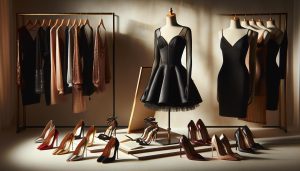
Start with a selection of classic low-heeled pumps. They are timeless and professional, ideal for formal court appearances. Aim for heels no higher than two to three inches; this height provides an elegant lift without compromising comfort. If pumps aren’t your style, consider stylish flats or loafers. Choose options with a cushioned insole for added support-this is vital for those longer court sessions where standing and walking are required. Ankle boots with a moderate heel also work well in cooler months, offering both style and warmth.
Color and Material Choices
In terms of color, neutral tones such as black, navy, or taupe are wise choices as they can be easily paired with various outfits while projecting authority. During warmer months, light shades like beige or soft gray can also be favorable as they not only look polished but can help keep you cool. Additionally, select footwear made from high-quality materials like leather or suede-they not only look sophisticated but also ensure longevity and a comfortable fit.
Accessorizing Your Footwear
To enhance your polished look, consider matching your footwear with your handbag or briefcase, creating a cohesive outfit. A simple touch, like a delicate anklet or subtle decorative detail on your shoes, can elevate your look without being distracting. Remember to also keep your shoes clean and well-maintained; scuffs or dirt can detract from your professional appearance.
Choosing the right footwear is not just about aesthetics; it’s about feeling empowered and ready to tackle whatever the day presents. By selecting shoes that prioritize both comfort and style, you can walk into the courtroom with assuredness and poise.
Body Language and Outfit Coordination: Creating Impact
Entering a courtroom is not just about what you wear; it’s equally about how you carry yourself. Your body language, in concert with your outfit, plays a crucial role in projecting confidence and authority. An outfit that embodies professionalism can elevate your presence, but when paired with strong body language, it sends a powerful message about your readiness and respect for the legal process.
Begin by standing tall with your shoulders back and your chin up. This posture not only communicates confidence but also enhances the overall impression of your outfit. Whether you’re wearing a tailored suit, a classic dress, or smart trousers, confident body language amplifies the message that you are serious and prepared. During the proceedings, use open gestures rather than crossing your arms or fidgeting, as this can seem defensive or anxious. Maintaining eye contact with the judge, jury, and opposing counsel establishes authority and engagement, helping to reinforce your credibility.
Additionally, coordinating your outfit elements can further enhance your overall impact. For instance, if your dress or suit is a solid color, consider adding a bold accessory like a statement necklace or a vibrant scarf to draw attention without being distracting. This method can enhance communication and assertiveness, aligning what you wear with how you express yourself. Remember that comfort plays a vital role here-when you feel good in your clothes, your body language will naturally reflect that ease, contributing to a more powerful courtroom presence.
By focusing on both your outfit and body language, you can create an impactful impression in court. Your choices should echo professionalism and poise, ensuring that every aspect, from your tailored ensemble to your confident stance, aligns with the authority you wish to project.
Budget-Friendly Fashion: Look Professional Without Overspending
In the world of legal proceedings, looking sharp doesn’t need to come at an exorbitant cost. You can create a professional and polished look on a budget, proving that style and confidence can flourish without breaking the bank. The secret lies in focusing on key pieces that can be versatile, smartly combining them, and being strategic in your purchasing choices.
Start with a neutral-colored blazer and a couple of well-fitting trousers or skirts. These foundational pieces can be mixed and matched effortlessly. For instance, a black blazer can pair with both navy and gray bottoms, creating distinct looks for different court appearances. Opt for tops in solid colors or subtle patterns; lightweight blouses in breathable fabrics like cotton or modal lend both comfort and sophistication. Additionally, consider thrift shops and outlet stores, where you can often find high-quality apparel at significant discounts.
Accessories can transform a basic outfit into something remarkable. Invest in classic items such as a structured handbag and a pair of stud earrings. These add subtle elegance without being overly flashy. Belts can also be a powerful tool; a simple belt can cinch waists and provide a tailored finish to your look. If you’re feeling adventurous, a patterned scarf can add a splash of personality while remaining professional. Remember, the goal is to enhance your appearance while maintaining a cohesive look that commands respect.
Lastly, don’t forget about footwear. A comfortable yet professional pair of shoes is essential, especially if you’re on your feet during lengthy proceedings. Look for versatile options like loafers or low-heeled pumps that exude professionalism while being comfy enough for all-day wear. With a little planning and creativity, you can project confidence and authority in any legal setting without straining your budget.
Cultural and Diversity Considerations in Court Attire
In today’s diverse legal environments, understanding the cultural and societal nuances of court attire is essential for projecting confidence and professionalism. Each individual’s background can influence their choice of clothing, and it’s crucial to navigate this landscape thoughtfully to ensure you’re comfortable while still abiding by the expectations of the courtroom. Dressing appropriately can bridge the gap between personal expression and professional decorum, enabling you to present your best self.
One effective strategy is to research the specific court culture in which you’ll be appearing. For example, some courts may have a more formal dress code, while others can be more lenient. When choosing your outfit, consider incorporating elements from your cultural background in a way that still feels professional. A tailored blazer paired with traditional accessories can create a harmonious balance, reflecting both your identity and respect for the legal setting. Additionally, think about how fabric choice and cuts can convey professionalism while allowing you to feel authentic.
Practical Tips for Cultural Considerations:
- Embrace your Heritage: Consider adding subtle cultural symbols or patterns in your attire, like a scarf or jewelry that reflects your background, as long as it fits within the courtroom’s guidelines.
- Fabric Selection: Choose breathable materials that respect modesty and comfort; this cultural sensitivity is especially pertinent if you come from a background where formal dress is deeply embedded in custom.
- Awareness of Colors: Different cultures may attribute unique meanings to colors. Research the implications of colors in a legal setting to avoid misrepresentation.
Ultimately, the goal is to choose an outfit that allows you to feel empowered while maintaining the gravity of the courtroom. Remember that confidence shines through in how you carry yourself; thus, select pieces that you feel good in. With thoughtful outfit choices that honor both personal and cultural expressions, you can approach the courtroom ready to command respect and attention.
Real-Life Success Stories: Women Nail Their Court Looks
Empowering oneself through wardrobe choices can be a game changer, especially for women preparing to navigate the courtroom’s often intimidating atmosphere. Real-life stories abound of women who expertly curated their outfits, transforming not just their appearance but also their confidence levels, which led to successful outcomes in legal settings. For example, one woman shared her experience of donning a tailored navy blazer over a crisp white blouse paired with tailored trousers. The ensemble conveyed authority and professionalism, enabling her to engage more assertively with the judge and opposing counsel. Her choice of a simple yet elegant pearl necklace added just the right touch of femininity without overshadowing her overall professional presentation.
Color choices also play a vital role in courtroom wardrobe success. A lawyer recounts how she opted for a deep maroon dress instead of the conventional black, immediately grabbing attention while still appearing serious and competent. The color not only flattered her complexion but also exuded confidence. By complementing her dress with neutral-toned heels, she ensured a cohesive and polished look that didn’t distract from her arguments but instead reinforced her presence. This strategic use of color is a powerful reminder that you can express personality through professional attire without stepping outside the bounds of courtroom appropriateness.
Moreover, many women have found success by prioritizing comfort in their style selections. One individual recalls her experience of wearing a well-fitted knee-length sheath dress with structured shoulders and a defined waist, which allowed her to move freely while maintaining a poised demeanor. Completing her look with supportive yet stylish block heels made it easier to stand and present her case without discomfort. This focus on comfort not only improved her confidence but also allowed her to concentrate on her legal presentation rather than on adjusting an awkward outfit.
In short, the stories of these women emphasize that successful courtroom attire combines professionalism with personal expression, empowering individuals to perform their best. By thoughtfully selecting outfits that are tailored, colorful, and comfortable, many have discovered that they can command authority and respect while feeling like the best versions of themselves. Consider blending elements from your personal style with established courtroom standards to develop a look that is uniquely yours-this fusion can be a key factor in boosting your confidence when it matters most.
Frequently Asked Questions
Q: What are the best color choices for courtroom attire for women?
A: The best colors for courtroom attire include navy, gray, and black, which convey professionalism and authority. Soft shades like pastels can work but avoid overly bright colors or distracting patterns. Always remember to consider the impact of color on your confidence and the impression you wish to create.
Q: How should women accessorize for court appearances?
A: Women should choose minimal and understated accessories for court. Opt for simple jewelry such as stud earrings or a classic watch. Ensure that bags are professional and functional, while shoes should be comfortable yet stylish. This enhances your presence without distracting from your professional image.
Q: What fabrics are appropriate for women’s court attire?
A: Appropriate fabrics for women’s court attire include wool blends, cotton, and polyester. These materials provide a polished look while being comfortable and durable. Avoid sheer or overly casual fabrics like denim or jersey, as they may not convey the right level of professionalism in a courtroom setting.
Q: What should women avoid wearing to court?
A: Women should avoid wearing overly revealing clothing, casual attire (like jeans or t-shirts), and loud patterns. Also, steer clear of flashy jewelry and excessive makeup. Your goal is to present a confident and professional image that commands respect in the courtroom.
Q: How can I ensure my outfit fits correctly for court?
A: Ensuring a proper fit is vital for courtroom attire. Tailor garments to fit your body proportionately-shoulder seams should sit correctly, and skirts/pants should not be too tight or loose. When in doubt, consider visiting a professional tailor for alterations to boost confidence and polish.
Q: Is it necessary to wear a suit to court as a woman?
A: While it’s not strictly necessary to wear a suit to court, a well-fitted blazer paired with slacks or a professional dress can exude authority. Opting for a suit can enhance your confidence and the perception of professionalism, particularly in more formal legal settings.
Q: What seasonal considerations should be made for court attire?
A: In cooler months, layering with blazers or tailored coats is important, while light fabrics are suitable for warmer months. Always prioritize breathability and comfort based on weather conditions. Consider the appropriateness of colors and fabrics to reflect a professional demeanor regardless of the season.
Q: How does body language interact with courtroom attire?
A: Your body language can greatly impact courtroom proceedings. Wearing attire that makes you feel confident can positively influence your posture and gestures. Ensure that your clothing allows for comfortable movement, which helps project authority and control during your appearance.
In Conclusion
In conclusion, dressing with confidence when attending court can greatly influence your impact and perception. Remember, the right outfit not only enhances your professional image but also empowers you to voice your arguments effectively. If you’re looking for specific recommendations, check out our guide on “Dress Codes Decoded” to understand appropriate attire for various legal settings. For practical advice on accessorizing and color coordination, visit our article on “Mastering Courtroom Fashion.”
Don’t wait-start selecting outfits that resonate with your unique style and the seriousness of legal proceedings. Have questions or want to share your go-to courtroom looks? Drop a comment below! By embracing these strategies, you can walk into that courtroom with assurance and poise, ready to make your case. Explore more resources on our site to continue your journey toward powerful dressing!