When preparing for a bank interview, the clothes you choose can significantly impact first impressions, and knowing what not to wear is just as crucial as selecting the right outfit. Many candidates underestimate the power of professional attire, often overlooking how inappropriate clothing can create an unintentional barrier between them and their dream job. With the finance industry demanding a polished and conservative appearance, avoiding certain fashion missteps can set you apart as a serious contender. From loud patterns to ill-fitting garments, there are several style choices that could hinder your chances of success. This article will explore the common professional don’ts that every candidate should be aware of, ensuring you feel confident and ready to tackle your interview. Get ready to learn how to dress smartly and sensibly, making a lasting impression that reflects your professionalism and readiness for the role.
What to Consider Before Your Bank Interview Outfit
Consider this: the right outfit for a bank interview can be your unsung ally, setting the tone for confidence and professionalism from the moment you walk in. Before finalizing your attire, take time to reflect on several key elements that influence your choices. Begin by gauging the specific culture of the bank you’re interviewing with; this can vary widely between firms. Research their typical dress code, as some havens of finance might embrace a more conservative style, while others may lean slightly towards business casual. A firm understanding of these distinctions will not only guide your outfit selection but also help you feel at ease in your presentation.
In addition to the company’s culture, consider your personal style and comfort. It’s essential to feel good in what you wear, as this translates to confidence in your demeanor. Invest in key pieces that blend well with your wardrobe, such as a well-fitted suit or tailored dress. Choose neutral colors like navy, charcoal, or black, combined with a light-colored shirt, which remains a safe and elegant choice. Avoid trends that might appear too casual or flashy; stick to classic silhouettes that flatter your body shape and enhance your overall appearance. Remember, the goal is to project professionalism while still allowing aspects of your personal style to shine through subtly.
Lastly, always account for the details: accessories, grooming, and your overall appearance can make or break your outfit. Opt for understated accessories that complement rather than overpower your look. For example, simple stud earrings or a classic watch can accent your outfit without drawing excessive attention. Pay attention to grooming as well-neat hair, clean nails, and polished shoes can elevate even the simplest of looks, ensuring that every aspect of your presentation reflects a high level of professionalism. By seamlessly integrating these considerations into your outfit, you’re not just dressing for a bank interview; you’re making a statement about who you are and your commitment to excellence.
The Importance of Setting the Right Tone
While selecting the perfect outfit for a bank interview, remember that your appearance sets the tone long before you say a word. First impressions count, and what you wear can communicate your professionalism, attention to detail, and understanding of the corporate culture. The banking industry typically leans towards a formal dress code, and failing to adhere to these standards might give the impression that you are not serious about the opportunity. Embrace a look that speaks volumes about your dedication to the role you are pursuing.
Choosing the Right Attire
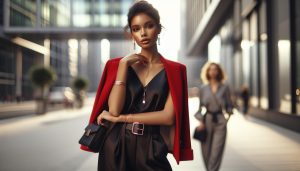
Aim for attire that embodies both professionalism and confidence. For women, classic options like a tailored blazer paired with slacks or a pencil skirt are excellent choices. Steer clear of overly casual or trendy pieces such as leggings or graphic tees, which can detract from your professional image. Instead, opt for structured silhouettes and solid colors like navy, gray, or black. These selections not only project competence but also allow for easy pairing with blouses that add a subtle touch of personal flair, such as a soft pastel hue or a modest print.
Accessorizing Wisely
The accessories you choose can enhance your overall presence at the interview. Strive for elegance with understated pieces that won’t overpower your outfit. Think simple stud earrings, a classic wristwatch, or a structured handbag. Avoid flashy jewelry or oversized handbags that could distract from your confidence and professionalism. Your shoes should be polished and closed-toed-think conservative heels or chic flats that match your ensemble. The objective here is to ensure that every aspect of your outfit complements your professionalism, exuding a refined aura that aligns with the expectations of the banking industry.
In the realm of professional attire, always remember that comfort and fit are key. Wearing clothes that fit well and make you feel comfortable will naturally boost your confidence. As you prepare for your bank interview, prioritize outfits that allow you to express your personality while respecting the standards of the corporate world. By consciously setting the right tone with your outfit, you’re not just dressing for a job-you’re presenting yourself as an invaluable addition to the team.
Common Clothing Mistakes to Avoid at a Bank Interview
Wearing the right outfit to a bank interview can be a decisive factor in shaping your first impression. While it may seem straightforward, many candidates make common mistakes that can inadvertently undermine their professionalism. Avoiding these missteps will help you project confidence and competence, setting the right tone for your interview.
One of the most frequent errors is choosing overly casual attire. Even if the workplace boasts a more relaxed dress code, an interview demands formal clothing. Avoid items like jeans, sneakers, or casual tops. Instead, opt for tailored suits or structured dresses that convey respect for the interview process and the company. Fabrics also play a crucial role; steer clear of anything sheer or overly textured that may distract from your overall look. Stick to high-quality materials that provide comfort while maintaining a polished appearance.
Another mistake often made is neglecting personal grooming and hygiene. An outfit can be perfectly chic, but if it’s paired with unkempt hair or strong fragrances, it can detract significantly from your professional image. Ensure your hair is styled neatly, nails are clean, and makeup (if worn) is subtle. This attention to detail reinforces a sense of professionalism that aligns with banking culture. Lastly, be mindful of accessories. While they can enhance your look, excessive jewelry or large bags can overwhelm your outfit. Choose understated pieces that complement without overpowering, ensuring that your clothing remains the focal point.
In summary, focusing on appropriate attire, grooming, and accessory choices is essential for making a strong, positive impression at a bank interview. Remember, the goal is to showcase your qualifications while presenting yourself in a manner that reflects your understanding of the banking industry’s expectations.
Understanding Bank Dress Codes: Formal vs. Business Casual
Choosing the right interview outfit can drastically affect your confidence and the impression you make, particularly in the banking sector where first impressions are paramount. Understanding the balance between formal and business casual attire is crucial for standing out for the right reasons. While banking institutions are generally steeped in tradition, many are beginning to embrace a more relaxed atmosphere within their workplace, leaving candidates confused about what is appropriate for an interview.
In a formal setting, the expectations are crystal clear: opt for dark suits, crisp white shirts, and conservative accessories. For men, this usually means a well-fitted suit in navy, black, or charcoal, complemented by a plain tie. Women may choose tailored suits or professional dresses, often in similar palettes, paired with closed-toe heels. The emphasis should be on professionalism and understated elegance. Steer clear of flashy patterns or overly trendy cuts that could distract from your qualifications. Keep accessories minimal to bolster the polished look without drawing attention away from your professional capabilities.
Conversely, business casual allows for a bit more personality while still prioritizing professionalism. This could involve lighter dress shirts without ties for men or tailored blouses paired with slacks or skirts for women. Although this style is more relaxed, it does not imply that you can opt for jeans or sneakers; maintaining a level of refinement is still essential. Think of clean lines and structured pieces that communicate confidence and competence.
No matter where you land on the formal versus business casual spectrum, your outfit should mirror your understanding of the company culture while still adhering to the expectations of professionalism inherent in the banking industry. Take time to research what the company’s dress code typically looks like and plan your outfit accordingly to ensure that you both fit in and stand out for the right reasons.
Ultimate Guide to Professional Footwear Choices
Choosing the right footwear for a bank interview can significantly influence your overall impression and comfort level. While it might seem like a detail, shoes are often the first thing employers notice when assessing professionalism. Therefore, making thoughtful choices in this area can help you step confidently into that interview room. Remember, you want your footwear to align with the traditional nature of the banking environment while also considering your personal style.
For women, closed-toe pumps are a classic choice that exudes professionalism. Opt for a pair that boasts a moderate heel-around 2 to 3 inches is ideal for balancing comfort and elegance. Black, navy, or nude shades tend to work best, as they can easily pair with a range of outfits without being distracting. If heels aren’t your preference, consider sleek ballet flats or loafers that maintain a polished look. Just ensure that they are well-fitted and in good condition.
Men should gravitate towards polished leather Oxfords or loafers. Stick with classic colors such as black, dark brown, or oxblood, steering clear of trendy designs that might undermine your professionalism. Remember to prioritize comfort as well; you’ll want to look and feel your best during the interview. Shoes should be clean and well-kept, as scuffed or worn-out footwear can lead to a negative impression.
In addition to style and color, consider the practicalities of your footwear. If your interview involves extensive walking or standing, opt for shoes designed with comfort in mind, like those with cushioned insoles. Perhaps even invest in gel inserts for additional support, as your performance during the interview will be enhanced by your comfort. Ultimately, your shoes should not only reflect the level of professionalism required in a bank setting but also ensure you can walk into your interview with confidence.
Essential Accessories That Make or Break Your Look
Choosing the right accessories for a bank interview can enhance your professional appearance, making a lasting impression on potential employers. Accessories should serve to complement your outfit without overwhelming it; striking the right balance is key. Simple but sophisticated pieces can speak volumes about your attention to detail and understanding of corporate culture. Being intentional with your choices will highlight your personal style while aligning with the conservative ambiance of the banking sector.
Jewelry: Subtle Elegance
When it comes to jewelry, less is often more. Opt for understated pieces such as stud earrings, a delicate bracelet, or a simple watch. For women, a classic pearl necklace can add a touch of sophistication without appearing too flashy. Men can consider a polished metal watch or cufflinks if wearing a suit. Avoid anything too large or colorful that may distract from your overall professional image. The goal is to accessorize in a way that exudes confidence, allowing your skills and experience to take center stage.
Bags That Speak Professionalism
Your choice of bag can significantly impact your overall look. Aim for a structured handbag or briefcase in a classic color such as black or navy. This practical accessory not only holds your essentials but also reinforces your polished appearance. Ensure that your bag is clean and in good condition; a worn-out or overly casual bag can detract from an otherwise stellar outfit. Women might consider a tote with subtle detailing, while men can opt for a sleek leather briefcase or messenger bag.
Color Coordination and Footwear
While we previously discussed footwear, your accessories should harmonize with your shoe choice as well. For instance, if you choose black shoes, aim for a matching black bag. Color coordination enhances the cohesiveness of your outfit, which is vital in establishing a sense of professionalism. Additionally, select accessories that align with your personal style but remain respectful of the industry standards.
In conclusion, well-chosen accessories can enhance your bank interview outfit, projecting an image of professionalism and confidence. By focusing on subtlety and coordination, you can ensure that your accessories elevate rather than detract from your overall look. This thoughtful approach minimizes outfit decision-making stress and keeps your presentation straightforward, ensuring that you’re ready to shine in your interview.
Color Psychology: What Hues Say About You
Color choices can dramatically affect perceptions, making understanding color psychology crucial for your bank interview attire. The colors you wear not only represent your style but can also send subconscious messages about your personality, reliability, and professionalism. For instance, hues like navy, black, and grey are the go-to options for many professionals because they evoke feelings of trust, authority, and stability – all essential qualities in the banking sector. Conversely, wearing bold or flashy colors can distract from your qualifications or even give off an impression of flamboyance that may not resonate with more traditional corporate environments.
When preparing your outfit, consider the emotions that different colors can evoke. Wearing a classic navy suit can project confidence and competence while remaining approachable, a perfect balance for interviews where you want to come across as both competent and collegial. On the other hand, colors like red may signify energy and passion but can easily come off as too aggressive in a formal setting. Instead, opt for soft accents, such as a red tie or scarf, to introduce a touch of vibrancy without overwhelming your look.
Strategic Color Pairing
Integrating color into your outfit doesn’t mean sacrificing professionalism. Here are some effective combinations:
- Navy Blazer paired with a white or light grey blouse/shirt for a sharp, classic look.
- Charcoal Suit matched with a soft pastel shirt to create a gentle contrast.
- Black Pants with a beige top for a neutral, sophisticated appearance.
These combinations help maintain a professional tone while allowing a bit of personal expression. Accessorize with colors that resonate with your personality yet remain on the conservative side to enhance your overall impression without diverting attention from your qualifications.
Seasonal Considerations
Color choice can also be influenced by the season. In spring and summer, consider lighter, softer colors like pastel shades that still maintain professionalism. In contrast, fall and winter can support richer tones like deep burgundy or forest green, which can feel both inviting and authoritative.
Arming yourself with knowledge about color psychology and how to utilize it in your outfit can help you make a strong first impression while reinforcing confidence in your skills and abilities. By carefully selecting hues that reflect an understanding of the corporate culture, you’ll position yourself as the ideal candidate for any banking role.
Fabric Choices for Comfort and Professionalism
Selecting the right fabric for your bank interview outfit can make a significant difference in how you feel and appear throughout the day. Comfort and professionalism go hand-in-hand, as the right materials ensure that you not only look polished but also feel at ease while navigating the stress of an interview. Opting for fabrics that breathe well and allow for movement can help you exude confidence, which is essential in a competitive banking environment.
When considering fabric choices, wool blends are a fantastic option for tailored suits as they are durable, maintain their shape, and add a touch of sophistication. Wool also regulates temperature, keeping you comfortable whether the interview room is warm or chilly. For blouses and shirts, cotton or cotton blends provide softness against the skin and breathability. These natural fibers help manage perspiration while ensuring you maintain a crisp appearance. If you’re interviewing during warmer months, lightweight linen can also be a refreshing alternative but be mindful of its tendency to wrinkle easily.
Ideal Fabric Combinations
To help you make confident choices, consider these practical fabric combinations for various interview scenarios:
- Classic Wool Suit with a cotton dress shirt for a traditional look.
- Wool Blend Blazer paired with a breathable cotton-blend top.
- Linen Pants with a fitted cotton shirt, particularly in hotter weather.
In addition to choosing suitable fabrics, focus on layering to adapt to environmental changes, especially if your interview involves moving between different venues or varying climates. A lightweight blazer can enhance your look and keep it professional while also giving you an added layer of warmth against air conditioning.
Choosing fabrics that fit your body type and personal style will also help you feel more confident. Remember, confidence shines through when your outfit complements your physique. Look for cuts and patterns that flatter your shape, allowing you to feel empowered as you engage in conversation with your potential employers. Balancing professionalism with personal comfort can help you present your best self while showcasing your qualifications and enthusiasm for the role.
How to Fit Your Personal Style into Corporate Culture
In the world of banking, presenting yourself in a way that balances your unique style with corporate expectations is key to making a positive impression. While traditional attire often prevails in banking settings, there’s still room for personal flair within the confines of professionalism. The challenge is to express your individuality without risking the perception of being unprofessional or underdressed. This means making thoughtful choices in your clothing, accessories, and grooming that harmonize with the corporate image while also reflecting your personal taste.
One effective way to incorporate personal style is through color selection. While neutrals like black, navy, and gray form the backbone of corporate attire, adding pops of color can communicate confidence and approachability. For instance, a soft blush blouse or a deep teal tie can subtly introduce your personality without overwhelming the established corporate tone. Tailor these colors to your skin tone for the most flattering effect, ensuring that your outfit maintains a polished appearance. Use accessories like scarves or ties to introduce patterns or subtle textures that can add depth to your look while still adhering to professionalism.
Pay attention to the fit and cut of your clothing as well. A well-fitted suit or dress is timeless and communicates that you value the opportunity at hand. Search for cuts that highlight your structure-consider high-waisted trousers that elongate the legs or structured blazers that define the waist. Avoid overly tight or loose options that may detract from your overall impression. Pairing tailored pieces with personal touches, such as a unique brooch or statement jewelry, can help reinforce your individuality without stepping outside the bounds of professionalism.
Finally, don’t underestimate the power of grooming. A clean and polished appearance enhances your outfit and builds confidence. Simple things like well-maintained hair, manicured nails, and minimal yet appropriate makeup can elevate your overall presence. Remember, the goal is to express who you are while respecting the norms of the banking environment. Striking this balance not only boosts your confidence but also positions you favorably in the eyes of your interviewers, helping you stand out in a competitive field.
Grooming Tips for a Polished Bank Interview Appearance
A polished appearance can significantly enhance your confidence and influence perception during a bank interview. It’s important to remember that grooming is a vital aspect of your overall presentation. Here are some essential grooming tips to help you create a polished, professional look that aligns with banking’s formal expectations.
Start with your hair, as it frames your face and plays a crucial role in your overall look. Opt for a clean hairstyle that flatters your face shape. For women, a sleek bun or a neat ponytail can convey professionalism, while men might choose a clean-cut style or neatly combed hair. Avoid styles that are overly casual or messy, as these can detract from a professional image. Ensure your hair is clean and styled appropriately; even a quick touch-up before you leave can make a big difference.
Next, pay attention to your nails. Well-groomed nails speak volumes about your attention to detail. Consider keeping them trimmed and clean, opting for neutral or soft polish shades to maintain a professional appearance. If you prefer not to wear nail polish, make sure the nails are naturally clean and shaped. A simple manicure can elevate your look without being distracting.
Finally, choose makeup that complements rather than competes with your attire. Aim for a natural look that enhances your features, using a light foundation or tinted moisturizer to create an even complexion. Subtle eye makeup, like neutral eyeshadow and a hint of mascara, can add polish without appearing excessive. Remember to select a lip color that is professional and understated-think soft pinks or classic nudes. The goal is to look sophisticated and approachable, leaving interviewers to focus on your qualifications rather than your appearance.
By focusing on these grooming essentials, you’ll set a positive tone that reflects your serious attitude towards the opportunity at hand. A well-groomed appearance is not just about looking good; it also boosts your confidence, allowing you to shine in any interview scenario.
Cultural Considerations for Job Interviews in Banking
Understanding the cultural nuances within the banking industry can play a pivotal role in the success of your interview, especially when it comes to your outfit. Different regions, institutions, and even departments may have their unique expectations for dress codes and overall presentation. This is why being aware of cultural considerations not only helps you to avoid the pitfalls of inappropriate attire, but also positions you as a well-informed candidate who respects the industry standards.
In many traditional banking environments, formal attire is the norm. This typically includes well-tailored suits, conservative colors, and classic accessories. Women can opt for a tailored blazer paired with slacks or a skirt, while men should aim for a crisp suit accompanied by a tie. However, as the industry evolves, there are increasing instances of relaxed dress codes, particularly in roles that involve creative thinking or client engagement. Researching the specific bank and its culture can provide insights into whether a formal or a business-casual attire is expected.
Recognizing Subtle Differences Across Regions
Cultural expectations can vary significantly not just from bank to bank, but also from one geographical location to another. For instance, a bank in a financial hub like New York City may lean towards more formal and conservative attire, while a tech-focused bank in California might embrace a more business-casual environment. To navigate these distinctions effectively, consider reaching out to current employees or checking online forums to get a sense of what the current dress code is. Local customs can influence attire, and understanding these nuances communicates your adaptability and awareness, enhancing your candidacy.
Colors and Patterns: Don’t Overlook the Details
The colors and patterns you choose to wear can also carry cultural significance. In many places, navy, charcoal, or black suits are seen as safe and appropriate choices. However, lighter or vibrant colors could signal a more modern and innovative approach in certain institutions, particularly in client-facing roles or in sectors like investment banking. Stripes or subtle patterns can add flair but should be approached carefully to avoid being perceived as overly casual. Always aim for a balance between personal expression and professional etiquette.
Ultimately, understanding cultural considerations surrounding dressing for a bank interview can empower you to make savvy choices that reflect both your personal style and the expectations of the banking environment. Prioritize being well-prepared and informed; this sets a foundation for confidence as you step into your interview knowing you are dressed to make the best possible impression.
Dressing for Different Banking Roles: A Tailored Approach
Dressing appropriately for a bank interview can be a daunting task, particularly given the range of roles within the banking sector, each with its own expectations for attire. Understanding how to tailor your outfit to reflect the specific nuances of your desired position can set you apart from other candidates. Whether you’re interviewing for a corporate banking role or a position in wealth management, aligning your outfit with the nature of the job not only showcases your understanding of professional standards but also highlights your suitability for the role.
When applying for a corporate banking position, opt for attire that embodies professionalism and sophistication. A tailored suit in classic colors-such as navy, black, or charcoal-paired with a crisp white shirt and a conservative tie (for men) or a blouse (for women) is ideal. For women, including a sleek blazer and tailored trousers or a knee-length skirt creates a polished look that conveys authority and competence. Avoid overly vibrant colors or patterns that could distract from the professionalism of your appearance. Accessories should be minimal and refined; think elegant watches or simple stud earrings that enhance rather than overwhelm your look.
If you’re aiming for a role in a more creative or client-facing element of the banking industry, like investment banking or financial advisory, you may have some leeway to incorporate personalized details into your outfit. While a suit remains appropriate, consider experimenting with softer colors or subtle patterns that reflect your unique style. Women can opt for brighter blouses or statement necklaces, and men might choose a tie with a tasteful pattern. It’s essential, however, to maintain a level of professionalism; steer clear of casual items such as jeans or sneakers, as they undermine the formal nature of the interview.
Lastly, if you are pursuing a position in a more laid-back banking environment, such as a startup or a tech-driven financial institution, you can adapt to a business casual style while still avoiding any casual pieces. For women, a smart dress paired with a blazer or tailored separates can achieve the desired balance, while men might consider well-fitting chinos alongside a button-down shirt. This outfit should still include professional shoes-leave sneakers and flip-flops at home. Regardless of the banking role, remember that your outfit is not just clothing; it’s a reflection of your professionalism and respect for the opportunity, so always err on the side of looking polished and well put together.
Faq
Q: What colors should I avoid wearing to a bank interview?
A: Avoid overly bright or flashy colors such as neon shades, which can be distracting. Instead, opt for neutral tones like black, navy, or grey. These colors convey professionalism and stability, which are essential in a banking environment.
Q: Is it unprofessional to wear jeans to a bank interview?
A: Yes, wearing jeans to a bank interview is generally considered unprofessional, even in a business casual setting. Opt for dress pants or a tailored skirt instead, as these choices present a more polished and formal appearance.
Q: What type of footwear is inappropriate for a bank interview?
A: Avoid casual footwear like sneakers or sandals. Instead, choose closed-toe dress shoes, such as loafers or low heels, that complement your outfit while maintaining a professional aesthetic.
Q: Are there any specific accessories I should avoid at a bank interview?
A: Steer clear of excessive jewelry or flashy accessories. Opt for simple, elegant pieces like stud earrings or a classic watch, which support a professional impression without overwhelming your look.
Q: Should I wear a tie or a scarf to a bank interview?
A: If you’re a man, wearing a tie is often expected to enhance professionalism. For women, a scarf can add polish but should be understated. Choose classic styles that don’t distract from your overall appearance.
Q: How important is grooming for a bank interview?
A: Grooming is crucial for making a positive impression at a bank interview. Ensure your hair is neatly styled, nails are clean, and makeup is professional and subtle, aligning with a polished overall appearance.
Q: Can casual fabrics like denim or cotton be worn to a bank interview?
A: Casual fabrics like denim and cotton should generally be avoided. Instead, opt for polished materials like wool or polyester blends that project a more professional and serious image.
Q: What should I do if my personal style conflicts with bank dress codes?
A: Find ways to incorporate your personal style subtly, such as choosing tailored cuts or understated patterns while adhering to corporate colors and fabrics. This balance showcases your individuality without compromising professionalism.
Final Thoughts
In conclusion, avoiding common fashion missteps can make all the difference in presenting yourself professionally at a bank interview. Remember to steer clear of overly casual attire, flamboyant colors, and anything that might be deemed inappropriate in a conservative setting. Presenting a polished image not only reflects your seriousness about the role but also enhances your confidence.
For more insights, check out our articles on “Essential Interview Outfits” and “Accessorizing for Professional Settings” to ensure you’re fully prepared for your big day. Don’t forget to subscribe to our newsletter for ongoing fashion tips and exclusive resources tailored just for you! Your perfect interview outfit is just a click away-make the right impression today!