Nailing the right outfit for a job interview can be a game changer. Did you know that first impressions are formed within just a few seconds? As a woman, choosing what to wear can feel daunting, with societal expectations and personal style swirling together. In this guide, we’ll explore confident, professional looks that not only align with today’s workplace standards but also reflect your unique personality. Whether you’re stepping into a corporate environment or a creative agency, finding the perfect outfit can boost your confidence and set the tone for your interview. Let’s dive into styling tips that make dressing for success an empowering and exciting experience, ensuring you’re prepared to make your best impression while feeling authentically you.
Understanding Dress Codes for Job Interviews
Understanding the nuances of dress codes can make a significant difference in conveying the right message during job interviews. Each industry may have different expectations regarding professional attire, and knowing what these are can set you apart from other candidates. For instance, corporate environments often favor conservative outfits, such as tailored suits or a classic dress, while creative fields may lean towards more relaxed and expressive styles. Familiarizing yourself with the company culture before the interview can help you make informed choices about your attire.
To navigate dress codes effectively, consider categorizing them into a few main types: business formal, business casual, casual, and creative. Business formal typically requires dark suits, tailored dresses, and polished shoes, while business casual may allow for slacks and blouses without a formal jacket. Casual attire is usually more relaxed, yet still demands a level of professionalism; think of well-fitted jeans paired with a smart top. In contrast, creative environments can permit bolder fashion choices, allowing for individual expression through unique colors and patterns. Reading the room through company websites or social media can provide helpful insights into acceptable styles.
Regardless of the dress code, your outfit should reflect a polished look. Aim for clean lines, appropriate fits, and colors that project confidence and professionalism. Utilize layers; a blazer or cardigan can enhance a simple outfit, making it look more curated. Remember that accessories and footwear also play crucial roles in your overall presentation. Balancing these elements not only helps illustrate your attention to detail but also shows your understanding of professional expectations in your chosen field.
Essential Wardrobe Pieces for Women
When stepping into an interview, the right wardrobe can be your secret weapon. A well-curated collection of essential pieces ensures you feel confident and professional, setting the tone for a successful day. Building a versatile wardrobe that caters to various interview scenarios doesn’t have to be daunting. Instead, embrace outfits that reflect your personal style while conforming to the expected dress codes of the industries you’re targeting.
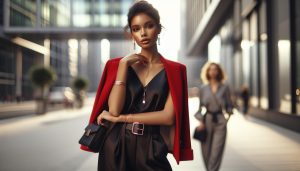
Begin with the foundation of your interview attire: a well-fitting blazer. This timeless piece can transform a simple blouse and trousers into a polished look, offering structure and sophistication. Choose blazers in neutral colors like navy, black, or gray to maximize versatility, as they pair beautifully with a variety of tops and bottoms. Underneath, opt for blouses or tops made from breathable fabrics that maintain a crisp appearance. Think about incorporating subtle prints or colors that resonate with your personality while ensuring you don’t distract from your professionalism.
Moving down to the lower half, tailored trousers or a classic pencil skirt are ideal staples in your wardrobe. Both styles embody professionalism and can be matched with various tops and blazers. For a more relaxed environment, consider well-fitted dressy trousers or smart ankle pants, which can allow for more movement. If you choose a skirt, aim for knee-length or slightly below to maintain professionalism. Pair these bottoms with closed-toe shoes that are both stylish and appropriate, such as low heels or smart flats, which provide comfort for those potentially long interviews.
To round off your ensemble, don’t overlook the importance of quality accessories. A structured handbag is not just functional; it completes your outfit and demonstrates attention to detail. Opt for simple jewelry, like stud earrings or a delicate necklace, to maintain a refined appearance that doesn’t overshadow your look. These essential wardrobe pieces not only enhance your professional image but also build a foundation for creating tailored outfits that reflect your style confidence.
Colors That Radiate Confidence and Professionalism
Choosing the right colors for your interview outfit can significantly impact the impression you make. Colors can evoke emotions and convey messages about your personality and professionalism. For women stepping into an interview, selecting hues that radiate confidence and professionalism can transform not just your appearance, but also your mindset going into the meeting. Understanding which colors to wear and how they resonate with your audience can elevate your look from ordinary to compelling.
Powerful Colors for Professional Settings
Bold and classic colors often signal authority and competence. Here are some top choices for your interview attire:
- Navy Blue: Often considered the go-to color for interviews, navy conveys professionalism, trust, and reliability. A navy blazer paired with tailored trousers creates a look that’s both assertive and approachable.
- Charcoal Gray: Similar to black but softer and less severe, charcoal gray is versatile and elegant. It works well for suits, pencil skirts, and dresses, providing a sophisticated base that can be accessorized with colorful accents.
- Black: Timeless and chic, black is perfect for making a strong impression. A black dress or suit asserts authority, though pairing it with a brighter top or colorful accessories can soften the look.
- Earthy Tones: Colors like olive, rust, or deep burgundy can suggest warmth and approachability. These shades are great for autumn interviews, especially when layered with neutrals.
- Bright Accents: While your main outfit might consist of solid, professional colors, consider using more vibrant shades like fuchsia, teal, or mustard for accessories. A bright blouse or scarf under a blazer can add personality without overpowering the overall look.
Color Combinations That Enhance Confidence
Beyond individual colors, pairing them effectively can create a cohesive and confident look. For instance, a navy suit with a soft white blouse feels crisp and professional, while a charcoal gray dress with forest green accessories can be refreshing and unique.
When attending interviews in more casual environments, consider lightening up your color palette. Pastel shades, such as soft pink or lavender, can convey approachability and creativity. Mix these lighter hues with classic tailoring to strike just the right balance between relaxed and polished.
Understanding the psychological effects of color can empower you to make strategic choices. Picture yourself walking into the interview room; wearing colors that align with your desired message and brand can help you project confidence and professionalism. By selecting powerful colors and thoughtful combinations, you can not only look your best but feel empowered to tackle any challenge ahead.
Styling Tips for Different Interview Types
Choosing the right outfit for an interview is essential for making a positive first impression. Different industries have distinct dress codes, so tailoring your appearance to align with the expected norms can set you apart as a serious candidate. Understanding the nuances of various interview types not only helps you dress appropriately but also boosts your confidence, allowing you to focus more on showcasing your capabilities.
For formal corporate environments, such as finance or law, lean towards classic pieces. A well-fitted blazer paired with tailored trousers or a knee-length sheath dress in a neutral color like navy or charcoal creates a refined yet approachable look. Add a crisp white or pastel blouse underneath for a professional touch. Accessories should be understated-think simple pearl earrings or a delicate necklace. When it comes to shoes, opt for closed-toe pumps that offer both style and comfort.
Casual or creative industries, such as tech or marketing, allow for a bit more personal expression in your attire. Here, you can experiment with colors and styles while still keeping it polished. A chic jumpsuit or tailored dress paired with a stylish cardigan can strike the right balance. Feel free to incorporate trendy elements like statement earrings or a unique handbag to reflect your personality. For footwear, chic flats or ankle boots add a modern touch without sacrificing comfort.
In more relaxed settings, like startups, you have the freedom to mix formal and casual elements. A smart-casual approach could involve tailored jeans combined with a dressy blouse or a smart blazer. Bright colors or patterns can work in your favor here, making you appear approachable and creative. Just ensure that everything is well-fitted and neat. Comfortable loafers or stylish sneakers can be excellent choices, emphasizing your suitability for a dynamic and youthful workplace.
Overall, consider the company’s culture and values, conducting a bit of research through social media and their website to inform your wardrobe decisions. Dressing appropriately for the interview type not only shows respect for the organization but also allows you to bring your best self to the table.
Accessorizing to Enhance Your Professional Look
The right accessories can take your interview outfit from merely adequate to exceptionally polished, making a lasting impression on your potential employer. Accessories are not just embellishments; they can convey professionalism, show your attention to detail, and reflect your personal style. When selecting pieces to enhance your professional look, consider how each element contributes to the overall outfit while remaining subtle and not overwhelming.
Start with jewelry, which can serve as a powerful statement without stealing the spotlight. Opt for simple but elegant pieces such as stud earrings, a delicate necklace, or a minimalistic bracelet. These items complement rather than distract from your attire. If you wear a watch, choose a classic style-perhaps a sleek leather band or a metal link bracelet. Remember that moderation is key; avoid noisy bangles or overly large statements that might draw attention during the interview.
Next, think about bags. A structured tote or a polished handbag not only adds to the sophistication of your outfit but also provides functionality. It should be large enough to hold essentials like your resume and a notepad but not so oversized that it becomes cumbersome. Stick to neutral tones like black, navy, or beige for versatility, or a subtle pop of color can add a refreshing touch to an otherwise muted outfit.
Incorporating scarves or belts can also elevate your look without veering into extravagance. A silk scarf tied around the neck or on the handle of your bag introduces a dash of elegance and personality while remaining professional. A well-fitted belt can accentuate your waist when worn with a dress or blazer, adding a polished touch. Choose one that complements your outfit-neutral for classic looks and perhaps a subtle print or texture for a bolder choice.
Lastly, don’t forget about hair and makeup. A neat hairstyle and understated makeup can enhance your overall polished appearance. Consider opting for a simple updo or loose waves, and stick to neutral or soft colors for your makeup, focusing on enhancing your features without being overly dramatic.
By carefully selecting and coordinating these accessories, you can create an ensemble that feels complete and exudes confidence. This thoughtful approach ensures your outfit not only aligns with professional standards but also reflects your individuality, leaving a memorable impression on your interviewers.
Choosing the Right Footwear for Success
Stepping into an interview with the right footwear can be just as crucial as the outfit you choose. Your shoes not only reflect your style but also communicate your professionalism and attention to detail. Imagine the confidence boost you’ll feel when you know your footwear is both stylish and appropriate for the job you’re seeking. Whether you’re aiming for a corporate position, a creative role, or something in between, selecting the right pair is essential.
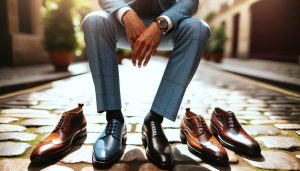
Start by considering the nature of the company and the position you’re applying for. For more traditional industries such as finance or law, opt for closed-toe heels or stylish loafers. A classic black or navy pump with a moderate heel typically works well, as it combines professionalism with feminine elegance. In contrast, creative environments might allow for bolder choices, like block heels or chic ankle boots in a fun color or trendy design.
Key Considerations for Selecting Footwear
- Comfort and Fit: Make sure your shoes fit properly and are comfortable enough for the interview duration. Test them out beforehand by walking in them to avoid discomfort on the big day.
- Style and Matching: Coordinate your shoes with your outfit’s color palette. Neutral colors like black, beige, or navy tend to complement a wider range of looks, but don’t shy away from tasteful pops of color if they align with the overall vibe.
- Heel Height: If you’re choosing heels, select a height you can walk confidently in. A heel that is too high can impact your posture and presence, so go for a height that enhances your look without sacrificing comfort.
- Weather Considerations: If you’re in an area with unpredictable weather, consider the practicality of your choice. For instance, leather shoes are typically more durable and can be weather-resistant, while materials like suede might not hold up in wet conditions.
Choosing the right footwear for an interview can make a powerful statement about your professionalism and attention to detail. By making thoughtful choices that prioritize both style and comfort, you’ll be ready to walk into that room with poise and confidence, allowing your personality and skills to shine.
Seasonal Dressing: Outfits for Every Time of Year
When preparing for an interview, considering the season can greatly enhance your overall look and comfort. Dressing appropriately for the weather not only shows that you’re mindful of your environment, but it also allows you to project confidence without any distraction from discomfort. Each season presents unique opportunities to express your style while maintaining professionalism.
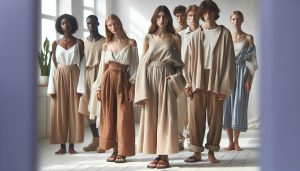
In spring and summer, opt for lighter fabrics and colors that reflect the warmth of the season. A tailored dress in a breathable material like cotton or linen can offer both comfort and style. Pair it with a lightweight blazer to exude professionalism. For example, consider a pastel blazer with a white sheath dress, complemented by nude heels and minimal gold accessories. This look balances seasonal trends while keeping your appearance polished and interview-ready. If you prefer trousers, a tailored pair with a floral blouse can be both vibrant and professional, finished off with loafers for a practical yet stylish choice.
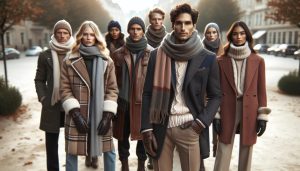
As the cooler months roll in, layering becomes key to both warmth and style. Invest in a structured coat or a tailored trench that you can remove when you’re inside the interview location. For fall and winter, a long-sleeve blouse paired with wool trousers can create an elegant silhouette. Choose earth tones like burgundy or deep green, which not only feel seasonally appropriate but also convey a sense of confidence. Accessorize with a warm scarf in a complementary color and leather ankle boots that combine comfort with structure for a polished finish.
Regardless of the season, remember to prioritize fit and comfort. Well-fitted clothing not only looks professional but also enhances your confidence. Make use of classic layering techniques to ensure you can adjust to varying temperatures throughout the day, and don’t forget to choose accessories that enhance your outfit without overwhelming it. By thoughtfully selecting your attire with seasonal elements in mind, you’ll present the best version of yourself at every interview, ensuring that the focus remains on your skills and qualifications rather than any discomfort stemming from your outfit choices.
Tailoring and Fit: Key to a Polished Appearance
Choosing the right outfit for an interview involves more than just picking a cute dress or a tailored suit; it’s about how well those pieces fit. Clothing that is tailored to your body not only enhances your silhouette but also boosts your confidence-allowing you to focus on showcasing your skills, rather than feeling self-conscious about your outfit. A well-fitting garment conveys professionalism and attention to detail, traits that any employer highly values.
When considering fit, it’s essential to understand your unique body shape and sizes. A top that fits well at the shoulders and bust but is too loose around the waist can distract from your overall appearance. Similarly, trousers should skim the hips without gaping at the waist or clinging uncomfortably. Don’t be afraid to seek professional tailoring services; investing in altering a few key pieces can make a dramatic difference in how you are perceived. For example, a pair of tailored trousers or a blazer can transform your look from ordinary to extraordinary.
Key Tailoring Tips
- Know Your Measurements: Before shopping, take the time to measure yourself accurately. Familiarize yourself with your bust, waist, hips, and inseam measurements. This knowledge will help you select the most flattering pieces without relying solely on size labels.
- Choose Structured Fabrics: Fabrics with a bit of structure, such as wool blends or cotton canvas, hold their shape better and provide a more polished appearance. Avoid overly stretchy materials that might lose their form.
- Focus on the Shoulders: A blazer or jacket should align perfectly with your shoulder seams. This creates a strong, tailored appearance that’s key for professional dressing.
- Length Matters: Ensure that blouses and tops hit at or below the hips, while dresses should ideally sit at or above the knee for a clean line. Trousers should fall just above the shoe, allowing for a sleek look.
Not only does tailoring improve the aesthetics of your outfit, but it can also enhance your comfort during the interview. Well-fitting clothing allows you to move with ease, whether you’re shaking hands or sitting for extended periods. Remember that the goal is not only to look great but also to feel confident in your attire. A tailored ensemble serves as an invisible armor, empowering you to present your best self in any interview scenario.
How to Mix and Match Outfits for Versatility
Mastering the art of mixing and matching outfits is key to creating a versatile wardrobe that suits various interview settings, while also allowing you to feel confident and polished. The best approach is to choose a few essential pieces that can be combined in different ways to create multiple looks without overwhelming your closet. This not only saves time but also reduces stress when preparing for an important interview.
Begin with a solid foundation of garments that pairs well together. For instance, a tailored blazer in a neutral color (like black, navy, or gray) can enhance a variety of tops and pants. Combine it with a classic white button-up shirt for a sharp look, or swap in a silk blouse for a touch of elegance. Opt for versatile bottoms like tailored trousers or a pencil skirt that can easily transition from formal to more relaxed settings. To add color and personality to your outfit, consider including layering pieces, such as a lightweight cardigan or a bold-colored shell top.
Mix and Match Strategies
- Invest in Basics: Start with timeless pieces such as a fitted blazer, tailored trousers, and a white blouse. These basics serve as the canvas for your outfits and can be easily transformed with different accessories.
- Utilize Accessories: Accessories can dramatically change the vibe of an outfit. A simple scarf or statement necklace can elevate a basic ensemble, while professional yet stylish footwear can soften a look from formal to approachable.
- Play with Textures: Mixing different textures can add depth to your ensemble. For example, pair a smooth silk blouse with a textured tweed blazer or a wool skirt to create a visually interesting outfit.
- Seasonal Adjustments: Adapt your wardrobe by making seasonally appropriate choices. Layering with a lightweight coat in cooler months or opting for breathable fabrics during the summer ensures you look great and feel comfortable regardless of the weather.
By understanding how to effectively mix and match your wardrobe, you can easily adapt your style for different job interviews or networking events, showcasing not just your professional demeanor but also your personal flair. This empowers you to make informed fashion choices that resonate with your confidence and individuality, regardless of the setting.
Dressing for Remote or Virtual Interviews
In today’s digital landscape, remote interviews have become a norm, making it essential to present yourself professionally from the comfort of your home. While you might be tempted to dress casually, the impression you make is just as important as it would be in any in-person interview. Even if your interviewer can’t see your entire outfit, dressing professionally allows you to embody the confidence and poise needed for the occasion. Choosing the right ensemble can set the tone for a successful interaction, demonstrating your seriousness about the role.
When preparing your outfit, start with pieces that convey professionalism while also keeping comfort in mind. A tailored blouse or a smart-looking shirt paired with well-fitted trousers or a pencil skirt can be a great choice. As the camera frame typically cuts off below the chest, opt for bold colors or subtle patterns that reflect your personality while remaining polished. For instance, a deep jewel tone or classic navy can radiate professionalism and confidence. It’s crucial to ensure your top is free of distracting patterns, which can divert attention during the conversation.
Dressing Tips for Virtual Engagement
- Keep It Professional: Avoid overly casual clothing; think of outfits you would wear in an office setting. Stick to classic staples that translate well on camera.
- Test Lighting and Background: Before the interview, check the lighting in your space and choose a clean, uncluttered background. This helps your outfit stand out rather than getting lost in the environment.
- Mind the Details: Even if only your upper half is visible, pay attention to details like hair, makeup, and accessories. Subtle earrings or a simple necklace can enhance your look without overwhelming it.
- Footwear Matters: While your shoes may not be visible, wearing them can influence how you carry yourself. Choose comfortable yet professional footwear to give you a sense of readiness and poise.
As you get ready for that important call, remember that dressing well isn’t just about appearances; it’s a part of preparing mentally for the interview. By dressing confidently and thoughtfully, you set the stage for a successful discussion with your potential employer, showing them that you are serious and ready to engage. The right outfit not only helps you feel empowered but also allows your professional expertise and personality to shine through.
Common Interview Outfit Mistakes to Avoid
The path to a successful interview can easily be sidetracked by seemingly minor outfit mistakes that leave a lasting impression. Understanding what to avoid will empower you to curate a wardrobe that not only showcases your professionalism but also reinforces your confidence. Here are some common missteps that many women make when choosing their interview outfits, along with tips to navigate them effectively.
First, one of the most prevalent misconceptions is that comfort overrides professionalism. While feeling at ease in your clothing is vital, it should never come at the expense of looking polished. Opting for overly casual attire like sweatpants or graphic tees can detract from the impression you aim to create. Instead, invest in versatile staples such as tailored blazers or chic blouses that provide comfort without compromising on sophistication. Pairing these with well-fitted trousers or a classic pencil skirt can elevate your ensemble remarkably.
Another common pitfall is neglecting attention to detail. Many women may overlook the importance of well-maintained and appropriate accessories. Overly flashy jewelry can be distracting, while a complete absence of accessories might convey a lack of effort. Aim for pieces that complement rather than overshadow your outfit; think delicate earrings or a simple watch that add a subtle touch of elegance. Additionally, ensure that your makeup and hair are tidy and professional, as these details can reinforce a polished look.
Lastly, many candidates default to dark, dull colors, believing they project seriousness. While classic black or navy can be strong choices, incorporating colors that reflect your personality can help you stand out. Jewel tones, earthy hues, or subtle patterns can also exude confidence and professionalism when paired correctly. Remember, your outfit should be a reflection of your individuality and style while reflecting the role for which you’re interviewing. By sidestepping these common mistakes, you can walk into your next interview radiating confidence and readiness, prepared to make the best possible impression.
Building a Capsule Wardrobe for Interview Success
Crafting a capsule wardrobe for your interviews means focusing on versatile pieces that can be mixed and matched to create various polished looks without overwhelming choices. Start with the foundation of your capsule: select a few essential items that embody professionalism yet reflect your personal style. Think of classic silhouettes that suit your body type; this approach not only simplifies decision-making but enhances your confidence by allowing you to feel great in what you wear.
Essential Pieces for Your Capsule Wardrobe
Consider building your wardrobe around these staple items:
- Tailored Blazer: A well-fitted blazer in a neutral color, such as black, navy, or gray, can instantly elevate any outfit. It pairs beautifully with skirts, trousers, or even dresses.
- Chic Blouses: Invest in a couple of blouses-opt for both solid colors and subtle patterns. Fabrics like silk or quality cotton create a sophisticated look.
- Pencil Skirt: A classic pencil skirt is a must-have. Choose a length that flatters you, and stick to colors that can pair with your blazers and blouses.
- Dress Pants: A well-tailored pair of pants should complement your blazers and blouses. Select styles that you find comfortable yet professional to wear.
- Versatile Dress: Having a go-to dress that can be dressed up or down is invaluable. Look for styles that cinch at the waist and flatter your silhouette.
- Neutral Cardigan: For layered looks, a lightweight cardigan can add warmth without sacrificing professionalism, especially in colder seasons.
Color Coordination and Accessory Tips
Focus on colors that resonate with your personality while maintaining a professional vibe. Jewel tones and earth tones can be great for adding interest to a neutral palette. Pair these pieces with minimal accessories, such as delicate earrings or a classic watch, to maintain a polished appearance without overwhelming your outfit. When it comes to footwear, select a pair that combines comfort and style-think closed-toe pumps or elegant flats that complement your outfits.
To ensure your outfits remain relevant through the seasons, consider layering options. For instance, a tailored blazer can be worn with a light blouse and skirt in warmer months or layered over a fitted turtleneck in the winter. The versatility in your selections not only helps you adapt to various interview settings but also allows your wardrobe to serve multiple functions, saving you both time and money.
By carefully curating your capsule wardrobe, you can step into each interview feeling confident and well-prepared, knowing you have versatile, stylish options at your fingertips.
FAQ
Q: What should I avoid wearing to an interview as a woman?
A: Avoid overly casual clothing, such as jeans and graphic tees, as well as anything too revealing or flashy. It’s best to steer clear of excessive accessories and loud colors that may distract from your professionalism. For more tips, check the section on “Common Interview Outfit Mistakes to Avoid.”
Q: How can I dress appropriately for a creative job interview?
A: For a creative job interview, opt for a polished yet stylish outfit that reflects your personality. Consider incorporating trendy pieces or unique colors, but ensure your look remains professional. Consult the “Styling Tips for Different Interview Types” section for specific ideas.
Q: What is the best color to wear to an interview?
A: The best colors for an interview include navy, black, and gray, which convey professionalism and confidence. You can add pops of lighter colors or neutral pastels to soften your look. For more details, refer to the section on “Colors That Radiate Confidence and Professionalism.”
Q: How can I stay comfortable during a long interview?
A: Choose breathable fabrics and well-fitted clothing that allows movement. Opt for footwear that is both stylish and comfortable, and avoid overly tight outfits that may hinder your ability to relax. Explore the “Choosing the Right Footwear for Success” section for more tips.
Q: Is it okay to wear a dress to an interview?
A: Yes, wearing a dress can be an excellent choice for an interview, as long as it is professional and appropriately fitted. Pair it with a blazer for a polished look. For guidance, check the section on “Essential Wardrobe Pieces for Women.”
Q: Should I wear makeup to an interview?
A: Wearing makeup can enhance your professional appearance, but it should be understated and subtle. Aim for a polished look that complements your outfit without overwhelming it. For more on this topic, visit the “Accessorizing to Enhance Your Professional Look” section.
Q: What type of bag should I carry to an interview?
A: A structured handbag or a professional tote is ideal for interviews, as it conveys organization and style. Ensure it is large enough to hold necessary items like a portfolio, but not so large that it appears cumbersome. Refer to the “Accessorizing to Enhance Your Professional Look” section for additional tips.
To Conclude
Choosing the right outfit for your job interview can elevate your confidence and set the tone for a successful meeting. Remember to prioritize professionalism while allowing your personal style to shine through. Whether you opt for a tailored blazer with smart trousers or a chic dress, the key is to wear something that makes you feel empowered. Don’t forget to check out our guides on “How to Dress for a Job Interview” and “Dressing for Different Work Environments” for more tailored advice that suits various industries.
If you found these tips helpful, consider subscribing to our newsletter for the latest insights on career fashion and style trends. By investing a little time in your appearance, you’re taking a big step towards impressing potential employers. The perfect outfit is out there-embrace this opportunity to express your unique style while remaining professional. Share your thoughts and outfit inspirations in the comments below, and let’s continue this conversation on how to make a lasting impression!