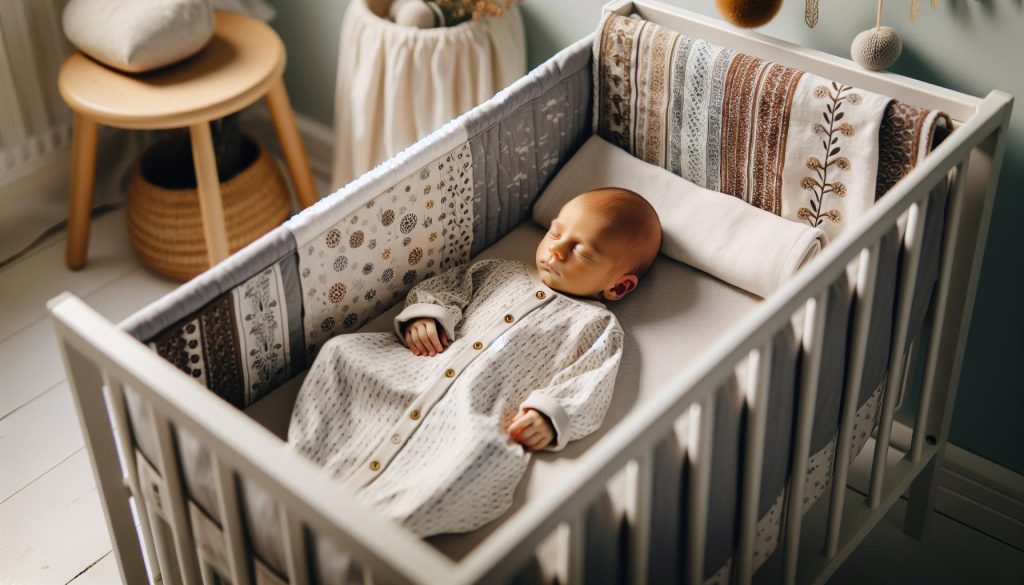
When it comes to ensuring a peaceful night’s sleep for your newborn, choosing the right sleepwear is essential. Did you know that comfortable and safe sleep clothing can significantly impact your baby’s sleep quality? As a parent, your top concern is likely your child’s comfort and safety during those crucial early months. With so many options available-from cozy footed pajamas to breathable sleep sacks-the decision can feel overwhelming. This guide will walk you through the best choices for newborn sleepwear, taking into account seasonal variations and fabric types to help you create a snug, secure sleep environment for your little one. Join us as we explore how to choose outfits that not only keep your baby cozy but also promote restful sleep, giving you peace of mind during those sleepless nights.
Choosing the Right Sleepwear Fabric for Newborns
When it comes to ensuring that your newborn sleeps soundly, the choice of fabric for sleepwear is paramount. The right material can help regulate your baby’s temperature, shield their delicate skin, and enhance their overall comfort during sleep. Given how sensitive a newborn’s skin can be, opting for soft, breathable fabrics that are hypoallergenic is essential. Fabrics such as 100% cotton are highly recommended due to their natural breathability and softness, making them ideal for restless infants. Additionally, breathable materials prevent overheating, which can be a concern during those first few months of life.
Another great option is organic cotton, which not only offers the same softness and breathability but is also free from harmful chemicals that could irritate your baby’s skin. Look for sleepwear labeled as GOTS-certified or OEKO-TEX, ensuring that the textiles are truly organic and tested for toxins. Fabrics like bamboo and modal are also gaining popularity; they are moisture-wicking and thermal-regulating, providing a cozy environment for your little one, regardless of the season.
In contrast, it’s best to avoid synthetic fibers, such as polyester and nylon, especially if your baby has exhibited sensitivities or allergies to certain materials. These fabrics may trap heat and moisture, leading to discomfort and a disrupted sleep cycle. Also, using sleepwear that has added elements like zippers or buttons should be approached with caution, as they can sometimes lead to skin irritation. Opt for designs with smooth seams and minimal embellishments to ensure maximum comfort. Overall, the right fabric choice not only contributes to a cozy sleeping experience but also promotes the health and well-being of your newborn.
Essential Features of Cozy Sleepwear for Babies
When selecting sleepwear for your baby, comfort and safety take precedence. Cozy sleepwear should embrace your little one without being restrictive, allowing for natural movement during sleep. Look for features that ensure a snug fit while maintaining breathability and softness against your newborn’s sensitive skin.
Soft, Breathable Materials
The fabric plays a crucial role in your baby’s comfort. Opt for sleepwear made from natural fabrics such as organic cotton, bamboo, or modal. These materials are not only soft but also breathable, helping to prevent overheating. Your choice should be free of harmful chemicals, ensuring it’s gentle on delicate skin. Always check for certifications like GOTS or OEKO-TEX that guarantee the absence of toxic substances.
Design Elements for Safety and Comfort
In terms of design, simplicity is key. Look for sleepwear that has no small buttons or loose embellishments that could pose a choking hazard. Instead, choose designs with smooth seams and tags placed safely away from sensitive areas. Sleep sacks or one-piece zippers are excellent options, as they offer the warmth of traditional blankets while reducing the risks associated with loose bedding. Make sure that the sleepwear fits well; it should neither be too tight nor too loose to ensure comfort throughout the night.
Adjustable Features
Another essential feature is adjustability. Many brands offer sleepwear with snaps or adjustable straps to accommodate your growing baby. This makes it easier to ensure a snug fit without sacrificing comfort. It’s also wise to consider the season; thinner fabrics work well for warmer months, while thicker materials help keep your newborn cozy in colder weather.
Choosing cozy sleepwear for your baby isn’t just about keeping them warm-it’s about creating a safe, nurturing sleep environment. Prioritizing the right features will not only enhance their comfort but also promote a restful night’s sleep, allowing them to grow and thrive.
Safety Guidelines for Newborn Sleepwear

When it comes to newborn sleepwear, safety is of paramount importance. Babies are incredibly vulnerable during their early months, and the way they are dressed for sleep plays a critical role in ensuring their well-being. As parents, understanding and adhering to safety guidelines can provide peace of mind, allowing both you and your little one to enjoy a restful night.
Opt for sleepwear that adheres to safety standards to minimize risks. Always choose flame-resistant materials or those that meet safety regulations set forth by organizations such as the Consumer Product Safety Commission (CPSC). It’s advisable to avoid loose-fitting garments that can pose a suffocation hazard, as well as overly bulky sleepwear that could increase the risk of overheating. Instead, opt for snug-fitting options made of natural, breathable fabrics that help regulate body temperature, ensuring your baby stays comfortable throughout the night.
Another vital aspect to consider is the presence of sleep position. Always place your newborn to sleep on their back, which is the recommended position to reduce the risk of Sudden Infant Death Syndrome (SIDS). Ensure that the sleep environment is free from fluffy blankets, pillows, and stuffed animals that could obstruct your baby’s air supply. A sleep sack can provide warmth without the dangers of loose bedding, and it’s crucial to ensure that it fits well and is not too long, as this can become a safety hazard.
Lastly, regularly check the care labels on your newborn’s sleepwear. Fabrics that require harsh chemicals for cleaning or have questionable origins can irritate sensitive skin. Always wash new sleepwear before use, utilizing gentle detergents that are free from dyes and fragrances. Regular washing also helps ensure that the clothing remains free from any potential hazards, further safeguarding your precious little one. Prioritizing these safety guidelines will not only enhance your baby’s sleep experience but also give you the confidence needed to create a secure sleeping environment.
How to Dress Your Newborn for Seasonal Comfort
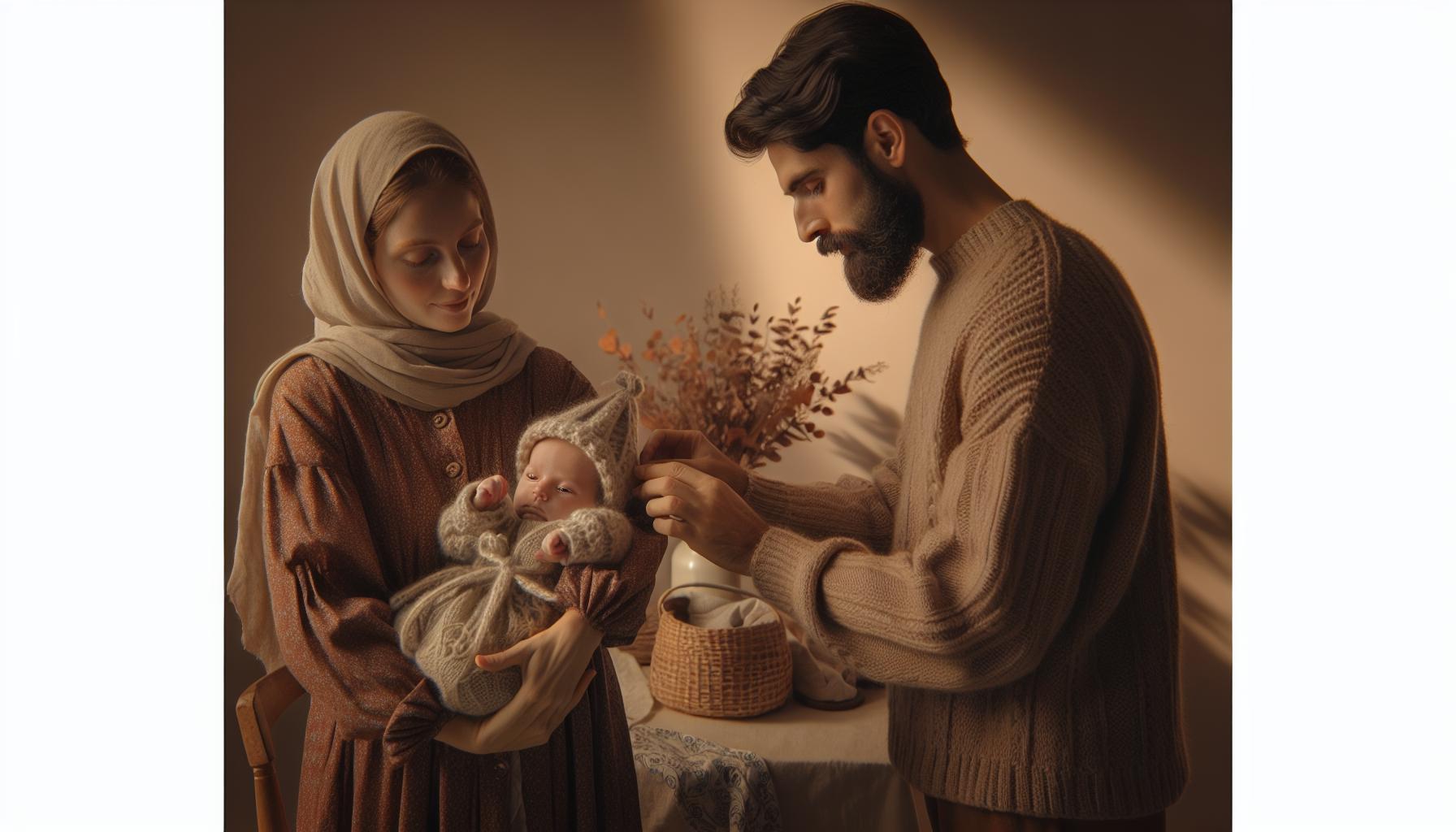
Dressing your newborn for seasonal comfort involves a blend of mindfulness and practicality, ensuring they remain cozy without the risk of overheating or getting too cold. Each season brings its own set of challenges in maintaining your baby’s optimal comfort levels. In cooler months, it’s essential to layer effectively. Begin with a snug base layer, such as a soft onesie crafted from breathable fabric. Consider materials like organic cotton, which regulate temperature while feeling gentle against their delicate skin. Over this, you can add a lightweight sleep sack or a cozy sleep gown that protects them without adding bulk that could interfere with their movement or safety.
As temperatures rise, the approach shifts to lighter fabrics. Choosing sleepwear made from moisture-wicking materials helps keep your baby dry and comfortable. For summer, opt for short-sleeved footie pajamas or a simple, breathable sleep shirt paired with lightweight bottoms, avoiding any heavy garments. It’s beneficial to monitor the room temperature and use a fan or air conditioning if needed to maintain a comfortable environment, ideally between 68°F and 72°F (20°C to 22°C).
In addition to considering the temperature, keep in mind that babies can sometimes be sensitive to drafts. When dressing them for transitional seasons like spring and fall, think about incorporating layers that can be added or removed easily. A lightweight cotton blanket or a soft muslin wrap can serve as a perfect additional layer that can be tucked around them during chillier evenings. Finally, always pay attention to signs that your baby may be too hot or cold, such as sweating or cold hands, to adjust their sleepwear accordingly and ensure a peaceful night’s rest.
Top Sleepwear Styles for Newborns: A Comprehensive Overview

When it comes to ensuring a peaceful night’s sleep for your newborn, the style of sleepwear you choose can make all the difference. Not only does it contribute to their comfort, but it also helps set a calming bedtime routine. There are several styles of sleepwear designed specifically for the needs of newborns, each offering different benefits for both baby and caregiver.
Onesies
Onesies are a classic choice for newborn sleepwear. They come in various styles, including short-sleeved, long-sleeved, and footed options. The snug fit of a onesie keeps the baby warm while preventing the fabric from riding up during sleep. Look for those made from soft, breathable materials like organic cotton, which is gentle on sensitive skin. Footed onesies are especially popular during winter months, providing complete coverage to keep tiny toes warm.
Sleep Sacks
For parents seeking a safer alternative to blankets, sleep sacks provide a cozy option. These wearable blankets come in varying weights suitable for different temperatures, allowing for layering. They come with zippers or snaps for easy diaper changes, making nighttime wakings less stressful for caregivers. Additionally, sleep sacks prevent the risk of accidental suffocation commonly associated with loose bedding.
Gowns and Wraps
Sleep gowns are another fantastic choice, particularly for newborns due to their easy dressing features. Designed with elastic at the bottom, they allow for quick diaper changes while keeping your baby’s upper body covered. Soft cotton or knit fabrics ensure comfort without bulk. Muslin wraps also serve a dual purpose of being both a swaddle for security and a light layer for warmth, ideal for transitional seasons.
Footed Pajamas
When temperatures dip, footed pajamas are a favorite among many parents. They provide an all-in-one solution that keeps babies comfortably warm from head to toe. Available in fun prints and colors, these pajamas often have zippers or snaps for convenience. Many come with nonslip soles, which are a bonus as your little one begins to explore their environment during the early crawling stages.
With a wide array of styles to choose from, selecting the right sleepwear for your newborn can become an enjoyable experience rather than a daunting task. Prioritize comfort, safety, and practicality while also embracing cute designs that reflect your family’s style. Always remember to check the fabric and fit to ensure your baby sleeps soundly throughout the night.
Layering Techniques for Newborn Sleepwear
Layering your newborn’s sleepwear can be an effective way to ensure they remain comfortable throughout the night, no matter the temperature changes. Contrary to what you might think, creating a cozy sleep environment for your little one doesn’t have to be complicated. Understanding how to layer effectively can ease your worries about keeping your baby warm and snug without overheating.
Start with a comfortable, breathable base layer. A soft onesie is often an ideal choice, as it fits snugly against the skin and can wick away moisture. Depending on the season, consider adding a lightweight long-sleeved bodysuit underneath the onesie or a light sleep sack for extra warmth without bulk. For chilly nights, a thicker sleep sack or a transitional sleep suit can be layered over the onesie, providing added insulation while allowing for easy movement.
When it comes to layering, think of it as a flexible system. Use the following tips to keep your baby cozy and safe during sleep:
- Temperature Check: Always monitor the room temperature. Aim for a comfortable range of 68-72°F (20-22°C) and adjust layers accordingly.
- Material Matters: Choose natural fabrics like cotton or bamboo that breathe well and are gentle on skin. Avoid synthetic fabrics that can trap heat.
- Easy Access: Opt for sleepwear with zippers or snaps, making those late-night diaper changes less of a hassle.
- Flexibility: Be ready to adapt the layers. If your baby feels warm when you check them, consider removing a layer to prevent overheating.
By mastering the art of layering, you can create a secure and inviting sleep environment for your newborn, fostering better sleep for both of you. Each night can be a new opportunity to discover the perfect combination that suits your baby’s specific needs, making bedtime routines both calming and efficient.
Tips for Ensuring a Safe Sleep Environment
Creating a secure and comforting sleep environment for your newborn is essential for promoting restful nights and safe slumber. With the right strategies in place, you can ensure that your little one is not only cozy but also safeguarded against common sleep-related dangers. A few fundamental guidelines can make a world of difference in achieving a peaceful sleep setting.
To start, consider the layout of your baby’s sleeping space. Place the crib or bassinet in a position that avoids direct sunlight and drafts, ensuring the area remains at a comfortable temperature. It’s crucial to maintain a room temperature between 68-72°F (20-22°C), as this comfort zone helps minimize the risk of overheating. An easy way to regulate heat is by using a room thermometer. Avoid overcrowding the crib with toys, blankets, or bumpers; keeping the sleeping area clear of unnecessary items allows for safer sleep and prevents any accidental suffocation or entrapment.
Choosing Safe Sleepwear
Selecting the right sleepwear is a key aspect of ensuring a safe sleeping environment. Opt for breathable fabrics like cotton or bamboo, which help regulate your baby’s body temperature and wick moisture away from the skin. Sleepwear should fit snugly but comfortably, avoiding excessive bagginess that could pose a risk. When dressing your newborn, remember to steer clear of garments with strings, ties, or loose fabrics, which can present safety hazards. Instead, forward-thinking designs like sleep sacks or zip-up onesies are excellent choices, providing warmth without risk.
Establishing Bedtime Routines
A consistent bedtime routine can enhance your baby’s comfort and sense of security. Create calming pre-sleep activities, such as gentle rocking or singing, which signal to your newborn that it’s time to wind down. Dim the lights and play softly calming sounds to further foster a soothing atmosphere. These simple measures not only build a sense of safety but also help your baby associate sleep with relaxation and rest, setting the stage for successful sleep habits well into the future.
Remember, establishing a safe sleep environment is an empowering step that fosters your little one’s well-being and peace of mind. By attending to specifics such as temperature control, safe sleepwear choices, and bedtime routines, you’re crafting a nurturing sleep sanctuary that will promote better sleep patterns for your newborn. Your thoughtful attention to these details reflects your commitment to providing a safe and loving environment, ensuring your baby sleeps soundly through the night.
Common Mistakes to Avoid When Dressing Newborns for Sleep
Choosing the right sleepwear for your newborn is fundamental for ensuring they are both comfortable and safe during their sleep. However, many parents make some common mistakes that can hinder their little one’s sleep or, worse, pose safety risks. Recognizing and avoiding these pitfalls can help you create a more restful and secure sleep environment.
One of the most frequent errors is dressing newborns in overly bulky or loose sleepwear. While it might seem comforting to swaddle your baby in thick fabrics or multiple layers, this can increase the risk of overheating. Instead, opt for sleepwear that is close-fitting but not constricting. Choose lightweight, breathable fabrics such as cotton or bamboo that allow for proper air circulation and help maintain a comfortable body temperature.
Another mistake is overlooking safety features in sleepwear. Garments with drawstrings, decorations, or loose ties can pose serious choking hazards. When selecting sleepwear, prioritize designs without these elements. Consider using sleep sacks or zip-up onesies that cover the baby entirely while eliminating those dangerous features. These choices not only enhance safety but also simplify diaper changes during the night.
Finally, many parents neglect to check the fit of the sleepwear. Clothing that is too baggy can increase the risk of suffocation or entrapment, while items that are too tight can be uncomfortable. A snug fit-just right for a baby’s body-is essential. Regularly assess the sizing of your newborn’s sleepwear to ensure they have room to move without being swamped by excess fabric. This attention to detail in fit and fabric will not only support your baby’s comfort but will contribute greatly to their overall safety during sleep.
Best Brands for Reliable Newborn Sleepwear
When it comes to selecting sleepwear for your newborn, choosing the right brands can make all the difference in comfort and safety. Several brands consistently produce high-quality sleepwear that meets the essential criteria for both practicality and style. Not only do these brands prioritize the use of soft, breathable materials, but they also focus on safety features, ensuring you can rest easy knowing your little one is cozy and secure.
1. Kyte Baby – Known for its ultra-soft bamboo fabric, Kyte Baby offers a range of sleep sacks and pajamas that are lightweight and breathable. Their products are designed with the baby’s comfort in mind, featuring gentle elastic bands and no harmful tags. Parents appreciate the wide selection of colors and patterns, making it easy to find something that suits their style without compromising on safety.
2. Burt’s Bees Baby – This brand is celebrated for its organic cotton sleepwear that is as gentle on your baby’s skin as it is on the environment. Burt’s Bees Baby offers a variety of sleepwear options, including footed sleepers and gowns. Their commitment to using non-toxic, sustainable materials provides peace of mind to eco-conscious parents looking for quality sleepwear.
3. HALO Sleep Sack – Specializing in sleep sacs, HALO is a go-to for many parents wanting to ensure their baby sleeps safely. These sleep sacks eliminate the need for loose blankets, reducing the risk of suffocation. They’re available in various materials, including cotton and fleece, catering to different temperature needs. The sack’s unique design allows for a snug fit while keeping your baby secure and comfortable.
4. Aden + Anais
– Renowned for their breathable muslin fabrics, Aden + Anais produces sleepwear that feels soft against a baby’s delicate skin. Their designs often incorporate imaginative prints, allowing you to dress your newborn in style. Their sleep bags and swaddles are particularly popular for their versatility and ease of use, ensuring a serene sleep environment.
5. Little Sleepies
– This brand offers a delightful range of bamboo sleepwear that grows with your child, thanks to thoughtful design features like adjustable sizes. Little Sleepies are hypoallergenic, which is perfect for sensitive skin. They also come in a variety of fun patterns, making bedtime fun and fashionable.
Exploring these brands can lead you to perfect sleepwear solutions for your newborn. By prioritizing quality and safety, you not only enhance your child’s comfort but also create a peaceful sleeping environment, allowing everyone in the household to recharge for the day ahead.
How to Care for Newborn Sleepwear to Maintain Comfort
When caring for your newborn’s sleepwear, the goal is to maintain comfort, safety, and longevity in these delicate fabrics. Proper care not only keeps the sleepwear soft and cozy for your baby but also ensures that any harmful chemicals are minimized. One key tip for new parents to remember is that the fabric quality can diminish over time without the right washing practices, leading to irritation for your little one.
To begin, always check care labels on the sleepwear for specific instructions, as different materials may require different washing techniques. For most fabrics, such as organic cotton or bamboo, washing in cold water is recommended, as it helps preserve the texture and colors. Here are some essential washing tips:
- Use a gentle detergent: Opt for a baby-friendly detergent free from harsh chemicals, fragrances, and dyes. This helps to prevent skin irritations and allergies.
- Avoid fabric softeners: These can leave residues on the fabric that might irritate your baby’s sensitive skin.
- Wash separately: Keep your newborn’s sleepwear separate from other laundry, especially items with zippers or rough textures that could snag the delicate fabrics.
- Air dry when possible: If you can, air drying is gentler compared to machine drying. If using a dryer, opt for a low heat setting to avoid shrinkage and maintain softness.
Inspect the sleepwear regularly for any signs of wear and tear, such as loose threads or fading colors. If you notice any damage, it’s best to retire the item to prevent any risk to your baby’s safety during sleep. Additionally, consider rotating several pieces of sleepwear to ensure each one gets a proper cleaning and rest period, which helps maintain its integrity.
By following these care guidelines, you can ensure that your newborn’s sleepwear remains a cozy haven, promoting peaceful sleep and comfort throughout the night. Keeping these items in top condition supports your baby’s well-being while also alleviating any worry about potential irritants or discomfort.
Importance of Sleepwear Fit and Adjustability
Newborns grow rapidly, and ensuring that sleepwear fits well and is adjustable is crucial for both comfort and safety. A snug fit can prevent fabric from bunching, which can lead to potential hazards during sleep. However, it’s essential that the clothing isn’t overly tight. Material that allows for a bit of stretch, like jersey knit or soft cotton, can be an excellent choice. This way, the outfit can accommodate your baby’s movements while still providing a secure feeling-they’ll be less likely to wake up startled by loose or baggy fabric.
Adjustability Options
When selecting sleepwear, look for adjustable features such as snaps, zippers, or elastic bands. Sleep sacks and wearable blankets often come with zippers that allow parents to dress their babies quickly without the struggle of traditional pajamas. For footed pajamas, consider those that have a two-way zipper, making nighttime changes convenient without fully undressing your little one.
When shopping, also pay attention to various sizes that accommodate growth spurts. Brands often provide options like adjustable cuffs or grow-with-me styles that can be extended. These designs not only make the sleepwear last longer but also ensure that the fit remains comfortable during various sleep stages. A good rule of thumb is to have a couple of sizes on hand, as your newborn will experience significant growth in the first few months of life.
Finding the Right Balance
A properly fitted sleepwear maintains a balance between snugness and comfort, and checking the care instructions can help maintain that fit. For example, washing in cold water can help prevent shrinkage, ensuring that the sleepwear stays true to size. Consider rotating multiple pieces, as this lets you switch out items while they’re being washed, providing your newborn with a fresh, cozy option every night.
Ultimately, investing time in selecting sleepwear that fits well and offers adjustability is beneficial not only for comfort but for achieving peaceful, uninterrupted sleep. Prioritizing these aspects will foster a safe and comforting sleeping environment for your newborn, allowing both baby and parents to enjoy restful nights.
FAQ
Q: What type of pajamas are best for a newborn?
A: Soft, breathable cotton pajamas are ideal for newborns as they provide comfort and regulate temperature. Look for options with feet, cuffs, or mittens to keep them cozy while preventing scratching, and ensure they have a snug fit without being too tight.
Q: Should newborns wear sleep sacks or traditional pajamas?
A: Sleep sacks can be a safer alternative to traditional pajamas as they reduce the risk of suffocation and keep babies warm without loose blankets. Choose a sleep sack that fits properly to ensure it’s snug around the arms and loose around the body.
Q: How warm should my newborn be while sleeping?
A: A newborn should be comfortable, feeling warm but not hot. The room temperature should be between 68°F to 72°F (20°C to 22°C). Dress them in one layer more than you would wear comfortably to sleep, ensuring they do not overheat.
Q: Can newborns wear onesies to sleep?
A: Yes, short or long-sleeve onesies are great for sleeping, especially when made from soft, breathable fabric. Ensure they fit well and are free from any decoration that could pose a choking hazard, while also allowing easy diaper changes.
Q: When can I stop swaddling my newborn at night?
A: Swaddling can be safely discontinued when your newborn starts to show signs of rolling over, usually around 2 to 3 months old. Transitioning to sleepwear like sleep sacks is recommended for continued warmth and safety.
Q: How do I know if my newborn is too hot or too cold?
A: Signs of discomfort include fussiness and restless sleep. Check the back of their neck or stomach to assess their temperature; it should feel warm but not sweaty. Adjust their clothing accordingly to keep them comfortable.
Q: Are there specific materials to avoid in newborn sleepwear?
A: Avoid sleepwear made from synthetic fabrics, such as polyester, that can cause sweating or irritate sensitive skin. Stiff materials or those with too many seams can also be uncomfortable. Opt for soft, natural fibers instead.
Q: How can I ensure my newborn’s sleepwear stays comfortable overnight?
A: Choose garments with adjustable features, such as snaps or elastic bands, for a snug fit that accommodates growth. Regularly check for wear and tear, and make sure the fabric remains soft after washing to maintain comfort.
The Conclusion
As you prepare for your newborn’s restful nights, remember that cozy and safe sleepwear is essential for their comfort and peace of mind. Choosing the right sleep attire can vastly improve your baby’s sleep quality while giving you the assurance you need as a parent. Explore our comprehensive guides on baby pajamas and safe sleep recommendations to ensure you make informed choices for your little one.
Don’t wait-check out our article on selecting the best fabrics for newborns to further enhance your baby’s nighttime comfort. Additionally, if you want to stay updated on the latest trends and tips for newborn care, consider signing up for our newsletter. Your journey into parenting can be rewarding, and we’re here to support you every step of the way. Share your thoughts and questions in the comments below; we love hearing from our readers and building a community of caring parents.