Choosing what to wear to a funeral can feel daunting, especially when emotions run high and the atmosphere is somber. Understanding the significance of appropriate attire not only shows respect for the deceased and their family, but it also helps you feel more confident during a challenging time. In this guide, we will explore practical, respectful style options that honor the occasion while reflecting your personal sense of style. From color choices to fabric selections, we’ll provide you with the insights you need to navigate funeral attire with ease, ensuring you can focus on supporting your loved ones. Whether you’re attending a service in a church or an outdoor gathering, our advice will guide you through suitable outfits that blend comfort with decorum. Join us as we simplify this often-overlooked aspect of mourning, empowering you to make thoughtful fashion choices that uphold the dignity of the moment.
What to Consider When Choosing Funeral Attire
Choosing appropriate attire for a funeral can feel overwhelming, especially when emotions are running high. Feel assured that the focus should be on honoring the deceased and showing support to the grieving family rather than stressing over outfit choices. When selecting your funeral attire, consider the location, the family’s preferences, and your personal comfort. A good rule of thumb is to aim for modest and respectful clothing that conveys empathy and respect.
Key Considerations
Begin by reflecting on the formality of the service. Is it a traditional church service, or perhaps a more casual gathering at a community center? This can guide your choice between more formal outfits like suits and dresses or simpler attire like dressy slacks and blouses. Personal comfort is also paramount; choose fabrics and fits that allow you to sit and stand comfortably, as you may be in attendance for several hours.
Also, consider layering if the weather is unpredictable. A lightweight blazer or cardigan can add polish to your look and provide warmth if needed. Accessories should be kept minimal and tasteful-think classic watches or understated jewelry. Finally, do not forget about your footwear; opt for closed-toe shoes in muted colors that are easy to walk in, especially for outdoor services.
The aim here is not just to adhere to a dress code but to present yourself in a manner that denotes respect and compassion, allowing you to focus on supporting the loved ones in their time of need. In this way, your outfit becomes a reflection of your care rather than a source of distraction or discomfort.
Essential Color Choices for Funeral Attire
Choosing the right colors for funeral attire is key to ensuring your outfit conveys the respect and empathy that the occasion warrants. Traditionally, darker shades are favored as they reflect a somber tone appropriate for mourning. While black is the classic choice, exploring other muted hues can provide subtle variety while still adhering to the spirit of the event. Colors like deep navy, charcoal gray, and even rich shades of burgundy or forest green can be appropriate, depending on the family’s preferences and the specific atmosphere of the service.
When selecting your outfit, consider the emotional context of the gathering-what feels respectful while also allowing you to express your personal style? Think about incorporating textures or layering techniques in these colors to create visual interest without drawing too much attention. A navy blouse paired with gray dress pants or a charcoal dress adorned with understated details serves as a stylish yet respectful ensemble. Avoid bright colors or overly vibrant patterns, as these can detract from the solemnity of the occasion.
Additionally, it’s important to remember that cultural sensitivities may influence color appropriateness. Some cultures have specific traditions regarding color during mourning, so a brief check-in with the grieving family or an understanding of customs can guide your choice. Ultimately, wearing colors that reflect respect, combined with your personal style, can enhance your comfort level and help you focus on honoring the deceased and supporting their loved ones during this difficult time.
Appropriate Fabrics for Funeral Clothing
When attending a funeral, the choice of fabric can greatly influence both the comfort level and appropriateness of your outfit. Selecting the right materials not only reflects a sense of respect toward the occasion but also helps you feel composed and dignified during a potentially emotional day. Opting for classic fabrics can instill a sense of calm, allowing you to focus on honoring the deceased and supporting their loved ones without the distraction of uncomfortable clothing.
Fabric Choices to Consider
For funeral attire, natural fabrics like cotton, linen, wool, and silk are excellent choices. These materials offer breathability and comfort, essential for long periods of sitting and standing. For instance, a soft cotton blouse paired with tailored trousers provides both style and comfort, while a woolen blazer can add warmth during cooler months. Silk or satin can bring a touch of elegance, perfect for dresses or blouses, but ensure they are in subdued colors to maintain the solemnity of the occasion.
Seasonal Fabric Adaptations
Choosing fabric can also be influenced by the season. In warmer months, lightweight fabrics like cotton and linen keep you cool while still looking polished. A knee-length linen dress can be a tasteful choice, paired with closed-toe flats or low heels. Conversely, in colder months, layering is vital. Opt for heavier fabrics like wool or knit blends for sweaters or coats, ensuring they are tailored and monochromatic to preserve a respectful look. A simple wool coat over a dark dress can project both warmth and sophistication.
What to Avoid
It’s wise to steer clear of flashy materials such as sequins, polyester blends, or anything overly casual like denim or jersey. These fabrics tend to focus attention on the clothing rather than the occasion, which can feel disrespectful. Also, avoid anything that might be too clingy or revealing; loose-fitting garments typically convey a more respectful tone.
With these fabric choices in mind, you can confidently select your funeral attire, ensuring it aligns with the event’s solemn nature while also encapsulating your personal style. Prioritizing comfort and respect will allow you to focus on the important moments of remembrance and support during this sensitive time.
Dress Code Guidelines for Different Funerals
When you receive an invitation for a funeral, the dress code may not always be explicitly stated, but it is essential to gauge the family’s preferences and the nature of the service. Funerals can vary significantly in terms of tradition and cultural expression, making it crucial to select your attire thoughtfully to show respect. Understanding these informal guidelines can eliminate stress and help you feel confident in your choices.
For traditional funerals, especially in Western cultures, darker colors such as black, navy, or charcoal are typically expected. This somber palette reflects the seriousness of the occasion. Opt for classic styles, such as a simple black dress or tailored pants paired with a muted blouse. If you’re unsure about the formal nature of the event, consider a more polished look, such as a midi dress or a dressy pantsuit. Avoid anything overly casual, such as shorts or colorful prints, which might come off as disrespectful.
For memorial services that embrace a more celebratory atmosphere, the dress code may be more relaxed. In these cases, wearing softer tones or even floral patterns can be appropriate, as long as they are not flashy. A pastel dress with a cardigan can strike a beautiful balance between honoring the deceased and embracing their life. If the family has requested specific attire, such as sports jerseys for a beloved fan, make sure to adhere to that guidance to show your support.
If the funeral involves a religious service, familiarize yourself with the customs and expectations of that faith. For example, attending a Catholic mass might require more formal attire, while a gathering in a home for a wake allows for more casual clothing. Always err on the side of caution by dressing more formally if you are unsure.
In summary, consider the specific circumstances surrounding the funeral, including the family’s wishes, cultural background, and venue. This sensitivity is key when selecting your outfit, allowing you to show respect while also feeling comfortable in what you wear. When in doubt, choose simplicity, modesty, and a touch of elegance; these elements will serve you well no matter the situation.
Men’s Outfit Ideas for a Funeral
When attending a funeral, choosing the right outfit can feel daunting, but with a few thoughtful considerations, it can become a straightforward task. For men, the key is to select attire that conveys respect, solemnity, and compassion for the occasion. Traditional choices often center around dark, subdued colors like black, navy, or charcoal, which are not only respectful but also versatile enough to fit various family preferences and service types.
Key Outfit Components
To create a polished and respectful appearance, consider the following outfit ideas:
- Suit: A well-fitted dark suit is a staple for funerals. Opt for a classic cut, and if possible, choose a suit made from a fabric that allows for comfort throughout the day.
- Shirt: A crisp white or light-colored dress shirt pairs well with a dark suit. Ensure that the shirt is ironed and fits well for a clean look.
- Tie: While not mandatory, wearing a tie can elevate your attire. Choose a dark, understated tie that harmonizes with your suit-solid colors or subtle patterns work best.
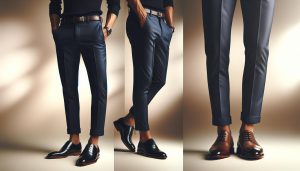
- Shoes: Select polished dress shoes in black or dark brown. Avoid any flashy designs; simplicity and cleanliness are paramount.
Considerations for Accessories
Accessorizing should always remain low-key. A classic watch can add a touch of elegance, but steer clear of overly bright or loud accessories. If you wear a jacket, consider a subtle pocket square for a refined touch-again, ensure that it complements rather than distracts from your overall look.
Seasonal and Cultural Sensitivities
Be mindful of seasonal variations as well. In colder months, layering becomes crucial. Opt for a tailored overcoat or a simple scarf that aligns with your outfit without overshadowing the somber nature of the day. In warmer weather, breathable fabrics are essential to maintain comfort while still adhering to a respectful aesthetic. Lastly, always consider any cultural or religious customs relevant to the funeral you are attending, as this may influence your outfit choices.
By keeping these key outfit components and adjustments in mind, you can present yourself respectfully at a funeral, honoring the occasion and the life being remembered.
Women’s Outfit Ideas for a Funeral
When attending a funeral, choosing the right outfit can be both a vital gesture of respect and a unique opportunity for personal expression within the bounds of tradition. Women have a variety of options that can be both stylish and appropriate, while still conveying the solemnity of the occasion. Dark colors remain the standard, but incorporating thoughtful details can help you feel more comfortable and confident as you honor a loved one.
A classic choice for funeral attire is a simple black dress. Opt for styles that fall at or below the knee, which not only maintains a respectful tone but can also flatter different body types. Alternatively, a tailored black pantsuit or a dark skirt paired with a blouse works beautifully, balancing style with tradition. Look for fabrics like wool or crepe that provide structure and comfort throughout the day. When layering, a dark cardigan or fitted blazer can help present a polished look while also adapting to varying temperatures.
In terms of accessories, simplicity is key. Consider a pair of understated earrings and a classic watch, steering clear of overly bright or ostentatious pieces. Footwear should also be practical; closed-toe shoes in black or a dark hue complement most outfits. If you want to add a pop of elegance, a muted scarf can provide warmth and style without drawing attention away from the overall outfit. During warmer months, light fabrics in dark shades will keep you cool while adhering to the somber nature of the event.
Lastly, don’t forget about cultural sensitivities and the specific style preferences of the deceased’s family. This not only shows your respect but also helps you connect with the grieving family. Remember, feeling good in what you wear can help ease the emotional weight of the occasion, allowing you to fully participate in honoring the memory of the person who has passed. Dress thoughtfully, and let your attire reflect the importance of the moment.
Accessorizing Your Funeral Attire
Choosing the right accessories for a funeral outfit can be just as essential as selecting the clothing itself. Accessories often serve as the finishing touches that can elevate your attire while maintaining the respectful tone necessary for such somber occasions. Aim for understated elegance that complements your outfit without overshadowing it. Remember that the goal is to honor the memory of a loved one, and this intention can be reflected in the simplicity of your accessories.
Start with jewelry. A delicate pair of earrings or a subtle pendant can add a touch of grace without drawing too much attention. Consider pieces in muted metals, such as silver or gold, that blend seamlessly with darker colors. It’s best to avoid flashy or overly large items; instead, opt for classic styles that exude refinement. A simple wristwatch can also serve both functional and aesthetic purposes, ensuring you stay on time while looking polished.
Footwear is another crucial element to consider. Closed-toe shoes in black or dark hues are a safe and practical choice. Aim for comfort, as funerals can involve standing for long periods, walking in and out of venues, or navigating uneven grounds. Low heels or quality flats can provide both style and stability. If you want to add a bit of personality to your shoes, subtle details like a soft texture or minimal embellishments can do the trick without compromising the ensemble’s respectful nature.
Seasonal Accessories
Seasonal considerations can also play an important role in accessory choices. During winter months, adding a lightweight, dark-hued scarf not only keeps you warm but can also enhance your outfit’s overall appearance. A tailored coat in a classic silhouette can provide warmth without sacrificing style. In the warmer months, think about breathable fabrics for your accessories. A simple, dark-colored shawl can provide a layer of coverage and comfort, especially if the service is held outdoors or in an air-conditioned environment.
The key to accessorizing for a funeral is to ensure that every piece you choose contributes to a cohesive and respectful look. By selecting thoughtful accessories that complement your attire, you demonstrate both your personal style and your respect for the occasion. This ultimately allows you to feel confident and comfortable while paying tribute to someone dear. Always keep in mind that each detail, no matter how small, helps convey your care and support in a time of grief.
Seasonal Considerations for Funeral Clothing
When attending a funeral, understanding the seasonal context can greatly influence your wardrobe choices, ensuring you strike the right balance between comfort and respect. Each season brings unique weather conditions that can affect everything from fabric choice to layering techniques, and being mindful of these elements can help you feel both appropriate and secure during the ceremony.
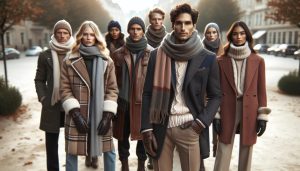
In winter, the chill can be a significant factor, so opt for outerwear that is not only warm but also aligns with the somber nature of the event. A classic dark overcoat can serve as both a stylish and practical choice. Don’t forget essentials like gloves and scarves, which can keep you warm without distracting from your overall appearance. Fabrics such as wool or cashmere offer both insulation and sophistication. Layering is key here; consider a dress or blouse beneath your coat, coupled with thick tights and closed-toe shoes to keep your feet warm yet discreet.
As the seasons shift into spring or fall, transitional pieces become crucial. Consider wearing a medium-weight dress or skirt paired with a fitted cardigan or blazer for warmth, and opt for ankle boots that provide both formality and comfort. Light scarves can also add a touch of elegance while serving a functional purpose, should the weather shift unexpectedly. Be mindful that colors can transition into deeper hues, reflecting the season while maintaining the respectful tone needed for a funeral.
During the warmer months, the focus should shift towards breathable, lighter fabrics such as cotton or linen, which can keep you cool during outdoor services. A modest, knee-length dress in a dark shade can be both flattering and respectful. Accessorizing with a simple shawl can provide a layer of coverage for air-conditioned interiors or if the service is held outdoors. As always, footwear should prioritize comfort; consider stylish flats or low-heeled shoes that balance elegance with practicality.
Ultimately, recognizing the seasonal elements allows you to curate a thoughtful wardrobe that honors the memory of the deceased while ensuring you remain comfortable and confident throughout the service. By keeping fabric choice, layering, and seasonal accessories in mind, you can navigate the occasion with grace and style.
Tips for Dressing Children for a Funeral
Dressing children for a funeral can be an emotionally charged decision, but choosing the right attire can help them feel respectful while also providing comfort during a difficult time. When selecting outfits for younger family members, remember that simplicity and appropriateness are key. Opt for clothing that adheres to traditional funeral etiquette while keeping the child’s comfort in mind. A thoughtful approach not only honors the occasion but can also provide children with a sense of dignity as they pay their respects.
When considering fabric and fit, keep in mind that children might not be accustomed to formal wear. Choose breathable fabrics that will allow them to move freely and don’t hesitate to select pieces that can be layered. For boys, a simple pair of dark slacks paired with a button-up shirt or a dressy polo can be both comfortable and respectful. Adding a lightweight blazer can elevate the look without compromising comfort. For girls, consider a knee-length dress or a skirt paired with a modest top. Avoid overly bright colors; instead, choose darker shades or muted tones that reflect the somberness of the occasion.
Here are some additional tips to ensure every detail captures the moment’s respect:
- Footwear: Comfortable shoes are essential. For boys, nice loafers or dress shoes work well, while girls might prefer ballet flats or low-heeled shoes to maintain comfort.
- Accessories: Minimal accessories are best. Perhaps a simple hair clip or a watch, keeping distractions to a minimum.
- Layering: Depending on the weather, a neutral cardigan or light jacket can provide warmth and style, ensuring they are prepared for changing temperatures.
It’s also vital to discuss the occasion with the child beforehand. Explain the significance of the event and why dressing appropriately matters, which can help them feel more connected to the experience. Ultimately, by selecting attire that is respectful yet comfortable, you provide children the opportunity to honor loved ones while feeling at ease in their clothing.
Cultural Sensitivities in Funeral Attire
Understanding cultural sensitivities surrounding funeral attire is essential for appropriately honoring the deceased and showing respect to mourning families. Different cultures have specific traditions and attire norms that reflect their values and beliefs. For instance, while wearing black is a common practice in many Western cultures, other cultures may prefer lighter colors, unique symbols, or traditional garments. Being mindful of these expectations can significantly impact how your gestures of respect are received.
When attending a funeral, it’s crucial to consider not just personal preferences but also the cultural background of the deceased and their family. You might find that certain communities may wear white in lieu of black, as seen in many Asian cultures, signifying purity and the cycle of life. Alternatively, Indigenous peoples might incorporate specific styles of dress that have deep spiritual significance. Always feel empowered to ask a family member or community leader about expected attire before the event, ensuring that your choices align with their customs.
Additionally, accessories and fabrics can also carry cultural importance. For example, some cultures may view head coverings as a sign of respect, while others might avoid excessive ornamentation to maintain an atmosphere of solemnity. Opting for modest, understated fabrics such as cotton, wool, or linen allows for comfort without drawing undue attention.
Feel confident in your choices by remembering that the essence of your attire should communicate empathy and honor rather than personal expression or fashion trends. By blending your awareness of cultural sensitivities with a thoughtful selection of attire, you can provide a supportive presence during a challenging time.
Common Outfit Mistakes to Avoid at Funerals
Choosing the right outfit for a funeral can feel overwhelming, especially when you want to balance respect for the occasion with your personal style. Many make common missteps that can distract from the solemnity of the event. Understanding these pitfalls will help you dress appropriately and honor the memory of the departed.
One significant mistake is opting for overly casual attire. While comfort is important, casual wear like jeans, t-shirts, or sneakers may come off as disrespectful. Instead, aim for smart casual or business casual outfits. A tailored dress, slacks with a nice blouse, or a dark, simple suit for men can strike the right chord. Additionally, it’s vital to avoid bright colors and flashy patterns that draw too much attention. Opt for muted tones, such as navy, grey, or deep green, which convey a sense of mourning without overshadowing the purpose of the gathering.
Another common error is neglecting the fit and cleanliness of your clothing. Loose or ill-fitting attire can seem sloppy, while wrinkled or stained items send a message of disinterest. Always ensure your clothing is clean and pressed, and consider the silhouette of your outfit. Well-fitted clothing not only enhances your appearance but also brings confidence in your look. Pairing a structured blazer with a simple dress, for instance, can create a polished, respectful look.
Lastly, it’s crucial to be mindful of accessories. While jewelry can be a beautiful complement, avoid anything that is overly ornate or noisy, like chunky necklaces or large earrings. Instead, choose understated pieces that enhance, rather than distract. A simple pair of stud earrings or a delicate bracelet are perfect choices. Remember, the goal is to express empathy and decorum, allowing the focus to remain on honoring the deceased.
Layering Techniques for Comfort and Style
Choosing the right layers for a funeral outfit is essential, not only for style but also for comfort. Funerals can often involve a range of temperatures, from chilly indoor environments to warm outdoor services. Proper layering can help you feel prepared for any circumstance while maintaining a dignified appearance.
Start with a solid foundation. A simple, lightweight base such as a fitted blouse or a turtleneck can work beautifully under a jacket or cardigan. Opt for colors like black, navy, or deep green, which are respectful yet provide flexibility when layering. A well-tailored blazer serves as both a stylish option and an additional layer against cooler air.
To maximize comfort, consider adding a soft cardigan or a wrap in a lighter fabric. This allows you to adjust your outfit easily throughout the day. A shawl or a pashmina can also be a versatile addition, providing both warmth and elegance. Remember, the key is to keep your overall look polished yet comfortable; avoid bulky layers that can overshadow your ensemble’s sophistication.
When it comes to footwear, layering also extends down to your shoes. Choose closed-toe shoes with a low heel to ensure comfort throughout the service. If you anticipate being outside or in uneven terrains, opt for a fashionable ankle boot. Accessories should be kept minimal and unobtrusive, such as a simple scarf or subtle necklace. These elements will pull your outfit together without detracting from its solemnity, allowing you to focus on supporting loved ones during a challenging time.
Q&A
Q: What colors are appropriate to wear to a funeral?
A: Wearing dark colors, such as black, navy, or deep gray, is generally considered appropriate for funerals as they convey respect and mourning. Avoid bright colors or bold patterns that might distract from the solemnity of the occasion.
Q: Are there specific fabrics recommended for funeral attire?
A: Yes, natural fabrics like wool, cotton, or silk are advisable as they add a sense of formality. Avoid overly casual fabrics like denim or athletic wear, as they can appear disrespectful in a funeral setting.
Q: How should I dress for a casual funeral?
A: At a casual funeral, while you can opt for less formal attire, it’s still important to keep it respectful. Choose darker, subdued colors and simple patterns. A nice pair of slacks and a collared shirt for men, or a modest dress or blouse with trousers for women, works well.
Q: Can I wear jewelry to a funeral?
A: Yes, you can wear jewelry to a funeral, but it should be minimal and understated. Simple pieces, such as stud earrings or a small pendant, are best. Avoid flashy or distracting accessories to maintain the focus on paying respect to the deceased.
Q: What is the best footwear for a funeral?
A: Opt for closed-toe shoes that are clean and polished. For men, dress shoes are ideal, while women should consider low-heeled shoes or flats. Avoid overly casual footwear like sneakers or sandals to maintain a respectful appearance.
Q: Is it appropriate to wear a hat to a funeral?
A: Wearing a hat to a funeral can be acceptable in certain cultures or during outdoor services, especially for women. However, ensure it is understated and does not obstruct others’ views during the ceremony.
Q: Are there cultural considerations when choosing funeral attire?
A: Yes, cultural sensitivities play a crucial role in selecting funeral attire. Research the deceased’s cultural background, as some cultures have specific dress codes, such as white clothing in certain Asian cultures. It’s essential to respect these traditions.
Q: What should children wear to a funeral?
A: Children attending a funeral should wear respectful clothing that is clean and neat. Choose dark or muted colors and avoid overly casual items. A simple dress or collared shirt with slacks is typically appropriate, ensuring comfort for the child to remain respectful throughout the event.
Wrapping Up
As you prepare to pay your respects, remember that thoughtful attire can convey your support and sensitivity during this difficult time. Opt for classic options that emphasize respect and modesty, ensuring you blend compassion with style. For additional insights, explore our detailed guides on what to wear for various occasions, including wedding attire and job interviews.
Before you go, don’t miss our tips on pairing accessories for a polished look or seasonal considerations that can inform your outfit choice. Join our newsletter for more fashion advice and support resources tailored to your lifestyle. Your choices matter, and we’re here to help you navigate every occasion with confidence. Share your thoughts or questions in the comments below-your engagement helps build a community that supports each other during every moment of life’s journey.