Choosing the right outfit for a job interview can significantly impact your chances of making a great impression. Studies show that a well-chosen ensemble not only boosts your confidence but also influences how employers perceive you. In this guide, we’ll explore practical fashion tips tailored for men, ensuring your clothing reflects professionalism and personality. Whether you’re stepping into a casual startup or a more traditional corporate environment, understanding the nuances of dress code can turn outfit anxiety into sartorial success. Continue reading to uncover key strategies for selecting the ideal interview attire that helps you land the job you desire.
Choosing the Right Interview Outfit for Men
Choosing the right outfit for a job interview can significantly influence your confidence and the first impression you create. In today’s competitive job market, understanding how to present yourself appropriately is essential. The key is to strike a balance between professionalism and personal style. Aim for a polished look that aligns with both the industry standards and the company culture to ensure you make a memorable impression.
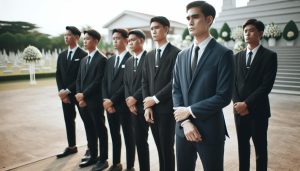
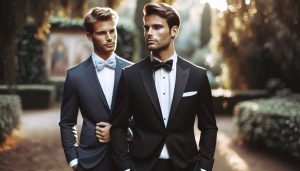
To begin with, consider the basic elements of your outfit. A well-fitted suit in classic colors such as black, navy, or gray can set the right tone. Pair it with a crisp, long-sleeved dress shirt in neutral shades like white or light blue, which exudes professionalism and allows for versatile styling. Additionally, incorporating a tie can enhance the formal aspect of your look, but be mindful of the company’s dress code-some industries or offices may lean towards a more casual approach.
When selecting your clothing, pay attention to the materials and fit. Opt for breathable fabrics that ensure comfort and a tailored fit that allows for easy movement. Wrinkle-free materials can help maintain a sharp appearance throughout the day. If you’re dressing for a tech startup or creative field, you might choose to introduce a unique blazer or colored shirt to showcase your personality while remaining appropriate. Always finish your look with polished shoes that complement your attire, selecting styles that reflect the setting of your interview, whether that’s classic leather oxfords or smart loafers.
Ultimately, the goal is to feel confident in what you wear. When you are comfortable and self-assured in your outfit, it translates into your demeanor during the interview. Remember, every detail counts, from your grooming to the choice of accessories. Keep it simple and not overly distracting. With the right outfit that reflects your best self, you’ll be well on your way to leaving a lasting impression.
Understanding Interview Dress Codes and Expectations
Understanding the nuances of interview dress codes is essential for making a strong first impression and conveying professionalism. Every industry has its own standards, and what might be considered appropriate attire in one sector could be viewed as overly casual or too formal in another. Researching the company’s culture before your interview is crucial. This could mean browsing their website, checking their social media presence, or relying on platforms like LinkedIn to gauge the general dress style within the organization.
There are generally three main dress code categories to grasp: business formal, business casual, and casual. Business formal typically includes items such as a dark suit, a dress shirt, and a tie for men, often paired with polished shoes. This attire is standard in traditional fields such as finance, law, and some corporate settings. Business casual allows for more flexibility; think of dress slacks paired with a button-down shirt, and potentially a blazer-ties are often optional. This style is common in tech and creative industries. Lastly, casual attire, while the most relaxed, should still lean towards neat and professional. For instance, polo shirts with chinos or clean sneakers might fit into this realm but still maintains a tidy appearance.
Remember that even within these categories, there are subtleties that can impact your choices. For example, while a suit may be standard in one company, a smart jacket with tailored pants may suffice in a more relaxed environment. Understanding these expectations and aligning your outfit accordingly not only shows respect for the organization but also boosts your confidence as you enter the interview, knowing you are dressed appropriately for the occasion. A good rule of thumb is to dress one level above what is expected in the role you’re applying for; this strategy helps ensure you are taken seriously while allowing for personal flair.
Essential Clothing Items for a Successful Interview
Dressing appropriately for an interview is a key factor in making a lasting first impression. The right clothing not only communicates professionalism but also reflects your respect for the opportunity you’re pursuing. A well-chosen outfit can bolster your confidence and set the tone for a successful conversation. Let’s delve into the essential clothing items that should form the foundation of your interview wardrobe to ensure you step into that room ready to impress.
Key Clothing Items
Begin with a well-fitted suit. The classic navy or charcoal grey suits are versatile choices that exude professionalism. Make sure your suit jacket fits snugly at the shoulders and chest, allowing you to move comfortably without looking too tight or oversized. Pair your suit with a crisp, ironed dress shirt in a neutral color like white or light blue which can be easily accessorized with a tie if the situation calls for it. The combination of a well-fitted suit and a clean shirt gives a polished look that can transcend different industries.
Don’t overlook the importance of trousers. Choose dress pants that match your suit jacket for a coordinated look, ensuring they are tailored to your body type. Avoid trousers that are too baggy or too slim; a tailored fit strikes the perfect balance. If you opt for a business casual approach, chinos or smart trousers paired with a button-down shirt can also work well.
Layering and Accessories
Layering can add sophistication to your outfit. Consider a tailored blazer if a full suit feels excessive for the company culture. This option allows you to maintain professionalism while also appearing approachable. For ties, select a silk or woven option that complements your shirt. A tie in a solid color can convey confidence, while a subtle pattern can express personal style without being distracting.
Finally, pay attention to grooming and details such as belts and watches. A matching leather belt can tie your outfit together, while a classic wristwatch adds a refined touch. Ensure that your accessories enhance your appearance rather than overwhelm it.
Ultimately, the goal is to wear items that reflect your personal style while adhering to the norms of the industry. Remember, when you feel good in what you’re wearing, that confidence will shine through during your interview, helping you make a memorable impression.
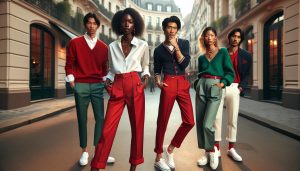
Color Psychology: How to Choose Interview Colors
Choosing the right colors for your interview outfit can significantly impact how you are perceived, often before you even say a word. Colors evoke emotions and set the tone for your first impression. Whether you’re aiming for a relaxed vibe or a more authoritative presence, understanding color psychology can help you make strategic choices that align with the message you wish to convey during your interview.
Understanding Color Significance
Different colors communicate distinct feelings and associations. For example:
- Blue: Often linked to trust and reliability, blue is a safe and popular choice among interviewees. It suggests professionalism and calmness, making it ideal for most industries.
- Black: This color conveys authority and sophistication. It’s an excellent option for formal sectors like finance or law but can come off as too severe if not balanced with other shades.
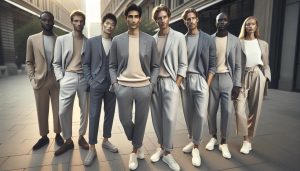
- Grey: A neutral hue that stands for balance and stability, grey can be an excellent base color. Pairing it with a vibrant shirt can help you stand out without overwhelming the senses.
- White: Symbolizing purity and simplicity, a crisp white shirt under a suit can create a clean, polished look. It’s versatile and works well in almost any setting.
- Red: While it can evoke passion and energy, red is also quite bold. If you choose to wear it, consider it in smaller doses, like a tie or pocket square, to avoid coming off as aggressive.
Combining Colors Effectively
When selecting an outfit, consider harmonious combinations that will help you project confidence and poise. Here are some tips for color coordination:
- Stick to a Palette: Choose two to three colors that complement each other. For instance, a navy suit with a light blue shirt and a red tie strikes a good balance between professionalism and approachability.
- Use Neutrals Wisely: Neutral colors can ground your look. If you opt for a brighter color like red or orange, pair it with neutral trousers or a blazer to avoid overpowering your outfit.
- Seasonal Considerations: Consider seasonal colors as well. Lighter colors like pastel shades work well in spring and summer, while deeper hues like burgundy or dark green can be suitable for fall and winter interviews.
Incorporating color thoughtfully into your interview attire is not just about looking good; it’s about leveraging psychology to present the best version of yourself. Colors can enhance your confidence and align with the culture of the organization you are interviewing with, so take the time to choose hues that resonate with your personal brand while adapting to the environment. Remember, when you feel good in what you wear, that self-assuredness will shine through during your interview, setting you on the path to success.
Footwear Matters: Selecting the Best Shoes
Choosing the right shoes for an interview might seem like a small detail, but it can have a profound impact on your overall appearance and the impression you leave on potential employers. Your footwear communicates a lot about your professionalism and attention to detail, and the right pair can elevate your entire outfit. Whether you’re headed for a formal business meeting or a more casual setting, selecting appropriate shoes is essential for making a confident entrance.
When selecting shoes, focus on style, comfort, and cleanliness. Here are some tips to ensure you choose wisely:
Styles to Consider
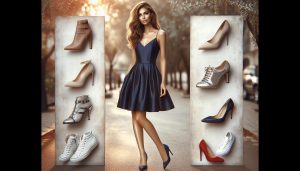
- Oxfords: A classic choice for formal interviews, Oxfords are synonymous with professionalism. Opt for black or dark brown leather pairs to maintain a polished look. They are versatile and work well with suits or dress trousers.
- Derby Shoes: Slightly less formal than Oxfords, Derby shoes offer a comfortable alternative without sacrificing style. They are suitable for business-casual interviews and pair well with chinos or dress pants.
- Loafers: If your interview leans towards a relaxed vibe, loafers can be an excellent choice. Choose leather loafers for a more put-together appearance, and ensure they are well-fitted to your foot for comfort.
- Dress Boots: In colder weather, dress boots can offer both style and warmth. Ensure they are sleek and refined; a polished black or brown leather boot can work wonders in a semi-formal environment.
Key Considerations
Comfort should never be overlooked when selecting footwear for an interview. If your shoes pinch or hurt your feet, it will be hard to stay focused and confident during your meeting. Break in new shoes before your interview to avoid discomfort. Additionally, ensure your shoes are clean and well-maintained. A last-minute scuff or dirt can distract from an otherwise impressive outfit.
Remember to match your shoes with your outfit. For example, if you opt for a navy suit, a pair of brown Oxfords or loafers can provide a stylish contrast. Always consider the overall dress code of the company you’re interviewing with, as this can influence your shoe choice, too. Whether you’re aiming for understated elegance or modern casual, the right footwear can set the tone for a successful first impression.
Accessorizing Your Interview Look Like a Pro
The finishing touches to your interview outfit can make all the difference between a memorable first impression and blending into the background. Accessories not only enhance your look but also reflect your personality and attention to detail-two qualities that employers greatly value. Choosing the right accessories can elevate your ensemble from ordinary to extraordinary, leaving potential employers with a strong visual impression.
Choosing the Right Accessories
When it comes to accessorizing, less is often more. Aim for a polished look that maintains professionalism while showcasing your personal style. Here are some key accessories to consider:
- Tie: A well-chosen tie can add a splash of color or a touch of pattern to your outfit. Opt for classic colors such as deep blues, burgundies, or soft grays, and avoid overly bright or flashy designs. Make sure your tie complements your shirt and jacket for a cohesive look.
- Watch: A stylish watch can serve as a functional accessory as well as a statement piece. Choose a classic design-nothing too large or extravagant-to convey reliability and professionalism.
- Belts: Ensure your belt matches your shoes for a coordinated look. A sleek leather belt in a complementary color helps tie the outfit together. Remember, a well-fitted belt is crucial for appearance and comfort.
- Bag: If you need to carry materials like a laptop or documents, choose a quality leather briefcase or a messenger bag. This not only enhances your look but also adds an element of sophistication and organization.
- Jewelry: Keep jewelry understated to maintain professionalism. A simple pair of cufflinks or a delicate ring can add interest without being distracting. Avoid anything that jingles or moves too much when you talk or gesture.
- Grooming: While not a traditional accessory, grooming is crucial. A neat hairstyle, trimmed facial hair, and basic hygiene (like a pleasant but subtle cologne) play a significant role in your overall presentation.
Final Thought
Paying attention to the details of your accessories can vastly improve your confidence and the impression you leave on interviewers. Selecting pieces that resonate with your personality while adhering to a professional standard is the key to feeling both comfortable and stylish. Recognizing that accessories are an extension of your style can aid you in crafting a look that not only reflects who you are but also demonstrates readiness for the role you desire.
Seasonal Considerations for Interview Attire
Every season presents its own challenges and opportunities when it comes to selecting the perfect interview outfit. Whether the interview is taking place in the balmy days of summer or the biting cold of winter, your clothing choices can not only express your personal style but also reflect your understanding of business appropriateness and comfort. The right seasonal attire ensures that you present yourself as polished and confident, no matter the weather.
In warmer months, aim for lightweight fabrics like linen or breathable cotton blends that allow for airflow while maintaining a professional appearance. A tailored navy or light gray suit can keep you looking sharp without overheating. Pair your suit with a crisp, short-sleeved dress shirt in a light hue, and consider loafers or polished dress shoes made from breathable materials. A silk tie in a muted color can add a touch of sophistication without overwhelming your ensemble. Don’t forget to prioritize grooming; a clean, fresh look will enhance your confidence and show respect for the interview process.
Conversely, colder weather calls for layers that combine warmth with style. Opt for a well-fitted wool suit or a tailored blazer worn over a smart button-down shirt. Consider a cashmere sweater as an underlayer for added warmth, ensuring it fits neatly under your blazer. Choose darker colors like charcoal or forest green to convey professionalism and gravitas during the chillier months. For footwear, a pair of leather shoes or ankle boots not only keep your feet warm but also add a sleek finish to your look. Accessories like a quality scarf or a leather glove can elevate your outfit while serving a functional purpose.
In every season, remain mindful of your personal comfort and confidence level when choosing fabrics and fits. Ensure that your choices reflect both the season and the level of formality of the industry you’re entering. Seasonally appropriate attire demonstrates that you understand the nuances of professional dressing, helping to set a positive tone for your interview and encouraging you to present your best self.
Common Interview Mistakes to Avoid
Dressing appropriately for an interview is crucial, but many candidates fall into common pitfalls that can undermine their efforts. One of the most significant mistakes is failing to align their outfit with the company’s culture and the specific role. Whether you’re interviewing for a tech startup or a law firm, understanding the expected dress code can make a considerable difference. Researching the company’s environment-looking at employee photos on social media sites or even asking your recruiter-will help you select an outfit that demonstrates both respect for their culture and a clear fit for the role.
Another frequent misstep is neglecting proper fit. Wearing clothing that is too loose or too tight can distract from your qualifications and professionalism. Instead, choose well-tailored pieces that enhance your silhouette and boost your confidence. It’s also wise to test your outfit ahead of time, ensuring you can move comfortably and avoid wardrobe malfunctions on the big day. For example, if you’re considering a blazer, make sure it buttons easily without straining, and if you’re opting for tailored trousers, sit down in them to check for comfort and fit.
Accessories can be both an asset and a liability if not chosen wisely. Many candidates either overdo it with flashy items or under-accessorize to the point of looking bland. Aim for a balanced approach: a classic watch or a simple tie can enhance your look without overwhelming it. Make sure that your shoes are polished and appropriate-the right pair can elevate even a simple outfit. Avoid sneakers, sandals, or overly casual footwear; instead, consider polished leather shoes that complement your outfit while conveying professionalism.
Lastly, neglecting personal grooming and hygiene can detract from an otherwise perfect outfit. Make sure to iron your clothes, maintain neat hair, and pay attention to details such as clean fingernails. The goal is to present yourself as polished and respectful of the opportunity. Remember, the first impression often happens before you utter a word, so take the time to ensure every aspect of your appearance contributes positively to your professional image. By avoiding these common mistakes, you not only dress for the job you want but also set yourself up for success in making a lasting impression.
Dressing for Different Industries: What’s Appropriate?
Dressing appropriately for an interview is more than just a matter of personal style-it’s about aligning your appearance with the expectations of the industry you’re entering. Understanding the nuances between different sectors can save you from potential missteps while helping you feel confident and prepared. For instance, corporate environments typically lean toward traditional attire. A tailored suit paired with a crisp button-up shirt and polished dress shoes is often the gold standard. Navy, charcoal, or black suits exude professionalism, while a simple tie adds a touch of sophistication.
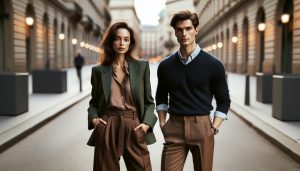
In contrast, creative industries like advertising and media embrace a more relaxed dress code that allows for personal expression. Here, you can opt for smart-casual outfits, such as a blazer with tailored chinos and a stylish shirt, possibly forgoing a tie. These choices not only reflect your individual style but also suggest that you understand the culture of creativity while remaining professional. Incorporating trendy patterns or colors can further showcase your personality, provided they don’t veer into overly casual or distracting territory.
Tech startups often present a unique challenge, as their dress codes can vary widely. While some embrace an ultra-casual atmosphere with T-shirts and jeans, others expect a more polished appearance. To navigate this, research the company culture through social media or employee reviews. A safe bet is to go for well-fitted jeans or chinos paired with a button-down shirt and perhaps a casual blazer. This combination strikes a balance between comfort and professionalism, allowing for a confident representation of yourself as someone who can fit in with their innovative but serious work environment.
Lastly, don’t overlook the importance of regional differences and seasonal considerations. For example, interviews in warmer climates might allow for lighter fabrics and short-sleeved shirts, while colder regions may require layering and heavier textiles. The key takeaway is to do your research, understand the industry standards, and choose outfits that not only fit the role but also make you feel empowered and ready to make a lasting impression.
Building Confidence Through Your Outfit Choices
Dressing for an interview is not just about looking good; it’s about feeling good and confident in your appearance. The way you present yourself can significantly influence your mindset, affecting how you carry yourself during those crucial moments. When you wear an outfit that resonates with your personal style while adhering to the expectations of the industry, you not only enhance your confidence but also project an image of professionalism and competence.
To create a powerful first impression, begin by selecting clothing that fits well and complements your body type. An outfit that is too tight or overly baggy can cause distractions and diminish your comfort level. For instance, opting for a tailored suit instead of a generic off-the-rack version can make all the difference. Tailored clothing doesn’t just look sharp; it makes you feel put-together. When you know you look your best, you exude confidence, making it easier to engage with your interviewer. This confidence translates into assertive body language-standing tall, maintaining eye contact, and projecting a memorable presence.
Moreover, your outfit can be an excellent conversation starter or a subtle way to express your personality and understanding of the company culture. Wearing a tasteful accessory, such as a stylish watch or a unique tie, can give insight into your character without overshadowing the conversation. As you choose your colors and patterns, consider hues that invoke feelings of trust and reliability, like navy or gray, which can inspire confidence both in you and in those around you. Ultimately, by consciously selecting your attire, you allow your outfit to work in your favor, uplift your self-esteem, and help you focus on what truly matters-the conversation and connection you’ll create during your interview.
Final Touches: Grooming Tips for Interview Day
A polished appearance can be just as crucial as your attire when it comes to making an impression on interview day. Grooming not only showcases your professionalism but also boosts your confidence. Start by ensuring that your hair is styled appropriately for the interview setting. Depending on the industry and your personal style, a clean-cut look or neatly arranged longer hair conveys tidiness and respect for the occasion. Regular haircuts and maintaining your personal style can help you feel more in control and ready for any situation.
Next, pay attention to facial hair. If you typically maintain facial hair, ensure it’s neatly trimmed and styled; conversely, if you’re clean-shaven, make sure to shave the day of the interview to avoid any last-minute mishaps. For men who may struggle with skincare, a simple skincare routine involving cleansing and moisturizing can prevent dryness and keep your skin looking fresh. Remember, first impressions are often influenced by the details, and a well-groomed appearance can help you stand out positively.
Another aspect to consider is your nails. Clean and well-manicured nails reflect attention to detail. In industries that lean toward more traditional attire, it might be wise to avoid overly flashy nail designs, opting instead for a clean, simple look. Additionally, consider subtle fragrances; a light application of cologne or aftershave can enhance your overall presence, but be careful not to overdo it.
Finally, ensure that your overall grooming aligns with the nature of the industry you’re entering. For more conservative sectors, a classic look is preferred, while more creative industries may allow for personal expression in grooming. By taking the time to focus on these grooming details, you not only prepare yourself for the interview but also set a confident tone that allows you to present your best self.
Affordable Interview Outfit Options That Impress
Making a great impression in an interview can often hinge on your appearance, but looking sharp doesn’t have to break the bank. With a little creativity and resourcefulness, you can assemble a polished outfit that communicates professionalism and confidence without draining your savings. Here’s how to navigate affordable outfit options that leave a lasting impact.
Smart Essentials on a Budget
When selecting interview attire, focus on building a versatile wardrobe with key pieces that can serve multiple functions. Start with a well-fitting blazer; it instantly elevates casual looks. Opt for neutral colors like navy, gray, or black to ensure they pair easily with various shirts and pants. Seek out budget-friendly retailers or thrift stores where you can find quality blazers for a fraction of the price. Pair your blazer with a classic button-down shirt-white or light blue are excellent choices. These shirts are often available at affordable prices and can be easily maintained.
For the lower half, tailored dress pants are a must. Explore sales or outlet stores for high-quality options. Alternatively, chinos in neutral shades can work well if the company leans more casual. To ensure a polished look, avoid overly baggy styles; tailored fits can be found at budget-friendly prices if you shop wisely.
Accessorizing Without Overspending
Accessories are a great way to enhance your outfit without a hefty investment. A simple, elegant belt and a pair of understated cufflinks can elevate your ensemble significantly. Choose shoes that harmonize with your overall look; classic black or brown dress shoes are versatile and can often be found at reasonable prices if you shop at department stores or online sales.
Don’t underestimate the power of a good watch or a classic tie. These accessories not only add sophistication but also express your personal style. Look for sales during seasonal promotions or at discount retailers to find stunning options that don’t compromise quality.
In conclusion, putting together a smart, professional outfit for your interview doesn’t have to mean resorting to high-end brands. By investing in a few essential pieces that fit well and pairing them with simple yet impactful accessories, you can present yourself confidently and leave a positive impression-without overspending. Your outfit is a representation of your personality, so dress in a way that makes you feel great, ready to take on the world!
Q&A
Q: What colors should men wear to an interview?
A: Men should opt for neutral colors like navy, gray, and black, which convey professionalism. Incorporating light blue or white for shirts can add a crisp touch. Avoid bold colors or flashy patterns that may distract from your qualifications, and consider the company culture when choosing colors.
Q: How should men dress for a casual interview?
A: For a casual interview, men can wear smart-casual attire like chinos or dark jeans paired with a button-up shirt or a well-fitted polo. A blazer can elevate the look while maintaining a relaxed vibe. Ensure clothing is clean and wrinkle-free to present a polished appearance.
Q: Are accessories important for interview outfits?
A: Yes, accessories play a crucial role in completing an interview look. A simple watch can convey professionalism, while subtle ties or belts can add a touch of style. Avoid overly flashy accessories; keep it minimal to maintain focus on your qualifications and personality.
Q: What shoes are appropriate for a job interview?
A: Opt for polished dress shoes, such as oxford or derby shoes, in black or brown leather for interviews. Ensure they are clean and well-maintained. Avoid sneakers or overly casual footwear to make a strong first impression.
Q: Should men wear a tie to an interview?
A: Wearing a tie to an interview depends on the company’s dress code. For formal industries, a tie is recommended to exhibit professionalism. In casual environments, a tie may be unnecessary. Always assess the company culture beforehand to make the best choice.
Q: How should men prepare their grooming for an interview?
A: Men should maintain a neat appearance by grooming facial hair, ensuring hair is clean and styled, and practicing good hygiene. A fresh haircut before the interview can enhance confidence and create a positive impression.
Q: What should men avoid wearing to an interview?
A: Men should avoid overly casual attire, such as t-shirts, shorts, or flip-flops. Additionally, steer clear of clothing that is too tight or revealing, and avoid loud colors or distracting patterns that might detract from your professional image.
Q: How can men build confidence through their outfit choices?
A: Men can build confidence by choosing outfits that fit well and align with their personal style while adhering to industry standards. When you feel comfortable and professional in your attire, it will reflect in your body language and overall demeanor during the interview.
Key Takeaways
In conclusion, dressing for success in an interview is about more than just the essentials; it’s about expressing your professionalism and confidence. Remember to reflect the company culture while ensuring your outfit is both stylish and comfortable. If you’re ready to make a lasting impression, explore our tips on nailing your interview answers and dressing for different occasions. By selecting the right attire, you’ll not only enhance your chances of landing the job but also boost your self-assurance.
Don’t wait-take action now by curating the perfect interview wardrobe! Need more assistance? Sign up for our newsletter to receive exclusive style tips and resources. Remember, your outfit is just the beginning; pairing it with the right mindset will set you up for success. What other styling dilemmas do you face? Share your thoughts in the comments, and let’s keep the conversation going!