Dressing for a Renaissance Faire can be a delightful experience that combines history with personal style. Whether you’re a seasoned faire-goer or a first-timer, creating the perfect medieval-inspired look can boost your confidence and add to the magical atmosphere. With whimsical gowns, enchanting accessories, and bold colors, you can express yourself while embracing the rich traditions of the past.
But with so many options, where do you start? Understanding how to blend modern pieces with classic Renaissance elements is key to feeling comfortable and stylish throughout the day. This guide will help you navigate your wardrobe, offering tips on outfit choices that cater to your unique body type and lifestyle, ensuring you look fabulous while enjoying the festivities. So, let’s dive into the world of medieval-inspired fashion, where every outfit can tell a story and make you feel like royalty!
What to Consider When Choosing Your Renaissance Faire Outfit
Choosing the perfect outfit for a Renaissance Faire can feel like stepping into a time machine, where you have the freedom to express your creativity while embracing historical aesthetics. It’s important to consider not only the visual appeal but also your comfort and personal style. A successful Renaissance look blends individuality, authenticity, and practicality, allowing you to enjoy immersive experiences without worrying about your outfit.
First and foremost, think about the fabric. Natural materials like cotton, linen, and wool are ideal choices, as they are breathable and comfortable for long days of wandering the fairegrounds. Rich colors and textures, such as deep burgundies, forest greens, and earthy browns, can enhance your medieval vibe. If you’re attending in warmer weather, lighter fabrics in flowing silhouettes will keep you cool and stylish, while layering can provide warmth if the temperature drops. For cooler days, consider using layers-think chemises or shift dresses under tunics, paired with cloaks or shawls-to achieve a balanced look that is both practical and visually appealing.
When selecting your clothing, remember the variety of characters you might want to portray. Whether you envision yourself as a noblewoman, a rogue, or a village artisan, aim for outfits that highlight your character’s attributes. Use embellishments and details like lace, embroidery, or even simple brooches to personalize your attire. Create visual interest by combining different textures and layers, which can also help in staying comfortable. Accessories play a crucial role in completing your look: consider adding a decorative belt, a pouch for your essentials, or a unique headpiece to draw attention to your outfit while maintaining a playful tone.
Incorporating your sense of style and comfort into your attire is key. Remember, Renaissance Faires are not just about replicating a historical look; they celebrate creativity and personal expression. So whether you decide to go for a polished noble’s gown or a rustic peasant’s outfit, be bold in your choices. Embrace the journey of dressing for the occasion with openness and creativity, knowing that the perfect outfit is one that makes you feel confident and ready to explore a world of medieval fantasy.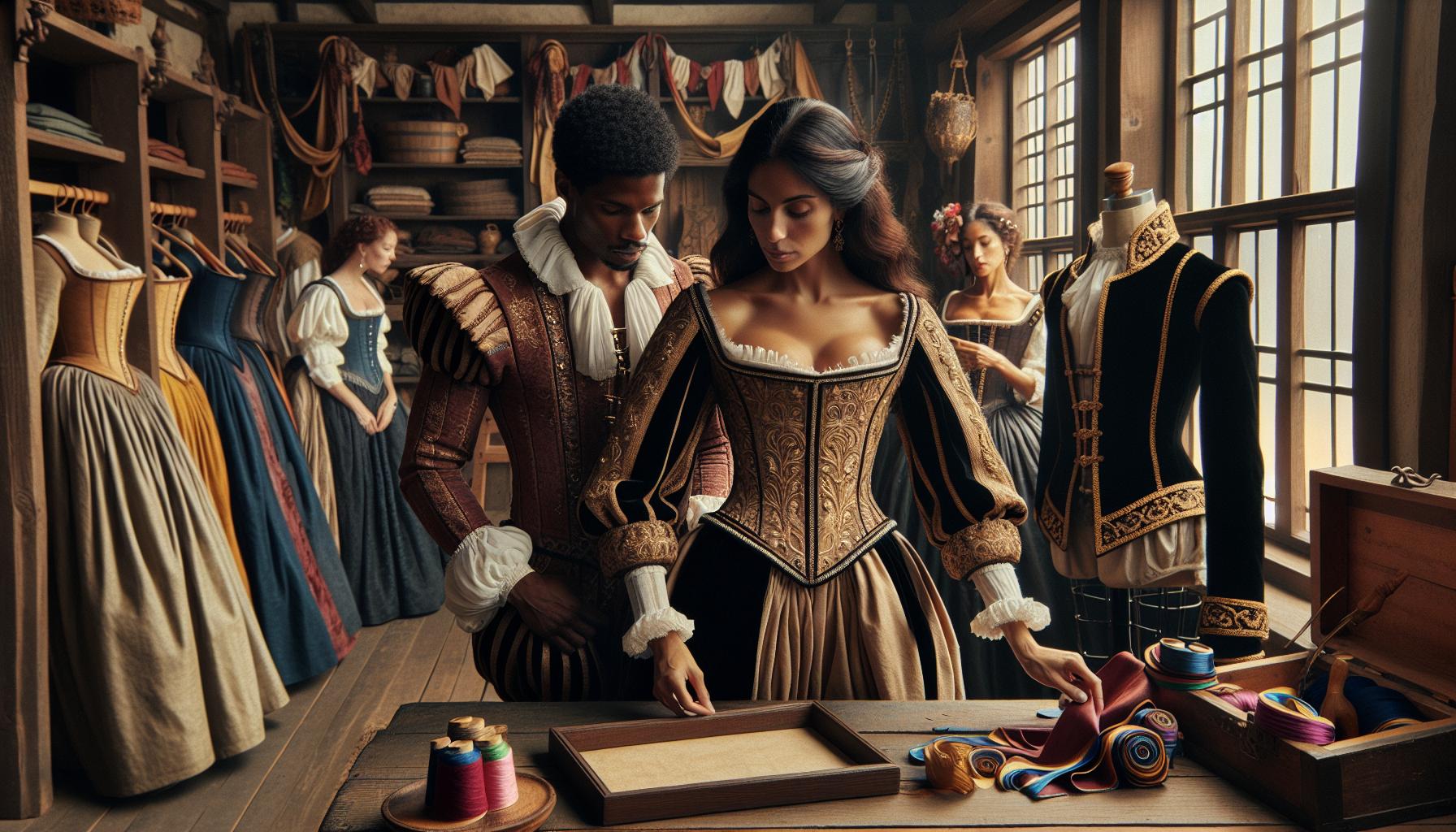
Essential Fabric Choices for Medieval-Inspired Styles
Choosing the right fabric can dramatically enhance your Renaissance Faire experience, not just in appearance but also in comfort throughout the day’s activities. To fully embrace the medieval vibe while remaining practical, opt for natural materials. Cotton, linen, and wool are all great choices due to their breathability and comfort, which make them ideal for long hours spent strolling the fairegrounds. These fabrics not only contribute to authenticity but also allow for ease of movement, enhancing your overall enjoyment.
When considering color and texture, think about the deeper hues and rich patterns that evoke the essence of the Renaissance. Dark jewel tones like deep burgundy, forest green, or rich navy can create a striking visual impact, while earthy tones such as browns and ochres provide that rustic flair reminiscent of the period. If your event occurs in warmer weather, prioritizing lighter fabrics can help keep you cool-for instance, a flowing linen gown can create an elegant silhouette without sacrificing comfort. Conversely, cooler days can invite layering; think of incorporating chemises or shifts under your main tunic, accompanied by a cloak or shawl, to achieve both warmth and a layered aesthetic.
Practical Styling Tips
- Choose Fabrics Wisely: Select breathable and natural fabrics like cotton, linen, or wool.
- Play with Color: Aim for rich, dark colors or earthy tones to achieve an authentic medieval look.
- Balance Aesthetics and Comfort: Adapt your outfit for the weather, opting for lighter layers in heat or warmer options during cooler temperatures.
Another excellent option to elevate your outfit is to incorporate various textures. For example, pairing a soft, flowing cotton gown with a structured wool cloak can add dimension to your look. Details matter; lace trims, embroidered edges, or even fabric brooches can personalize your outfit while remaining true to historical inspirations. Remember, your fabric choice should encapsulate how you want to express your character at the faire, be it a dignified noblewoman or a spirited village artisan. This way, your attire not only looks amazing but also feels true to who you are as you delve into the fantasy of the Renaissance.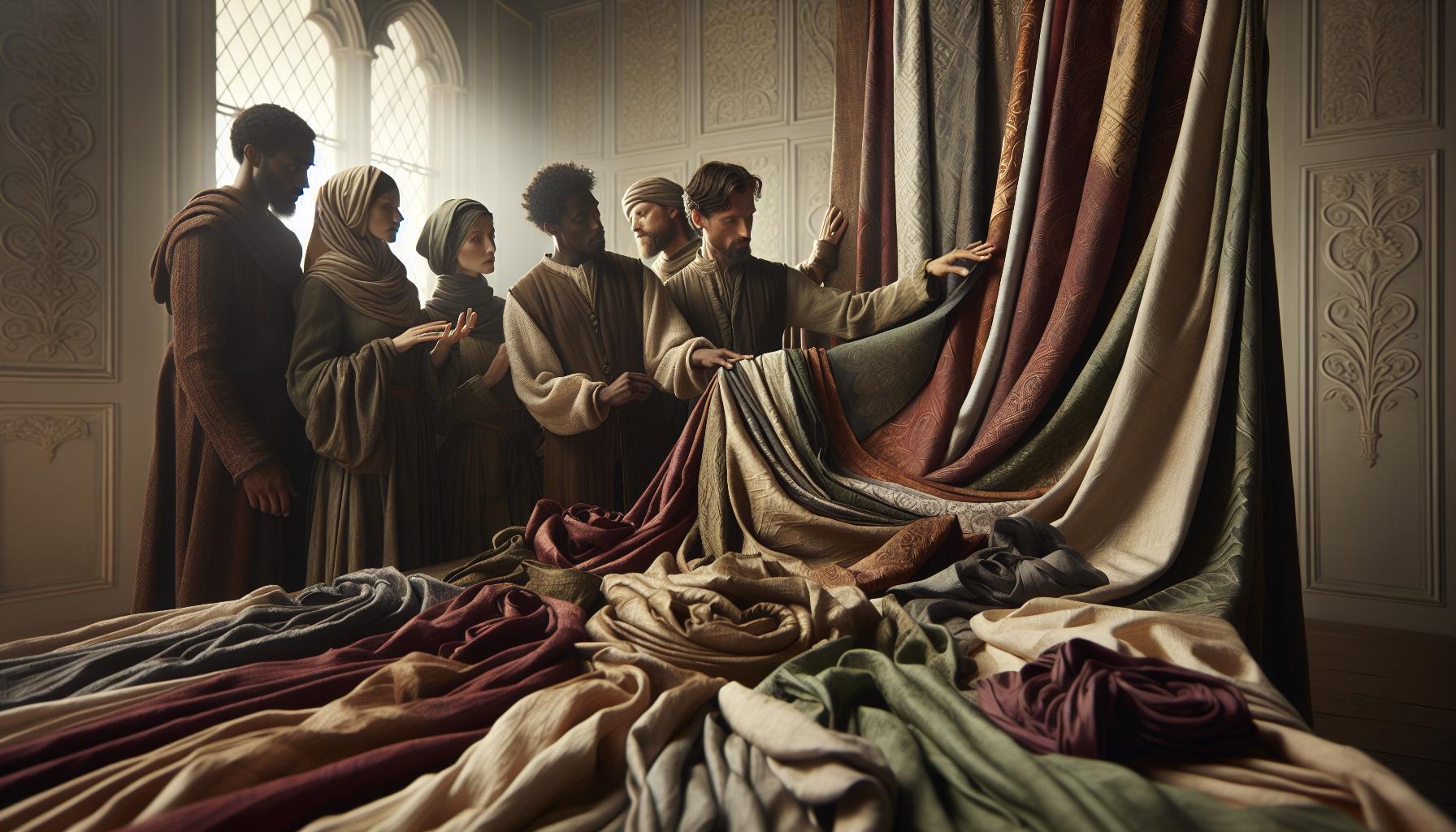
Must-Have Accessories to Complete Your Look
No outfit is truly complete without carefully chosen accessories that elevate your Renaissance Faire experience, transforming a simple costume into a captivating ensemble that showcases your personality and attention to detail. Accessories can draw the eye and add character, enhancing your look while maintaining authenticity. Make bold statements with headpieces, jewelry, and props that reflect the medieval spirit, all while ensuring practicality and comfort as you navigate the fairegrounds.
To start, consider headpieces-these can range from delicate floral garlands for a peasant-style look to ornate hats or veils suitable for nobility. A well-crafted circlet or tiara can really bring forth the elegance of the Renaissance, while a rustic tricorn hat can add a playful twist for those embracing a pirate or adventurer persona. Additionally, hair adornments like ribbons, beads, or feathers can be easily attached to braids or loose hairstyles, enhancing your overall aesthetic without excessive effort.
Jewelry serves as another vital aspect of completing your look. Layered necklaces featuring pendants or amulets can signify status or roles, while large, gemstone-like bodacious pieces can act as conversation starters. Don’t shy away from bracers or arm cuffs that add an athletic edge to knightly or warrior outfits; they can be both striking and functional. Also, consider adding belts that cinch your waist and hold small pouches for essentials, striking a balance between style and practicality.
Finally, your chosen props can provide depth to your costume. Embrace the role of a knowledgeable herbalist with a satchel filled with faux herbs or herbs, or carry around a book of spells if you’re channeling a mystical character. A wooden staff or sword can signal a warrior spirit, ensuring that you’re equipped for any role you wish to embody. Remember, the right accessories not only spotlight your character but also give you confidence to fully engage with the lively atmosphere around you, making your Renaissance Faire adventure all the more memorable.
Character-Inspired Costumes: Ideas for Authenticity
When stepping into the enchanting world of a Renaissance Faire, immersing yourself in character can take your experience to the next level. A thoughtfully crafted costume not only showcases your imagination but also invites others to celebrate the spirit of the times. Whether you’re envisioning a noble knight, a charming peasant, or a mystical sorceress, there are several key elements to consider that will help you achieve authenticity without sacrificing modern flair.
Start by researching the clothing styles from the specific era or region you wish to represent. For instance, a noble lady’s gown might feature rich fabrics like velvet or brocade, with details such as puffed sleeves and intricate embroidery. On the other hand, a peasant look might utilize simpler fabrics like linen or cotton, in muted earth tones or cheerful floral patterns, ensuring comfort during long days at the faire. Take inspiration from pictures and descriptions of historical outfits, but remember to adapt your choices to suit your personal style. Incorporating elements like a v-neck bodice or flowing skirts can add authenticity while keeping you comfortable.
Accessories are crucial for character development and can make or break a costume. A knight might enhance their look with a well-crafted leather belt, a faux sword, and a cloak that adds drama. For a sorceress, a flowing hood or cape and a simple staff can embody the magical essence of your character. Consider utilizing items that can easily transition into everyday wear, ensuring your investment serves multiple purposes. The balance between authenticity and modern practicality is key, allowing for a seamless transition from the faire to your daily life.
Finally, don’t overlook the importance of layering and personal touches in your ensemble. A tunic can be layered over a simple dress for a peasant look, while a fitted vest can enhance a noble character’s attire. Experiment with colors that complement your character; deep reds and greens can signify wealth and status, while lighter colors often reflect a more humble background. Adding unique personal touches, such as a brooch, unique belt, or decorative pins, will not only reflect your personality but also create conversation starters. Embrace your strengths, and remember that your costume is a joyful expression of your engagement with the Renaissance spirit, making your faire experience all the more memorable.
Modern Twists on Traditional Renaissance Fashion
Imagine stepping into a lavish fantasy where the fashion of the past melds seamlessly with contemporary style. Modern interpretations of traditional Renaissance costumes allow for creativity and personal flair while paying homage to the authentic aesthetics of the era. By blending historical garments with contemporary trends, you can create a unique outfit that stands out at any Renaissance Faire.
Consider incorporating modern fabrics and cuts into your Renaissance-inspired wardrobe. For instance, instead of a heavy brocade gown, opt for a flowing maxi dress in a rich jewel tone, paired with a corset-style top that infuses classic elements without the bulk. Look for breathable materials like cotton blends or lightweight silks that provide comfort for a full day of activities. Adding touches such as bell sleeves or playful ruffles can evoke the Renaissance spirit while keeping the ensemble fresh and stylish.
Accessories also play a key role in updating traditional looks. Instead of heavy metal jewelry, choose delicate pieces that reflect the intricacies of medieval craftsmanship, such as charm bracelets or layered necklaces with celestial motifs. Headpieces are perfect for adding character; consider modern takes on crowns or floral hair vines that convey a romantic tone while remaining comfortable and practical. Footwear is another area where modern style can shine-think chic ankle boots or stylish sandals that offer both comfort and flair, allowing you to navigate the faire with ease.
Ultimately, the aim is to express yourself while embracing the charm of the period. Experiment with color palettes and layering techniques, perhaps by mixing a weathered denim jacket over a dress for a contemporary vibe, or draping a light shawl adorned with lace for that vintage touch. Remember, the goal is to showcase your personality while drawing inspiration from the past-create a look that tells your unique story and invites others to engage with the magic of the Renaissance.
Layering Techniques for Seasonally Appropriate Outfits
Mastering the art of layering can transform your Renaissance Faire outfit from ordinary to extraordinary, allowing you to adapt seamlessly to changing temperatures while keeping your medieval-inspired look stylish and authentic. The key is to combine various fabrics and styles that enhance your ensemble without overwhelming it. Whether it’s a warm summer day or a crisp fall evening, layering opens up a world of possibilities for personal expression while ensuring your comfort throughout the day.
Start with a foundational piece such as a simple base dress or tunic made from breathable fabrics like cotton or linen. The color and style of this base can set the stage for your layering. For added warmth, consider incorporating lightweight cardigans or capes that echo the flowing lines of traditional Renaissance attire. A light shawl or a sheer overlay can add depth without adding bulk, allowing for movement while keeping you comfortably stylish. Choosing versatile pieces helps you create various looks from a single foundational outfit.
- For warmer days: Opt for short sleeves or sleeveless styles and add a light bolero or open-front kimono that can easily be removed.
- For cooler weather: Pair your base with an elegant long-sleeve shirt underneath, and top it with a fitted vest or a duster coat that cinches at the waist for a flattering silhouette.
Accessories are essential to enhancing your layered look. Incorporate belts to define your waist over flowing pieces and add dimension with textured scarves. These accessories not only complement the overall aesthetic but also serve practical purposes, such as adding warmth or ensuring your outfit remains comfortable. For footwear, knee-high boots can bridge the gap between modern comfort and Renaissance charm, especially when layered over tights or leggings.
When selecting colors and patterns for your layers, consider a cohesive palette that reflects the spirit of the Renaissance. Rich jewel tones, deep earthy hues, and intricate patterns can all work together harmoniously. Remember, your outfit should feel as vibrant and dynamic as the event itself, so choose layers that showcase your personality while celebrating the captivating essence of this enchanting era. Embrace this opportunity to experiment with textures and colors, making your appearance at the faire a true work of art!
Footwear Options That Blend Comfort and Style
Choosing the right footwear for a Renaissance Faire is crucial, not just for style but also for comfort, as you’ll likely be walking, standing, and indulging in activities throughout the day. The footwear you select can beautifully enhance your medieval-inspired outfit while keeping your feet happy. It’s essential to consider a blend of aesthetic charm and practicality-allowing you to fully enjoy the vibrant atmosphere of the faire without the distraction of sore feet.
Start by exploring the timeless elegance of knee-high boots. These are a fantastic option that echoes traditional Renaissance styles while providing the necessary support for prolonged wear. Look for pairs made from soft leather or faux leather that have a comfortable insole and some arch support. They’re versatile enough to pair with a flowing gown or even a more tailored ensemble. A deep burgundy or forest green can beautifully complement jewel-toned dresses, while classic black or brown can match almost any outfit. Don’t forget to break them in before the event to avoid discomfort.
For those seeking a lighter, more breathable option, ankle boots or flats can offer a relaxed yet stylish alternative. Opt for designs that incorporate decorative elements like buckles or lace, evoking a sense of vintage charm. Choose materials that provide flexibility and breathability, ensuring comfort on warm days. If you’re opting for a short dress or skirt, be sure your footwear enhances your look while remaining easy to walk in. Pair ankle boots with leggings or tights to create a cohesive and striking silhouette.
When considering colors and patterns, remember that your footwear can also serve as a statement piece. Think about matching or contrasting shoe colors to your outfit, or even going for fun details, such as printed fabric or textured finishes. Accessories like leg wraps or ribbons can add that extra layer of flair. Here’s a quick guide to helping you choose the perfect footwear for your Renaissance look:
- Knee-high boots: Ideal for medieval charm, opt for leather or faux leather with good support.
- Ankle boots: Lightweight and stylish, perfect for pairing with a variety of outfits.
- Flats: Look for decorative options that provide comfort without sacrificing style.
By prioritizing both comfort and style, you’ll not only step out with confidence but also enjoy the day. Wear what resonates with you and embrace the chance to express your inner character at the faire!
Tips for Hair and Makeup to Elevate Your Ensemble
In the world of Renaissance Faires, your hair and makeup can be as expressive as your outfit, serving as essential elements to create a complete and authentic look. While your clothing choice might be inspired by medieval styles, there’s room to interpret these influences in a way that reflects your unique personality. A good blend of historical inspiration and modern beauty practices can elevate your ensemble, ensuring you feel both comfortable and confident.
Start with hair. The right hairstyle can significantly complement your outfit. Consider long, flowing locks paired with braids – a popular choice during the Renaissance era. To achieve this look, you might use a heat protectant spray before curling your hair for soft waves. For added authenticity, incorporate accessories like thin headbands, floral wreaths, or even ribbons to tie back sections of your hair. If you prefer a more structured style, opt for a half-up, half-down look combined with intricate braids. Adding hair jewels can also create an enchanting appearance, especially if they catch the light as you move.
When it comes to makeup, think about enhancing your natural beauty while nodding to historical aesthetic choices. A soft, dreamy look works well; use a light foundation to create an even canvas and add a touch of blush to give your cheeks a healthy glow. For the eyes, soft earth tones like browns and greens evoke a natural vibe, while a touch of eyeliner can accentuate your features. Don’t shy away from bold lip colors in deep reds or berry tones; these shades can bring your character to life while adding dramatic flair. Finish your look with a setting spray to keep everything in place as you enjoy the day’s festivities.
Ultimately, the goal is to have fun with your look and express your style in a way that resonates with who you are. Embrace your creativity – whether leaning toward a royal persona or a whimsical fairy. Remember, confidence shines brightest when you feel authentic to yourself, so allow your personality to shine through your hair and makeup as much as your costume does!
Sustainable Fashion Choices for Renaissance Faires
Embracing not only contributes to a greener planet but also allows you to express your creativity in unique and innovative ways. More than ever, consumers are seeking outfits that reflect their values, and when it comes to medieval-inspired looks, there’s a wealth of options to choose from. Whether you’re crafting your look from scratch or adjusting ready-to-wear pieces, focusing on sustainability makes your faire experience even more rewarding.
One effective approach is to opt for vintage or thrifted garments. Not only do these pieces often have more character and charm, but they also reduce waste in the fashion industry. Look for flowing skirts, billowy blouses, or even ornate accessories that can easily be transformed into modern interpretations of medieval attire. Incorporating elements like textured fabrics and rich colors enhances authenticity while encouraging a circular fashion economy. You might also consider upcycling old clothing-you can turn a long dress into a tunic paired with wide-leg trousers for a comfortable yet stylish ensemble.
When selecting materials, prioritize natural fibers such as linen, cotton, or wool. These fabrics are not only breathable and comfortable for all-day wear but also biodegradable, making them a more eco-friendly choice. Additionally, look for garments dyed with organic or low-impact dyes. Many brands now focus on sustainable practices, offering medieval-inspired styles that are both beautiful and environmentally responsible. Incorporating these pieces into your outfit ensures you stay stylish without compromising your values.
Furthermore, accessories provide an excellent opportunity to enhance your sustainability efforts. Seek out handmade jewelry from local artisans or thrifted pieces that lend a historical flair to your look. Items like leather belts or bags can be sourced from sustainable brands that adhere to ethical practices. Remember, every choice counts, and these conscious decisions not only elevate your outfit but also contribute positively to the environment.
Taking these steps toward sustainable fashion while planning your Renaissance Faire ensemble allows you to showcase your personality and values simultaneously. Embrace the process, have fun mixing and matching, and revel in the joy of creating a look that is both meaningful and fashionable, embodying the spirit of the faire while being kind to the Earth.
Budget-Friendly Tips for Crafting Your Look
Creating an enchanting Renaissance Faire outfit doesn’t have to break the bank. With a few budget-friendly strategies, you can craft a look that feels authentic and unique without sacrificing style or functionality. Begin by exploring the expansive world of thrift stores and vintage shops, which are treasure troves for medieval-inspired clothing. Look for flowing skirts, oversized blouses, and tunics that can be easily layered or accessorized to create a genuine historical look. Shopping second-hand not only saves you money but also allows you to discover one-of-a-kind pieces steeped in character.
To maximize your budget, consider the power of DIY. Transform a plain maxi dress into a medieval-inspired masterpiece by adding lace trim or a corset-style belt. A simple approach can be to source basic garments and personalize them through clever tailoring or decorative elements. Utilize fabric scraps from these pieces to create accessories like pouches or headbands. Engaging in DIY can lead to a more tailored fit and unique aesthetics because these alterations allow you to express your creativity and individuality.
When it comes to accessorizing, embrace the charm of handmade or upcycled items. Visit local artisan markets or craft fairs, where you can often find beautiful jewelry, belts, and bags that align perfectly with the Renaissance aesthetic at reasonable prices. Seek out pieces that are adaptable so they can be worn even beyond the faire. If you have crafting skills, try your hand at making simple accessories-like a braided leather belt or a beaded necklace-that will not only enhance your attire but also serve as souvenirs of your creative endeavor.
- Thrift Shopping: Look for flowing skirts and billowy blouses in second-hand stores.
- DIY: Transform simple garments with lace trims or tailored modifications.
- Handmade Accessories: Source unique pieces from local artisans or craft fairs.
By combining thrifty shopping, creative adaptations, and smart accessorizing, you can confidently step into the world of Renaissance Faires. Remember, your outfit tells a story, and there’s no need for it to be expensive or extravagant. Instead, let your personality shine through your thoughtful choices, and enjoy the adventure of bringing your enchanting look to life.
Dressing for Different Roles: Villager, Knight, and More
A Renaissance Faire is a tapestry of cultures, characters, and creativity that invites you to step into another era-one filled with knights, villagers, and fantastical tales. Choosing the right outfit for your character role can make your experience even more immersive. Each role comes with its own set of styling expectations and possibilities. Whether you find yourself enchanted by the noble presence of knights or the rustic charm of villagers, understanding how to effectively embody these character archetypes will enhance your time at the faire.
For those looking to dress as a knight, consider layering sturdy fabrics that echo the strength and valor of your character. Start with a tunic in rich colors like deep red or royal blue, adorned with a faux leather or fabric armor vest for an authentic touch. Accessorize with elements like a fabric cape or a brooch in the shape of a heraldic emblem to denote your noble house. Footwear should balance comfort with historical flair; ankle boots or sturdy sandals work beautifully. Don’t forget to incorporate elements of shine-whether it’s a metallic belt or decorative bracers-to mimic the glint of armor without the extra weight.
In contrast, capturing the essence of a villager is all about embracing comfort and a connection to nature. Opt for loose-fitting garments like simple linen dresses, peasant skirts, or high-waisted trousers paired with a soft blouse. Earthy tones like greens, browns, and yellows can represent a life spent outdoors, reflecting the rustic charm inherent to these characters. Accessorizing is key: look for handwoven baskets or simple charms that tell a story of daily life. Layers play an essential role, especially with shawls or aprons that can be added for warmth and flair.
Even if you choose a more fantastical role like a sorceress or a fairy, the fundamental principles remain. Emphasize layers, use ethereal fabrics like tulle and chiffon, and think about incorporating sparkly accessories to create a magical vibe. As with any role, ensure your choices resonate with your body type and personal style, making adjustments that foster comfort. By focusing on elements that connect you to your character, you’ll not only look the part but feel it, allowing you to truly embrace the Renaissance spirit while enjoying the festivities.
With these tips and ideas in mind, you’re set to celebrate your role at the Renaissance Faire with confidence and creativity. The most important aspect is to have fun and enjoy bringing history-or fantasy-to life!
Cultural Considerations: Respecting Historical Inspirations
The Renaissance period, with its rich tapestry of art, culture, and innovation, offers a treasure trove of inspiration for modern attire at Renaissance Faires. However, while embracing this fascinating era, it’s imperative to approach your outfit choices with cultural sensitivity and respect for historical representations. Acknowledging the roots of the styles you choose not only honors the past but also enriches your overall experience at the event.
When selecting your costume, consider the historical accuracy of fabrics and styles. For instance, garments crafted from natural materials such as wool, linen, and cotton can evoke a more authentic feel than synthetic options. While it’s easy to gravitate towards fantasy interpretations, blending authentic elements with your unique flair can strike a balance that respects tradition. Familiarizing yourself with key historical figures or typical attire from various social classes can further inform your choices, allowing you to embody a role that feels genuine and well-rounded.
Make mindful considerations regarding cultural appropriation as you curate your look. Opting for styles that reflect the historical context of European societies during the Renaissance, while avoiding symbols or clothing tied to marginalized cultures in exploitative ways, shows respect. As you build your character, think about using accessories like historical jewelry or handmade items that echo the craftsmanship of the time. These thoughtful touches can elevate your outfit while promoting the artistry that defined the era.
Finally, as you prepare your ensemble, remember that the ultimate goal is to enjoy the atmosphere and celebrate the joy of creativity. Wearing an outfit that reflects both your personality and historical references can be empowering and fun. Embrace the opportunity to learn about the Renaissance while connecting with fellow attendees who share your passion for history and art. By being knowledgeable and respectful, you contribute to a vibrant and inclusive community that truly appreciates the spirit of the Renaissance Faire.
Faq
Q: What are some beginner-friendly outfit ideas for a Renaissance Faire?
A: For beginners, a simple flowing dress or tunic paired with leggings works well. Add a corset for a classic look, or a loose-fitting shirt and breeches for a male ensemble. Complement with comfortable shoes and a few accessories like a hat or simple jewelry. Refer to the section on “Modern Twists on Traditional Renaissance Fashion” for more ideas.
Q: How can I incorporate modern elements into my Renaissance Faire outfit?
A: To blend modern styles with Renaissance flair, opt for contemporary fabrics like cotton blends or jersey in classic silhouettes. Pair a medieval-style top with denim or stylish boots, adding colorful accessories for a fresh twist. Look into “Must-Have Accessories to Complete Your Look” for inspiration.
Q: What type of fabric is best for Renaissance Faire clothing?
A: Linen, cotton, and velvet are ideal for Renaissance attire due to their breathability and aesthetic. Consider textured fabrics for added depth, particularly in cooler weather. Check “Essential Fabric Choices for Medieval-Inspired Styles” for more details on fabric options.
Q: Can I wear casual clothes to a Renaissance Faire?
A: Yes, wearing casual clothes is acceptable at many Renaissance Faires, especially if you add medieval-inspired accessories like a vest or cloak to elevate your look. Dressing up is encouraged, but personal comfort should come first. Consider layering techniques discussed in the article for seasonal adjustments.
Q: What hairstyles are suitable for a Renaissance Faire?
A: Popular hairstyles include loose braids, half-up styles, or loose waves decorated with flowers or ribbons. For a more authentic look, consider a crown or simple headpiece. See “Tips for Hair and Makeup to Elevate Your Ensemble” for styling inspiration.
Q: How can I stay comfortable while wearing Renaissance outfits?
A: Choose breathable fabrics and opt for layers that can be adjusted throughout the day. Prioritize comfort in footwear and consider using petticoats or undergarments that allow freedom of movement. Refer to “Footwear Options That Blend Comfort and Style” for suggestions.
Q: Are there specific colors that are more appropriate for Renaissance Faire attire?
A: Earthy tones, jewel tones, and rich colors like deep reds, greens, and blues are traditionally associated with Renaissance fashion. Consider the season and your character when selecting color palettes. For more on style and color coordination, see “Modern Twists on Traditional Renaissance Fashion.”
Q: Where can I find budget-friendly Renaissance Faire costumes?
A: Thrift stores, costume shops, and online marketplaces are great resources for affordable Renaissance outfits. You can also DIY by repurposing existing clothing. Check the section “Budget-Friendly Tips for Crafting Your Look” for additional ideas.
In Summary
Now that you’re ready to shine at your next Renaissance fair with the perfect medieval-inspired modern look, don’t forget to explore our other guides for additional inspiration! Check out our tips on creating comfortable yet stylish costumes or browse outfit ideas tailored for all ages. Whether you want to learn about color coordination, accessorizing, or seasonal considerations, we’ve got resources that can help elevate your style even further.
Remember, creating a captivating outfit doesn’t have to be stressful! Embrace your unique style, and don’t hesitate to share your thoughts in the comments below. Have fun mixing and matching elements to create a look that truly reflects the spirit of the Renaissance. Follow us for more style tips and join our newsletter for exclusive updates-your next adventure in medieval fashion awaits!