Attending the opera is not just a feast for the ears; it’s an opportunity to express your style and sophistication. Choosing the right outfit can elevate your experience and help you feel confident and glamorous in a sea of elegance. Whether you’re attending a grand performance or a modern interpretation, understanding the nuances of opera attire is essential.
Dressing for the opera can seem daunting, especially with the variety of dress codes and styles. A well-chosen ensemble not only shows respect for the art form but also allows you to shine as part of the vibrant atmosphere. Dive into this guide to discover how to curate a stunning look that reflects your personal style while embracing the timeless elegance of the opera. From tailored gowns to chic accessories, we’ll explore practical tips to make your outfit decision effortless and enjoyable. Embrace the magic of the evening with confidence!
What to Consider When Choosing Opera Attire
Choosing the right attire for an opera performance is not just about style; it’s also about embracing the elegance and cultural significance of the occasion. An opera is a blend of art forms, and your outfit should reflect the sophistication of the performance while ensuring your comfort. Consider the venue and the specific production you’ll be attending. A grand opera house often calls for a more formal approach, while a contemporary production might allow for a more relaxed but still polished look.
When selecting your outfit, think about the fabric and fit. Luxurious materials like silk, velvet, or high-quality cotton can elevate your ensemble significantly. Additionally, pay attention to how your clothing fits your body type. Tailored pieces can enhance your silhouette, providing confidence as you enjoy the show. If you’re unsure, a classic little black dress or a chic jumpsuit can be perfect go-to choices that can be accessorized in numerous ways to express your personality while remaining elegant.
Color also plays a crucial role in creating the right atmosphere for your opera night. Rich jewel tones like emerald green, royal blue, or deep red can add a dramatic flair, while softer pastels offer a more understated elegance. Consider the season and the time of day; for evening performances, darker hues are typically favored, whereas day shows might lend themselves to lighter, brighter palettes. Ultimately, wear what makes you feel good and confident, as that is key to enjoying the experience.
Lastly, don’t overlook the power of accessories. A statement necklace, a pair of elegant earrings, or a bold clutch can enhance your outfit without overshadowing it. Your accessories should complement your attire, adding just the right amount of sparkle. The aim is to strike a balance between showcasing your personal style and honoring the refined atmosphere of the opera. Embrace the opportunity to dress up, and remember that your attire can be a beautiful expression of your individuality amidst the collective experience of the performance.
Essential Elements of Sophisticated Evening Wear
Choosing the right evening wear for a night at the opera is an opportunity to elevate your style while embracing the rich cultural traditions of this art form. Sophisticated evening wear reflects the grandeur of the performance, allowing you to feel both confident and comfortable as you immerse yourself in the experience. To achieve this refined aesthetic, consider the following key elements that will help guide your outfit selection.
Begin with fabric choice, as it plays a vital role in conveying elegance. Luxurious materials like silk, satin, and chiffon drape beautifully and add a touch of opulence. For colder months, consider heavier fabrics such as velvet or brocade that not only keep you warm but also exude sophistication. Ensure that the fabric you choose complements your body type; for example, a slinky dress might suit a slimmer silhouette, while structured silhouettes work well for curvier figures.
Fit is just as essential as fabric. Invest in pieces that are tailored to your body, as they enhance your natural shape and boost confidence. Consider classic styles that remain timeless, such as an A-line gown or a fitted midi dress. If you’re leaning towards trousers, wide-leg pants paired with a fitted blouse or a sharp blazer can create a chic look. Remember, when it comes to fit, it’s not just about size-embracing styles that flatter your figure and showing off your personal flair is key to mastering evening elegance.
Another element is the color palette. Rich jewel tones like deep emeralds, royal blues, or classic blacks are often favored for evening events, creating a striking contrast against the elegant backdrop of the opera house. Soft pastels or lighter hues can work beautifully for daytime performances, lending to a more whimsical vibe. Mix and match colors thoughtfully to express your individuality while still embodying that luxurious aura associated with opera attire.
Accessorizing is the final touch that brings your evening ensemble to life. Choose accessories that complement rather than overpower your outfit. A statement necklace, delicate earrings, or a beautifully crafted clutch can enhance the overall look. If your outfit is already bold, consider simpler accessories that shine through classic elegance, or vice versa-if your attire is understated, let your accessories do the talking.
By paying attention to these essential elements-fabric, fit, color, and accessories-you can compose a sophisticated evening ensemble that honors the majestic atmosphere of the opera while reflecting your unique style. Enjoy the process of dressing up, as it is your moment to shine amid the dazzling performances that unfold on stage.
Best Outfit Ideas for Different Opera Styles
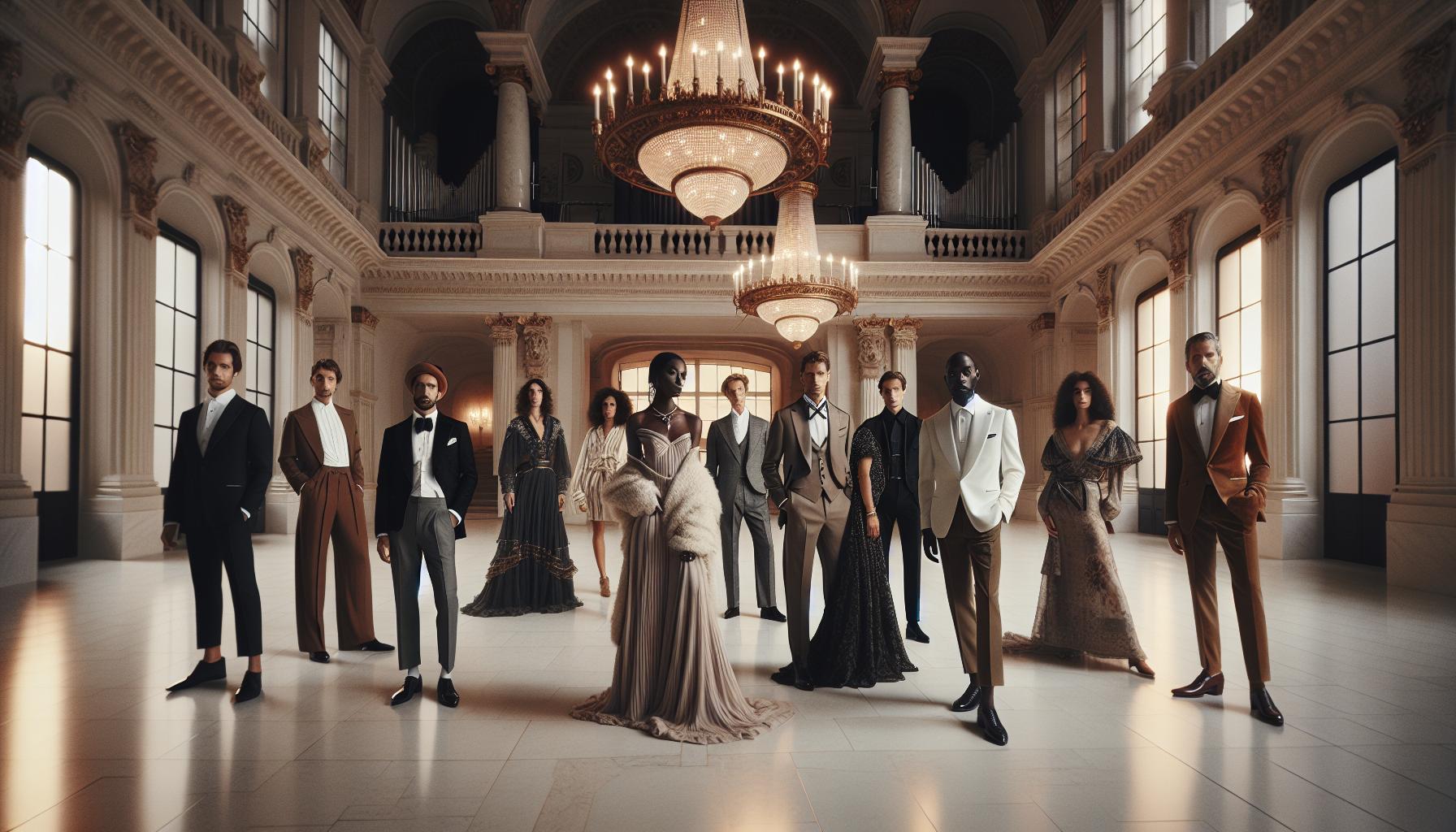
When it comes to the opera, your outfit can enhance the entire experience, adding to the glamour and sophistication of the performance. Each opera has its unique style, and your attire should reflect not only the ambiance of the event but also your personal flair. From grand productions to more intimate performances, here are some outfit ideas tailored for different opera styles.
1. Traditional Operas
For classic operas, such as “La Traviata” or “Carmen,” think timeless elegance. A floor-length evening gown in a deep jewel tone or classic black is an exquisite choice. Opt for fabrics like silk or satin that drape beautifully and hold their form as you move. Pair your gown with a sleek updo or soft waves for a polished look. Choose accessories that exude sophistication-think long drop earrings and a simple clutch. If you’re feeling bold, a statement piece, like a jeweled belt or intricately designed shawl, can elevate your ensemble even further.
2. Modern or Contemporary Operas
For modern works, such as “West Side Story” or opera adaptations with a more eclectic vibe, consider a chic jumpsuit or tailored pants paired with an elegant top. A wide-leg jumpsuit in a striking color can be both daring and comfortable, especially for longer performances. Enhance the outfit with graphic earrings or an eye-catching cuff bracelet, and finish with strappy heels. If you prefer a dress, opt for a midi-length with unique detailing-such as asymmetrical hemlines or peplum silhouettes-to keep the look fresh and contemporary.
3. Outdoor or Seasonal Operas
If your evening at the opera is set outdoors, or if it takes place in the warmer months, choose lighter fabrics that breathe well. A chic sundress in floral prints or lighter hues can be both stylish and comfortable. Complement the dress with flat embellished sandals and a lightweight wrap or shawl, perfect for the cooler evening air. As the seasons change, autumn or winter performances call for layering-consider a fitted turtleneck under a structured dress or a cozy yet chic coat to wrap over your shoulders.
4. Family-Friendly Performances
When attending family-oriented operas, such as those geared towards children, your outfit can lean towards playful yet sophisticated. Opt for a playful midi dress adorned with vibrant patterns, paired with stylish ankle boots or ballet flats. Brightly colored accessories, like a statement bag or fun jewelry-perhaps something themed-can bring joy to the look while still feeling dressy. Be sure to wear something practical that allows for moving around comfortably, particularly if there are children in tow.
Embrace the opportunity to express yourself through your attire-the opera is a celebration of artistry and culture, just like your personal style! Whether you choose a gown that channels old-world charm, sassy contemporary pieces, or playful ensembles for family performances, the key is to feel confident and comfortable as you prepare for a night of magic and performance.
Color Schemes for the Perfect Opera Ensemble
Choosing the right color scheme for an opera ensemble can drastically elevate your look and enhance the overall experience of the evening. The art of color coordination is not just about picking what looks good; it also reflects your personality and the atmosphere of the performance. While classic black and jewel tones are often safe bets, don’t shy away from experimenting with colors that resonate with you and the specific production you’re attending.
Timeless and Elegant Choices
For traditional operas, deeper shades can convey sophistication and classic beauty. Consider wearing:
- Rich jewel tones: Emerald green, sapphire blue, or ruby red can make a stunning statement.
- Classic black: Always chic, black can be paired with metallic or brightly colored accessories for a modern twist.
- Soft pastels: If the opera leans towards a lighter, more whimsical theme, opt for shades like blush pink, baby blue, or lavender.
These colors not only flatter a variety of skin tones but also evoke a sense of elegance that mirrors the timeless nature of the opera.
Modern and Eclectic Style
If you’re attending a contemporary opera performance, feel free to express yourself with vibrant hues and playful combinations. Embrace:
- Bold primary colors: Bright reds, yellows, and blues can convey energy and enthusiasm.
- Unique patterns: Floral prints or geometric designs can be both eye-catching and stylish.
- Color blocking: Combining two or more contrasting colors in your outfit can create a modern and artsy vibe.
These colors not only reflect the dynamic nature of modern operas but also allow for personal expression in your attire.
Seasonal Considerations
The season can also play a significant role in your color choices. For outdoor or summer operas, lighter shades and breathable fabrics in hues like coral or soft yellow can keep you feeling cool while looking stylish. In contrast, deeper shades like burgundy or forest green are perfect for autumn and winter performances, adding warmth to your overall look.
Ultimately, the key is to choose colors that make you feel confident and comfortable. Your outfit should not only harmonize with the opera’s theme but also resonate with your personal style. Embrace the opportunity to stand out while still maintaining a sense of sophistication, ensuring your ensemble enhances the spectacular experience of the evening.
Accessorizing for Maximum Impact at the Opera
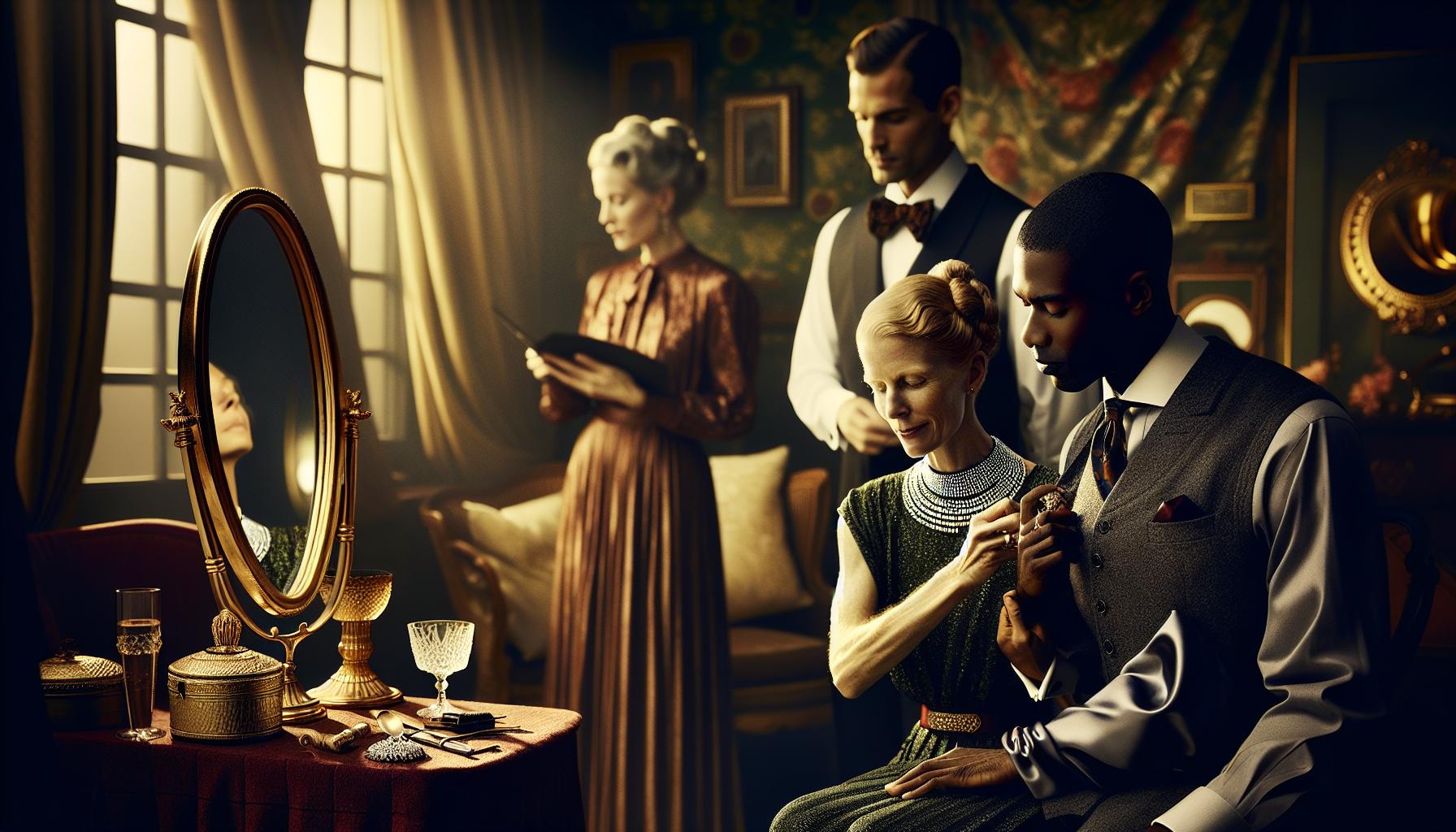
Dressing for the opera offers a wonderful opportunity to showcase personal style while embracing elegance. Accessories play a crucial role in transforming an outfit from ordinary to extraordinary, allowing you to express your individuality and enhance your overall look. The right accessories can also help strike the balance between practicality and sophistication, ensuring you’re not only stylish but also comfortable throughout the performance.
Start with statement jewelry to draw attention and create a focal point. A bold necklace or chandelier earrings can elevate even the simplest dress, while a classic pearl set can add a timeless touch. If you choose to wear a printed or textured gown, opt for minimalist accessories to let your outfit shine. For evening performances, consider incorporating pieces with shimmer or sparkle, such as metallics or crystals, to catch the light beautifully as you move.
Handbags and Clutches
Your choice of handbag can significantly impact your ensemble. A sleek clutch or a small crossbody bag in a coordinated color can add class without sacrificing comfort. Ensure that it’s large enough to carry essential items like tickets, a small wallet, and perhaps a touch-up lipstick, yet small enough to avoid being cumbersome during the performance. Think about materials too: a chic satin or beaded clutch can bring a vintage flair, while structured leather lends a modern edge.
Shoes That Marry Comfort and Style
When it comes to footwear, balance is key. While stilettos may seem like the perfect choice to complement an elegant outfit, consider the venue and duration of the performance. Opt for stylish kitten heels or embellished flats that provide comfort without compromising on style. Darker hues like deep navy or rich burgundy can add sophistication, while a pop of color may introduce an unexpected twist that aligns with your outfit’s theme.
These accessory decisions not only polish your look but also enhance your confidence, allowing you to enjoy the enchanting world of opera without any fuss. Remember, accessorizing should feel like play-an opportunity to showcase your creativity and enjoy the artistry of fashion as much as the performance itself. Embrace this chance to shine and ensure that your style reflects both the occasion and your personal essence.
Footwear Choices for Comfort and Style
When choosing footwear for an opera night, it’s essential to strike a balance between elegance and comfort. Many attendees underestimate the length of performances and the time spent walking or standing, making suitable footwear crucial for an enjoyable experience. Bright lights, melodious sounds, and captivating performances deserve a great outfit, and a thoughtful choice in shoes can complete your ensemble beautifully.
Opt for closed-toe options, particularly if you’re attending a venue with strict dress codes, such as the Opera House in Vienna, where sandals may not be permitted[[1](https://www.tripadvisor.com/ShowTopic-g190454-i147-k15278654-Footwear_clothing_rules_at_the_Opera_and_other_venues-Vienna.html)]. Sleek and sophisticated shoes not only enhance your look but also provide the necessary support. Consider stylish kitten heels that provide just enough lift while keeping you comfortable throughout the evening. An embellished flat can also be a chic alternative, allowing you to stand and applaud without discomfort. Colors like deep navy or rich burgundy can add a touch of sophistication, while a pop of color can showcase your personality and match your outfit’s theme.
Footwear Options
When selecting the perfect pair, consider these styles:
- Kitten Heels: An elegant choice that gives height without the discomfort of stilettos.
- Embellished Flats: Perfect for adding some flair while allowing for easy movement.
- Closed-toe Mules: These provide a modern twist on traditional evening wear and are easy to slip on and off.
- Chic Loafers: For a more tailored look, loafers can be a stylish yet comfortable choice.
Remember to break in new shoes before the event. No one wants to be distracted by discomfort during a performance. Consider inserting cushioned insoles for added comfort and support, ensuring each step is as graceful as your attire. Elevate your confidence by choosing footwear that not only complements your outfit but also allows you to fully revel in the opulence of an evening at the opera.
Dressing for Seasonal Opera Performances
Choosing the right outfit for an opera performance can significantly enhance your experience, especially when considering the changing seasons. Each season brings its own set of colors, textures, and styles that not only reflect the environment but also contribute to the overall elegance of your evening attire. Understanding these nuances can alleviate the stress of picking the perfect outfit while ensuring you stay stylish and comfortable.
In the chilly embrace of winter, opt for richer, warmer fabrics. Velvet, silk, and heavy brocade can create stunning looks that provide both warmth and sophistication. A classic floor-length gown in deep emerald or burgundy can be striking, paired with a tailored fur stole or a chic trench coat for added warmth. Accessories play a crucial role: statement earrings or a bold cocktail ring can add sparkle against darker fabrics, while a clutch in metallic or jewel tones can tie the whole ensemble together.
As the weather warms up into spring and summer, lighter fabrics such as chiffon, linen, or breathable cotton become more suitable. A flowing midi dress in soft pastel shades or floral prints can evoke the season’s freshness and vitality. Pair it with block-heeled sandals or embellished flats for comfort and style. Don’t forget to add a light shawl or a stylish bolero for cooler evening breezes, and accessorize with delicate jewelry to maintain an air of sophistication without overwhelming your look.
When fall arrives, earthy tones and rich textures take center stage. Opting for a rich mustard or burnt orange jumpsuit paired with a tailored jacket can exude confidence and flair. Transitioning pieces that can easily be layered, like a lightweight turtleneck under a sleek dress, can offer versatility, allowing you to adapt as the temperatures change throughout the evening. Stick to accessories that reflect the season-think warm metals and bold patterns that mimic autumn leaves.
With these seasonal considerations in mind, your opera attire can be a beautiful blend of comfort, sophistication, and practicality. By thoughtfully selecting fabrics, colors, and layers, you can fully enjoy the magic of the performance without distraction.
Tailoring Advice for a Flawless Fit
Ensuring your opera attire fits flawlessly goes beyond simply choosing the right ensemble; it’s about tailoring your clothing to enhance your unique silhouette. A well-fitted outfit not only boosts your confidence but also elevates the sophistication of your overall look. Whether you’re opting for a flowing gown or a tailored suit, here are some essential tips to help you navigate the world of tailoring.
First, understand your body shape and proportions. Acknowledging your unique features allows for personalized adjustments that highlight your best assets. For dresses, consider having the hemline altered to the perfect length to ensure you’re comfortable moving around the venue. For pants, ensure they tapers at the ankles to maintain a sleek silhouette, avoiding any excess fabric bunching that can detract from your command on the evening. If you’re wearing a blazer, it’s essential that the shoulders fit well; a slight shoulder pad can enhance the shape but should never feel bulky.
Finding the Right Tailor
Finding a skilled tailor can make all the difference. Ask for recommendations from friends, family, or local fashion boutiques. Review their work, particularly with evening wear, to gauge their expertise. When you visit, bring your opera outfit and clearly communicate what you want to achieve. Don’t hesitate to explain how you envision the end result, whether it’s a looser fit for a casual vibe or a structured silhouette for a more elegant look.
Basic Tailoring Adjustments to Consider
Some common adjustments that can transform your outfit include:
- Taking in the sides: Perfect for dresses or tops that are too loose.
- Shortening sleeves: Critical for blouses or jackets, as they should end just past the wrist.
- Hemming hemlines: Tailored skirts and dresses should skim the floor without pooling for an elegant effect.
- Adjusting waistbands: Ensures skirts, trousers, or dresses stay comfortably in place.
With these tailored adjustments, your opera attire will not only fit like a glove but also empower you to embrace the elegance of the event fully. Tailoring is an investment in your wardrobe, letting you shine as you enjoy the captivating performances on stage. With your outfit expertly fitted to your form, you can immerse yourself in the opera experience with style and confidence.
Navigating Formal Dress Codes with Ease
Understanding formal dress codes can feel daunting, but with a little knowledge and confidence, you can navigate them with ease. When it comes to attending the opera, you’ll typically encounter dress codes like ‘black tie,’ ‘formal,’ or ‘cocktail.’ Each of these labels comes with its own set of expectations for attire. For instance, a black-tie event usually calls for floor-length gowns or elegant evening suits, whereas formal attire allows for slightly less lavish options, such as cocktail dresses or tailored suits. Knowing these distinctions helps you choose an appropriate outfit that aligns with the venue’s atmosphere.
Decoding Dress Codes
To make the dressing process straightforward, familiarize yourself with the specific dress code requirements. Here’s a quick breakdown of common terms:
- Black Tie: For women, this means a formal gown, while men should wear a dinner jacket, typically black or midnight blue, with formal trousers.
- Formal: A versatile category where women might opt for a long dress or a chic suit jacket, and men should wear a suit and tie.
- Cocktail: This allows for shorter dresses or stylish separates for women, and men can wear dress shirts with trousers-perhaps adding a blazer for a polished look.
More importantly, understanding materials and styles that feel comfortable to you can transform how you approach these codes. Opt for fabrics that reflect the occasion-silk, satin, or velvet are fantastic choices for an elegant evening. Don’t shy away from layering pieces, such as a tailored shawl or a classy wrap if you feel the venue might be chilly.
Tips for Creating a Cohesive Look
When you have your outfit in mind, think about how accessories can elevate your look while adhering to the dress code. A statement necklace or elegant clutch can showcase your personal style, making your staple outfit feel unique and special. For those considering heels, remember to prioritize comfort as you’ll be sitting and walking around; look for stylish options that provide support.
In essence, selecting the right attire for the opera doesn’t have to be a source of anxiety. By understanding dress codes and embracing your personal style, you will not only dress appropriately but also boost your confidence, allowing you to enjoy the performance to the fullest.
Layering Techniques for Opera Night Chic
Whether you’re preparing to be swept away by the music or simply enjoy the ambiance, mastering the art of layering is key for a chic evening at the opera. Not only does strategic layering enhance your outfit, but it also provides practical solutions for fluctuating temperatures in theatrical venues, making you look sophisticated while ensuring comfort.
Start with a solid foundation: choose a well-fitted evening gown or a classy cocktail dress as your base layer. From here, consider adding a tailored wrap or a stylish shawl in a luxurious fabric like silk or cashmere. These not only add an element of elegance but also provide warmth during chilly moments, particularly during intermissions or waiting in line. For an added touch of flair, opt for a bolero jacket or a sleek blazer that complements your dress’s color.
Accessories also play a fundamental role in layering. Introducing a contrasting belt can highlight your waistline and add visual interest. For your feet, closed-toe pumps or elegant ankle boots can provide both comfort and style, especially if your evening unfolds into a late-night gathering. If you prefer a bolder choice, choose statement earrings or a stack of bangles that peek out from under your shawl, creating layers of texture that draw the eye.
Seasonal considerations should guide your choices. In the colder months, heavier fabrics and thicker layers are ideal, while spring and summer allow for lighter materials that can still make a dramatic impact. Keep an eye on color coordination as well-combining bold hues with neutrals can elevate your outfit while maintaining visual harmony. Layering at the opera isn’t just practical; it’s an opportunity to express your individuality while embracing the elegance of the evening.
Surprising Fashion Mistakes to Avoid at the Opera
Navigating the beautiful yet often intimidating world of opera fashion can lead to some common blunders. Many attendees worry about what to wear and can inadvertently fall into styling traps that detract from their overall elegance. Here are some surprising fashion mistakes to sidestep, ensuring you look and feel your best for this majestic experience.
Firstly, selecting an outfit that’s too casual can undermine the event’s spirit. While comfort is important, lounge wear, shorts, or overly casual dresses signal a disregard for the formality of the occasion. Instead, opt for more polished choices such as a well-fitted gown, a stylish cocktail dress, or tailored separates. These not only show respect for the performance but also elevate your confidence. A chic pair of tailored trousers paired with a luxurious blouse can be equally stunning and comfortable, combining both style and ease for an evening spent enjoying the arts.
Another common oversight is neglecting the importance of accessorizing. A beautiful outfit can fall flat without the right finishing touches. Avoid the temptation to skip jewelry or accessories altogether; they enrich your overall look and allow for personal expression. Aim for a few tasteful pieces-such as statement earrings or a classic clutch-that enhance rather than overwhelm. Remember, less can be more; choose items that complement your outfit without competing for attention.
Lastly, don’t forget about the practicality of your footwear. High heels may seem like the perfect choice for an elegant evening, but discomfort can quickly diminish the joy of the experience. Instead, look for stylish yet comfortable options, such as chic block heels or embellished flats, allowing you to enjoy the performance without the distraction of sore feet. Your ensemble should elevate your evening, not limit your enjoyment; comfort and sophistication can coexist beautifully.
By being aware of these fashion pitfalls and choosing thoughtfully, you can create an opera-ready ensemble that makes a stately impression while keeping you comfortable and engaged throughout the performance.
Faq
Q: What type of shoes should I wear to the opera?
A: Choose elegant footwear that complements your outfit, such as classic heels or stylish flats. Prioritize comfort, especially if you’ll be walking or standing. If you’re attending a longer performance, opting for a lower heel can provide both chic style and comfort.
Q: Can I wear a casual dress to the opera?
A: Absolutely! While the atmosphere is often sophisticated, a well-styled casual dress can be appropriate. Pair it with statement accessories to elevate your look. Check the venue’s culture, as some may lean more formal, especially on weekend evenings.
Q: How can I layer my outfit for the opera without looking bulky?
A: Opt for lightweight layers, such as thin shawls or tailored blazers. Choose fabrics like cashmere or silk that add warmth without bulk. This not only keeps you comfortable in potentially chilly theaters but also adds sophistication to your overall ensemble.
Q: Should I wear formal evening wear to matinee performances?
A: Formal evening wear is generally not expected for matinees. Consider smart-casual attire, such as a stylish dress or tailored pants with a chic top. This strikes the right balance between comfort and sophistication for daytime shows.
Q: What accessories should I consider for an opera night?
A: Select accessories that enhance your outfit without overwhelming it. A statement necklace or elegant earrings can add flair, while a classic clutch completes the look. Avoid overly large bags to maintain a sleek silhouette [link to section].
Q: Can I wear bright colors to the opera?
A: Yes, bright colors can be a fantastic choice for the opera! They can make a statement and show off your personality. Just ensure that the color complements your skin tone and fits the formality of the event [link to section].
Q: What should I avoid wearing to the opera?
A: Avoid overly casual pieces like flip-flops, shorts, or loud graphic t-shirts. Aim for polished attire that reflects the elegance of the opera. It’s best to skip anything too revealing or casual to respect the theater’s atmosphere.
Q: How do I choose the right fit for my opera attire?
A: Look for outfits that flatter your body shape and allow for ease of movement. Tailoring can transform a garment into a perfect fit, so consider having key pieces adjusted [link to section] for a sophisticated look.
Key Takeaways
As you prepare for an evening at the opera, remember that your outfit is more than just clothing; it’s an expression of elegance and confidence. By mixing rich fabrics, classic silhouettes, and the right accessories, you can truly shine. Don’t hesitate to explore our dressing for weddings and job interviews guides for more styling inspiration that suits various occasions. If you have any lingering doubts, check out our FAQs section or consider subscribing to our newsletter for expert fashion tips directly to your inbox.
Your journey to sophisticated evening elegance doesn’t have to end here-dive deeper into our site for more tailored advice on seasonal styles and thought-provoking fashion insights. Remember, a stunning opera outfit can elevate not only your appearance but also your confidence. Share your favorite looks and thoughts in the comments below; we’d love to hear from you! Keep shining and embracing your unique style-your next unforgettable outfit awaits!