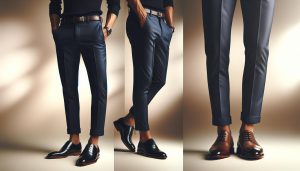
When facing a court appearance, the importance of your outfit cannot be overstated. The way you present yourself speaks volumes about your respect for the legal process and your seriousness regarding the matter at hand. Choosing the right professional attire is essential for commanding respect and instilling confidence in yourself and others.
Many find the decision overwhelming-wondering which colors convey authority or what styles maintain a polished image while still being comfortable. This guide will provide you with practical outfit recommendations tailored to various courtroom scenarios, ensuring that you feel empowered and prepared. Whether you’re a defendant, a witness, or attending as a supporter, understanding how to dress for court can alleviate some of the stress associated with legal proceedings. Explore outfit inspirations and tips designed to make you look and feel your best as you step into the courtroom.
What to Consider When Choosing Court Attire
Choosing the right attire for court can make a significant difference in how you are perceived, with first impressions being crucial in a legal setting. Court is often a formal environment, and your outfit should reflect respect for the process and those involved. Consider factors such as the type of case, the specific courtroom’s dress code, and the overall message you want to convey through your appearance. While it’s essential to comply with the courtroom’s guidelines, your attire can also serve as a powerful statement of professionalism and self-assuredness.
When selecting clothing, prioritize comfort alongside professionalism. You want to feel confident and at ease, allowing you to focus on the proceedings. Opt for well-fitted garments that you can move in comfortably. For tops, classic button-up shirts or blouses in neutral or muted shades often work well. Pair them with tailored slacks or a professional skirt to create a polished look. It’s also wise to check for any specific court attire guidelines; for example, some gov/media/1445696/courtroom-dress-code.pdf” title=”[PDF]… for … Proceedings – Texas Courts”>courts prohibit excessively casual clothing such as shorts or flip-flops, while others encourage business casual attire like neat jeans without holes or frays [[1]](https://www.txcourts.gov/media/1445696/courtroom-dress-code.pdf) [[2]](https://www.traviscountytx.gov/justices-of-peace/jp1/rules-attire-conduct).
In shopping for your outfit, consider your personal style and how it can play into a professional appearance. Solid colors often command authority and attention, while patterns should be subtle. If you’re accessorizing, aim for minimalism-think simple earrings or a classic wristwatch. Footwear is another important aspect; choose comfortable yet professional shoes, like loafers or low heels, ensuring they are appropriate for walking and standing if needed. By thoughtfully considering these elements, you can create an outfit that not only commands respect but also reflects your personality and maintains comfort throughout your court appearance.
Professional Outfit Essentials for Court Appearances
Choosing the right outfit for a court appearance can significantly influence how you are perceived by judges, juries, and legal professionals. The courtroom is a formal environment, and your attire should reflect respect for the legal process and those involved. A well-thought-out ensemble not only conveys professionalism but also instills confidence, allowing you to focus on the proceedings without being distracted by your outfit.
When selecting your clothing, prioritize fit and comfort. Your outfit should consist of well-fitted garments that allow you to sit, stand, and move comfortably. For tops, consider classic options like button-up shirts or blouses in neutral colors such as white, black, or light blue. Pair these with tailored slacks or a knee-length pencil skirt for a polished and cohesive look. Avoid overly casual fabrics like t-shirts or sweatshirts, as well as garments with frayed edges or noticeable logos. Remember that the courtroom’s dress code may vary, so it’s wise to check ahead of time if any specific guidelines are in place regarding attire.
Accessorizing also plays a crucial role in your overall appearance. Opt for subtle and minimal accessories that enhance your outfit without drawing excessive attention. Simple stud earrings, a classic wristwatch, and a structured handbag can elevate your look while keeping it professional. Footwear is another critical aspect-choose shoes that combine comfort with style, such as loafers or low-heeled pumps, ensuring they are suitable for walking and standing throughout your court visit.
In addition, keep in mind seasonal considerations. In warmer months, breathable fabrics such as cotton or linens can help you stay cool, while layers for colder seasons offer warmth without compromising professionalism. Planning your outfit with these factors in mind will not only prepare you for your appearance in court but also bolster your confidence, ultimately allowing you to present yourself in the best light.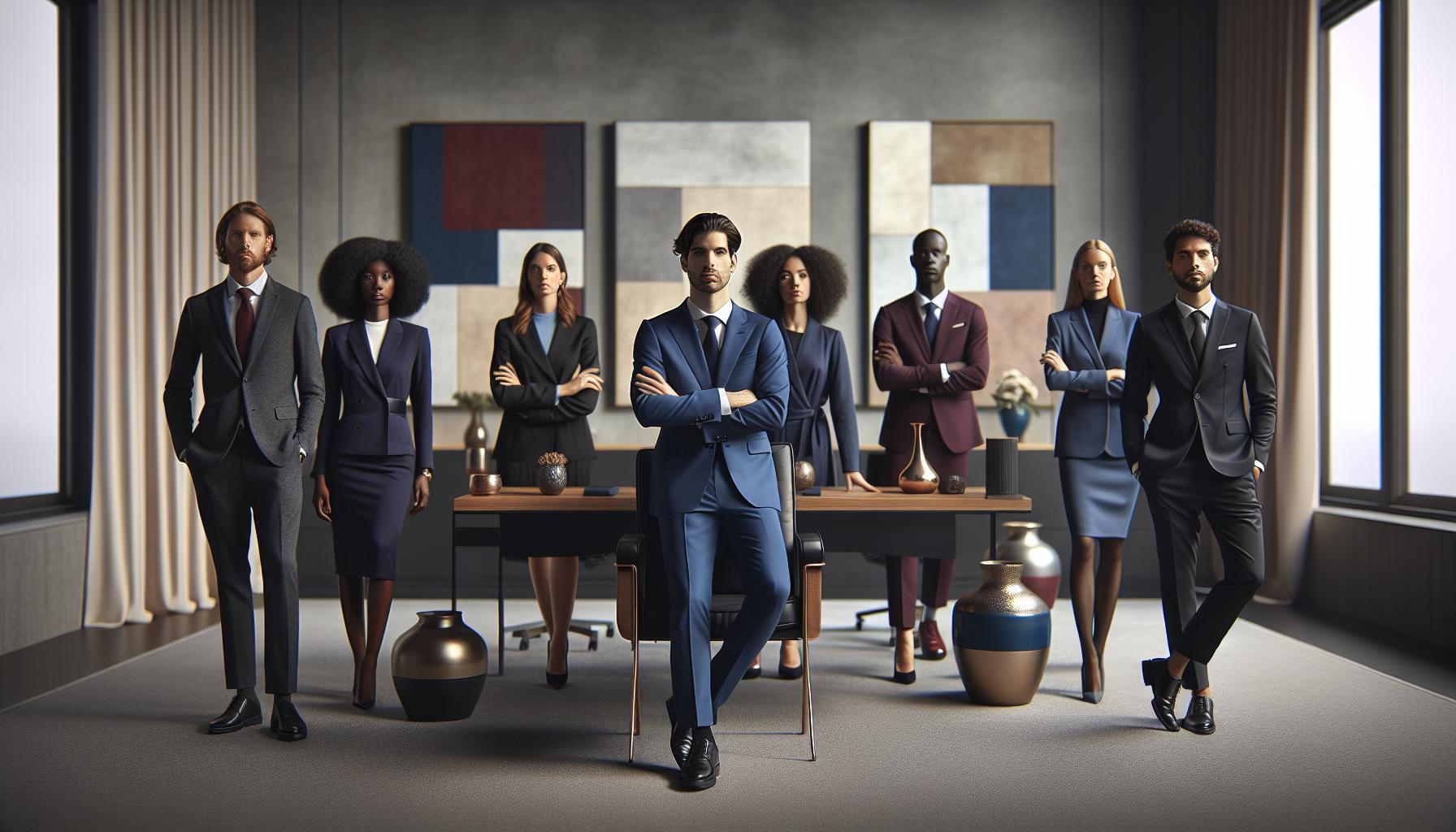
Colors That Command Authority and Respect
Choosing the right colors for your court attire can significantly impact how you are perceived by judges, juries, and legal professionals. Colors convey emotions and ideas, and in a courtroom setting, where credibility and authority are crucial, opting for shades that command respect is vital. Selecting the right palette not only enhances your appearance but also boosts your confidence, making it easier to present your best self.
Neutral colors should be your go-to choice as they exude professionalism and sophistication. Navy blue, charcoal gray, and black are all classic options that project authority while maintaining a muted presence. For instance, a well-fitted navy suit can instill confidence and create a strong first impression, while light gray can offer a softer yet professional image. White or light-colored shirts can serve as an excellent contrast, lending a fresh appearance underneath blazers or suits. These shades are versatile and can be mixed and matched to suit your personal style while ensuring you remain appropriate for the courtroom environment.
When considering color, it’s also essential to think about occasions and personal tone. If your cases tend to involve more stressful environments, consider incorporating a subtle pop of color, like deep burgundy or forest green, through your accessories. This touch can humanize your look while still adhering to a professional standard. Avoid overly bold or bright colors such as vibrant reds or flashy patterns, as they can distract from the seriousness of the proceedings and shift focus away from your intended message.
In summary, sticking to a color palette that includes neutral and rich, deep tones will not only ensure you appear professional but also command the respect you deserve in a courtroom setting. Pay attention to how different shades make you feel; confidence can be drawn from colors that resonate with your personality while staying in line with appropriate courtroom attire.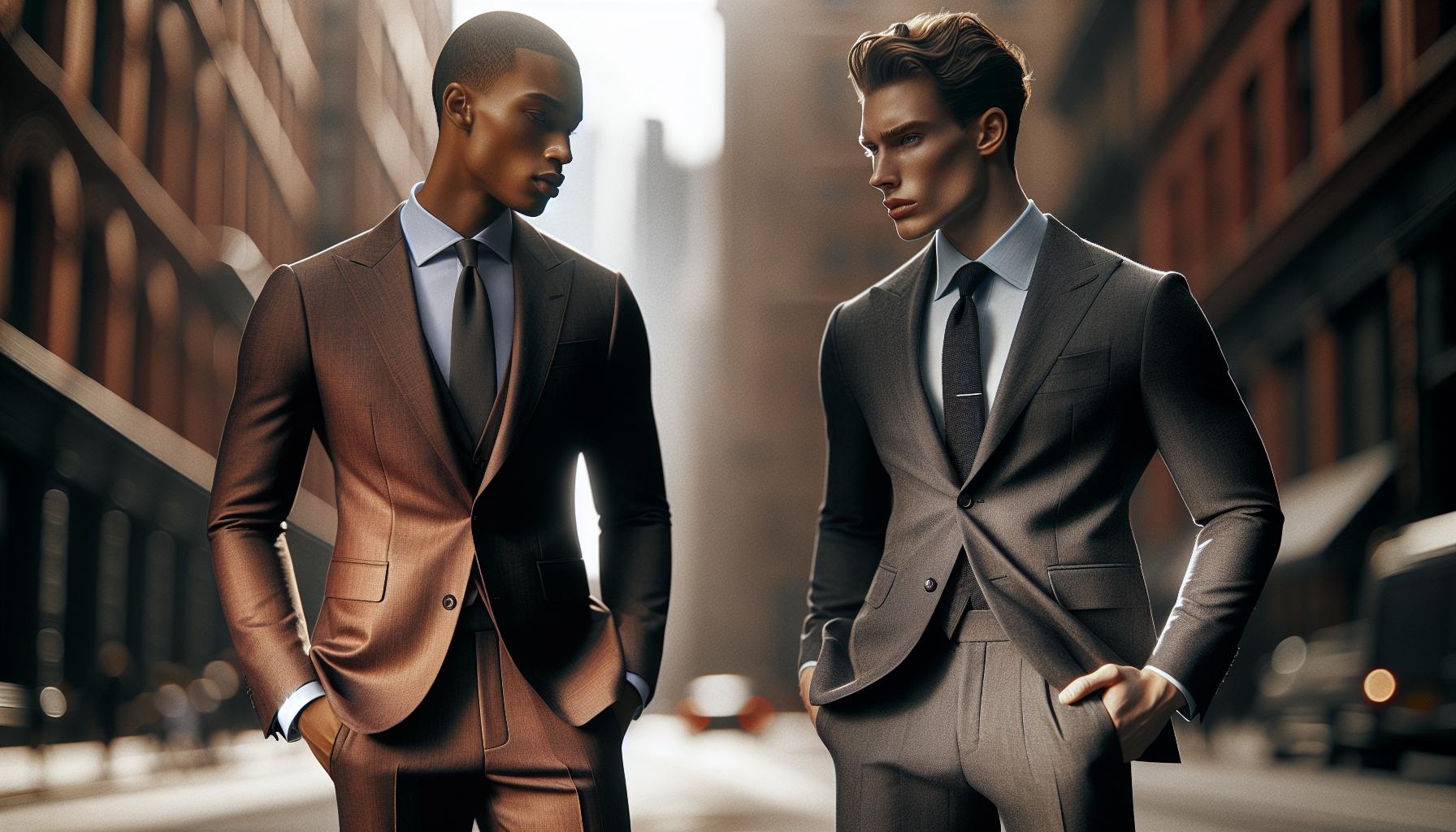
Suit Styles: Tailored vs. Relaxed Fits
When preparing for a court appearance, the fit of your suit can significantly affect how you are perceived. A tailored fit, characterized by well-fitted jackets and trousers that contour to your body, communicates professionalism and confidence. This style is often the preferred choice for legal environments, as it conveys authority and attention to detail. A tailored suit typically features structured shoulders, a cinched waist, and trousers that break perfectly at the shoes, creating a polished and elegant silhouette that can command respect in a courtroom setting.
On the other hand, relaxed fits offer a more modern approach that prioritizes comfort without entirely sacrificing professionalism. This style may include softer materials and a looser cut, allowing for ease of movement-an essential factor for many users who are negotiating the challenges of court appearances. While relaxed fits can be appropriate in some cases, particularly in less formal court settings or when you’re facing a longer day where comfort becomes paramount, they still need to maintain an overall polished look. Pairing a relaxed blazer with tailored trousers can strike a balance between comfort and authority while allowing you to feel at ease as you present your case.
Ultimately, your choice should align with your personal style, body type, and the nature of your court appearance. For instance, if you’re more comfortable in a tailored suit but find yourself needing some room to breathe, consider opting for a tailored jacket made from a slightly stretchy fabric. Alternatively, if you prefer the relaxed style but worry it might undermine your professional appearance, opt for a relaxed blazer paired with fitted trousers that enhance your overall look. The key is to ensure that whatever suit style you choose reflects your personality while also respecting the expectations of the courtroom.
In conclusion, taking the time to assess whether a tailored or relaxed fit suits your individual needs can help you feel empowered and confident. Remember, the right suit not only completes your legal ensemble but also fosters a sense of readiness and strength as you navigate the challenges that come with appearing in court. Embrace the outfit decision-making process as an opportunity to express who you are while presenting your best self to the court.
Dressing for Gender Diversity in Court
The courtroom is a space where personal expression and professional decorum must be balanced delicately, especially when considering gender diversity. In creating an outfit that respects this environment, it’s vital to embrace styles that reflect both individuality and professionalism, accommodating various identities and expressions. An inclusive approach allows all individuals to feel confident in their attire, regardless of gender norms or expectations.
When selecting an outfit, consider pieces that can be styled in versatile ways to suit different body types and personal preferences. For example, tailored blazers paired with tailored pants or a sharp pencil skirt can fit a range of gender presentations while conveying authority. Opt for fabrics that provide comfort without sacrificing style, such as lightweight suiting that can be layered or adjusted according to the climate and personal comfort level. Accessories can further express personality; a colorful scarf or unique tie can inject a sense of individuality into a classic outfit.
Colors play a crucial role in conveying respect and authority as well. While traditional hues like navy or charcoal are always appropriate, don’t shy away from deeper tones such as rich burgundy or earthy greens, which can reinforce confidence. Additionally, patterns like pinstripes or subtle checks can add interest without overwhelming the professional image. In terms of footwear, choose shoes that not only match the outfit but also provide comfort, especially during long hours in the courtroom.
Creating an outfit that respects gender diversity is about finding pieces that resonate with you personally while understanding the professional setting. Strive for a look that allows you to feel at ease and confident as you navigate your court appearance, ensuring that your attire serves as an ally rather than a hindrance. Embrace the opportunity to express your identity through thoughtfully chosen clothing that upholds the standards of decorum required in a court setting.
Accessorizing Wisely: Jewelry and More
In any courtroom setting, accessories can speak volumes about your professionalism and attention to detail. Choosing the right jewelry and other adornments is crucial not just for personal expression, but also for conveying respect for the proceedings and those involved. A well-chosen accessory can enhance your outfit, while a poor choice can detract from the overall impression. It’s essential to strike a balance that promotes confidence while adhering to the formal nature of court attire.
When selecting jewelry, consider pieces that are understated yet impactful.
- Stud earrings or small hoops can add a touch of elegance without being overpowering.
- A classic watch reflects a sense of punctuality and professionalism.
- Simple necklaces or pendants that lay flat against the neckline can enhance an outfit without drawing too much attention.
Avoid large, dangling pieces or items that produce noise, as they can be distracting during court proceedings. For those who may wish to wear rings, opt for one or two well-crafted selections instead of multiple statement rings that can be visually overwhelming.
Color choice in your accessories can also reinforce the messages you wish to convey, similar to your outfit. Sticking to a color palette that complements your attire enhances the cohesive look. For instance, if you are wearing navy or charcoal, consider silver or gold accents. Additionally, incorporating subtle textures, such as a satin scarf or a leather handbag, can add depth to your overall appearance-just ensure they maintain a professional tone.
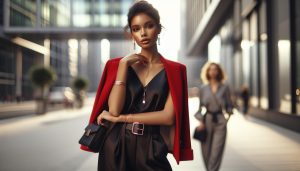
Think about the fitted silhouette of your outfit and let that guide your accessory choices. If wearing a structured blazer, a sleek clutch may round out the look elegantly, whereas a less rigid garment may pair well with a crossbody bag that allows for more movement. Overall, aim for accessories that elevate your professionalism while still allowing for personal flair, ensuring you walk into the courtroom equipped with both style and poise.
Footwear Choices: Comfort Meets Professionalism
Choosing the right footwear for a court appearance is crucial not only for comfort but also for projecting professionalism and confidence. The courtroom is a formal environment, and your footwear should reflect that ethos while meeting the practical demands of the day. Remember, you may be on your feet for extended periods, so finding the right balance between style and comfort is key.
Opt for closed-toe shoes that convey professionalism. Classic pumps with a moderate heel, typically between 2 to 3 inches, can elongate your legs while providing a polished look. For those who prefer lower profiles, chic loafers or embellished flats can offer both comfort and sophistication. When selecting colors, stick to timeless shades like black, navy, or taupe that coordinate with your outfit and enhance the overall ensemble. Avoid overly trendy styles that may draw attention away from your primary purpose in the courtroom.
Comfort and Practicality
It’s essential to consider your personal comfort, especially if you have any foot issues or will be walking a significant distance to your court location. Look for footwear with cushioned insoles and supportive arches to ensure you remain focused on the proceedings without the distraction of sore feet. Stretchable materials that conform to foot shape can also enhance comfort, as can shoes with a slight platform, which can alleviate pressure on your feet.
Incorporate seasonal considerations to ensure your footwear is appropriate for the climate. In warmer months, breathable materials can prevent discomfort from heat and sweat, while in winter, opt for sleek, insulated ankle boots that retain professionalism without sacrificing warmth. Always ensure your shoes are clean and well-maintained, as scuffed or dirty footwear can undermine your overall appearance.
Remember, the goal is to choose shoes that empower you, allowing you to walk into the courtroom exuding confidence and professionalism. When your shoes are both stylish and comfortable, you’re better equipped to focus on your case rather than your feet, leaving a lasting impression on all who are present.
Seasonal Considerations for Court Outfits
When preparing for a court appearance, it’s vital to take into account the season, as it influences not only comfort but also the overall appropriateness of your attire. In a courtroom setting, where the atmosphere is typically formal and serious, your clothing should respect the environment and the proceedings. Understanding how seasonality affects both fabric choice and style can help you present a polished and professional image.
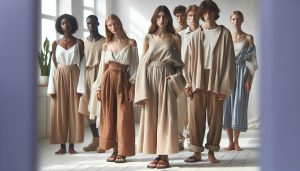
During summer, opt for lighter fabrics that breathe, such as cotton, linen, or blends that wick moisture. A tailored suit made from a lightweight fabric can maintain professionalism without sacrificing comfort in the heat. Choose neutrals like beige, light gray, or pale blue for a fresh and respectful look. Pair a fitted blouse with a structured skirt or tailored trousers to ensure you stay comfortable while looking sharp. Remember to choose foot-friendly, breathable shoes, like closed-toe espadrilles or low-heeled pumps, that keep your feet comfortable on hot days.
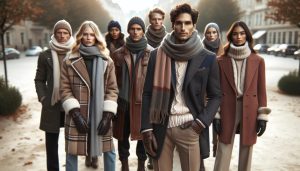
As temperatures drop in fall and winter, switch to thicker fabrics such as wool or heavier blends that provide warmth without compromising on style. A well-fitted blazer or a chic trench coat can elevate your outfit and add an air of sophistication while providing protection against colder weather. Darker hues like navy, charcoal, or deep burgundy can convey authority and seriousness, which is crucial in a court setting. Underneath, wear a classic turtleneck or a button-up shirt that not only keeps you warm but also adds a layer of elegance. Don’t forget to incorporate closed-toe ankle boots-both stylish and practical for navigating colder environments.
Regardless of the season, maintaining a clean and professional appearance is paramount. Always ensure your clothing is well-pressed and free from wrinkles or stains, as this reflects your respect for the legal process. Remember, the goal is to feel confident and comfortable, allowing you to focus on the proceedings at hand rather than your outfit. Adapt your wardrobe to the season while following these guidelines, and you’ll find the right balance between style, comfort, and appropriateness for your court appearance.
Cultural Sensitivity in Court Dressing
In a courtroom, clothing can convey respect and understanding for the solemnity of the proceedings, but cultural sensitivity adds an important layer to your attire choice. Courts are diverse spaces where individuals from various backgrounds and traditions gather. Understanding and acknowledging these differences can enhance your credibility and ensure that your appearance aligns with the courtroom’s expectations while remaining true to your cultural identity.
When selecting your outfit, consider how certain colors, styles, and accessories may hold different meanings across cultures. For instance, while black is often regarded as professional attire in Western contexts, it may symbolize mourning in some cultures. Conversely, brighter colors or patterns may be considered too casual in a courtroom setting but significant in your culture. Strive for a balance that respects your background and adheres to the formal atmosphere required in court.
Practical Tip: If your cultural attire includes specific elements, such as a hijab or a traditional garment, pair these with tailored pieces that adhere to courtroom standards. For example, a well-fitted blazer over a colorful kurta can uphold professionalism while allowing you to express your heritage. Ensure that the outfit is modest and neatly pressed, as this reflects both your respect for the court and your culture.
Lastly, remember to embrace accessories thoughtfully. Jewelry can be a beautiful reflection of your identity but should be kept minimal to avoid distraction. Opt for a delicate necklace or subtle earrings that complement your professional appearance. By thoughtfully blending your cultural elements with traditional court attire, you can confidently navigate your court appearance while honoring your identity.
Common Mistakes to Avoid in Court Dressing
Dressing appropriately for court is not just about personal style; it’s about conveying respect for the judicial process and enhancing your credibility. Many individuals can fall into common pitfalls when selecting their court attire, which can detract from their intended professionalism and authority. Familiarizing yourself with these mistakes can help you make a more powerful impression.
One significant error is selecting overly casual clothing. Items like jeans, T-shirts, or flip-flops may feel comfortable, but they undercut the formality expected in a courtroom. Opt instead for tailored pants or a skirt combined with a blazer. This creates a polished look that communicates seriousness. Similarly, avoiding overly bright colors or extravagant patterns can help maintain the focus on your case rather than your outfit. Classic shades like navy, gray, and black typically command respect and project professionalism.
Another frequent misstep is neglecting proper fit. Clothes that are either too loose or too tight can distract both you and those around you. Ensure that your outfits are well-tailored to your body type, as ill-fitting clothes can evoke discomfort and divert attention. Investing in a couple of tailored pieces or visiting a seamstress for adjustments can make all the difference. Additionally, it’s essential to consider the appropriateness of your footwear. Choosing shoes that are comfortable yet professional-like loafers or low heels-ensures you can present yourself confidently without the distraction of sore feet.
Finally, an often overlooked aspect of court dressing is the impact of accessories. While it’s great to express personal style, wearing chunky jewelry or excessive adornments can be distracting in a court setting. Opt for minimalistic jewelry that complements your outfit without overpowering it. Selecting subtle pieces, such as a delicate bracelet or stud earrings, can enhance your look while keeping the focus where it belongs-on the proceedings at hand. This balances self-expression with the decorum that a courtroom demands.
With these insights, you’ll be better equipped to approach your court appearance with confidence, knowing that your wardrobe choices reflect the respect and seriousness of the occasion.
Budget-Friendly Professional Outfit Options
Choosing the right outfit for court doesn’t have to break the bank. With a little creativity and planning, you can curate a professional wardrobe that conveys authority and respect while staying within budget. The key is to focus on versatile pieces that can be styled in multiple ways, allowing you to make a strong impression in the courtroom without overspending.
Start with a solid foundation by investing in a few core essentials. A tailored blazer, for instance, is a timeless piece that elevates any outfit. Pair it with well-fitting trousers or a simple pencil skirt in a neutral color like black, navy, or gray. This combination sets the stage for more affordable blouses or tops you can rotate in and out. Look for tops in solid colors or subtle prints that are easy to mix. Brands that offer quality yet affordable options are often found in outlet stores or during seasonal sales, making it easier to stay within budget.
Accessorizing on a Budget
Accessorizing can transform a basic outfit into something polished and professional. Instead of splurging on high-end jewelry, consider visiting thrift stores or online marketplaces where you can find chic accessories at a fraction of the price. Minimalistic pieces are not only trendy but also allow you to maintain focus on your case rather than your ensemble. A classic watch or simple stud earrings can add an elegant touch without being distracting.
For footwear, opt for classic loafers or low heels that blend comfort with professionalism. Brands that prioritize comfort often have budget-friendly options available. To further enhance your wardrobe’s versatility, select shoes in neutral tones that complement multiple outfits. Creating a capsule wardrobe of interchangeable items means that you can adapt your look based on the occasion while keeping expenses low.
By thoughtfully selecting key pieces and accessorizing wisely, you can build a professional outfit that commands respect in the courtroom while being budget-conscious. With careful planning and creativity, dressing for court can be both affordable and stylish.
Building a Capsule Wardrobe for Court Appearances
Building a versatile wardrobe for court appearances can streamline your mornings and boost your confidence. When each piece can be easily paired with others, you reduce decision fatigue while ensuring that you always look polished and professional. Start with the essentials: invest in a few high-quality, tailored staples that not only fit well but also complement your body type. The foundation of any successful capsule wardrobe typically includes a selection of blazers, blouses, trousers, and skirts.
Core Pieces to Include:
- Tailored Blazers: A classic black or navy blazer can instantly elevate any outfit. Look for styles that frame your shoulders and nip in at the waist for a flattering silhouette.
- Versatile Tops: Choose a mix of blouses and high-quality cotton shirts in neutral shades and subtle patterns. These can vary in neckline and sleeve length to adapt to different seasons and court decorum.
- Professional Trousers and Skirts: Select a few pairs of well-fitted trousers and a pencil skirt in classic colors. Ensure they are comfortable for long hours while conveying a serious tone.
- Dresses: A knee-length sheath dress in a solid color can serve as a one-piece outfit for days when you want to simplify your styling.
Creating a successful capsule wardrobe is all about layering and accessorizing effectively. To add personality to your outfits, consider incorporating a limited selection of accessories-choose one or two classic statement pieces rather than an overwhelming collection. A structured handbag and a pair of understated earrings can add just the right amount of polish. When it comes to footwear, opt for low heels or classic flats in neutral tones, ensuring comfort while maintaining a professional appearance.
Additionally, don’t overlook seasonal adjustments. In warmer months, lightweight fabrics like cotton can keep you comfortable, while in colder months, layering with cardigans or turtlenecks under blazers can add warmth without compromising style. By curating a capsule wardrobe with interchangeable items, you empower yourself with the ability to present a formidable image in the courtroom while simplifying your daily outfit decisions. Each choice, from color to fit, should reinforce the authority and respect that are essential when making your case, allowing you to focus on what really matters.
Faq
Q: What should I wear to family court?
A: For family court, it’s important to wear business formal attire. Consider a tailored suit or a conservative dress that conveys respect. Neutral colors like navy, gray, or black are recommended. Avoid flashy accessories or casual clothing to maintain professionalism.
Q: Are jeans acceptable in court?
A: Generally, jeans are not considered appropriate for court appearances. It’s best to opt for dress pants or a skirt that fits within business or business casual attire guidelines to show respect for the proceedings.
Q: How should I dress for a court date if I can’t afford formal clothing?
A: If formal clothing is a financial challenge, aim for clean, neat, and well-fitting items you already own. A simple blouse with dress pants or a modest dress can suffice. Ensure your outfit is free from holes or stains to present a respectful appearance.
Q: Can I wear a tie to court if I’m a man?
A: Yes, wearing a tie is encouraged for men in court as it adds a formal touch to your attire. Opt for a tie that is not overly bright or distracting. A classic pattern in subdued colors works best for a professional look.
Q: Should I consider the weather when choosing my court outfit?
A: Yes, weather can significantly impact your court attire. In colder months, layering with a tailored blazer is ideal, while in warmer weather, opt for lighter fabrics. Comfort is key, but always prioritize professionalism.
Q: What colors should I avoid wearing to court?
A: It’s advisable to avoid overly bright colors, flashy patterns, or clothing with slogans and graphics. Instead, stick to neutral, subdued colors that convey authority and seriousness, such as navy, black, or gray.
Q: Is it necessary to wear formal shoes to court?
A: Yes, formal shoes are recommended for court appearances. Closed-toe dress shoes or professional flats are appropriate choices. Ensure they are clean and polished, as footwear can impact your overall impression.
Q: Can I wear casual clothing if I’m just a witness?
A: Casual clothing is generally not appropriate for court, even if you’re a witness. It’s best to adhere to a business casual or formal dress code to show respect for the legal process. Consider items like dress slacks or a modest top.
The Way Forward
As you prepare for court, remember that the right outfit isn’t just about fashion; it’s about projecting confidence and respect. By choosing professional attire that aligns with court expectations, you not only make a strong impression but also reinforce your credibility. If you’re looking for more insights on what to wear for other important occasions, such as job interviews or formal events, check out our guides on professional outfits and style tips designed to empower you in every situation.
Don’t wait to elevate your wardrobe-start planning your court outfit today! If you have questions or need personalized advice, feel free to drop a comment below. Sign up for our newsletter to receive more fashion tips directly to your inbox, ensuring you’re always prepared for your next big moment. Stay stylish, confident, and ready to command respect!