Attending a Jewish funeral can be a profoundly emotional experience, and understanding what to wear is vital to show respect for the deceased and their family. Traditionally, mourning attire leans toward modesty and simplicity, reflecting the somber nature of the occasion. With varying cultural practices within Judaism, navigating appropriate clothing options can feel daunting. However, by choosing respectful and tasteful outfits, you can convey your sympathy and support. In this guide, we’ll explore practical tips on selecting appropriate mourning attire that honors the event’s significance while ensuring you feel comfortable and confident. Whether you’re attending a service in a synagogue or a graveside ceremony, understanding these guidelines will help alleviate the stress of choosing the right outfit, allowing you to focus on commemorating the life of your loved one.
What to Wear: Understanding Jewish Funeral Attire
Attending a Jewish funeral is an opportunity to show respect and support for the grieving family. Understanding what to wear is crucial to honoring the traditions and solemnity of the occasion. In Jewish culture, attire reflects mourning and respects the life of the deceased. It promotes a thoughtful environment for shared grief and remembrance.
When considering your outfit, aim for simplicity and modesty. Traditional colors often include black, navy, or dark shades that convey somberness. These choices not only align with mourning customs but also help to create an atmosphere conducive to reflection. Opt for fabrics that are subdued and understated, such as basic cotton or wool blends, avoiding flashy patterns or excessive embellishments. The goal is to allow the focus to remain on the ceremony and the grieving family rather than the attire.
For men, a simple dark suit paired with a conservative tie is usually appropriate. It’s advisable to steer clear of overly casual options like jeans or bright colors. Women may choose a modest dress or a blouse and skirt combination, ensuring that the cut is respectful and the colors are muted. Layers can be beneficial, especially if the service takes place outdoors or in varying temperatures. Accessories should be kept minimal-perhaps a simple pair of stud earrings or a small, understated necklace. The emphasis should be on supporting those in mourning rather than making a fashion statement.
By thoughtfully selecting your attire, you honor the grieving process and provide the family with the comforting presence they need during this difficult time. Remember, your choice of clothing can reflect solidarity and respect, reinforcing the community spirit at a Jewish funeral.
Key Elements of Respectful Mourning Wear
When attending a Jewish funeral, every detail of your attire can significantly impact the atmosphere of solemnity and support. Understanding the helps ensure that you honor the deceased and console the grieving family. This guide not only helps you choose appropriate clothing but also cultivates an environment of compassion during a difficult time.
To start, simplicity and respect are paramount in your attire. Wearing dark colors such as black, navy, or deep gray is tradition, conveying the seriousness of the occasion. These hues create a somber backdrop that allows the focus to remain on the service and the families involved. Fabrics should be understated-think of materials like cotton, linen, or wool that are comfortable yet respectful. Avoid flashy patterns or bright colors; instead, select solid, muted tones to reflect the gravity of the event.
For men, a dark suit paired with a conservative tie offers a timeless look appropriate for mourning. If a suit feels too formal for the setting, a smart button-up shirt paired with dress pants can work well, especially when in darker tones. Women have a range of options, from modest dresses to coordinating separates such as blouses and skirts. Make sure any dress or outfit chosen has a respectful cut-nothing too short or revealing-to maintain the tone of modesty associated with mourning. Accessories should be minimal; for instance, a pair of simple stud earrings or a delicate necklace may suffice, allowing the outfit to serve its purpose without drawing attention away from the grieving family.
Finally, consider the setting and season. If the service is outdoors or in an area with variable temperatures, layering is key-for example, adding a cardigan or a tailored jacket. This will keep you comfortable while ensuring you remain appropriately dressed. By consciously selecting your attire based on these elements, you not only uphold the traditions associated with Jewish mourning but also provide a source of comfort and solidarity to those who are grieving. Your carefully chosen outfit transcends mere fabric and threads; it manifests your respect and compassion towards the deceased and their loved ones.
Traditional Colors and Their Meanings
Choosing the right colors for a Jewish funeral is integral to honoring the deceased and showing support for the grieving family. Traditional mourning attire primarily features dark, muted shades that symbolize grief and respect. Black, navy, and deep gray are the most common choices, with black being the classic color of mourning in many cultures, including Judaism. These colors create a solemn atmosphere that aligns with the seriousness of the occasion, allowing attendees to focus on remembrance rather than individual expressions of style.
Color can carry deep meanings in the context of mourning. For instance, black represents the most pronounced expression of sorrow and is universally recognized as the color of mourning. Navy blue conveys stability and depth, serving as a sophisticated alternative that still respects the rituals of mourning while allowing for more personal expression. Deep gray reflects neutrality and somberness, making it a fitting choice for such occasions. It’s essential to steer clear of bright colors or flashy patterns, which can detract from the seriousness of the event. Instead, solid, muted hues help create a respectful backdrop that honors the life of the deceased.
When selecting your mourning attire, consider incorporating these traditional colors through various clothing styles that fit your body type and comfort level. For men, options like a dark suit or a navy blazer paired with black trousers can be both elegant and appropriate. Women may find that a black or deep gray dress or a modest blouse with dark slacks works well, ensuring that any outfit chosen maintains a respectful silhouette. Remember that the aim is to reflect solidarity with the family and a shared respect for their loss, making thoughtful color choices even more significant as part of this communal experience.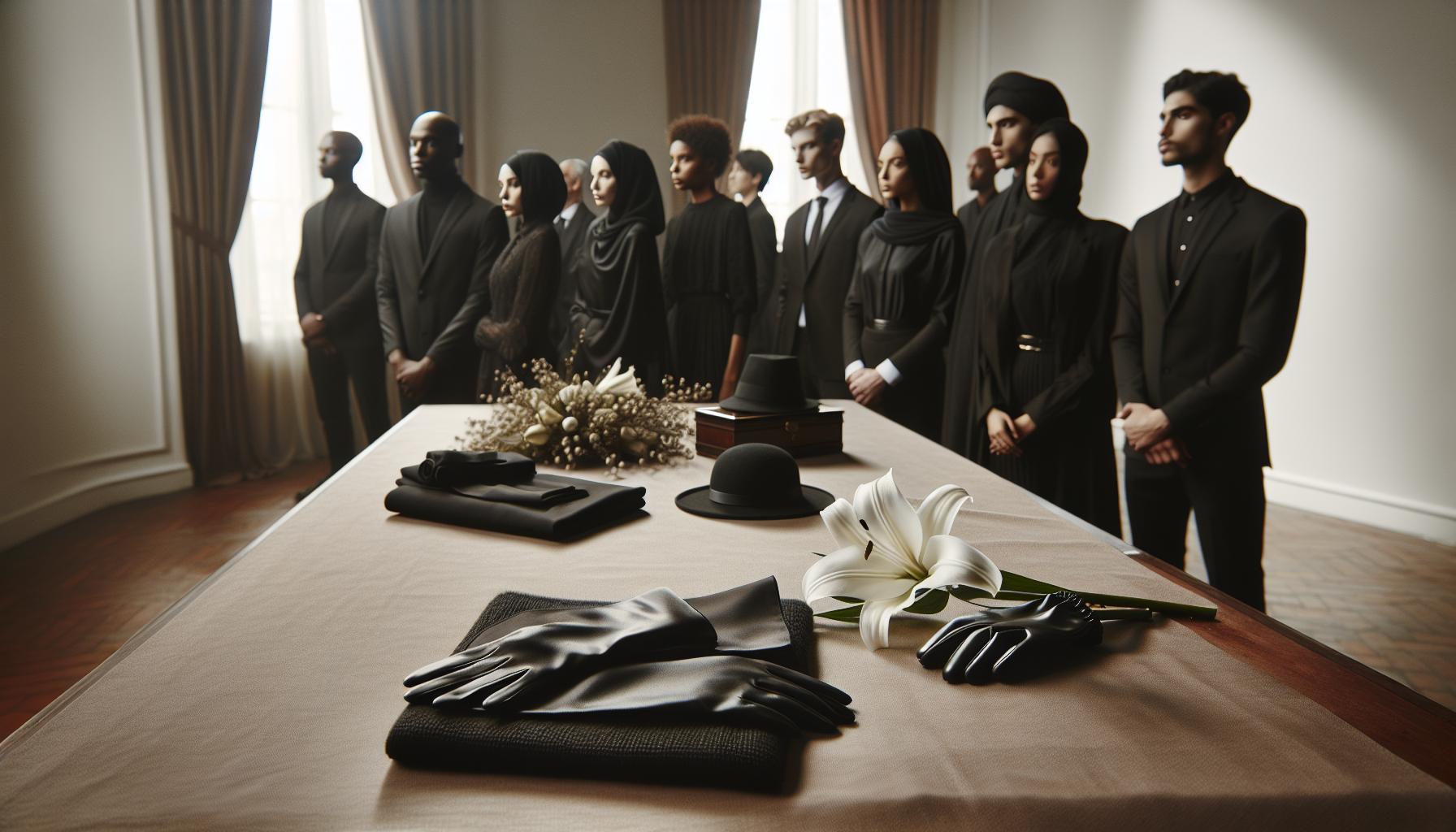
Appropriate Fabrics for Funerals
Selecting the right fabrics for a Jewish funeral is crucial for conveying your respect and compassion during a solemn occasion. Fabrics not only influence the overall aesthetic of mourning attire but also impact comfort and appropriateness. Typically, dark, heavy materials such as wool or polyester blends are favored, as they provide a structured silhouette that emphasizes the formal nature of the event. Soft, breathable fabrics like cotton or linen can also be suitable, especially in warmer weather, but should still conform to the general expectation of modesty and solemnity associated with funeral attire.
For men, opting for a well-fitted suit in darker fabrics like charcoal wool can exude both elegance and respect. A classic white dress shirt paired with a muted tie can complete the look without drawing unnecessary attention. Women might consider dresses or outfits made from silk or jersey, which naturally fall away from the body, offering a refined appearance while maintaining comfort. Accessories such as a tailored blazer or a simple cardigan can provide warmth without sacrificing elegance.
Fabric Considerations for Different Seasons
When attending a funeral, seasonal fabrics play an essential role in ensuring comfort while adhering to respectful attire. In cooler months, heavier fabrics like wool or velvet offer warmth while aligning with traditional mourning colors. In contrast, lightweight cotton or linen can be worn in warmer weather, allowing airflow while remaining appropriate. Here are some key points to keep in mind:
- Winter: Choose thick wool suits or dresses with long sleeves; layering is often appropriate.
- Summer: Opt for breathable cotton or silk; long, flowing garments to maintain modesty are ideal.
- Spring/Fall: Medium-weight fabrics like blends or light knits are versatile; consider incorporating a wrap or scarf for added warmth and elegance.
Incorporating appropriate fabrics not only respects the solemnity of the occasion but also allows you to express your personal comfort and style within the guidelines of mourning. Selecting well-crafted, suitable materials ensures that your attire contributes positively to the atmosphere of remembrance and honor for the deceased.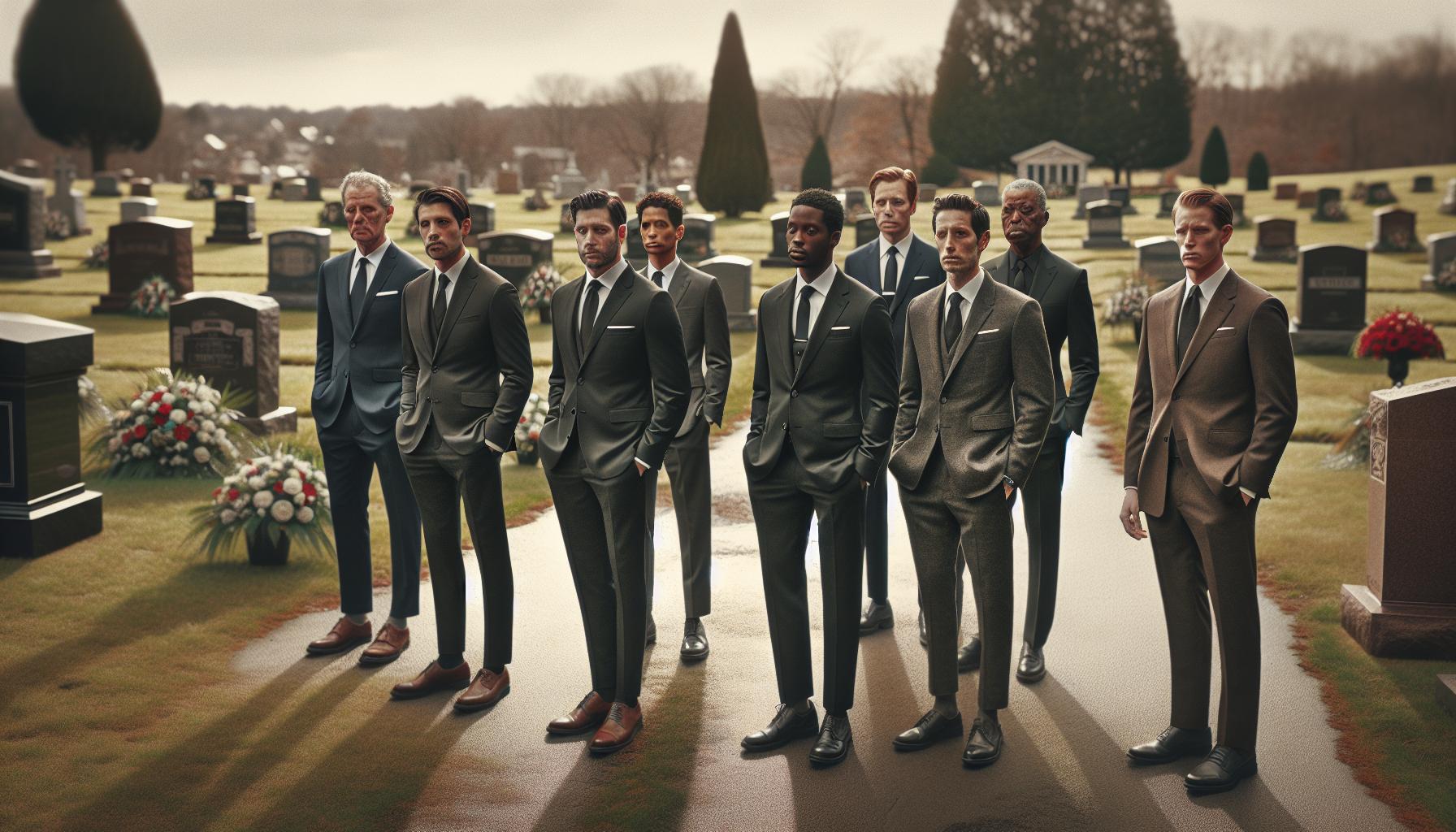
Outfit Ideas for Men Attending Funerals
Choosing appropriate attire for a funeral is an important step in expressing respect and compassion during a time of mourning. For men attending a Jewish funeral, comfort and solemnity are paramount, ensuring that the focus remains on honoring the deceased and supporting the grieving family. When selecting an outfit, it’s essential to adhere to the traditional guidelines of modesty and elegance, typically represented in darker colors such as black, navy, or charcoal.
A well-fitted suit made of a heavier fabric, such as wool, is an excellent choice for this occasion. Pairing it with a classic white dress shirt not only symbolizes respect but also creates a stark contrast that embodies traditional mourning attire. To complete the look, a muted tie-perhaps in solid colors or subtle patterns-will add a touch of personal style without detracting from the overall solemnity of the event. Those opting for a more casual approach might consider dress slacks paired with a tailored blazer, which can provide a polished appearance while ensuring comfort.
Footwear and Accessories
Footwear plays a significant role in completing an appropriate outfit. Dress shoes in black or dark brown leather should always be clean and polished. Avoid overly casual styles like sneakers or sandals to maintain the respectful tone of the event. Accessories should be kept minimal; consider a classic wristwatch or a simple belt that complements the suit. Avoid flashy jewelry that could draw unnecessary attention or distract from the solemn occasion.
Seasonal Considerations
Weather can also influence your outfit choice. In cooler months, layers are encouraged; consider a tailored overcoat to add warmth while ensuring sophistication. During warmer seasons, lighter fabrics such as cotton or linen suits are ideal, but ensure they remain in the traditional darker shades. Always aim for clothing that allows for ease of movement and comfort, as the focus should remain on the gathering and supporting those who are grieving.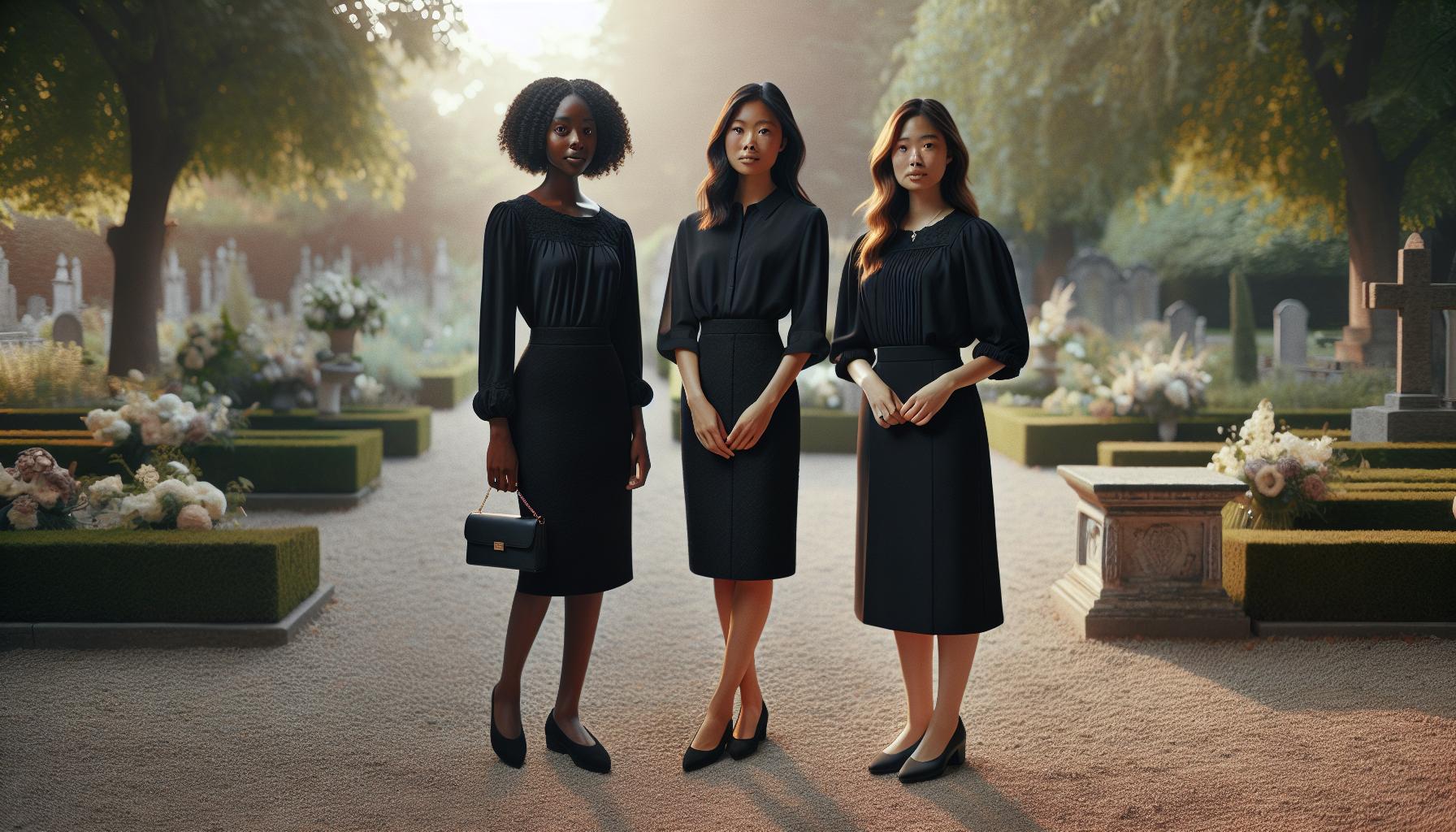
Outfit Recommendations for Women at Funerals
Choosing the right outfit for a funeral can often feel daunting, particularly when wanting to convey respect and compassion in a meaningful way. Women attending a Jewish funeral are encouraged to dress modestly and thoughtfully, embodying the cultural sensibilities associated with mourning. Darker colors such as black, navy, and deep gray are traditional choices, symbolizing both the weight of grief and the solemnity of the occasion.
For a suitable look, consider opting for a simple, elegant dress that falls at or below the knee. This not only aligns with traditional mourning attire but allows for comfort as you navigate through the somber atmosphere. Pairing this dress with a tailored blazer can provide a polished touch while ensuring modesty. Alternatively, a dark skirt and blouse combination, particularly with long sleeves or at least three-quarter lengths, can also work beautifully. Fabrics should ideally be heavier, as lighter materials may feel too casual.
Footwear and Accessories
When it comes to footwear, closed-toe shoes in black or dark colors are recommended. Aim for a mid-heel or flat design to ensure comfort, particularly if you anticipate standing or walking for extended periods. Accessories should be kept minimal; a simple pair of stud earrings or a delicate necklace can provide a subtle finish without drawing too much attention. If it is appropriate for your personal style, consider a dark shawl or scarf, which can lend both warmth and an additional element of sophistication to your ensemble.
Additional Tips
Seasonality plays a crucial role in your outfit selection. In cooler months, layering with a dark overcoat or wrap can ensure you stay warm, while also keeping the overall look elegant. During warmer seasons, breathable fabrics such as cotton blends remain appropriate, but ensure they maintain the traditional darker shades. Remember to prioritize comfort along with style, as the focus should be on supporting those who are grieving, allowing you to honor their loss alongside them.
By approaching your outfit choice thoughtfully, you can embody the respect and dignity required for such occasions, making attire decisions easier and less stressful. Your attire can serve as a quiet testament to solidarity with the grieving family, offering both support and reflection during a significant moment of mourning.
Accessories That Fit the Mourning Attire
Choosing the right accessories for a Jewish funeral can enhance the overall look while maintaining the solemnity and respect fitting for the occasion. Accessories serve not only as personal touches but also as gestures of sympathy and support for the grieving family. The key is to select items that are understated yet elegant, allowing the focus to remain on the significance of the moment.
When considering jewelry, opt for simple and modest pieces that complement your attire. Items such as small stud earrings or a delicate chain necklace can add a subtle touch without overwhelming the outfit. It’s generally wise to avoid flashy jewelry, as the goal is to reflect respect during this somber occasion. If you wish to wear a ring, choose something understated-a classic band or a simple gemstone ring can be perfect.
In addition to jewelry, consider incorporating accessories such as scarves or shawls, especially in darker tones. A dark shawl draped over your shoulders not only adds warmth but also provides an extra layer of modesty. Scarves can be styled in various ways, whether loosely wrapped around the neck or elegantly draped over the arms. These elements are not only practical but can elevate your look, providing a refined finish to your mourning attire.
For footwear, close-toed shoes in dark colors are ideal. Aim for comfort, especially if you will be standing or walking for an extended period. Low-heeled shoes or flats are both appropriate and comfortable choices. When selecting a handbag, choose one that is small and unobtrusive, ideally in a matching color to your outfit. A simple clutch can be both functional and stylish while ensuring you maintain a respectful appearance.
Ultimately, the accessories you choose should support your mourning attire while allowing you to express personal style within the confines of solemnity. Aim for a polished look that communicates sensitivity and empathy, reinforcing your supportive presence for those grieving.
Seasonal Considerations for Funeral Attire
Understanding how to dress appropriately for a funeral is crucial, and seasonal factors play a significant role in your outfit choices. Weather conditions can influence not only your comfort but also the fabric and layers you choose. In warmer months, it’s vital to select lightweight materials that are breathable yet still convey the necessary respect. Fabrics like cotton or linen in darker tones often work well; they allow for airflow while also maintaining a subdued appearance that is respectful of the occasion. Pairing a simple yet elegant dress or blouse with a long skirt helps you stay cool while adhering to appropriate mourning attire.
During cooler months, layering becomes essential. Start with a long-sleeved dress or blouse paired with a dark cardigan or blazer. These outer layers not only provide warmth but can also add a polished touch to your overall appearance. Opt for fabrics like wool or thicker blends that retain heat while offering a refined look. A dark, tailored coat can be an excellent addition if you’ll be outdoors for any length of time. Just like in warmer weather, remember to keep your accessory choices subtle. A scarf can add both warmth and a touch of elegance without overwhelming your outfit, helping you maintain the somber tone appropriate for mourning.
Footwear for Seasonal Comfort
Regardless of the season, your choice of footwear should prioritize comfort since you may be standing or walking for an extended period. In warmer weather, low-heeled sandals or closed-toe flats made from breathable materials are ideal. In contrast, during colder seasons, consider closed-toe shoes or ankle boots that provide warmth. Be mindful of color too; darker shades generally align better with funeral attire.
- Warm Weather: Choose breathable fabrics like cotton or linen.
- Cool Weather: Layer with wool or thicker blends for warmth and elegance.
- Footwear: Comfortable flats or boots, depending on the season.
Being adaptable to seasonal changes while remaining sensitive to the context of a funeral can make the process of selecting your outfit much smoother. By planning your attire based on the weather, you can ensure that you’re both comfortable and appropriately dressed to honor the memory of the deceased. Remember, it’s about balancing practicality with respect, allowing you to focus on supporting grieving family members during an emotionally challenging time.
Cultural Variations in Jewish Mourning Dress
Mourning attire in Jewish culture is steeped in rich traditions and varies significantly across different communities and customs. While the general expectation is to dress modestly and respectfully, specific practices can differ based on cultural backgrounds, such as Ashkenazi, Sephardic, or Mizrahi traditions. Understanding these nuances not only reflects your sensitivity toward the grieving family but also honors the diverse practices within the Jewish community.
In Ashkenazi Jewish traditions, it is common to wear dark-colored clothing, typically black or dark blue, to symbolize mourning. Men might opt for tailored suits and white dress shirts, while women usually wear long dresses or blouses paired with skirts, ensuring the attire is not provocative and reflects somberness. Some Ashkenazi individuals also observe the practice of tearing a garment (keriah) as a visible sign of grief. This might influence how one dresses, encouraging the use of simple and unadorned pieces.
Conversely, Sephardic Jews may have different sartorial customs, often incorporating lighter shades while still maintaining a respectful appearance. Loose-fitting garments are favored, allowing for comfort during rituals and ceremonies. Women may don a shawl or scarf, particularly during prayer segments, reflecting tradition while ensuring modesty. In some communities, accessories like a head covering (tichel) are also worn, particularly by women, reinforcing the respectful tone of the occasion.
When dressing for a Jewish funeral, it’s essential to communicate through your attire a sense of empathy and respect for the customs observed by the deceased’s family. Here are some practical considerations:
- Know the Community: Familiarize yourself with the specific customs of the family’s background. This could provide insight into what might be considered appropriate.
- Emphasize Comfort: Regardless of cultural distinctions, prioritize comfort and ease of movement in your outfit, given the emotional nature of the event.
- Subtle Accessories: Choose minimalistic accessories, focusing on pieces that convey sensitivity rather than drawing attention.
Navigating these cultural variations can empower you to choose an outfit that respectfully honors the occasion while allowing you to express your own sense of style within those boundaries. It’s a delicate balance that appreciates the rich tapestry of Jewish mourning customs, ultimately bringing comfort to both you and the grieving family.
Common Mistakes to Avoid When Dressing
When preparing for a Jewish funeral, the right attire is a silent yet powerful way to express your respect for the deceased and their family. However, navigating the nuances of mourning attire can be challenging. Avoiding common mistakes can help ensure your attire honors the somber occasion properly.
One frequent blunder is opting for overly casual or flashy clothing. While comfort is key, it’s essential to maintain a balance between casual wear and the respectful vibe of the event. Avoid wearing bright colors, patterns, or anything that could be interpreted as ostentatious. Instead, focus on dark, muted hues like black, navy, or gray, which are traditionally associated with mourning. This choice not only aligns with Jewish customs but also emphasizes your acknowledgement of the occasion’s gravity.
Another aspect to consider is the fit and style of your clothing. Tight or revealing outfits may draw attention away from the solemnity of the gathering. It’s best to select modest pieces like long skirts, loose-fitting blouses, or tailored suits. For women, layering with cardigans or shawls can add sophistication while maintaining comfort. Men should opt for well-fitted trousers and a simple dress shirt. Remember, the aim is to dress in a way that makes you feel comfortable while also respecting the mood of mourning.
Lastly, being mindful about accessories can greatly impact your overall attire. Overly bold jewelry or accessories can detract from the mourning atmosphere. Instead, choose subtle pieces that signify your respect. Wearing minimalistic earrings, a simple necklace, or classic watch can complement your outfit without overshadowing the occasion. It’s also essential to think about practical concerns, like footwear; comfortable, understated shoes are a smart choice for a day that may involve standing or walking.
By being aware of these common pitfalls and choosing attire that reflects respect and sensitivity, you can contribute to the supportive atmosphere needed during such a poignant time. Your thoughtful choices will not only enhance your personal comfort but also resonate with the grieving family and community.
How to Support the Grieving Family Through Attire
Attending a Jewish funeral is an opportunity to express solidarity and support for a grieving family, and the attire you choose can play a significant role in conveying your respect and compassion. When dressing for such an occasion, it’s essential to remember that your clothing should not only be appropriate and respectful but also reflect the gravity of the situation. Subtle choices can help you communicate your empathy without overshadowing the bereaved, allowing them to feel the warmth of your presence and support.
To truly support the grieving family through your attire, consider these key points:
Emphasize Comfort and Modesty
Choosing clothing that is both comfortable and modest is crucial. Opt for garments that you can move in without distraction or discomfort, such as loose-fitting dresses or well-fitted trousers. Materials like cotton, silk, or blends that breathe well can keep you comfortable throughout the service. For women, layering with a well-tailored cardigan or a simple shawl can add elegance while providing comfort. Men can wear a neat collared shirt and trousers, which conveys a polished yet respectful appearance.
Stick to Traditional Colors
When selecting your outfit, adhering to traditional mourning colors like black, navy, and dark gray can show your respect for the deceased and their family. These colors are not just a dress code; they signify solemnity and grief. This color choice also helps to create a unified atmosphere where the focus remains on honoring the life of the departed rather than on individual displays of style.
Keep Accessories Minimal
Accessories can enhance your attire, but they should remain understated. Opt for subtle pieces, such as a simple pair of stud earrings or a delicate necklace. This approach will help maintain the respectful tone of the occasion. Comfortable shoes are also essential, especially if there is a need to stand or walk for extended periods; choose closed-toe, understated footwear that complements your outfit without being overly flashy.
By putting thought into your attire, you not only honor the memory of the deceased but also provide a comforting presence to those who are mourning. Your respectful choices can help create a supportive atmosphere for the grieving family and contribute to the collective expression of love and solidarity during a difficult time.
Wearing Symbols of Mourning: A Guide
Symbols of mourning play a critical role in expressing grief and solidarity during a Jewish funeral. These symbols not only serve as personal reminders of the deceased but also unite mourners in their shared sense of loss. When attending a funeral, incorporating meaningful items into your attire can demonstrate both respect for the deceased and an understanding of the customs involved.
One common symbol is the kippah, a small cap traditionally worn by Jewish men as a sign of respect and humility before God. Women may choose to cover their heads with a scarf or hat, especially in more traditional settings. Wearing a kippah or head covering communicates a recognition of the sacred nature of the occasion. Additionally, mourner’s ribbons, typically black, can signify your participation in the grief of the family. It’s important to stay modest when selecting these symbols; they should enhance your attire without distracting from the solemnity of the event.
In terms of personal adornments, many choose to wear simple jewelry, perhaps a piece that belonged to the deceased or a meaningful symbol such as a Star of David or a small lock of hair in a locket. While these items can provide comfort, they should be understated to align with the overall theme of respect and mourning. Another option is to incorporate colors that signify mourning, such as black or dark gray, into the accessories, tying them back to your overall outfit.
When selecting clothing, keep in mind the values of the Jewish tradition, which emphasizes community and support during times of mourning. Aim for a harmonious gap between your personal style and the communal atmosphere of the funeral. Wearing symbols and incorporating thoughtful elements into your mourning attire can not only reflect your respect for the deceased but also your support for their family, creating a sense of unity and shared remembrance in such a poignant time.
Q&A
Q: What should I avoid wearing to a Jewish funeral?
A: Avoid bright colors, casual wear like jeans and t-shirts, and overly revealing clothing. Instead, opt for conservative and subdued attire to show respect for the deceased and their family. Refer to the “Common Mistakes to Avoid When Dressing” section for more guidance.
Q: Is it appropriate to wear jewelry to a Jewish funeral?
A: Wearing minimal, understated jewelry is appropriate at a Jewish funeral. Avoid flashy or distracting accessories that could take away from the solemnity of the occasion. Consult the “Accessories That Fit the Mourning Attire” section for ideas on suitable pieces.
Q: How should children dress for a Jewish funeral?
A: Children should wear respectful and appropriate clothing that aligns with adult attire, such as dark colors and modest outfits. Keeping it simple and comfortable can help them navigate the emotional event. For more insights, see the section on “Appropriate Fabrics for Funerals.”
Q: What is the significance of wearing black at a Jewish funeral?
A: Wearing black symbolizes mourning and respect for the deceased. This tradition highlights the significance of the loss and helps create a somber atmosphere. Explore the “Traditional Colors and Their Meanings” section for a deeper understanding.
Q: Can I wear pants to a Jewish funeral?
A: Yes, wearing pants is acceptable, especially if they are tailored and dark in color. Ensure they are paired with a conservative top to maintain respect for the occasion. Check the “Outfit Recommendations for Women at Funerals” for more outfit ideas.
Q: What type of shoes should be worn to a Jewish funeral?
A: Opt for closed-toe shoes that are dark and conservative. Avoid overly casual or flashy footwear, focusing instead on comfort while maintaining a respectful appearance. For further recommendations, see the “Key Elements of Respectful Mourning Wear” section.
Q: Are there specific cultural variations in Jewish mourning dress?
A: Yes, cultural variations exist, with some communities adhering to stricter dress codes. Traditional Ashkenazi customs may differ from Sephardic practices. Familiarizing yourself with these nuances can be beneficial; refer to the “Cultural Variations in Jewish Mourning Dress” section for details.
Q: How can I support the grieving family through my attire?
A: Choose respectful and modest clothing that reflects the seriousness of the occasion. Your attire should convey solidarity and compassion, allowing the family to feel supported during their time of loss. For more ideas, check the “How to Support the Grieving Family Through Attire” section.
Wrapping Up
As you prepare for attending a Jewish funeral, remember that dressing appropriately is a sign of respect for the deceased and their loved ones. By choosing simple, understated clothing, you’ll honor traditions while feeling confident and comfortable. If you have lingering questions about specific attire or customs, visit our articles on “Jewish Mourning Practices” and “Understanding Jewish Funeral Etiquette” to deepen your understanding.
Don’t miss out on valuable insights-subscribe to our newsletter for the latest updates on related topics and tips on dressing for various occasions. Your engagement matters, so feel free to share your thoughts in the comments or explore our fashion guides to ensure you’ve got the right looks for every event. Thank you for visiting, and may you find comfort and strength in your support of your loved ones during this time.