Stepping into a Renaissance fair is like traveling back in time, where colorful costumes and vibrant community spirit come alive. Choosing the right outfit can seem daunting, but it’s a chance to express your creativity and immerse yourself in a magical experience that blends history and fantasy. Whether you’re channeling your inner noblewoman, a spirited peasant, or a daring pirate, understanding how to curate the perfect ensemble is key to enjoying the festivities. In this guide, we’ll explore diverse style options that cater to all body types and budgets, empowering you to look and feel fabulous. Get ready to discover fun, practical tips and inspiration for transforming into your favorite medieval persona, ensuring you shine at the fair while showcasing your unique style. Let’s dive into the world of Renaissance wardrobes together!
Medieval Costume Essentials for Your Renaissance Fair
When preparing for a Renaissance fair, having the right medieval costume essentials can transform your experience from ordinary to extraordinary. Picture the vibrant colors, intricate designs, and the sense of stepping back in time. The key is to blend historical accuracy with personal flair, ensuring that you feel comfortable and confident throughout the event.
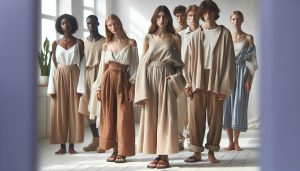
Start with the foundational pieces of your outfit, such as a tunic or dress, which were staples during the Renaissance period. For women, a flowing gown or a fitted bodice paired with a skirt can create a classic silhouette. Men might opt for a long tunic or a doublet worn over trousers. Look for fabrics like cotton or linen, which were common during the era, and consider layering with a cloak or cape for added authenticity. You can find a variety of options at dedicated costume sites such as Fantasy Costume or Renaissance Wardrobe, offering attire that captures the spirit of the era.
Accessories are crucial in elevating your look. Consider ornate belts, brooches, and hats to add character. Headpieces such as flower crowns or coifs can enhance your ensemble, and jewelry made of natural materials gives it a rustic charm. Don’t overlook footgear; boots or period-appropriate sandals not only complete your outfit but also provide comfort as you stroll through the fair. When accessorizing, aim for a cohesive color palette and ensure that your pieces complement your clothing choices; pairing earthy tones with metallics can create a stunning effect. Remember, the goal is to express your uniqueness while paying homage to the medieval aesthetic.
Dressing for Different Weather Conditions at Fairs

Choosing the right outfit for a Renaissance fair means considering the unpredictable nature of the weather. Whether you’re enjoying warm sunshine, unexpected rain, or cool breezes, your costume can be just as fluid and adaptable as the elements themselves. Taking the time to layer appropriately can ensure your comfort while staying true to the medieval aesthetic.
For warmer days, opt for breathable fabrics. Lightweight options such as cotton or linen can help keep you cool while still looking festive. A flowing gown or a sleeveless chemise, adorned with a stylish bodice, allows for movement and air circulation. Pair these with open-toed sandals or simple slip-on flats for maximum comfort. Don’t forget a wide-brimmed hat or a floral crown to protect your face from the sun while adding a charming touch to your look. A light shawl can also be a handy accessory to ward off any sudden gusts of wind while remaining in line with the fair’s enchanting atmosphere.
In contrast, if you’re facing overcast skies or a chance of rain, consider layering your costume with a cloak or cape, which not only adds warmth but also enhances the grandeur of your outfit. A fitted dress with long sleeves can work wonders, especially when complemented with a stylish corset or belt for definition. Waterproof accessories-like a decorative umbrella-can be both practical and visually appealing. As for footwear, choose something durable and waterproof to protect your feet from muddy paths while still being period-appropriate. Functional yet fashionable, your ensemble can survive any weather challenge without compromising your Renaissance spirit.
With the right outfit plan in mind, you can confidently navigate the elements and enjoy all the fair has to offer. Whether the sun shines brightly or rain falls softly, your costume will serve you well, enabling you to embrace the magic of the Renaissance.
Top Historical Figures to Inspire Your Costume
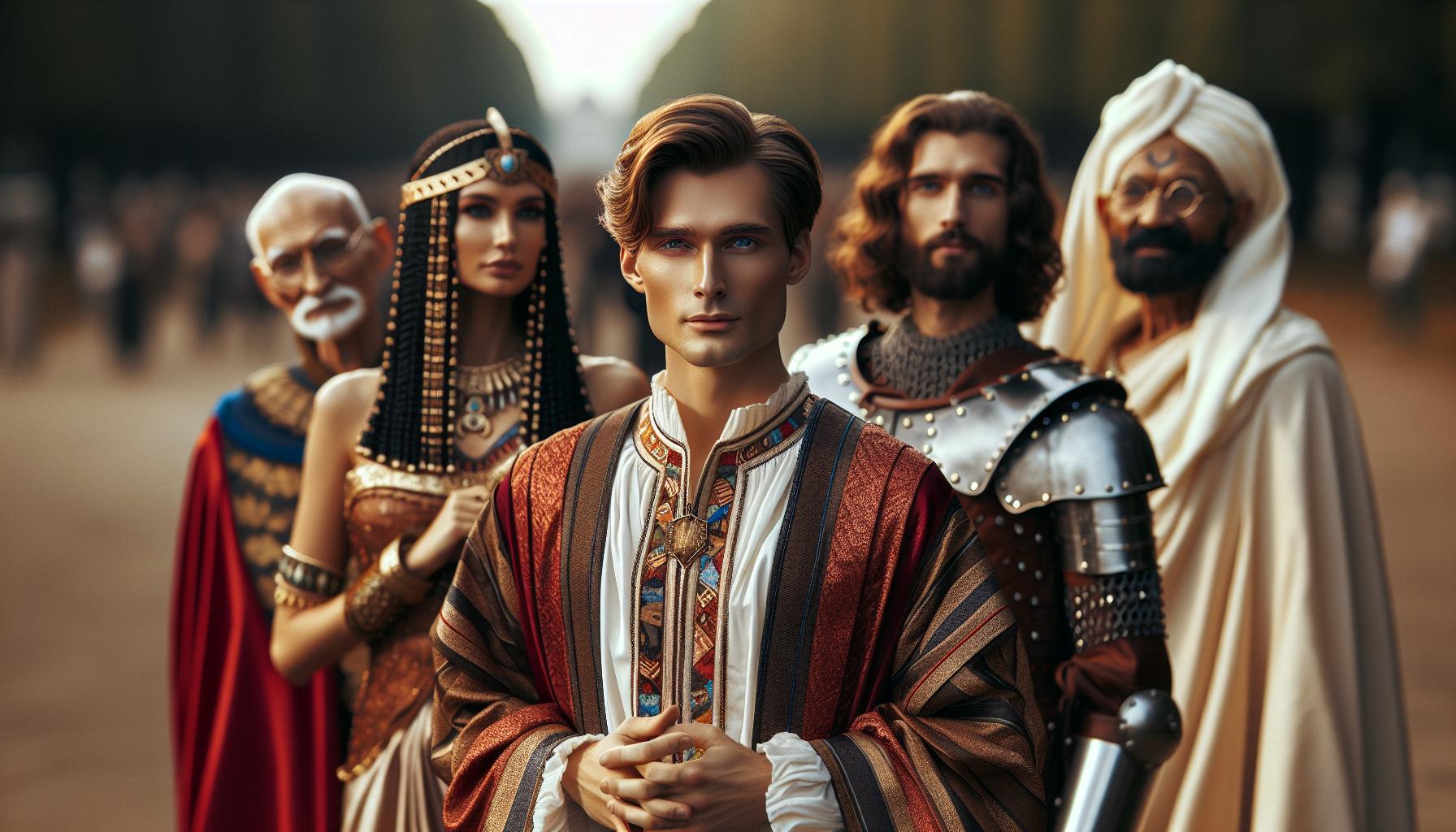
When it comes to drawing inspiration for your Renaissance fair costume, turning to historical figures can open a treasure trove of ideas. These personas not only bring a rich narrative to your outfit but also embody styles that range from the regal to the rustic, making them relatable and accessible for various interpretations. Consider the illustrious Queen Elizabeth I, known for her elaborate gowns adorned with intricate embroidery and vibrant colors. A costume inspired by her could include a full-skirted gown in rich velvet or silk, accessorized with a ruff collar and jeweled headpiece, embodying the elegance of the Elizabethan era.
Another iconic figure to consider is Leonardo da Vinci, whose attire would reflect the intellect and creativity of the Renaissance. For a more gender-neutral approach, a tunic paired with loose trousers and a flowing cloak can capture the spirit of this revolutionary thinker. Opt for earthy tones with hints of color to mimic the artistry he was known for, and add accessories like a quill pen or a palette to emphasize the artistic theme. Embracing the look of such historical icons allows you to participate in the fair while honoring the creativity that defined the Renaissance period.
For those who prefer more whimsical characters, imaginative representations of figures like fairies or elves can perfectly blend historical elements with fantasy flair. Think of a flowing dress adorned with floral motifs and a delicate crown of flowers. By incorporating accents such as wings or a staff, you can create a costume that feels both extraordinary and enchanting. This flexibility in character choice fosters creative expression, allowing you to bring your unique interpretation to life.
Lastly, remember the power of combining influences. Mix aspects from various characters to craft a costume that resonates with your personal style and comfort. Whether you channel the grandeur of royalty, the intellect of great thinkers, or the purity of fantasy beings, each costume choice is a canvas reflecting both history and your individuality, enabling you to shine at the Renaissance fair with confidence and creativity.
DIY Renaissance Costume Ideas on a Budget

Creating a stunning Renaissance costume doesn’t have to break the bank. With a little creativity and resourcefulness, you can craft a fabulous outfit that transports you back in time without the hefty price tag. From repurposing old clothes to scouring thrift stores, inexpensive materials can bring your medieval vision to life. Consider this your guide to assembling an eye-catching ensemble on a budget, celebrating the spirit of the Renaissance while being kind to your wallet.
Start with the basics-an oversized shirt or tunic in natural fabrics like cotton can serve as a great foundation. Look for plain white or earth-toned tops in your closet or local thrift stores. Pair it with a long skirt or wide trousers, which can be made from inexpensive fabric or even an old bed sheet. This not only adds authenticity but is also comfortable for a day of fair activities. For a more authentic look, you can create a corset using ribbon and sturdy fabric scraps. Just lace it up over your top for a peasant or noblewoman vibe!
Accessorizing your costume can elevate your look significantly. Consider making simple accessories like:
- A flower crown using faux flowers and a headband, perfect for a fairy or peasant theme.
- Homemade pouches or belts from fabric scraps to carry your essentials while keeping your hands free.
- Giant paper mache hats or helmets, which can be fun conversation starters.
Don’t forget about footwear! You can find inexpensive sandals or flats that mimic the period style, or even create ‘boot cuffs’ with felt to giveregularshoesamedievalflairKeepinmindthatwearinglayersnotonly
Accessorizing Your Medieval Look: Tips and Tricks
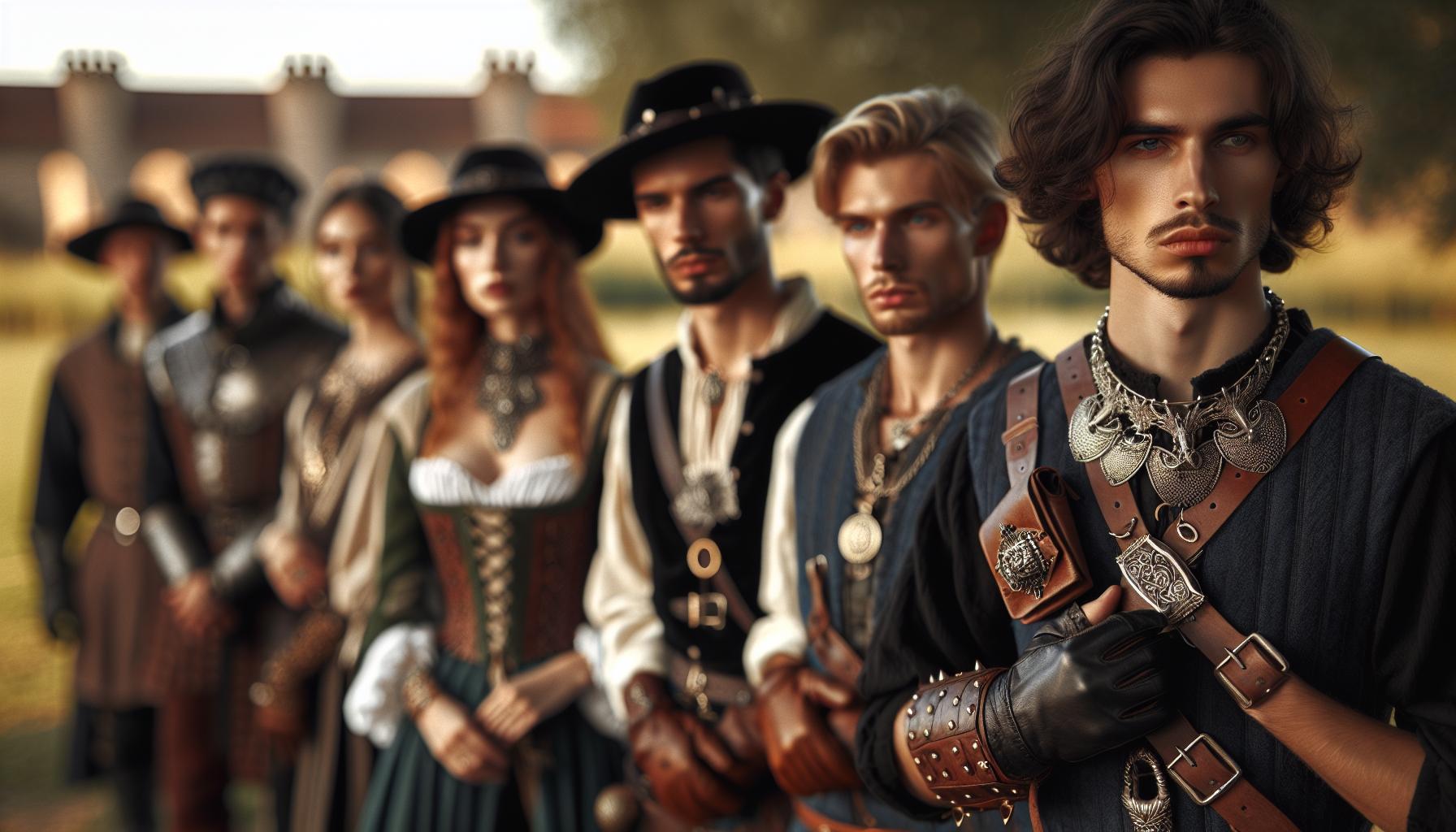
Creating a truly enchanting look for a Renaissance fair hinges on wisely chosen accessories that elevate your outfit from simple to spectacular. The right extras can transport your ensemble into an authentic medieval experience, and the good news is that many charming accessories can be crafted or sourced without splurging. Whether you’re aiming for the regal elegance of a noblewoman or the rustic charm of a peasant, accessories play a pivotal role in bringing your character to life.
Start by considering headwear, which is a vital element of any Renaissance costume. Think about crafting simple yet impactful pieces such as a floral crown made of faux flowers and a headband-ideal for a fairy or simple peasant look. You can also create a soft fabric headscarf or a bonnet if you want a more modest or historical appearance. These elements not only add visual interest but also serve practical purposes, shielding you from the sun during those long days at the fair.
Next, let’s talk about pouches and belts. Handmade pouches crafted from remnants of fabric or leather can be both functional and stylish, offering a place to stash essentials while aligning seamlessly with your overall look. Consider a belt made of thick rope or fabric to cinch in your waist and add dimension to your outfit. These can be embellished with charms or dangles made from beads or natural materials like wood and stone, lending an earthy element reminiscent of Renaissance craftsmanship.
Don’t overlook the power of footwear! While traditional sandals or flats can be suitable, a clever trick is to transform your modern shoes with boot cuffs made from felt or fabric scraps. These additions can instantly evoke a medieval vibe. Additionally, consider adding some whimsical touches like handmade fiber-dyed ribbons or laces around the ankle to mimic the styles of the period. With each accessory, remember that the key is to create a sense of authenticity and delight while also reflecting your personality. Embrace your creativity and don’t hesitate to try different combinations. Your journey through the Renaissance should be as unique as you are!
Footwear That Complements Your Renaissance Outfit
Choosing the right footwear for a Renaissance fair is essential not only for comfort but also for creating an authentic and cohesive look. The medieval period showcased a variety of styles, and by selecting the right shoes, you can elevate your outfit significantly. Historical shoes were characterized by unique shapes, materials, and details that can inspire your selections for the event, allowing you to step back into time while staying comfortable throughout the day.
Renaissance footwear typically includes styles such as Cow-Mouth shoes and pointed boots. The Cow-Mouth shoes, known for their wide and flat tips, can be adorned with various materials and embellishments to match your character’s vibe, from peasant to noble. These shoes are ideal for those seeking a comfortable fit while engaging in activities like archery, dance, or strolling through stalls. For a more striking look, consider knee-high boots that not only provide a snug fit but also add a touch of sophistication to any ensemble. These were commonly laced or buckled to ensure a secure fit, marrying practicality with style [[1](https://armstreet.com/store/footwear/)].
When planning your footwear, consider the fabric and colors of your outfit. Leather or suede shoes in earthy tones can seamlessly blend with the natural look of a peasant outfit, while brighter colors or richer materials could elevate a more regal ensemble. If you need to adapt modern shoes, try adding boot cuffs made from felt or fabric scraps, transforming your everyday sneakers into cute, Renaissance-inspired footwear. A whimsical touch, like fabric ribbons or laces around the ankles, can also add personality and flair, helping you capture the essence of the period [[2](https://www.outfit4events.com/eur/articles/historical-costumes-and-footwear/historical-shoes/)].
Finally, prioritize comfort. Renaissance fairs often involve long hours of walking and standing, so ensure your shoes fit well and provide adequate support. Whether you opt for historically accurate styles or modern variations, focus on what feels right for you. With a little creativity and thoughtful choices, your footwear can enhance your overall look and allow you to fully enjoy the medieval festivities without distraction.
Choosing the Right Fabrics for Authenticity
Choosing the right fabrics can make all the difference when assembling an authentic costume for a Renaissance fair. Historical accuracy is not only about style but also about understanding how clothing was made during the period. Opt for materials that were commonly used in the Renaissance era, such as cotton, linen, wool, and silk. These natural fibers not only mimic the texture and appearance of historical garments but also enhance comfort and breathability as you navigate the fair’s activities.
When selecting fabrics, consider the type of character you wish to portray. For a peasant look, lightweight linens or coarse wool blends can replicate the simplicity and practicality of lower-class clothing. This choice is ideal for comfort on warmer days while still maintaining a historical feel. In contrast, if you’re aiming for a more regal appearance, silk or brocade in rich colors will catch the eye and evoke the splendor of nobility. Layering these fabrics can also provide varying textures and depth to your outfit, adding to its authenticity.
Color Considerations
When it comes to color, historical inspiration is key. Choose deep, saturated hues and earth tones that reflect the dyeing techniques of the time. Think of colors like burgundy, forest green, navy, and mustard yellow. Avoid overly bright or synthetic colors, as these would not have been available in the Renaissance period. Additionally, layering different colored fabrics can create a more dynamic look. Consider pairing a soft cream chemise under a jewel-toned bodice or gown, allowing each layer to peek through for an enchanting aesthetic.
Accessorizing with Fabrics
To further enhance your outfit, integrate accessories made from the same or complementary fabrics. For example, a linen pouch or a velvet belt can serve both functional and aesthetic purposes, while a silk scarf can add a touch of elegance and flair. Don’t shy away from experimenting with textures; a mix of smooth silks paired with rougher linens can create a visually interesting ensemble. As you build your costume, remember that authenticity is about embodying the spirit of the Renaissance-choose fabrics and colors that resonate with your character and reflect your own personal style, making your outfit not just historical, but also uniquely yours.
Incorporating Fantasy Elements into Your Costume
When it comes to adding a touch of fantasy to your Renaissance fair costume, the possibilities are endless. Infusing elements of magic, whimsy, and lore can transform a traditional outfit into something truly captivating. Consider incorporating character traits from your favorite fantasy stories-whether it’s a mystical fairy, a fierce warrior, or a charming bard. Embrace your imagination and let it guide your outfit selections, helping you stand out in the vibrant crowd.
One of the easiest ways to incorporate fantasy elements is through the use of vibrant colors and imaginative prints. Think beyond traditional browns and greens; choose fabrics with shimmering metallics or rich jewel tones. Layering flowing silks or tulle can create ethereal looks reminiscent of fairy tales. For instance, a layered, flowing skirt paired with a fitted corset can evoke the elegance of a woodland nymph, while a bright cloak can bring out the flair of a wandering bard.
Details Matter
Don’t overlook the power of accessories in enhancing your fantasy ensemble. Items such as ornate jewelry, bejeweled headpieces, or whimsical masks can elevate your look. You can craft your own accessories using natural elements like feathers, twigs, or faux gemstones to add a unique touch. For an enchanting effect, consider using LED lights in your costume, such as underneath skirts or as part of a cloak, to create a magical glow as you stroll through the fair.
Another fun approach is to include props that tell a story. A handmade staff or an intricately designed weapon can not only serve as a statement piece but also deepen the narrative of your character. For instance, a fairy might carry a wand adorned with crystals, while a knight could showcase a sword with elaborate detailing. Remember, the goal is to convey a character that resonates with you and invites others to join in the imaginative spirit of the fair.
By allowing yourself to play with creativity, you can craft an enchanting costume that showcases your personality while seamlessly fitting in with the celebratory atmosphere of the Renaissance fair. So, embrace your inner fantasy and let your outfit tell a story that is uniquely yours.
Family-Friendly Costume Ideas for All Ages
Whether you’re attending a Renaissance fair as a family or looking to curate an ensemble that the whole crew can enjoy, family-friendly costume ideas encourage creativity and participation for all ages. Costumes can be both comfortable and thematic, ensuring that everyone has a memorable experience while embracing the spirit of the fair.
To start, consider coordinating outfits around a common theme. For example, you could create a royal family with elegant dresses, tunics, and crowns. Look for flowing fabrics like cotton or linen in rich colors such as deep reds and royal blues. Adding accessories such as sashes, cloaks, and hats can elevate simple outfits into something more enchanting. Children can use simple tunics paired with tights or leggings, while parents can wear flowy skirts or structured pants. Consider crafting DIY crowns from cardboard and decorating them with paint or faux jewels to involve everyone in the process.
For a more whimsical approach, think about creating a group of fantasy characters. Dress up as fairies, wizards, or mythical creatures using playful costumes. This theme opens up possibilities for vibrant colors and imaginative designs. For instance, children might wear colorful tutus or wizard robes, while adults can opt for capes or cloaks adorned with magical symbols. DIY elements like flower crowns, sparkly wings, or electric lights woven into the fabric can make the costumes truly captivating.
Comfort is Key
When planning your family’s Renaissance outfits, comfort should be a priority, especially for young children who may become restless. Opt for breathable fabrics and loose-fitting styles. Think about layering to accommodate changing weather-maybe a lightweight tunic over a shirt with shorts or leggings underneath. This way, kids can revel in their characters without feeling constricted by their attire.
Additionally, props are a fun way to enhance your costumes without complicating the outfits themselves. Simple cardboard swords, wands, or shields can provide children with something to engage with and can be easily attached with colorful tape or ribbons. Not only do these additions help tell a story, but they also add to the visual appeal of your family gathering-a fantastic photo opportunity waiting to happen!
Ultimately, the key to successful family costumes is ensuring everyone feels included and excited about their participation. By focusing on comfortable, coordinating looks and providing opportunities for creativity through DIY elements, you can create a wonderful ensemble that will make memories last well beyond the fairground.
Cultural Appropriation: Dressing Respectfully at Fairs
When dressing for a Renaissance fair, it’s vital to embrace the playful spirit of the event while being mindful of cultural sensitivity. Renaissance fairs celebrate a mix of history, fantasy, and creativity, but some costume choices may inadvertently perpetuate stereotypes or appropriate cultures that are not your own. To honor both the festival’s spirit and the rich diversity of the world around us, consider how your costume choices can reflect respect and awareness.
Start by exploring historical garments from various cultures, and if you’re inspired by a particular era or tradition, research it thoroughly. Understanding the origins and significance behind clothing styles can help you make informed choices. For instance, if you wish to wear elements from another culture’s attire, consider incorporating a simple accessory that pays homage to that culture instead of adopting the entire ensemble. This approach facilitates a deeper appreciation without crossing boundaries.
When selecting your outfit, aim for authenticity within the context of the Renaissance instead of borrowing directly from other cultures. Materials like linen, wool, and cotton in earthy tones will keep your look timeless and appropriate. Avoid costumes that rely on caricatures or exaggerated traits, as these can be offensive. Utilize details inspired by actual historical figures from the Renaissance period to create a captivating character that respects the time while sparking your creativity.
Tips for Dressing Respectfully
- Research cultural significance: Before adopting elements from another culture, understand their importance and avoid elements that could be interpreted as mockery.
- Favor authenticity: Choose clothing from the Renaissance that reflects the historical context of the era.
- Use accessories wisely: Incorporate culturally inspired accessories with care, ensuring they are appropriate and respectful.
- Avoid stereotypes: Stay clear of costumes that reduce a culture to a stereotype, focusing instead on the richness of history.
By approaching your costume choices with curiosity and respect, you can enjoy the creativity of the Renaissance fair while fostering an inclusive environment for all attendees. Let your outfit tell a story that adds to the festival’s vibrant tapestry without overshadowing the beauty and diversity of other cultures.
What Not to Wear: Avoiding Common Costume Mistakes
When preparing for a Renaissance fair, the excitement of stepping into a world of history and fantasy can sometimes lead to costume missteps. To help you present your best self at the event, it’s important to recognize what not to wear. Avoiding common costume mistakes not only enhances your experience but also ensures that your portrayal remains respectful and engaging.
One significant pitfall is opting for costumes that veer into caricature, such as overly exaggerated pirate looks or stereotypical representations of historical figures. Instead, focus on authenticity by choosing outfits that reflect real styles from the Renaissance period. Fabrics like linen, wool, and cotton in rich, subdued colors can create a visually stunning outfit without making you look cartoonish. Furthermore, steer clear of costumes that might inadvertently reduce historical cultures to simplistic stereotypes, as this can overshadow the spirit of the fair.
Another mistake is neglecting comfort and practicality. While it’s tempting to go all out with intricate designs and layers, remember that you’ll be on your feet for long hours. Heavy or restrictive costumes can detract from your experience. Instead, select pieces that allow for movement and freedom. Opt for a flowing gown or a tunic that can be stylish yet breathable, and always consider the weather-dressing in layers can help you adapt to changing conditions throughout the day.
Lastly, don’t forget the significance of accessories. Overloading on items can clutter your look and distract from your main costume. Instead, choose a few well-placed accessories that complement your outfit without overwhelming it. A simple belt or a historically inspired piece of jewelry can elevate your ensemble without taking it over the top. By avoiding these common mistakes, you’ll be well on your way to creating a memorable and respectful Renaissance fair experience.
Evolving Your Look: Renaissance Fair Fashion Tips for Returning Visitors
Returning to a Renaissance fair offers a unique opportunity to refresh and evolve your costume while maintaining that enchanting historical charm. As you step into a world where creativity reigns, consider how you can build on previous outfits or introduce new elements to reflect your growth in style. Embrace the journey of your costume evolution by playing with layers, textures, and accessories, creating an ensemble that captures the spirit of the Renaissance while showcasing your unique identity.
To begin revamping your look, think about incorporating new fabrics and color palettes that resonate with the evolving aesthetics of your wardrobe. Experiment with combining lighter fabrics like linen and cotton for a summer fair or heavier materials like wool for cooler events. Here are some tips:
- Layer Smartly: For a dynamic silhouette, layer a lightweight tunic over a fitted undershirt, adding a flowing cloak for both warmth and elegance.
- Color Pop: Don’t be afraid to introduce bold hues! Consider deep purple or rich emerald green to add a modern twist to traditional colors.
- Textural Play: Mix and match textures, such as a soft cotton gown paired with a leather belt or a velvet bodice over a silk underskirt, to add depth to your look.
Moving beyond your fundamental outfit, accessorizing can dramatically transform your appearance from year to year. Each visit to the fair is an opportunity to rediscover your character and express different facets of your personality. A few key pieces, such as a striking handmade necklace or a unique hat, can elevate your ensemble significantly. Additionally, consider themed accessories that align with your character. For example, a simple crown of wildflowers can evoke a fairy-like essence, while a more structured headpiece may suggest nobility.
At the same time, encourage yourself to embrace your own body and style evolution by tailoring or customizing pieces to better suit your shape and preferences. This can involve simple alterations, such as adding adjustable laces or strategic cutouts, making your costume as comfortable and practical as it is beautiful. With each festival, reflect on how you can mix and freshen your look while remaining true to the enchanting aesthetic of the Renaissance. This blend of familiarity and innovation will not only enhance your experience but also help you feel more empowered in your costume choices.
FAQ
Q: What types of costumes are appropriate for a Renaissance Fair?
A: Appropriate costumes for a Renaissance Fair include period-specific attire such as gowns, tunics, bodices, and capes for women, and doublets, breeches, and cloaks for men. Incorporating accessories like belts, hats, and jewelry can add authenticity. You can find a variety of authentic options at shops like Ye Old Renaissance Shop.
Q: How can I create a budget-friendly Renaissance costume?
A: To create a budget-friendly Renaissance costume, consider DIY options using thrifted or repurposed clothing. Focus on simple elements such as a long skirt or tunic paired with a belt and accessories. Additional details like homemade hats or capes can elevate the look without a hefty price tag. Explore DIY ideas in your article section on “DIY Renaissance Costume Ideas on a Budget.”
Q: Can I wear modern clothing to a Renaissance Fair?
A: While modern clothing is not traditionally appropriate for a Renaissance Fair, you can blend modern pieces with historical styles to create a unique look. For example, wearing a modern skirt with a period-inspired top can maintain comfort while nodding to the theme. Just be mindful to respect the fair’s overarching atmosphere.
Q: What accessories can enhance my Renaissance costume?
A: Accessories like leather pouches, feathered hats, jewelry, and props (such as swords or shields) can significantly enhance your Renaissance look. Incorporating period-appropriate items will boost authenticity and add character to your outfit. For more accessory ideas, refer to the “Accessorizing Your Medieval Look” section in your article.
Q: Do I need to wear a corset for my Renaissance costume?
A: Wearing a corset is optional for Renaissance costumes. While it can create a classic silhouette, many modern designs offer alternative fits that provide comfort. Choose what feels best for you; historical accuracy can still be achieved without a corset.
Q: How should I dress for a hot day at a Renaissance Fair?
A: On a hot day, opt for lightweight fabrics like cotton or linen to remain cool. Choose short sleeves or sleeveless styles and bring a wide-brimmed hat for sun protection. Don’t forget comfortable footwear, and consider a light shawl for evening chills. Refer to the “Dressing for Different Weather Conditions at Fairs” section for more tips.
Q: What are common mistakes to avoid when dressing for a Renaissance Fair?
A: Common mistakes include overlooking cultural sensitivity, dressing too casually, or failing to match your outfit elements (like accessories or footwear). Always ensure your costume is respectful and cohesive for the greatest enjoyment of the Renaissance experience. Reference your article section “What Not to Wear” for further guidance.
Q: Is it necessary to wear period-appropriate shoes at a Renaissance Fair?
A: While not strictly necessary, period-appropriate shoes can enhance the overall authenticity of your costume. Look for leather sandals, ankle boots, or simple flats that complement your attire. Your footwear choice can also contribute to your comfort throughout the day. For footwear tips, see the “Footwear That Complements Your Renaissance Outfit” section.
In Retrospect
As you prepare for your Renaissance Fair adventure, remember that the right costume can enhance your experience and transport you to another era. Whether you opt for stunning gowns or charming accessories, embrace your creativity and let your style shine. Don’t forget to check out our detailed guides on mix-and-match tips for creating versatile outfits and must-have accessories that can elevate any ensemble.
Feeling inspired? Explore our collection of authentic Renaissance costumes and find your perfect look for the fair! With so many options available, there’s no better time to step into the past and make a statement. For continued inspiration, consider signing up for our newsletter or visiting our blog for more tips on costume ideas and styling advice. Ready to dive into the magic of the Renaissance? Start shopping now and prepare for an unforgettable experience!