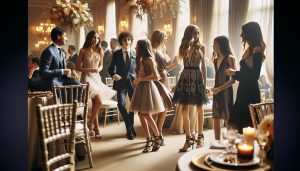
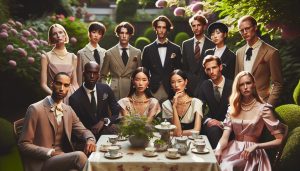
Attending a Renaissance festival is a unique opportunity to step into a world filled with history, fantasy, and creativity. Choosing the perfect costume can enhance your experience, making you feel empowered and confident as you immerse yourself in the festivities. Whether you aim to channel a noble lady, a swashbuckling pirate, or a whimsical fairy, your outfit should reflect your personality and capture the essence of the era.
Navigating the vast array of costume options can feel overwhelming, but don’t worry-this guide is here to simplify the process. We’ll provide outfits that cater to various body types, styles, and budgets, ensuring that everyone can find something they love. From stylish accessories to essential color coordination tips, we’ll equip you with the knowledge to create an unforgettable look. So, let’s dive in and explore captivating costume ideas that will make your Renaissance festival experience truly magical!
Unique Costume Ideas for Your Renaissance Festival Look
Attending a Renaissance festival is not just about immersing yourself in history; it’s an opportunity to express your personal style through imaginative costumes. Think beyond the traditional gowns and tunics. Consider creative variations that can emphasize your unique persona. For example, channel your inner noble with a gown featuring elaborate sleeves and rich fabrics, or embrace the bohemian spirit with earthy tones and flowing layers. Adding elements like feathered hats or lace accents can instantly elevate your look. The goal is to captivate and share a piece of the past that reflects your individuality.
One fun approach is to mix and match styles. A modern twist on a classic look, like pairing a peasant blouse with a long, flowing skirt and leather boots, can offer comfort while keeping it period-appropriate. Don’t forget to harness the power of accessories; a belt with ornate buckles, layered necklaces with vintage charms, or bejeweled headpieces can make your outfit pop. Consider seasonal inspirations too-autumn tones like deep reds and burnt oranges can enhance the festival atmosphere, while lighter fabrics and pastels work beautifully for summer events.
Remember that authenticity doesn’t always mean historical accuracy. Many festival-goers love to incorporate characters from literature or fantasy. Transform into a magical sorceress with flowing robes and a wand, or evoke the spirit of a historical figure with a modern interpretation of a regal outfit. With countless inspiration sources, from fairy tales to historical epics, the possibilities are as endless as your imagination. Embrace the spirit of creativity, and don’t shy away from experimenting. Ultimately, the best costume is one that brings you joy and confidence as you enjoy the festivities.
Essential Tips for Choosing the Right Materials

Choosing the right materials for your Renaissance festival costume can greatly enhance both your comfort and style throughout the event. When selecting fabrics, consider not only the authenticity of the look but also how the material will feel against your skin during a potentially long day filled with activities. Natural fabrics like cotton, linen, and wool are excellent choices; they breathe well, allowing you to stay cool during warmer weather, and provide a historical aesthetic that resonates with festival-goers.
As you explore fabric options, think about how they drape and how they can hold up against a bustling atmosphere. For flowing gowns, lightweight linens and silks can create stunning silhouettes that pay homage to the period’s elegance. However, if you’re embracing the role of a rugged adventurer or a spirited peasant, heavier fabrics like denim or canvas can add both durability and character. Remember to check for stretch, especially in areas where movement is essential; this can be particularly important for fitted bodices or trousers.
Additionally, don’t overlook the impact of texture. Mixing materials can bring depth and interest to your outfit. For instance, pairing a soft linen blouse with a rugged leather corset can deliver a striking contrast, while a velvet cloak can add an element of intrigue and sophistication to any ensemble. Consider the use of natural dyes or patterns that reflect the era. Think about how colors and patterns will combine visually, creating a palette that not only suits your individual style but also echoes the hues found in traditional Renaissance attire.
Lastly, always prioritize comfort and fit in your material choices. Costumes should feel as good as they look; you’ll want to move freely and enjoy the day. Incorporate elements like adjustable ties, laces, or elastic in appropriate places to ensure your costume remains secure and comfortable throughout the event. By mindfully selecting materials that align with your character vision while catering to comfort and functionality, you can confidently showcase a unique and captivating look at the festival.
Accessories That Enhance Your Renaissance Outfit
Elevating your Renaissance festival ensemble is all about the details, and accessories play a pivotal role in bringing your historical look to life. From statement jewelry to thematic props, the right accessories can transform a simple costume into a captivating portrayal of the era. Consider the character you wish to embody: are you a noblewoman, a dashing knight, or a mischievous court jester? Tailoring your accessories to fit your chosen persona will enhance authenticity and make your outfit more engaging.
Jewelry and Belts
To add a touch of elegance to your look, opt for intricately designed jewelry. You can choose bold statement pieces like a chunky necklace or delicate gold chains adorned with pendants that reflect the time period. Consider incorporating gemstones or pearl accents to mimic the opulence of the Renaissance. In addition, a beautifully crafted belt can serve as both a functional and decorative piece, helping to define your waist and adding layers to your costume. Leather, embroidered fabric, or even chains can work wonderfully, depending on your outfit’s overall theme.
Capes, Cloaks, and Hoods
One accessory that can instantly elevate your look is a cape or cloak. These flowing garments not only exude dramatic flair but can also serve as a practical layer against cool festival breezes. Rich fabrics like velvet or brocade, ideally in deep jewel tones, will give your outfit that regal touch. For those portraying more humble characters, a simple hood can add a sense of mystery and authenticity while keeping you comfortable throughout the day.
Props and Thematic Items
Consider carrying props that align with your character’s storyline. A wooden sword, folding fan, or even a basket of herbs can add depth to your portrayal and provide great opportunities for interaction and conversation at the festival. Look for items that are lightweight and easy to manage, ensuring you can enjoy all the day’s activities, from watching performances to indulging in delicious festival fare.
By thoughtfully selecting accessories that resonate with your chosen character, you will transform your Renaissance festival look into something truly extraordinary. Embrace the spirit of the era, and let your unique style shine while staying comfortable and confident throughout your festival experience.
Period-Inspired Fashion Trends You Can Embrace

Bold, vibrant, and richly textured, the fashion of the Renaissance period offers a delightful playground for anyone looking to create a stunning festival outfit. This era is characterized by its exquisite craftsmanship and attention to detail, a trend that can be embraced today. Whether you’re aiming for a regal princess, a cunning baron, or a whimsical peasant, taking style cues from this vibrant period can elevate your festival experience and make you feel truly enchanting.
To start, consider incorporating layering techniques that reflect Renaissance fashion. Historically, layering was not only practical but also a statement of one’s status. For women, a fitted bodice over a flowing skirt creates an elegant silhouette, while men can go for a doublet over a billowing shirt paired with breeches. Opt for rich fabrics like velvet, silk, and brocade in bold colors such as emerald green, royal blue, or deep burgundy to ensure that your outfit stands out in the lively festival atmosphere. Pair these with intricate trims and embellishments like lace or metallic threads to enhance the authenticity and visual appeal.
Accessories play a crucial role in finishing your look, so don’t shy away from dramatic statement pieces. Consider wearing long, flowing sleeves or adding a beautiful embroidered cape. Headpieces such as flower crowns or jeweled tiaras can soften your look and add that fairytale charm. Men might opt for feathered hats or leather pouches to accentuate their ensemble. Remember that an outfit is a balance-matching the formality of your accessories to your clothing will give you a cohesive and polished appearance.
By embracing the color palette of the Renaissance, you can evoke the spirit of the time while also expressing your unique style. Rich jewel tones mixed with earthier shades create a visual feast that mirrors the lushness of the era. To make your outfit pop, add accessories in complementary colors or metallic shades to bring a touch of sparkle and excitement. Pairing your ensemble with shoes that mirror the style of the period, like ankle boots or flat sandals with intricate patterns, ties everything together beautifully, making you feel comfortable yet authentically fashionable throughout the day.
Ultimately, the key to embodying Renaissance fashion is to have fun and experiment. Allow your personality to shine through your choices, and don’t hesitate to mix and match elements until you find the perfect look that makes you feel confident and captivating. Embrace your creativity, and you may find that your festival outfit not only pays homage to an incredible era but also highlights your unique flair.
Budget-Friendly Costume Options for Everyone
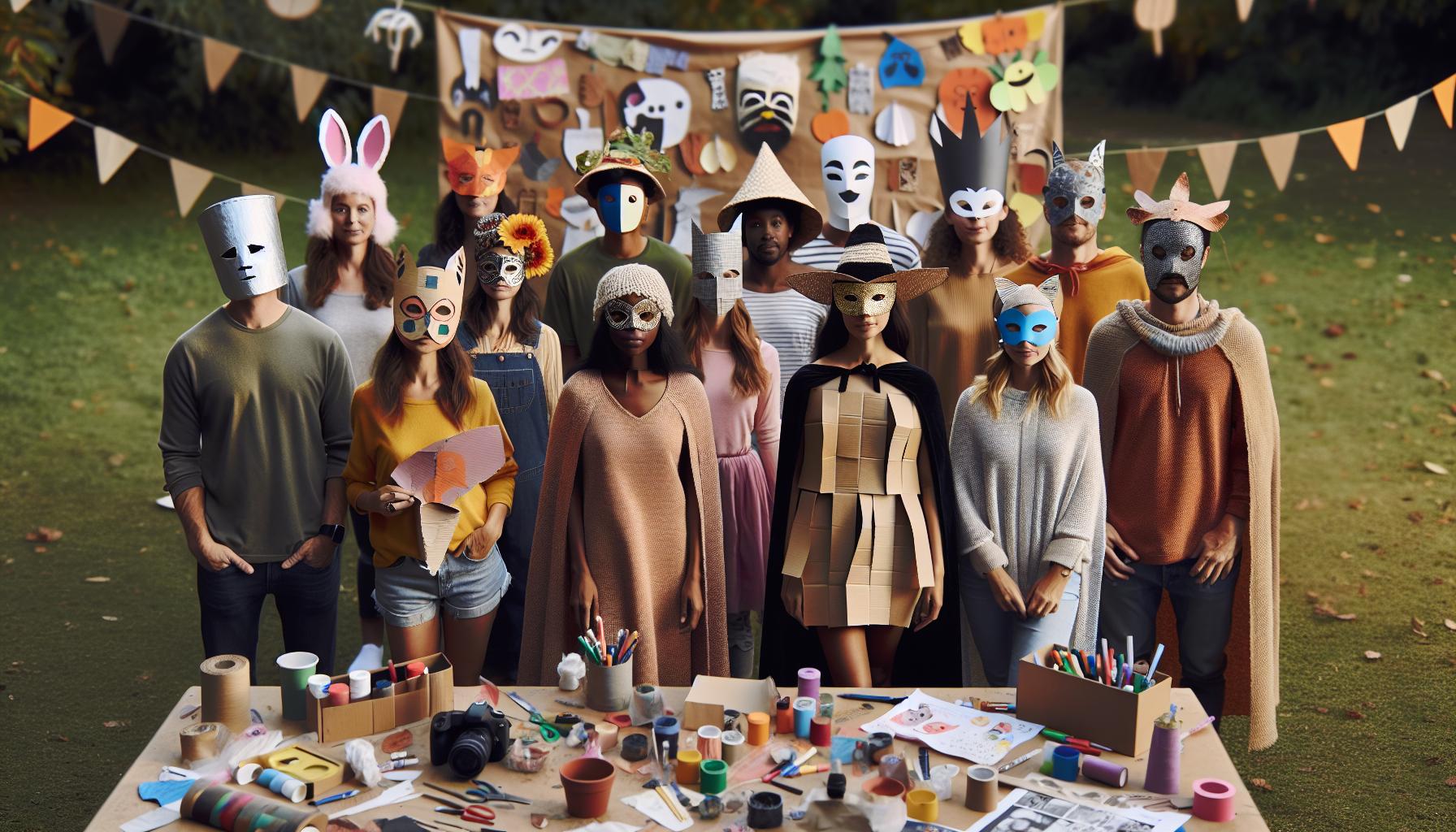
Creating a dazzling costume for a Renaissance festival doesn’t have to break the bank. With a little creativity and resourcefulness, you can capture the essence of the era while staying budget-friendly. The key is to focus on versatile pieces, strategic DIY efforts, and the clever use of materials. By sourcing items from thrift stores, garage sales, or even your own wardrobe, it’s entirely possible to put together a magnificent outfit that resonates with historical flair.
Start with the foundation pieces that can serve as a blank canvas. Look for long skirts, flowy dresses, or loose-fitting trousers that can easily be transformed into Renaissance-style attire. For women, a simple cotton or linen dress can mimic the elegant lines of the period. For men, a basic button-up shirt paired with loose trousers can evoke a medieval look. Consider layering with items like vests, capes, or shawls, which can be made from inexpensive fabrics or even repurposed old blankets or curtains. These layers not only add dimension but also help achieve the detailed aesthetic typical of Renaissance fashion.
Accessorize Like a Royal
Accessories can dramatically elevate your costume without incurring hefty costs. Headpieces play a crucial role-think of flower crowns made from faux flowers, or simple veils created from tulle or lace fabric. Also, belts can be fashioned from ribbon or strips of fabric to cinch garments at the waist, enhancing your silhouette while still being budget-friendly. For footwear, look for plain sandals or ankle boots; if you’re feeling crafty, you can embellish basic shoes with paint or fabric to reflect the style of the period.
Get Creative with Costumes
Consider themed group costumes, which can reduce individual expenses when multiple friends dress similarly. Craft simple capes or tunics that can fit various body shapes while embracing the communal theme of adventure or courtly life. Using costume parties as a chance to bond with friends can also encourage joint DIY projects, making the experience more enjoyable and less financially burdensome.
Ultimately, the essence of a Renaissance festival costume lies in the creativity and effort you put forth, not in the price tag. Embrace the art of mixing and matching from your own closet, and don’t hesitate to get crafty. With resourceful choices and an imaginative spirit, you can create an enchanting outfit that allows you to revel in the festival atmosphere confidently and stylishly.
DIY Costume Ideas: Create Your Own Unique Look
Creating a unique Renaissance festival costume can be one of the most joyful parts of preparing for the event. Using your imagination and a few simple materials, you can assemble an outfit that showcases your personal style while capturing the spirit of the era. Start by thinking about your favorite characters from literature or history-embodying a spirited maiden, a brave knight, or even a whimsical fairy can open up a world of creative possibilities.
To get started, gather versatile base pieces from your wardrobe. Long skirts or dresses in flowing fabrics like cotton or linen serve as perfect foundations for women’s attire. For a more masculine look, loose-fitting trousers paired with a simple button-up shirt can transform into something fitting for a gallant squire. Add a long, flowing cape-easily fashioned from a remnant of fabric or an old blanket-to introduce a dramatic flair. When it comes to colors, earthy tones or muted pastels will evoke the Renaissance vibe while also being modern and stylish.
Layering Techniques
Layering is a fantastic way to add depth and interest to your outfit. Think of incorporating vests, shawls, or even jewel-toned sashes made from materials such as velvet or brocade to elevate your base clothing. Not only do these layers keep you comfortable throughout the day, but they also allow for easy modifications to suit the fluctuating festival atmosphere. If the sun is out, remove a layer; if the temperature drops, simply add more!
Crafting Accessories
Accessories are essential for setting the right tone, and luckily, they can be easily crafted. Create your own flower crown with faux flowers or greenery for a woodland spirit look, or make simple lace veils that can be draped over your shoulders for an ethereal effect. Don’t forget about footwear! A pair of comfortable sandals or ankle boots brings your ensemble together, and with some creativity, you can decorate them with ribbons or paints to mimic historical designs.
Final Touches
Finally, take a moment to personalize your costume with small touches that resonate with you-perhaps a brooch that signifies a treasured memory, or a hand-painted accessory that reflects your artistic flair. The key to a memorable festival outfit is confidence; wear your creation boldly, and enjoy the attention it draws! Remember, the most captivating costumes are those that tell a story, so let your imagination run wild and embrace the spirit of creativity as you prepare for your Renaissance adventure.
How to Layer for Comfort and Style
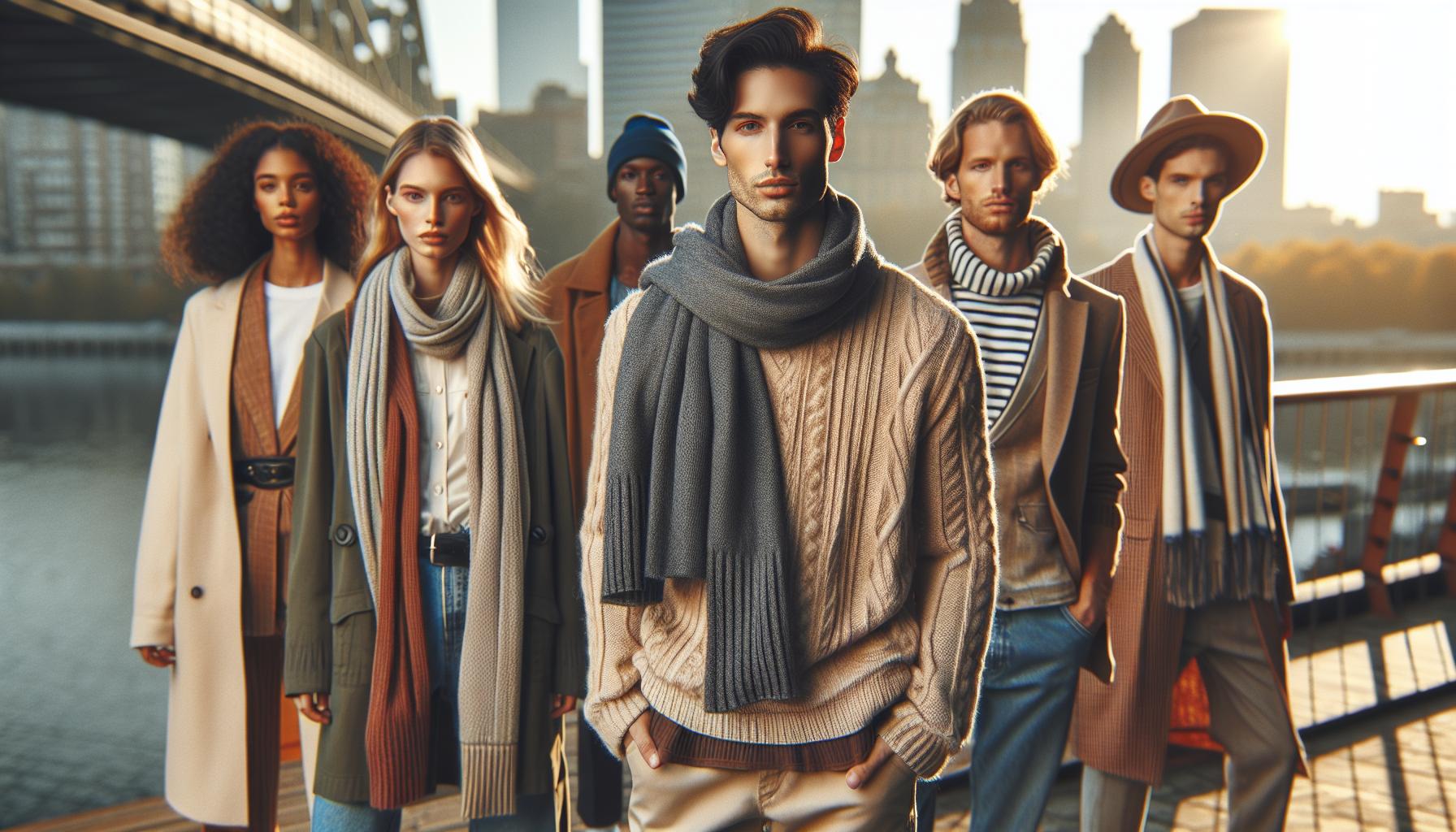
Creating a stunning Renaissance festival look isn’t just about the costume; how you layer your garments can significantly enhance your comfort and style, allowing you to enjoy the day without distractions. Layering provides both a practical solution to unpredictable weather and an opportunity to express your creativity. The beauty of this approach lies in its versatility: you can easily transform a simple outfit into something elaborate with just a few clever additions.
Begin with a solid base such as a flowing dress or loose-fitting trousers and a shirt, which can be made from breathable fabrics like cotton or linen to keep you comfortable throughout the day. From here, consider adding elements such as vests or bodices made of richer materials like brocade or velvet. These not only offer a striking visual contrast but also allow you to adjust your outfit based on the temperature. For example, a lightweight shawl or wrap can be easily thrown on for warmth and removed when the sun comes out, ensuring that you stay cool and comfortable.
Accessorizing your layers thoughtfully can also enhance your overall look. Opt for accessories like ornate belts or cinched sashes that accentuate your waist and create a flattering silhouette. To add depth, consider including long sleeves or arm warmers that peek out from under your layers, giving your outfit a more complete and historically accurate appearance. Don’t overlook the power of color; combining jewel tones with earthier shades can create a stunning visual effect that enhances the Renaissance feel while remaining stylish.
Finally, to further personalize your layered outfit, incorporate unique textiles and textures. You might choose fabrics with differing patterns or finishes to add character, such as lace overlays, embroidered touches, or even subtle metallic threads that catch the light as you move. By focusing on layering effectively, you can craft a Renaissance festival outfit that is not only captivating to the eye but also functional and comfortable, letting you enjoy every moment of your festival experience with confidence.
Color Palette Inspirations for Renaissance Costumes
Choosing the right colors for your Renaissance festival costume can totally transform your look and reflect the vibrant spirit of the era. The Renaissance was known for its arts and vibrant culture, which was mirrored in the rich and diverse color palettes of the time. From deep jewel tones to muted earthy shades, the colors you select can speak volumes about your character, social status, and even your mood.
Color Palette Inspirations
When crafting your Renaissance outfit, consider these captivating color palettes:
- Jewel Tones: Rich shades like emerald green, royal blue, deep purple, and ruby red can evoke a sense of nobility and elegance. These colors work beautifully in velvets or silks, making you stand out at the festival.
- Earthy Tones: Muted greens, browns, and ochres were commonly worn by those of lower social status, reflecting the practical needs of daily life. Fabrics like wool or linen in these colors provide a rustic charm and work well for a more authentic peasant look.
- Pastel Shades: Soft pinks, blues, and yellows can create a delicate appearance, reminiscent of the paler garments worn by women in the upper classes. Using light fabrics like muslin, these options are perfect for warm, sunny days.
- Contrasting Combinations: Combining vibrant colors with earthy tones can create a striking visual effect. For instance, pairing a deep burgundy with a mustard-yellow sash not only enhances your overall aesthetic but adds depth and dimension to your costume.
Practical Tips for Color Coordination
When harmonizing colors for your Renaissance costume, keep in mind a few styling tips:
- Layering for Impact: Use layers in your outfit to incorporate multiple colors without overwhelming the senses. A neutral base paired with vibrant vests or capes can create a visually interesting ensemble.
- Accessorize Wisely: Choose accessories that complement your color scheme. For example, a richly colored belt or a patterned headpiece can pull your look together and reinforce your theme.
- Fabric Choice Matters: The fabric can alter how color is perceived. Shiny materials like satin will reflect light and appear more vivid, while matte textiles like cotton will mute the colors, so choose according to the desired effect.
By carefully selecting your color palette and combining it with the right fabrics and accessories, you can create a breathtaking Renaissance festival outfit that is both reflective of history and uniquely yours. Embrace the opportunity to express your individuality through color, and let your costume be a celebration of the festive spirit around you.
Renaissance Festival Makeup and Hair Tips
At a Renaissance festival, your look isn’t just about the attire; it’s also about how you present yourself through makeup and hair. Although the outfits are often vibrant and elaborate, the right makeup can elevate your entire ensemble by adding a layer of historical authenticity and personal flair. From ethereal fairies to fearsome pirates, your character can shine through with carefully chosen cosmetic elements that complement your costume.
When selecting your makeup, consider the character you’re embodying and the colors in your costume. For instance, if you’re dressing as a fairy, soft, shimmering pastels will create a whimsical look, while a bold pirate outfit might call for darker, more dramatic eyes. A basic routine includes a good primer to ensure that your makeup lasts throughout the day, especially in warmer, humid conditions often found at festivals. Opt for long-wearing foundations and setting sprays to maintain that fresh appearance from morning till night. Use bright eyeshadows in jewel tones or soft pastels, and finish with bold eyeliner to create striking eye designs. Don’t shy away from embellishments like rhinestones or glitter that can add an enchanting touch to your overall appearance.
Hair also plays a significant role in your festival look. If you’ve chosen a noble character, consider elaborate braids or updos adorned with ribbons and flowers. For a more rustic, peasant-like figure, loose waves or simple braids can add authenticity without being overly complicated. Additionally, incorporating accessories like floral crowns or headpieces made from natural elements can bring your character to life, making it more engaging and coherent with your outfit. Using temporary hair color sprays can also enhance your look, allowing you to experiment with vibrant hues that align with the Renaissance theme without a long-term commitment.
Ultimately, the key to stunning festival makeup and hair is balance. You want your makeup and hair to enhance your costume, not overshadow it. Make choices that reflect your character while ensuring everything works in harmony. With a bit of creativity and preparation, your makeup and hair can perfectly complement the incredible experience of a Renaissance festival, allowing you to feel confident and captivating as you immerse yourself in the festivities.
Footwear Essentials for a Day at the Festival
When planning your ensemble for a Renaissance festival, the perfect footwear is just as crucial as your costume. There’s something enchanting about the clopping sounds of well-chosen shoes echoing across the fairgrounds; it instantly immerses you in the atmosphere of medieval markets and royal courts. However, you’ll want to ensure that your choice of footwear is not only stylish but also comfortable, as you may be on your feet for hours while exploring activities, vendors, and performances.
For the authentic Renaissance look, consider leather boots or flats. Sturdy ankle boots, adorned with buckles or laces, can complement almost any outfit, from noble attire to peasant garb. If you lean towards a more delicate look, soft leather slippers or flats with intricate embroidery can also add a charming touch. When selecting your shoes, aim for materials that allow your feet to breathe, especially if the weather is warm. Look for options with cushioned insoles or added arch support to help you stay comfortable during a long day of festivities.
Practical Tips for Choosing Festival Footwear
Here are some practical considerations as you select your festival footwear:
- Fit and Comfort: Make sure your shoes fit well and are broken in before the festival. This will help prevent blisters and ensure you can walk comfortably throughout the day.
- Style Consistency: Choose footwear that aligns with your overall costume theme for a cohesive look. For example, rugged shoes work great for a knight’s ensemble, while dainty shoes suit a fairy or noblewoman.
- Ground Conditions: Renaissance festivals can be set up on grass or uneven terrain, so opt for shoes with good grip. Avoid stilettos or other high heels that may sink into the ground.
- Weather Preparedness: If rain is in the forecast, waterproof boots can be a fantastic option that keeps your feet dry while maintaining your style.
Ultimately, your choice of footwear can enhance your Renaissance festival experience. Whichever style you choose, ensure it reflects your character and allows you the freedom to wander through the festival grounds with ease and confidence!
Family-Friendly Costume Suggestions for All Ages
Getting the whole family involved in your Renaissance festival experience can create lasting memories and make the event even more enjoyable. From whimsical fairies to valiant knights, there are countless family-friendly costume ideas that can cater to various ages and preferences, ensuring everyone feels included in the festivities. Costumes do not need to be elaborate or expensive; with a bit of creativity, you can easily craft delightful ensembles that resonate with the Renaissance spirit.
For younger children, consider costumes that encourage imaginative play. Simple tunics paired with colorful leggings or bloomers can easily step into the realm of noble knights or brave princesses. Add accessories like capes, crowns, or tunic sashes made from lightweight fabric for a magical touch. For infants and toddlers, opt for adorable rompers styled after historical garments or even animal-inspired costumes to maintain comfort while looking charming. Accessories like soft crowns or hats add flair without compromising ease of movement.
Involving older children in crafting their own outfits can be a fun bonding activity. Encourage them to design their own costumes based on their favorite characters from Renaissance tales. This could be anything from an adventurous explorer to a mystical wizard. Provide capes, flowing skirts, or simple shirts as a base, and let them embellish with beads, faux fur, or their chosen color schemes. Pair these outfits with comfortable footwear that they can wear all day, making it easier for them to join in on activities throughout the festival.
When choosing family costumes, consider complementary color schemes to create a cohesive look. For example, a family dressed in various shades of green and brown can evoke the feel of a magical forest theme. Don’t forget the accessories! Each family member can sport unique pieces that reflect their character, such as a knight’s shield, a wizard’s staff, or a lady’s fan, adding an interactive element to your ensemble. Emphasizing fun and comfort will ensure that everyone enjoys their Renaissance adventure, regardless of age.
Special Themes and Events at Renaissance Festivals
Renaissance festivals transport attendees to a world of knights, jesters, and merrymakers, making them the perfect opportunity to showcase your creativity through themed costumes. Events often center around specific historical figures, mythical creatures, or popular legends, providing inspiration for outfits that truly captivate. For example, some festivals may highlight Shakespearean themes, allowing participants to embody characters from beloved plays, while others might embrace pirate motifs, inviting guests to don swashbuckling attire complete with eye patches and elaborate hats.
Special performances, parades, and themed events can dictate what’s popular among festival-goers. Participating in a medieval feast theme? Consider a costume that reflects robust Tudor styles, like a detailed gown or a tailored doublet. Events that celebrate specific holidays or seasons, such as Yule or autumn harvests, can inspire color palettes and accessorizing with elements representative of those times. Think deep jewel tones for fall festivities or light, flowing fabrics for summer gatherings. If the festival includes a costume contest, channeling the spirit of the occasion with vibrant, thematic details will surely make your outfit stand out.
In addition to dressing for specific themes, many festivals host unique events, such as jousting competitions or storytelling sessions, where your costume can convey the character you wish to portray within these settings. Align your accessories and footwear with your outfit’s design, ensuring that comfort and practicality are at the forefront-especially when walking or standing for extended periods. Embrace the opportunity to mix periods or genres; there’s plenty of room for personal expression within the Renaissance theme, whether by incorporating steampunk elements or mythical fantasy details.
With a bit of creativity and attention to detail, you can curate an outfit that resonates with the festival’s overarching themes while showcasing your individual style. Immerse yourself in the enchanting atmosphere, letting your costume be a vibrant expression of the whimsical characters and stories that define the Renaissance spirit.
Q&A
Q: What types of materials work best for Renaissance Festival costumes?
A: Natural materials such as cotton, linen, and wool are ideal for Renaissance festival costumes due to their breathability and historical accuracy. Select fabrics that are comfortable for all-day wear while reflecting the era’s aesthetic. Consider incorporating rich colors and textures to enhance your overall look.
Q: How can I create a Renaissance-inspired look on a budget?
A: You can create a budget-friendly Renaissance outfit by shopping second-hand stores or online marketplaces for vintage pieces. Focus on layering inexpensive garments, such as puffy shirts and long skirts, and accessorize with handmade items or DIY creations for an authentic touch without overspending.
Q: What accessories are essential for a complete Renaissance costume?
A: Key accessories include belts, pouches, hats, and jewelry like brooches or necklaces. Adding items such as cloaks or capes can also elevate your look. Choose accessories that complement your outfit’s colors and style for a cohesive appearance that enhances your costume.
Q: Are there specific color schemes to consider for Renaissance costumes?
A: Historically, jewel tones like deep reds, greens, and blues were favored for their richness. Earthy tones and pastels were also common. When selecting your costume colors, consider how they reflect your character’s status and personality while ensuring they fit the overall festival atmosphere.
Q: How do I add historical accuracy to my Renaissance outfit?
A: To enhance historical accuracy, research specific time periods or regions for costume inspiration. Pay attention to details like sleeve design and fabric choice. Incorporating traditional patterns or using period-appropriate accessories will greatly help in achieving an authentic Renaissance look.
Q: What are some family-friendly Renaissance costume ideas?
A: Family-friendly options include matching outfits like knights, ladies, and court jesters. Simple yet adorable ideas like fairy tale characters or commoners can be fun for children, while adults can opt for historical figures. Focus on comfort and ease of movement to ensure everyone enjoys the festival.
Q: How can I style my hair for a Renaissance festival?
A: Hair can be styled in loose waves, braids, or updos that reflect the era. Use hairpieces, ribbons, or flowers for added embellishment. Avoid overly modern styles; instead, look for tutorials on authentic hairstyles to match your costume’s theme and enhance the overall appearance.
Q: What should I wear on my feet for comfort at the festival?
A: Comfortable footwear is crucial for a day at the Renaissance festival. Opt for leather boots, simple flats, or period-appropriate shoes. Ensure they are broken-in and suitable for walking, as you’ll be on your feet for long hours enjoying the festivities.
In Retrospect
As you prepare for your Renaissance festival adventure, remember that the right costume can truly enhance your experience and allow you to immerse yourself in this captivating era. With a range of options from gallant knights to whimsical gypsies, the possibilities are endless! Don’t miss out on the chance to stand out-visit our costume collection to find your perfect outfit today.
If you’re still unsure about your choices, check out our tips on accessorizing or discover your ideal festival persona through our in-depth guides on costume styles [[2]](https://creedleather.com/blogs/costume-guide/renaissance-fair-costumes-ideas-for-every-style-role) and [[3]](https://faireladiesfairelords.com/). We invite you to share your festival experiences in the comments and explore more on how to elevate your next event-whether it’s a rehearsal dinner or a themed party. Start your journey now, and let your creativity shine in every stitch of your Renaissance attire!