Heading to court can be a daunting experience, and what you wear can significantly impact how you are perceived. The right outfit not only commands respect but also boosts your confidence during this critical moment. In “What Women Wear to Court: 7 Professional Outfits That Command Respect,” we’ll explore how you can strike the perfect balance between professionalism and personal style. From suits to dresses, we’ll guide you through practical recommendations that cater to diverse body types and lifestyles, ensuring you feel empowered and at ease. Discover how thoughtful styling choices can elevate your appearance while keeping the focus on your arguments and presence in the courtroom. Read on to unlock outfit ideas that resonate with your individuality and adhere to court decorum, making your decision-making process a breeze.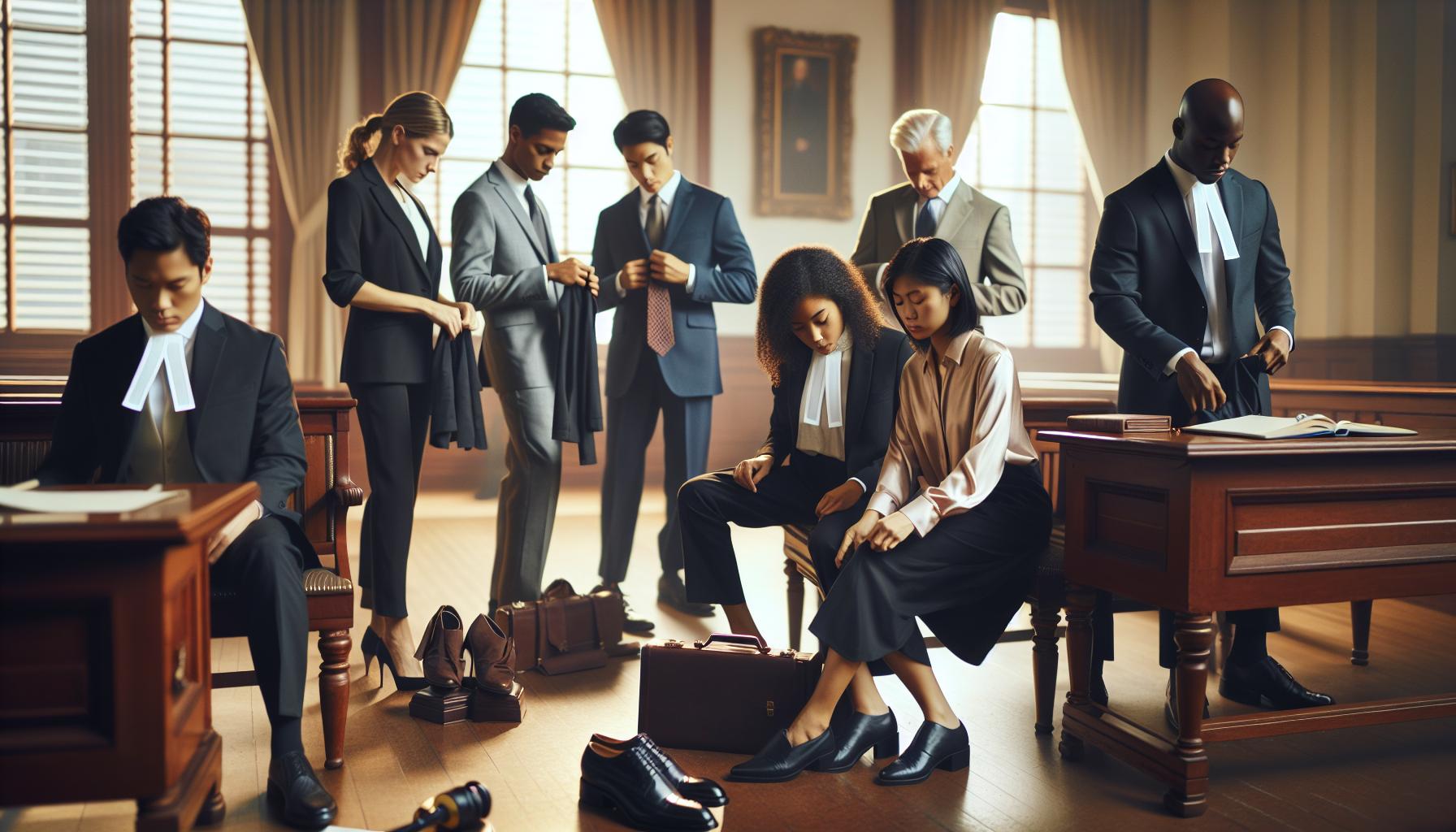
Understanding the Importance of Your Court Attire
Understanding what to wear in a courtroom setting can significantly influence the outcome of your legal proceedings. Your attire acts as a silent communicator, conveying your respect for the court and seriousness about the situation at hand. The importance of presenting yourself professionally cannot be overstated; it not only reflects your personal standards but can also impact the perception of judges and jurors. In a place where every detail counts, clothing can either enhance your credibility or detract from your case.
To create an outfit that commands respect, focus on clothing that is both fitted and flattering without being distracting. Aim for pieces that convey professionalism-think blazers, tailored trousers, and modest dresses or skirts. For instance, a well-structured blazer paired with a knee-length dress can strike the perfect balance between elegance and authority. It’s essential to select fabrics that hold their shape and are comfortable enough to minimize distractions during your time in court. The right outfit can not only ease nerves but also elevate your confidence as you prepare to present your case.
Another crucial element is choosing colors that project confidence and authority. While black is a classic option that symbolizes strength, softer shades like navy or charcoal can appear equally professional without being overly intimidating. Additionally, incorporating colors that make you feel good can enhance your overall presence. Patterns should be minimal to avoid drawing attention away from your message. Accessorizing thoughtfully is also vital; select subtle jewelry that complements rather than overwhelms your look, ensuring your attire remains the central focus.
Remember, your clothing does not merely serve as an aesthetic choice but is an integral part of your strategy. Every element, from the structure of your outfit to the color and accessories, can contribute to how you are perceived in a courtroom. Prioritizing thoughtful and intentional choices in your wardrobe can foster a more commanding presence, making a powerful statement about your commitment to the legal process.
Professional Outfits That Exude Confidence
Dressing confidently for court can be a transformative experience, not just for how others perceive you, but for how you perceive yourself in that high-stakes setting. The right outfit can instill a sense of purpose and professionalism, helping to alleviate nerves and allowing you to focus on your case. When selecting a professional outfit, consider combining elements that exude authority and approachability, ensuring you present yourself as someone who respects the gravity of the courtroom environment.
A quintessential choice for any court appearance is the classic blazer and tailored trousers duo. This pairing creates a sleek silhouette that conveys competence. Opt for a fitted blazer in a neutral color like navy or charcoal, which can be paired with matching trousers or a pencil skirt. This timeless combination not only provides a polished look but also allows for easy movement, ensuring that you can sit comfortably while maintaining elegance.
Additionally, consider incorporating a modest dress into your wardrobe. A knee-length sheath dress in a solid color, paired with a structured cardigan, is highly effective in projecting confidence. Look for fabrics that are breathable yet maintain their structure, like cotton blends or lightweight wools. When accessorizing, choose understated pieces such as stud earrings or a simple pendant necklace that provide just a touch of sophistication without overwhelming the overall look.
To elevate your court outfit further, think about color coordination. Softer hues such as blush or muted teal can convey a sense of calm authority, while maintaining professionalism. Avoid overly bright or busy patterns, as they may distract from your message. Instead, aim for subtle textures such as herringbone or pinstripes, which add depth without drawing too much attention. Lastly, ensure your outfit aligns with any specific dress codes unique to the courtroom you are attending, as showing respect for these guidelines can further bolster your credibility.
Choosing Colors That Convey Authority
Choosing the right colors for a court appearance is more than just a style choice; it embodies your confidence and sets the tone for how you are perceived. Colors can convey authority, professionalism, and composure, which are essential in a courtroom setting. Neutral colors, such as black, navy, and gray, are often regarded as timeless options that instill a sense of seriousness and maturity. These shades not only reflect professionalism, but they also pair well with a variety of accessories and complement diverse skin tones.
When incorporating color into your court attire, consider the psychological impact of various shades. For instance, blue is known to evoke trust and calmness, making it an excellent choice for legal matters. A tailored navy blazer can be paired with a crisp white blouse for a classic look. On the other hand, earthy tones like olive green or warm browns can suggest reliability and groundedness, perfect for creating a down-to-earth yet polished appearance. Balancing these tones with crisp whites or soft creams can ensure your outfit remains light and approachable.
It’s also smart to avoid colors that might distract or cause overexposure. Bright, flashy colors can divert attention away from your intended message, so it’s best to steer clear of neon shades and busy patterns. Instead, look for muted versions of your favorite hues. For example, a muted burgundy can offer a rich depth without overwhelming the senses. Incorporating subtle textures such as a herringbone pattern or a pinstriped fabric can enrich your ensemble while maintaining a professional edge.
Finally, don’t underestimate the power of accessories to enhance your color choices. A scarf in a complementary color can add a touch of personality while remaining within the realm of professionalism. Similarly, shoes in solid, understated shades will anchor your look without clashing with your outfit. By thoughtfully selecting your color palette, you can effortlessly convey authority, confidence, and respect, setting the stage for a compelling court appearance.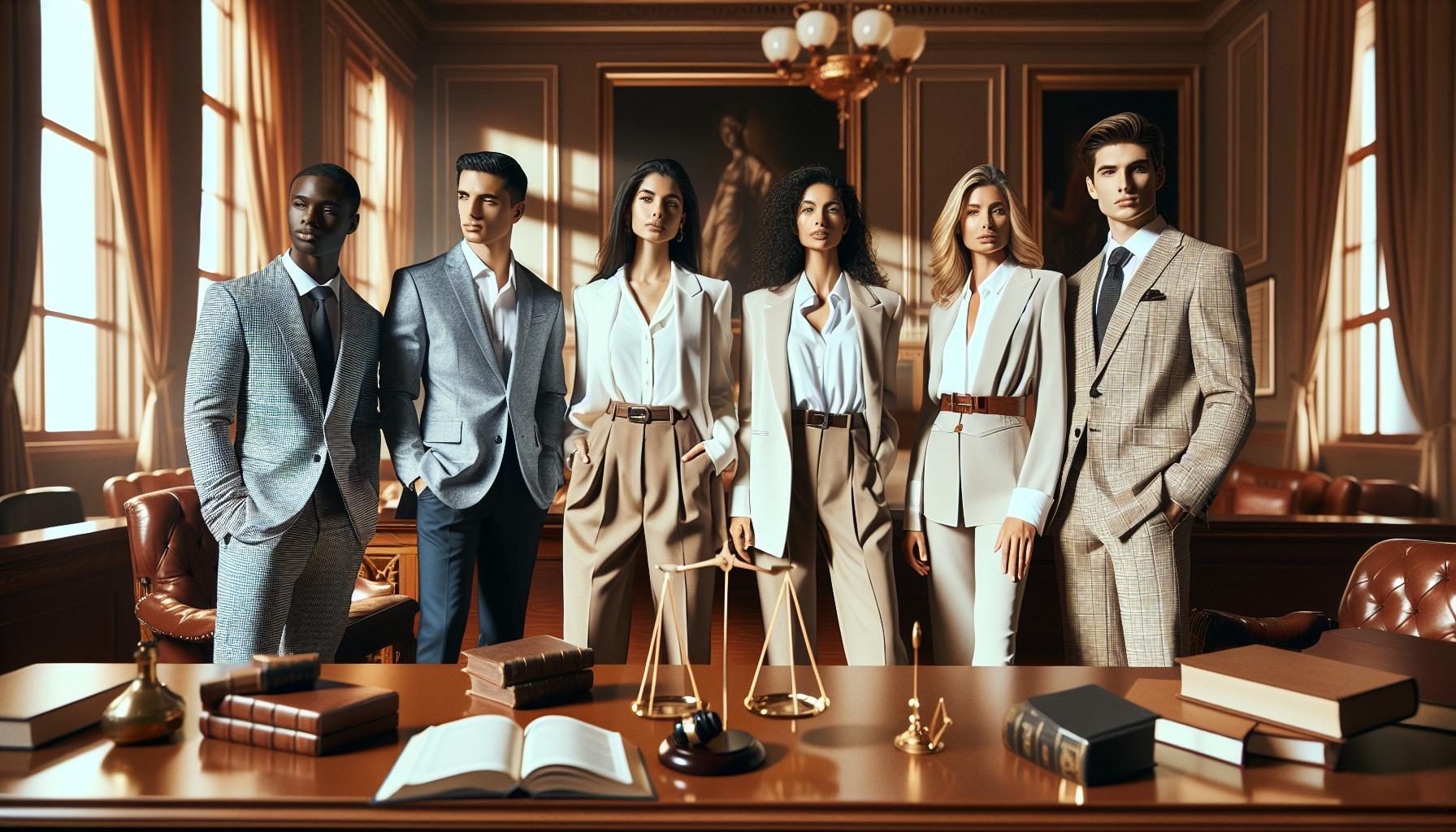
Essential Wardrobe Pieces for Court Style
When preparing for a court appearance, your wardrobe choices are paramount. The right pieces not only enhance your confidence but also showcase your professionalism and respect for the court’s decorum. To craft an outfit that commands respect, consider the essential wardrobe pieces that can create a strong foundation for your court style.
Key Pieces for Your Courtwardrobe
Start with the classic blazer, which is a must-have for any professional woman’s wardrobe. A well-fitted blazer can elevate even simple outfits, lending an air of authority. Opt for neutral colors like black, navy, or gray to maintain that formal tone. Pair your blazer with a tailored blouse or a crisp button-up shirt. Fabrics like cotton or silk offer a polished look that keeps you comfortable throughout the proceedings.
Next, invest in trousers or a pencil skirt that fits well and flatters your body type. Both options can be mixed and matched with your blazer, providing versatility. Make sure your trousers are a classic cut-straight or slightly tapered can elongate your silhouette, while a pencil skirt that hits at or just below the knee is flattering and sophisticated. For a more feminine touch, a shift dress can also work, preferably with a blazer layering for added professionalism.
Footwear and Accessories
Footwear is another significant aspect of your court attire. Choose closed-toe pumps or flats-they should be comfortable yet chic. A low or moderate heel can enhance your stature without compromising comfort since you may be on your feet or walking around the courthouse. Stick to solid, professional colors that match the rest of your outfit, ensuring that your shoes complete your look without distraction.
Accessories should be minimal yet impactful. A simple watch or a pair of stud earrings can offer just the right touch of sophistication without overwhelming your overall aesthetic. If you’re wearing a blazer, consider pairing it with a silk scarf for an added pop of color that remains tasteful. Keep your handbag structured and professional; a leather tote is an excellent choice for both style and practicality.
By thoughtfully curating these essential wardrobe pieces, you can create a powerful court appearance that not only reflects your professionalism but also highlights your personal style. Embrace the process of outfit selection as a way to express your confidence and readiness, ensuring you step into the courtroom prepared to make a strong impression.
Accessorizing for Impact: The Right Touch
In the realm of court attire, accessories form the subtle yet significant finishing touches that can elevate your look while also conveying authority and professionalism. Choosing the right accessories is about striking a balance; they should enhance your outfit without overwhelming it. For instance, a well-chosen piece can add personality to a structured outfit, making you feel more like yourself while ensuring you command respect in the courtroom environment.
For impactful accessorizing, consider starting with your jewelry. Opt for pieces that are elegant but understated. Simple stud earrings or a classic watch can complement your look nicely without drawing too much attention. When selecting necklaces, a short, classic chain or a delicate pendant can frame your face beautifully without overpowering your outfit. Remember, less is often more in a formal setting, so keeping your jewelry minimal will maintain the focus on your overall appearance.
Incorporating a scarf can be a stylish way to infuse color or texture into your outfit. A silk scarf tied around your neck or gently draped over your blazer can serve as a tasteful focal point, adding an extra layer of sophistication. When it comes to handbags, choose one that is structured and professional; a leather tote or a crossbody bag with clean lines not only looks polished but also provides functionality for carrying essentials. Aim for neutral shades or classic colors that harmonize with the rest of your outfit.
Lastly, footwear should not be overlooked. Pumps or clean ballet flats can act as a seamless part of your overall ensemble. Consider adding a unique detail, such as an interesting clasp or subtle texture, to make your shoes pop without drawing excessive attention. By thoughtfully selecting your accessories, you can create a cohesive look that enhances your professionalism and confidence as you step into the courtroom.
Seasonal Considerations for Court Outfits
The shifting seasons bring an exciting opportunity to refine your courtroom wardrobe with style and confidence. Dressing appropriately for court requires a keen awareness of weather conditions while maintaining a professional appearance that commands respect. Each season presents its unique challenges and advantages, so let’s explore how to adapt your outfits accordingly.
In the spring and summer months, consider lightweight fabrics that breathe and keep you comfortable. A tailored pantsuit in a breathable fabric such as cotton or linen can provide both style and ease. Pair it with a classic blouse; light colors like soft pastels or muted shades offer a fresh, polished look. When temperatures rise, opt for knee-length skirt suits or dresses that reflect professionalism without sacrificing comfort. Don’t forget to include a blazer that you can easily remove if you find yourself overheated while waiting.
As autumn and winter approach, it’s essential to incorporate layering into your outfits while ensuring you still exude authority. A well-fitted wool coat layered over a fitted dress or suit can be both practical and stylish. Darker colors, like navy, charcoal, and deep burgundy, are especially suitable for these seasons as they convey seriousness. Adding textures such as knits or heavier materials can enhance warmth while maintaining a polished appearance. Consider wearing tights or more substantial leggings under skirts to stay warm without compromising elegance.
Practical Tips for Seasonal Styling
- Lightweight Fabrics for Warm Weather: Choose breathable materials like cotton and linen. Opt for light colors for a fresh vibe.
- Layering Essentials for Cold Weather: Incorporate stylish cardigans, tailored blazers, or chic coats to manage warmth.
- Accessorizing According to the Season: In warmer months, opt for minimalism with accessories, while in colder months, a statement scarf can add warmth and sophistication.
By keeping seasonal factors in mind, you can build a wardrobe that is both functional and fashionable for court appearances. The goal is to feel confident and composed, no matter the weather outside, so take this approach to curate outfits that resonate with your personal style while honoring the courtroom’s decorum.
How to Choose Footwear That Complements Your Look
Choosing the right footwear for court is a crucial aspect of your overall appearance. The right shoes not only enhance your outfit but also boost your confidence and comfort. Opt for styles that align with the formality of court while providing practicality. Classic options, such as closed-toe pumps and loafers, are timeless choices that blend professionalism with elegance. Remember, every detail matters, and footwear can make or break your look.
When selecting shoes, prioritize comfort without sacrificing style. A moderate heel height is often ideal; it offers a touch of sophistication without causing discomfort during long hours. Consider shoes with cushioned soles to ensure they remain comfortable throughout your day in court. If you prefer flats, go for designs that are refined and tailored, avoiding overly casual styles. Color also plays a significant role; neutrals like black, navy, or taupe are versatile and sophisticated options, while an occasional pop of color can reflect your personality without detracting from the formality.
Additionally, seasonal considerations can influence your footwear choices. In warmer months, breathable materials, like canvas or light leather, can keep your feet comfortable. During colder seasons, choose styles with a closed toe and thicker fabrics to provide warmth. Don’t overlook the importance of practicality-ensure your shoes have sufficient grip and stability, especially if you need to navigate potentially slick courthouse floors.
In terms of specific recommendations, you might choose a classic black pump to elevate a tailored pantsuit, or pair elegant loafers with a well-fitted dress for a polished look. Consider accessories like ankle socks or tights for added warmth and sophistication. Ultimately, your footwear should complement your overall look while ensuring you exude confidence and professionalism in every step you take.
Navigating Dress Codes: What’s Appropriate for Court
When preparing for a court appearance, understanding the dress code is crucial for making a strong impression. Courtrooms are places that command respect, not only for the legal process but also for the individuals involved. Wearing appropriate attire sends a clear message that you take the proceedings seriously. The general guideline is to opt for business attire that is polished and respectful. Think of outfits that convey professionalism and confidence, such as tailored suits, blouses, or knee-length skirts. It’s essential to keep your look refined-this not only reflects well on you but also aligns with the decorum of the court setting.
Essential Guidelines for Court Attire
To navigate the dress code effectively, adhere to the following recommendations:
- Avoid Casual Wear: Steer clear of jeans, t-shirts, sandals, and anything too revealing. These items can come across as disrespectful.
- Focus on Fit: Ensure your clothing fits well. Baggy or overly tight garments can be distracting and uncomfortable, undermining your confidence.
- Choose Modest Cuts: Selecting tops with sleeves and skirts of appropriate length (just above the knee or longer) maintains a professional appearance.
- Mind the Colors: Neutral shades such as black, navy, or grey often work best. You can add softer colors for blouses or accessories but avoid anything too flashy.
Dressing appropriately varies across courtrooms, reflecting local culture and norms. In some jurisdictions, judges may appreciate a more formal approach, while others may be slightly lenient. Researching local customs can be beneficial. Accessories should be understated-think simple jewelry and a medium-sized handbag rather than extravagant pieces. Your outfit’s ultimate goal should be to create a polished look that allows you to focus on the case at hand without worrying about your appearance. This approach not only instills confidence but also demonstrates respect for the legal proceedings and all participants involved.
Dressing for Different Courtrooms: Tips for Women
When preparing for a court appearance, understanding that each courtroom may demand a different approach to attire can empower women to make confident choices. While the foundational rule remains to dress professionally, the nuances of each setting can shift what that looks like. For instance, some courtrooms exude an air of strict formality, while others may lean towards a more relaxed aesthetic. By navigating these expectations thoughtfully, women can create an impactful and respectful presence.
Consider starting in more formal environments, like federal court or high-profile cases, where traditional business attire is the gold standard. Opt for a well-fitted, tailored suit in classic colors like black or navy. Pair a structured blazer with a sophisticated blouse or a conservative dress for a polished look. Accessories should be minimal; think stud earrings and a sleek handbag rather than oversized jewelry. This choice not only reflects professionalism but also helps instill a sense of confidence, essential for the high-stakes nature of legal proceedings.
In contrast, local courts or smaller venues might be slightly more forgiving. Here, you could embrace a business casual approach without sacrificing professionalism. A knee-length dress paired with a cardigan or a pair of tailored trousers with a smart blouse can strike the right balance. It’s worth noting that even in more relaxed environments, attention to detail remains crucial. Ensure that clothing is clean, well-pressed, and fits properly, as a tidy appearance speaks volumes about your respect for the court.
Ultimately, dressing appropriately for court involves more than just selecting the right outfit. It’s about expressing your understanding of the environment, showcasing your individuality, and maintaining a strong sense of self-respect. Whatever the courtroom’s culture demands, the garments you choose will gradually align with your values, transforming the way you approach the legal process. By cultivating your wardrobe with thoughtful choices, you can feel empowered and ready to face any situation with dignity.
Practical Styling Tips for Diverse Body Types
When it comes to court attire, the importance of feeling confident in your outfit cannot be overstated, especially since each body type has unique styling considerations. A well-chosen outfit can not only enhance your appearance but also project the professionalism and respect necessary for the courtroom. Here are practical tips that cater to diverse body types, ensuring every woman can look and feel her best while maintaining an air of authority.
Understanding Your Body Type
Embrace your body shape as a guide for selecting outfits that celebrate your figure. A few common body types include:
- Hourglass: Highlight your waist with fitted dresses or tailored suits that cinch at the middle. A belt or a structured blazer can add an extra flair.
- Apple: Opt for V-neck tops and A-line skirts to create a balanced silhouette. Loose layers can disguise any areas of concern while still feeling polished.
- Pear: Choose tailored tops with interesting necklines that draw attention upward, paired with darker, well-fitted bottoms to streamline your look.
- Rectangle: Create curves with peplum tops or dresses that add movement. A belted blazer can also help define the waist.
Color and Fabric Choices
Selecting the right colors and fabrics can make a significant difference in how professional and authoritative your ensemble appears. Dark colors, like navy or charcoal gray, often exude confidence and command respect, while softer hues can provide a modern touch. Fabrics should be well-structured; opt for materials like wool or cotton blends that hold their shape rather than those that cling or wrinkle easily.
Mixing and Matching
Versatility in your wardrobe can make it easier to find suitable options for any court appearance. Consider building a capsule wardrobe filled with classic pieces that can be mixed and matched:
- Tailored Blazers: A neutral-colored blazer can elevate almost any outfit.
- Dress Pants: Choose pants that fit well around the waist and hips for comfort and style.
- Feminine Blouses: Opt for blouses that feature interesting details, such as subtle patterns or ruffles-these can soften a structured look without taking away from professionalism.
Essential Accessories
Accessories should enhance your outfit, not distract from it. Simple yet elegant choices work best in a courtroom. Choose understated jewelry, like stud earrings or a delicate necklace, and a structured handbag that complements your attire. Remember, comfort is key when selecting footwear; opt for closed-toe shoes with a moderate heel to ensure you feel stable and confident walking into the courtroom.
By thoughtfully considering these elements, you can curate a wardrobe that not only fits well but also allows you to express your personal style and command respect in any courtroom setting. Being well-dressed should empower you, giving you the confidence to focus on the matter at hand rather than the outfit you are wearing.
Real-Life Outfit Inspirations for Court Appearances
Choosing an outfit for court can often feel overwhelming, but drawing inspiration from real-life examples can ease the decision-making process. A well-curated ensemble not only bolsters your confidence but also conveys professionalism and respect in the courtroom. Here are some outfit inspirations that cater to various styles and body types, ensuring every woman feels empowered and appropriately dressed for their court appearance.
Hitting the right balance between authority and approachability is crucial when selecting a court outfit. A tailored navy pantsuit paired with a crisp white blouse is a classic choice that exudes confidence and polish. This combination works especially well for apple and rectangle body types, as the structured blazer accentuates the shoulders while offering a flattering silhouette. To elevate this look, opt for simple pearl earrings and a structured handbag, which maintains the professionalism necessary in court.
For those who prefer dresses, a knee-length A-line dress in a solid, rich color like burgundy or dark green can serve as a striking option. This style is particularly flattering for pear-shaped figures, as it cinches at the waist and softly flows over curves. Pair it with a tailored blazer for added authority, and complete the ensemble with closed-toe pumps to maintain a formal air. Simple accessories, such as a thin belt to accentuate the waist and a classic watch, can enhance this look without distracting from your overall appearance.
Incorporating patterns can add a modern flair to your courtroom outfit without sacrificing professionalism. Consider a pinstripe dress pant combined with a neutral blouse for a stylish yet understated look. This ensemble suits various body types, allowing for comfort and style. Finish the outfit with a tailored blazer and ankle boots, ideal for transitional seasons. Subtle jewelry, such as a delicate bracelet and stud earrings, will keep the focus on your professionalism while adding a touch of personality.
Ultimately, the key to a successful court appearance is to fuse personal style with appropriate attire. Aim for outfits that make you feel confident, composed, and ready to engage with the proceedings. By drawing from these real-life outfit inspirations, you can navigate your court appearance with grace and poise, ensuring that your attire reflects the seriousness of your situation while allowing your authentic self to shine through.
Mistakes to Avoid When Dressing for Court
Choosing the right outfit for court is not just about looking good; it’s also about projecting confidence and respect. Many women often make common missteps that can undermine their appearance and message in the courtroom. By avoiding these pitfalls, you can ensure that your attire supports your case instead of detracting from it.
One of the most significant mistakes is opting for clothing that is overly casual. Pieces such as ripped jeans, t-shirts, or excessively trendy items can create the impression that you don’t take the proceedings seriously. Instead, aim for professional attire that conveys authority. When selecting outfits, lean towards classic pieces like tailored blazers, knee-length dresses, and dress trousers. These items not only look polished but also help you feel more self-assured in a high-stakes environment.
Another frequent error is failing to consider proper fit and comfort. Ill-fitting clothes can be distracting-both for you and those around you. A blazer that’s too tight may limit your movement, while loose trousers can lead to fidgeting. It’s essential to select garments that flatter your body type while allowing you to move freely. Prioritize comfort alongside style; when you feel good in what you’re wearing, it translates into how you present yourself.
Lastly, don’t overlook the power of accessories. In a courtroom setting, understated jewelry is a better choice than bold, attention-grabbing pieces. Heavy statement necklaces or large earrings can distract from your overall appearance and might not align with the professional tone required in court. Instead, consider wearing delicate pieces like stud earrings or simple bracelets that complement your outfit without stealing the spotlight.
By steering clear of these common mistakes, you will not only look competent and credible but also feel empowered to engage with the court proceedings confidently. A thoughtful wardrobe choice can set the tone for your experience and help you command the respect you deserve in a courtroom setting.
Q&A
Q: What colors should women wear to court to convey professionalism?
A: Women should opt for neutral colors like navy, black, gray, and beige when dressing for court. These shades project authority and professionalism, making a positive impression. Additionally, consider integrating subtle patterns or textures for added interest while maintaining a conservative appearance.
Q: How can women choose accessories for court attire?
A: Women should select minimal and understated accessories for court. Simple earrings, a classic watch, or a professional handbag can complement an outfit without drawing excessive attention. Avoid flashy jewelry to maintain a focused and serious demeanor that aligns with court decorum.
Q: What footwear is appropriate for women attending court?
A: Closed-toe shoes are recommended for women attending court, preferably low to moderate heels. Opt for classic styles like pumps or loafers in neutral colors that match the outfit. Comfort is essential, as court appearances can require extended periods of standing or sitting.
Q: How should women dress for a formal court setting compared to a casual one?
A: In a formal court setting, women should wear tailored suits or dresses with appropriate lengths, such as knee-length or longer. In a casual court environment, dress slacks or a conservative skirt with a blouse can suffice, but maintaining professionalism is key in both settings.
Q: Can women wear patterns or bright colors to court?
A: While patterns can be acceptable, they should be subtle and conservative. Opt for muted patterns rather than bold or bright colors, which can distract from the serious nature of court proceedings. Remember that the goal is to convey professionalism and respect.
Q: What should women avoid wearing to court?
A: Women should avoid casual attire such as jeans, t-shirts, flip-flops, or overly revealing clothing when attending court. Additionally, flashy jewelry or overly bright colors can detract from the seriousness of the environment, so keeping the outfit conservative and professional is crucial.
Q: How do different types of courtrooms influence women’s outfit choices?
A: Different courtrooms may have varying dress codes; higher courts often require more formal attire like suits, while smaller courts may be slightly less strict. Always research the specific courtroom’s expectations beforehand to ensure compliance and respect for the setting.
Q: What outfit styles help women feel more confident in court?
A: Tailored suits, structured blazers, and fitted dresses can boost confidence for women in court. These styles provide a polished look that conveys authority. Pairing these outfits with simple yet elegant accessories will enhance the overall professional appearance while boosting self-esteem.
Wrapping Up
As you prepare to step into the courtroom with confidence, remember that the right outfit can significantly impact the impression you make. We’ve covered seven professional outfits tailored to command respect, but your journey doesn’t have to end here. For more styling tips on mastering job interview attire or selecting pieces for important events, check out our related articles: “Dressing for Success: Essential Interview Looks” and “Wedding Guest Style Guide: What to Wear.”
Don’t miss out on our exclusive newsletter, where you’ll receive the latest insights on fashion choices that boost your confidence and presence, whether at court or life’s other important moments. Your next style decision could be just a click away, so explore our resources today and embrace the empowering shift in your wardrobe. We’d love to hear your thoughts-share your favorite outfit choices in the comments below, and remember, your style speaks volumes!