When it comes to physical therapy, the right outfit can make a world of difference in your comfort and confidence. Wearing comfortable and functional clothing not only helps you move freely but also boosts your motivation to engage in your therapy sessions. Whether you’re recovering from an injury or managing a chronic condition, choosing the right attire can alleviate distractions and enhance your experience. This guide will walk you through practical and stylish outfit recommendations tailored specifically for physical therapy, ensuring you feel empowered and ready to tackle your sessions. Say goodbye to outfit stress and hello to comfort, style, and successful therapy-let’s explore what to wear to make every visit enjoyable!
What to Look for in Comfortable PT Attire
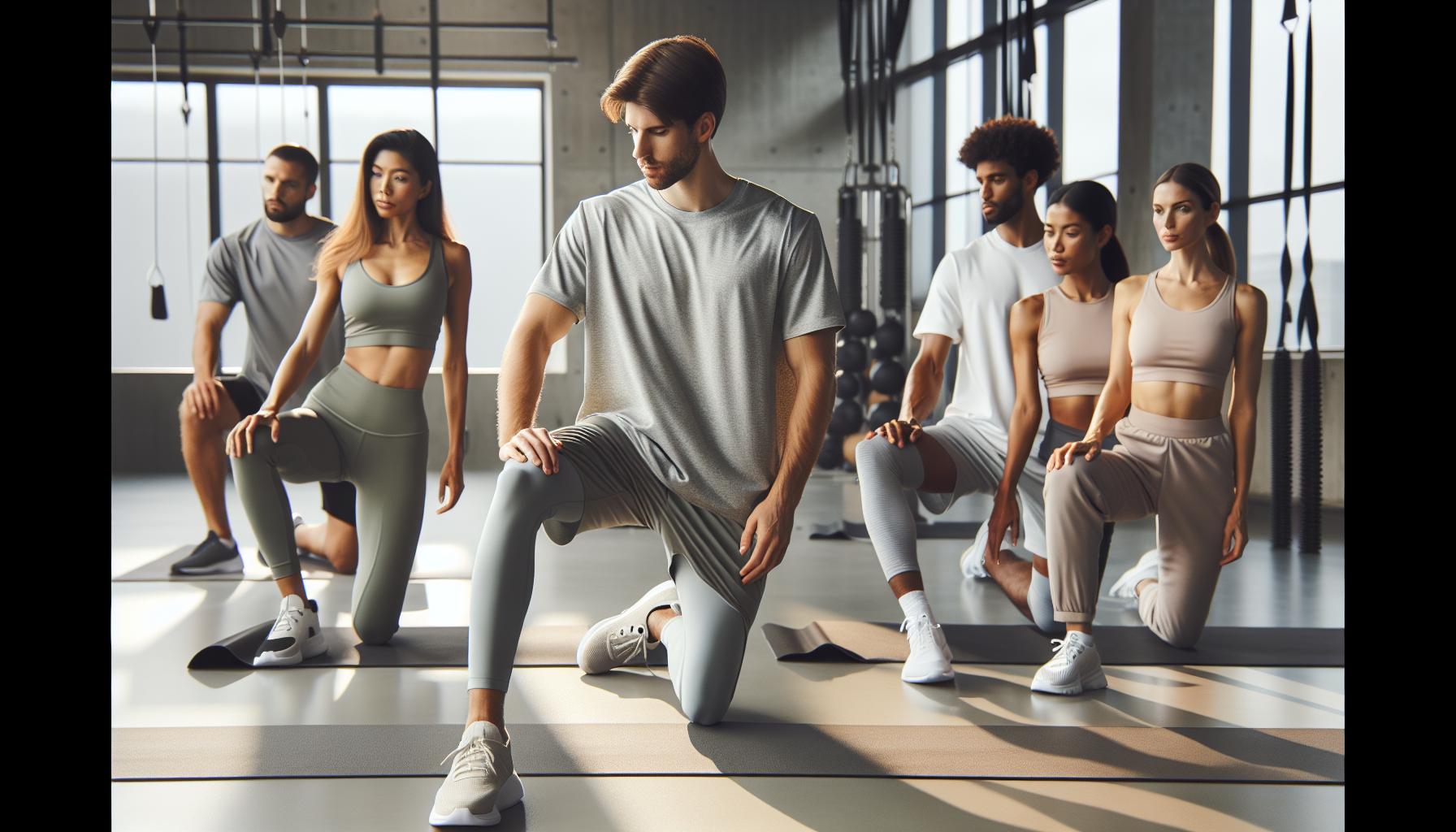
Finding the right attire for physical therapy can elevate your experience and foster a sense of comfort and confidence during your sessions. Consider clothing that promotes movement, allowing you to engage fully with your therapist. Choose pieces that are not only functional but also make you feel good about yourself. The key is to prioritize comfort while selecting garments that don’t impede mobility. Think about clothing that is loose-fitting and breathable, as this will help you stay focused on your rehabilitation rather than being distracted by discomfort.
Fabric Choice is crucial when it comes to physical therapy attire. Opt for materials that are soft to the touch and have some elasticity. Fabrics like cotton, spandex blends, and moisture-wicking materials can keep you cool and comfortable. These versatile fabrics not only support a full range of motion but also ensure that you feel fresh throughout your session. Avoid stiff or restrictive fabrics, as they could hinder your progress and leave you feeling self-conscious during exercises.
When it comes to specific styles, essential outfits might include items like yoga pants or athletic shorts and loose t-shirts or tank tops. These options are not only functional but also stylish, allowing you to feel good while focusing on your recovery. Remember to layer if needed, as temperature can vary in therapy clinics. A lightweight zip-up or hoodie can be easily added or removed, offering comfort tailored to your environment without sacrificing style.
Ultimately, your choice of attire for physical therapy can not only support your physical needs but also enhance your emotional well-being, encouraging a more positive and empowering experience throughout your rehabilitation journey.
Best Fabrics for Physical Therapy Clothing
Finding the ideal fabrics for physical therapy wear can significantly influence both comfort and mobility during your sessions. The right materials enhance your ability to move freely, allowing you to focus on your rehabilitation rather than adjusting your clothing. Opting for soft, breathable fabrics that provide some stretch will help you stay comfortable, so you can fully engage in your therapy exercises.
Key Fabric Choices for Comfort:
- Cotton: This classic fabric is known for its softness and breathability. It allows your skin to breathe and feels comfortable against the body, making it a great choice for t-shirts and tanks. However, keep in mind that cotton can retain moisture, so it’s often better for lighter activities or as a layering piece.
- Spandex Blends: Fabrics that incorporate spandex are fantastic for physical therapy because they not only provide excellent elasticity but also maintain their shape. This means you won’t have to deal with sagging pants or tops while you move, allowing for a more secure fit during various exercises.
- Moisture-Wicking Materials: Look for advanced synthetic fabrics designed to pull moisture away from the skin. These materials keep you dry and comfortable, especially during more intense sessions. Brands often offer moisture-wicking shirts, leggings, and shorts that can help regulate body temperature and reduce the risk of chafing.
- Bamboo or Modal: These eco-friendly fabrics are becoming fan favorites due to their incredible softness and natural breathability. Both materials are hypoallergenic and moisture-wicking, making them excellent choices for sensitive skin or warmer conditions.
When curating your physical therapy wardrobe, prioritize flexibility and functionality. Choosing the right fabrics can not only enhance your comfort but also boost your confidence as you work through your rehabilitation. By selecting garments that fit well and feel good, you empower yourself to stay focused on your progress without the distraction of uncomfortable attire. Empower your journey and embrace your unique style with these thoughtful fabric choices.
Essential Outfits for Different Therapy Sessions
Choosing the right outfit for physical therapy can significantly impact your comfort and performance during sessions. Different types of therapy may require unique clothing to accommodate various movements and exercises, so understanding what to wear can help you feel confident and at ease. For example, if you’re undergoing aquatic therapy, look for flexible swimsuits made from chlorine-resistant materials that allow a full range of motion.
For land-based therapies, consider layered outfits that can adapt as you warm up or cool down during appointments. A typical approach involves pairing a moisture-wicking tank top with supportive leggings or shorts. Look for pieces that feature strategic seams or panels to enhance flexibility and provide support where needed. Adding a lightweight zip-up jacket can also be practical for those chilly therapy rooms. Don’t forget that color and style can reflect your personality, so choose items that make you feel good while ensuring functionality.
When attending physical therapy sessions that involve strength training or rehabilitation exercises, opt for fitted clothing that moves with you. Leggings with a high waistband provide both support and coverage, while a fitted short-sleeve shirt or a tank can keep you comfortable without excess fabric getting in the way. If you prefer a bit more warmth, a long-sleeve top or fitted thermal layer can be layered underneath or above as the session progresses. Additionally, ensure that clothing is free of embellishments that could hinder movement or risk injury during exercises.
In summary, the essentials for your therapy wardrobe hinge around flexibility, comfort, and functionality. By curating a selection of versatile outfits that cater to the specific demands of your therapy sessions, you can focus on your recovery with peace of mind and the confidence that comes from feeling great in your attire.
Footwear That Supports Your Rehabilitation
Choosing the right footwear for physical therapy is crucial, as the right shoes can significantly impact your comfort and mobility during sessions. Comfortable, supportive shoes will not only enhance your performance but also help prevent injuries. When selecting footwear, look for options that provide adequate arch support, cushioning, and stability. Good shoes can make a world of difference, enabling you to engage fully in your therapy sessions without distraction from discomfort.
Features to Consider
When selecting optimal footwear for physical therapy, consider the following features:
- Arch Support: Shoes with proper arch support help distribute weight evenly, which can alleviate strain on your feet and joints. Look for shoes that match your specific arch type-neutral, flat, or high.
- Cushioning: Adequate cushioning absorbs shock during movement, reducing fatigue and discomfort. Choose shoes that incorporate memory foam or gel padding for a softer feel.
- Stability: Shoes designed for stability can reduce the risk of rolling your ankle or losing your footing. Look for footwear with a wider base and secure fit to enhance your balance.
- Breathability: Choose materials that allow for airflow to keep your feet dry and comfortable, especially during intensive physical activities.
Recommended Styles
The type of therapy you are undergoing may influence the style of shoes you should invest in. Here are some recommendations for various therapy sessions:
- Running or Walking Shoes: If your therapy involves a lot of walking or light jogging, opt for running shoes that provide excellent shock absorption and flexibility.
- Cross-Training Shoes: These versatile shoes are ideal for various activities, including strength training and aerobic exercises, and offer a balance of support and mobility.
- Orthopedic Shoes: If you have specific foot issues or require custom orthotics, consider specialized orthopedic shoes that cater to your needs.
Finding the right footwear for your therapy can empower you to focus on your recovery journey without being hindered by foot pain or discomfort. Remember, investing in quality shoes designed for your activities is an essential part of your rehabilitation process. By prioritizing comfort and support, you’ll feel more confident and capable during your physical therapy sessions.
Layering Techniques for Changing Clinic Conditions
The importance of layering during physical therapy sessions cannot be overstated, as it allows you to adapt to varying clinic conditions and keep your comfort intact. Gyms and therapy rooms can fluctuate in temperature-from brisk air conditioning to warm, humid environments-necessitating an adaptable wardrobe. Strategically layering your clothing not only prepares you for these changes but also enhances your mobility, allowing you to focus on your rehabilitation as opposed to adjusting your outfit.
Start with a breathable base layer, such as a moisture-wicking tank top or fitted shirt that can easily accommodate movement. Fabrics like polyester or nylon are fantastic because they help maintain a comfortable body temperature and wick away sweat. For your middle layer, consider a lightweight long-sleeve top or performance hoodie that provides warmth when you need it but can be easily removed when things heat up. This layered approach enables you to peel off or put on clothing depending on how your body feels during exercises.
Layering Tips for Success:
- Consider Seasonal Fabrics: In colder months, add a thermal layer underneath for warmth, while in summer, rely heavily on lighter materials to keep you cool.
- Accessible Layers: Choose garments with zippers or buttons that can be removed quickly, especially if your therapist requests specific movements that may require more freedom.
- Fit Matters: Ensure that each layer is loose enough to allow for movement but snug enough to not get in the way during your exercises. Avoid overly bulky layers that could restrict your range of motion.
- Colors and Patterns: Opt for neutral base layers that can easily coordinate with various outer pieces or use bright colors on your top layer to inject some personality into your look.
Being mindful of layering can enhance your physical therapy experience by granting you the flexibility needed to adapt to changing clinic conditions. With the right pieces, you can effortlessly transition from one task to another-be it warming up, engaging in therapy exercises, or cooling down-without sacrificing style or comfort. Embrace this chance to express your personal style while ensuring you’ve got the comfort to make your rehabilitation journey truly transformative.
Accessories to Enhance Comfort During Therapy
When it comes to physical therapy, choosing the right accessories can significantly enhance your comfort and optimize your performance during sessions. Accessories not only serve practical purposes but can also express personal style, making you feel confident and empowered as you work towards your rehabilitation goals. From the right sports bra to supportive headbands, thoughtful accessory choices can help you stay focused and comfortable throughout your therapy.
One of the key accessories to consider is a supportive sports bra. The right fit can prevent discomfort during various movements, especially if you’re engaging in exercises that require vigorous activity. Aim for styles with adjustable straps and a secure fit to accommodate your range of motion without feeling restrictive. For added convenience, moisture-wicking materials can help keep you dry and comfortable, which is essential during an active PT session.
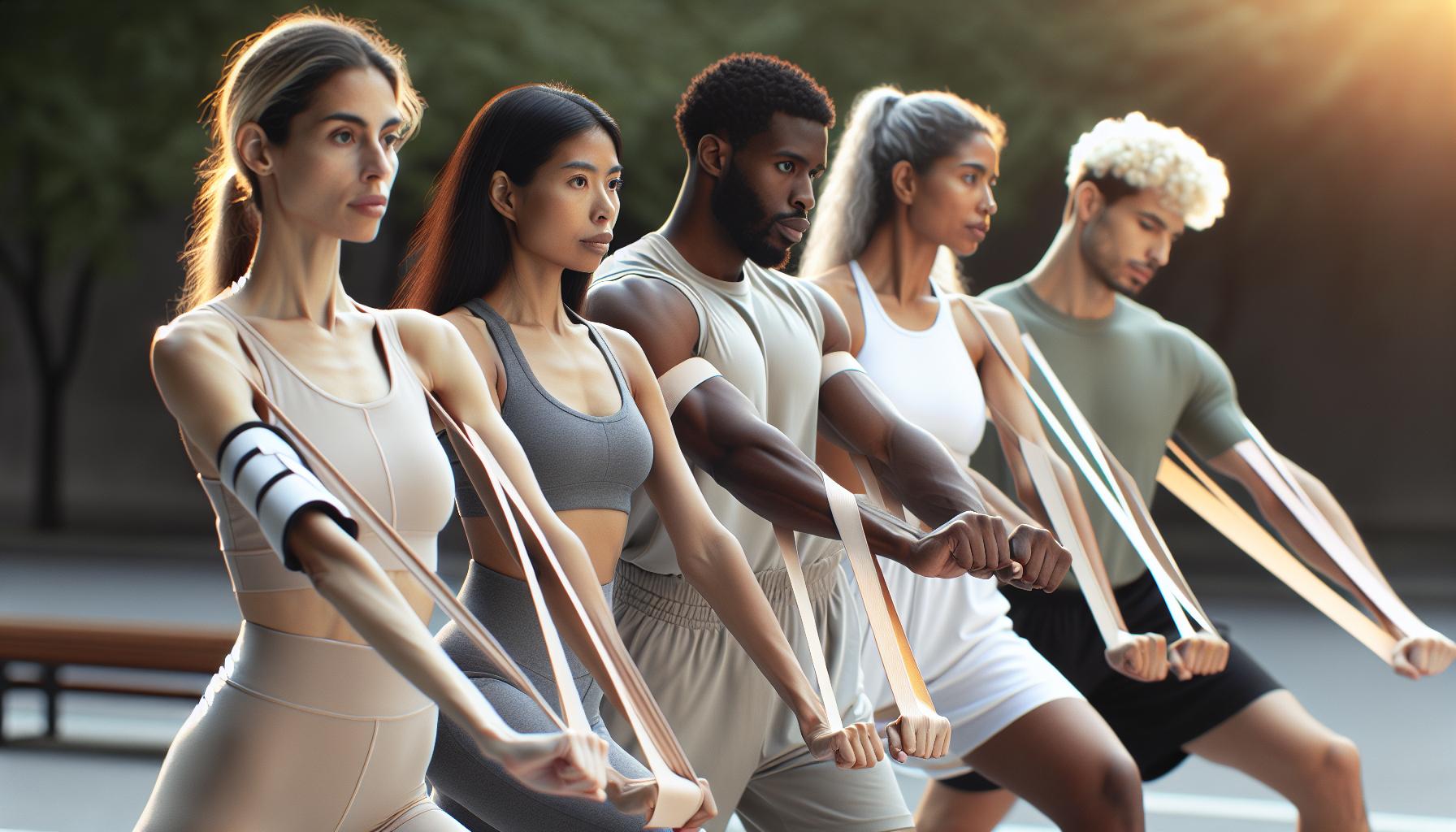
Another excellent addition is compression sleeves or wraps tailored for specific joints or muscle groups that need extra support. These can provide stability and warmth, reducing the risk of injury while enhancing blood circulation. Whether you’re recovering from surgery or managing a chronic condition, compression gear can make a noteworthy difference in your comfort levels. Similarly, ankle or knee braces can offer added protection if you’re involved in weight-bearing activities during sessions.
Comfort-Enhancing Accessories
- Moisture-Wicking Headbands: Keep hair away from your face and sweat at bay to maintain focus.
- Lightweight Towels: Ideal for quick towel-downs during breaks-opt for microfiber for better absorbency.
- Yoga Socks with Grip: Perfect for floor exercises, preventing slips and ensuring stability as you practice various movements.
- Water Bottle: Staying hydrated is key; a durable, easy-to-carry bottle is essential for any PT session.
Moreover, consider a tech accessory like a fitness tracker or smartwatch that can monitor your activity levels and heart rate. This not only motivates you but also allows you to share data with your therapist, leading to more personalized guidance.
By investing in supportive and comfortable accessories, you can make your physical therapy journey not just effective but also enjoyable. Embrace these choices, and you’ll likely find that they not only elevate your therapy experience but also add an extra layer of confidence to help you tackle your rehabilitation goals with style.
Color Coordination Tips for Physical Therapy Outfits
Choosing the right color palette for your physical therapy outfits can have a surprisingly positive effect on both your mindset and motivation during sessions. Colors can convey emotions and energy levels, so it’s beneficial to select hues that not only make you look good but also help you feel confident and empowered. Whether you’re heading to a calming therapy session or gearing up for a more intense workout, your color choices can set the tone for your experience.
When selecting your outfits, consider the psychological impact of colors. For example, shades of blue and green are known for their soothing effects, making them excellent choices for more restorative therapies. Vibrant colors like red and orange can energize you, driving motivation during more strenuous sessions. Don’t hesitate to mix and match colors to express your personality; even subtle pops of color, such as a bright sports bra or colorful leggings, can enhance your overall ensemble and boost your confidence.
Practical Tips for Color Coordination
To help you put together cohesive and inspiring outfits, consider these straightforward tips:
- Start with Neutrals: Begin with a base of neutral colors like black, gray, or navy. This allows you to build your outfit around them without overwhelming your look.
- Accent with Brights: Use brighter colors as accents. For instance, a vibrant top can pair beautifully with dark workout pants or shorts, creating a balanced look.
- Stay Seasonally Appropriate: Consider seasonal colors-soft pastels for spring, rich jewel tones for fall-to keep your wardrobe fresh and in sync with the time of year.
By thoughtfully choosing your colors, you can create a visually appealing workout outfit that not only meets the practical needs of your physical therapy sessions but also uplifts your spirits. Embrace color as a tool for motivation and self-expression, and let your personality shine through even in the most functional attire.
Preparing Your Wardrobe for Post-Therapy Activities
Post-therapy activities often require a thoughtful approach to outfit selection, allowing for a smooth transition from your physical therapy sessions to other tasks in your day. The right wardrobe choices can keep you comfortable while ensuring you maintain a polished appearance whether heading to errands, lunch with friends, or simply unwinding at home. By planning your outfits ahead of time, you can reduce decision fatigue and feel more confident in your appearance.
When choosing attire for post-therapy activities, prioritize comfort without sacrificing style. Opt for versatile pieces that can easily adapt to different settings. For example, layering a light, breathable tank top beneath a stylish cardigan or jacket provides flexibility. This not only keeps you warm but also allows you to adjust your look depending on the location or temperature. Pair well-fitted leggings or joggers with a chic tunic or wrap, adding a touch of flair while ensuring movement is unrestricted.
Accessories play a vital role in elevating your outfit without overdoing it. Consider lightweight scarves or statement necklaces that can easily dress up a basic ensemble while remaining comfortable. Footwear is another critical component; choose supportive shoes that still look trendy, such as stylish sneakers or flats, which are perfect for a day filled with varied activities. Remember, the goal is to feel good while looking effortlessly put together.
To polish off your look, think about the practicality of your chosen outfits. It’s helpful to select a color palette that resonates with your mood and is easy to coordinate; shades of blues and greens can be calming, while bright colors can inject energy into your day. With these tips, you’ll be well-prepared not only for your therapy sessions but also for whatever follows thereafter, embracing confidence and practicality in your post-therapy style.
Common Mistakes to Avoid in PT Attire
When preparing for physical therapy, what you wear can make a significant difference in both your comfort and the effectiveness of your session. Unfortunately, many individuals fall into common pitfalls that can detract from their PT experience. For instance, opting for tight, restrictive clothing is a frequent misstep. These types of garments can inhibit your movement, making it harder to perform prescribed exercises effectively. Instead, focus on choosing clothing that offers ample stretch and breathability, ensuring you can move freely while also feeling supported.
Undershirts and undergarments are crucial elements to consider as well. It’s easy to overlook this detail, but wearing clothing items that may ride up or shift during movement can be distracting and uncomfortable. Look for tops that stay in place, such as fitted athletic tanks or moisture-wicking T-shirts that are designed for activity. Avoid loose-fitting or baggy items that might complicate your movements or get caught in equipment.
Footwear is another area where mistakes are often made. Many people show up in stylish but unsupportive shoes, like flip-flops or fashionable flats. Instead, opt for supportive sneakers with adequate cushioning and support, which are essential during your therapy sessions. Remember, your feet are the foundation of your mobility; investing in good footwear can improve your overall performance during therapy and promote better recovery.
Finally, neglecting to layer appropriately can be detrimental, particularly in settings where climate varies. Transitioning from a warm treatment room to cooler waiting areas can feel uncomfortable without the right layers. Bring a light jacket or sweater that can easily be put on or taken off as needed, ensuring you stay comfortable throughout your visit. By avoiding these common mistakes, you can create a more empowering and effective physical therapy experience.
How to Choose Plus-Size PT Clothing Options
Choosing the right clothing for physical therapy can significantly enhance your comfort and performance, especially for plus-size individuals. It’s essential to prioritize both fit and function while ensuring that you feel confident and empowered in your outfits. The right choices can make all the difference in your therapy experience, allowing you to focus on your rehabilitation without unnecessary distractions.
When selecting plus-size PT clothing, consider styles that offer a blend of support and flexibility. Look for tops that come in breathable, moisture-wicking fabrics to keep you comfortable during your sessions. Styles such as fitted tanks and high-performance tees with a bit of stretch can move with your body and help prevent shifting during exercises. Additionally, opt for bottoms like joggers or leggings that provide good coverage and support. High-waisted options not only offer comfort but also help to shape and support your core, which is beneficial during various physical activities.
Accessories play an important role as well. Layering pieces, such as open-front cardigans or lightweight zip-up jackets, can help you adjust to varying temperatures in the clinic. Also, consider supportive undergarments-look for sports bras that offer good coverage and support without constriction. These can boost your confidence and allow for a complete range of motion.
Finally, don’t be afraid to express your personality through your color choices or patterns. Bright colors or fun prints can uplift your mood and make your therapy sessions feel less daunting. Remember, comfortable and functional clothing doesn’t have to be bland. With a few thoughtful selections, you can assemble a wardrobe that not only supports your therapeutic needs but also reflects your personal style. Prioritize what works for you, and embrace each session with confidence!
Tips for Packing a PT-Friendly Gym Bag
Packing a well-thought-out gym bag for physical therapy can significantly enhance your experience and ensure you’re fully prepared for your sessions. Think of your bag as a toolkit for comfort and confidence. Start by choosing a sturdy yet lightweight bag with multiple compartments to keep everything organized. This way, you won’t have to fumble around to find what you need.
When selecting clothing, pack items that align with the requirements of your therapy sessions. Include a couple of breathable tops and flexible bottoms like leggings or joggers. These will keep you comfortable and allow a full range of motion. Don’t forget to add an extra layer, such as a lightweight hoodie or zip-up jacket, in case the clinic is cooler than you’d expect. Moisture-wicking fabrics will help keep you dry during more intense activities, so look for these in your clothing choices.
Footwear is equally crucial, so consider packing a pair of supportive athletic shoes. Since you’ll want to keep your feet injury-free, opt for shoes with good arch support and proper cushioning. If your therapy involves water exercises, include a pair of water shoes as well. Additionally, it might be helpful to throw in a water bottle to stay hydrated and a small towel for wiping off sweat or a quick refresh.
Lastly, don’t overlook essential accessories. A well-fitted sports bra can provide needed support during therapy, while a headband or hair tie can help keep your hair out of your face. If you use personal items such as foam rollers or resistance bands, consider whether these will fit in your bag for extra flexibility in your workouts. By packing your bag mindfully, you’ll not only enhance your comfort but also feel empowered to focus on your rehabilitation journey with confidence.
Q&A
Q: What should I wear to physical therapy if I have limited mobility?
A: Opt for loose-fitting clothing that allows for easy movement, such as stretchable pants or shorts and a comfortable shirt. Look for items with elastic bands and avoid complex fastenings to ensure dressing is manageable. Prioritize breathable fabrics to enhance comfort during your session.
Q: Can I wear jeans to physical therapy?
A: It’s best to avoid jeans for physical therapy, as they can restrict movement. Instead, choose athletic pants or joggers made from stretchy materials that offer better mobility and comfort. These options help you participate fully in your therapy without the constraints that jeans can impose.
Q: How do I choose the right sneakers for my physical therapy sessions?
A: Select sneakers that provide good arch support and cushioning appropriate for your specific needs. Look for shoes that fit well and allow for foot flexibility. Visiting a specialty store for fitting advice can help ensure you choose the best footwear to support your rehabilitation.
Q: What fabric is best for physical therapy clothing?
A: Fabrics such as moisture-wicking polyester or blended cotton are ideal for physical therapy outfits. These materials keep you dry and comfortable during sessions as they manage sweat effectively. Look for breathable, lightweight options to enhance your range of motion.
Q: Is it necessary to wear a sports bra during physical therapy?
A: Yes, wearing a supportive sports bra is important, especially for women, to provide comfort and stability during movements. Choose one that fits well and is made from moisture-wicking fabric to keep you comfortable while you engage in physical activities.
Q: Should I layer my clothing for physical therapy?
A: Layering is advisable due to varying clinic temperatures. Start with a moisture-wicking base layer and add a lightweight long-sleeve top or jacket that can be easily removed. This way, you can adjust based on your comfort level during each session.
Q: What accessories can enhance comfort during physical therapy?
A: Consider wearing a lightweight headband to keep hair off your face and avoid distractions. Additionally, compression sleeves for arms or legs can provide support and improve circulation, enhancing your comfort throughout the therapy session.
Q: Are there specific clothing brands recommended for physical therapy?
A: Look for brands like Lululemon, Athleta, or Under Armour, which specialize in athletic and comfortable wear. They offer a variety of options that prioritize both functionality and style, making it easier to find the right outfit for your physical therapy needs.
Key Takeaways
When it comes to choosing comfortable outfits for physical therapy, remember that the right attire can make all the difference in your sessions. Opt for breathable fabrics and flexible fits that allow you to move freely. If you’re still unsure what to wear, check out our guides on layering options for winter therapy visits or summer-friendly workout gear. Your comfort is the priority, so don’t hesitate to experiment until you find what feels best for you.
Ready to take the next step? Sign up for our newsletter for even more exclusive tips on stylish and practical fashion choices. Have a favorite outfit for PT? Share your thoughts in the comments below! Explore our related articles on workout wear and active lifestyle accessories to stay engaged and empowered in your fitness journey. Remember, your path to recovery is as unique as your style-embrace it confidently!