Fashion should empower, yet many grapple with what to wear or avoid. Understanding the essential do’s and don’ts of style can simplify your choices and boost your confidence. This guide will illuminate how to dress for different occasions-from casual outings to formal events-ensuring you shine in any setting. Discover how to accentuate your best features, choose the right colors, and pair accessories like a pro, all while respecting your unique body type and lifestyle. Whether you’re preparing for a job interview, a wedding, or a night out with friends, the right outfit can transform your mood and the way you’re perceived. Join us as we explore practical recommendations and easy styling tips that will make dressing a joyful experience rather than a chore. Let’s unlock your style potential together!
What to Wear for Various Occasions
Choosing the right outfit for different occasions can often feel overwhelming, but with a little guidance, you can make confident choices that suit any situation. Whether you’re attending a wedding, heading to a job interview, or planning a casual outing, understanding the nuances of dress codes and personal style is key to looking and feeling your best. Here’s a handy guide to demystify , ensuring you step out with flair and confidence.
Weddings and Formal Events
For weddings, the rule of thumb is to dress appropriately for the venue and the couple’s style. If the invitation specifies a dress code like “black tie” or “cocktail,” opt for an elegant dress or a chic jumpsuit. Women can embrace softer colors or floral patterns for daytime weddings and bolder hues for evening events. Pair your outfit with statement jewelry and stylish heels. Don’t forget a lovely clutch to complete the look. For outdoor weddings, choose breathable fabrics and consider a light shawl for evening chill.
Job Interviews
Dressing for success in a job interview is crucial; first impressions matter! Tailored pantsuits in neutral tones or a well-fitted skirt and blouse combo can be ideal choices. Maintain professionalism by avoiding overly casual clothes like jeans and sneakers. Always prioritize comfort while ensuring your outfit reflects the company culture-research the organization beforehand. Minimalist accessories and conservative footwear create a polished look, allowing your skills and personality to shine through.
Casual Outings
For casual encounters, finding the balance between comfort and style is essential. A chic pair of high-waisted jeans paired with a lightweight sweater or a stylish top can effortlessly blend comfort with flair. Dress your look up with ankle boots or trendy sneakers, depending on your activity. Accessorize with fun earrings or a colorful handbag to express your personality, and remember to keep your look relaxed and authentic.
Travel-Friendly Fashion
When traveling, prioritize versatility and comfort. Opt for breathable fabrics like cotton or linen, which are easy to layer. A pair of stretchable trousers paired with a fitted tank or tunic allows you to stay stylish while on the go. Slip-on shoes are ideal for convenience through security checks, and a lightweight scarf can double as a blanket on chilly flights. Choose a travel-friendly tote for essentials, ensuring you have everything you need at hand while maintaining a chic look.
Each occasion offers the perfect opportunity to express your unique style. Embrace these guidelines and feel empowered to mix and match, bringing your personality into each outfit choice, regardless of the setting.
Essential Fashion Do’s for Every Wardrobe
Fashion is an expression of individuality, and having a solid foundation of style essentials can transform how you feel in your wardrobe. Cultivating a sense of what works for you goes beyond just trends; it’s about picking pieces that resonate with your personal taste, body type, and lifestyle. Here’s a guide to the must-have components that can elevate any outfit and ensure you’re always ready for whatever the day has in store.
Start by investing in a versatile wardrobe base that includes classic staples. Items such as a tailored blazer, a white button-down shirt, and a good pair of jeans can be styled in multiple ways to match different occasions. These pieces not only offer a stylish silhouette but can serve as a backdrop for bolder accessories. When shopping, look for quality over quantity to build a sustainable closet-this means selecting fabrics that hold up over time and styles that endure seasonal trends.
Another essential is color coordination. Understand which colors complement your skin tone, and use a color wheel to help mix and match your wardrobe effectively. Incorporating a few neutral bases allows for flexibility, while accent pieces in the shades that bring out your features can enhance your overall look. For example, a camel trench coat or a navy dress can be brought to life with a vibrant scarf or jewelry that reflects your personality.
Finally, never underestimate the power of accessories in transforming an outfit. A great pair of shoes, whether classic pumps or stylish sneakers, can dictate the vibe of your ensemble. Consider investing in statement accessories, like bold necklaces or oversized bags, which can shift even the simplest outfits into something eye-catching. The key is to pair accessories that resonate with your unique style-experiment to find combinations that make you feel empowered and confident every day.
By incorporating these core elements into your wardrobe, you’ll create a personalized fashion blueprint that simplifies styling decisions and enhances your confidence, no matter the occasion. Remember, fashion should be fun and liberating, allowing you to be the best version of yourself.
Avoid These Common Fashion Don’ts
Navigating the world of fashion can sometimes feel like walking a tightrope-one misstep can lead you to a style mishap that leaves you feeling less than confident. Many women encounter common pitfalls that detract from their personal style rather than enhancing it. Understanding what to avoid can be as transformative as knowing what to wear, helping you to curate a wardrobe that reflects your unique self without the stress of doubt or insecurity.
One frequent fashion faux pas is neglecting the importance of fit. Wearing clothes that are either too tight or too loose can significantly alter your appearance and confidence. Instead, aim for a tailored fit that flatters your body shape. For example, a well-fitted blazer can elevate jeans and a t-shirt, making it perfect for casual outings or even informal work settings. On the other hand, oversized pieces can be chic, but only if styled correctly. Balance the look with form-fitting bottoms or cinched waists to avoid looking swamped in fabric.
Another common mistake is the misuse of accessories. While accessories can breathe life into an outfit, wearing too many can overwhelm your overall look. Instead, choose one or two statement pieces that draw attention without clashing. For instance, if you’re wearing a patterned blouse, opt for simpler earrings or a sleek handbag to keep the focus on your outfit. Color coordination is also key; mismatched colors can make an outfit look disjointed. Stick to a harmonious palette, selecting one or two accent colors that complement your main pieces.
Moreover, don’t be swayed by trends at the expense of your personal style. Just because something is in fashion doesn’t mean it will work for you. Prioritize pieces that resonate with your tastes and lifestyle. For example, if you’re not comfortable in high heels, opt for stylish flats or low-heeled boots that offer both comfort and style for social events or casual outings. Remember, true fashion lies in how you feel in your clothes; when you feel good, you radiate confidence.
By avoiding these common fashion don’ts, you equip yourself with the knowledge to navigate your wardrobe confidently. Strive for the right fit, be intentional with your accessories, and stay true to your personal style. This empowers you to showcase your individuality while feeling comfortable in your skin, setting the stage for a wardrobe that not only looks great but also makes you feel fabulous every day.
Mastering Color Coordination Tips
Choosing the right colors can transform an outfit from mundane to memorable, and mastering color coordination is a vital skill in crafting a cohesive wardrobe. Start by understanding the basics of the color wheel: complementary colors sit opposite each other and create vibrant contrasts (think blue and orange), while analogous colors, which are next to each other (like blue and green), yield a more harmonious look. This foundational knowledge will empower you to mix and match colors effortlessly, allowing your personality to shine through your style choices.
To keep your wardrobe versatile, consider creating a color palette that reflects your personal taste and is suitable for your lifestyle. Neutral colors, such as beige, gray, and navy, serve as excellent bases for outfits, as they are easy to pair with bolder shades. For instance, a classic white blouse can anchor a vibrant patterned skirt or a pair of bright trousers. When opting for colors, remember that jewel tones (like emerald and burgundy) often flatter a variety of skin tones and can transition beautifully from work settings to evening events.
When it comes to dressing for specific occasions, color coordination can play a significant role. For weddings or formal events, consider wearing a sophisticated dress in a rich color, complemented by gold or silver accessories to create a luxurious feel. For job interviews, opting for a navy or charcoal suit paired with a white or pastel shirt can convey professionalism while allowing for a touch of personal flair through subtle accessories, such as a patterned tie or scarf.
To truly elevate your outfits, don’t shy away from incorporating textures and patterns along with color. A textured fabric can add depth to your look, while patterns like stripes or florals can bring an element of fun-just ensure to balance busy designs with solid colors to avoid overwhelming the eye. For example, if you wear a floral blouse, pair it with solid-colored trousers or a skirt that picks up one of the colors from the print. Ultimately, the key to mastering color coordination is to experiment and find combinations that make you feel confident and reflect your unique style.
Accessorizing: Elevate Your Outfit
Elevating an outfit often comes down to the thoughtful selection of accessories. These finishing touches can transform a basic ensemble into a statement of personal style and flair. Whether accessorizing for a casual outing or a formal event, the right pieces can help express individuality while enhancing your overall aesthetic.
To begin, consider the occasion and your outfit’s base. For a wedding or formal event, choosing elegant pieces like statement earrings or a delicate bracelet can add just the right amount of sparkle. A classic clutch in a complementary color not only adds sophistication but is also functional. If you opt for a simple dress, bold accessories-like a chunky necklace or textured wrap-can provide visual interest while allowing you to express your style. On the other hand, for job interviews or professional settings, understated, polished accessories, such as a structured handbag or a slim watch, project confidence and professionalism without overwhelming your look.
Practical Tips for Accessorizing
- Balance is Key: If you’re wearing a heavily patterned outfit, opt for simpler accessories. Conversely, if your outfit is minimalistic, feel free to go bolder with your accessory choices.
- Layer Thoughtfully: Stacking bracelets or necklaces can create a trendy layered look, but be mindful not to overdo it. Stick to a maximum of three layers to maintain balance.
- Proportion Matters: Match the scale of your jewelry to your outfit. For example, larger pieces pair well with simple and fitted clothing, while delicate pieces complement more intricate designs.
- Seasonal Considerations: Heavier, more textured accessories work well in fall and winter, whereas lighter, brighter pieces are perfect for spring and summer.
Additionally, consider the colors and materials of your accessories. Utilize the color wheel to create harmony in your outfit; complementary colors can create eye-catching contrast, while analogous colors keep things cohesive. For instance, pairing green gemstones with a navy dress creates a beautiful contrast. Proper accessorizing is not about following strict rules but rather about exploring and discovering what resonates with you. Remember, your accessories should feel like an extension of your personality and enhance your confidence, making every outfit uniquely yours.
Outfit Ideas for Weddings and Formal Events
Weddings and formal events are perfect occasions to showcase your personal style while adhering to certain dress codes. The key to choosing the right outfit lies in the details and understanding of the event’s formality level. Whether it’s a garden wedding, a black-tie gala, or an elegant cocktail reception, you can create a stunning look that not only suits the occasion but also makes you feel confident and radiant.
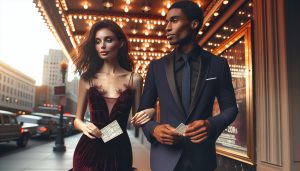
For a traditional wedding, consider a classic floor-length gown or a sophisticated cocktail dress. Opt for fabrics like chiffon, silk, or lace, which add a touch of elegance. If the event is more casual, such as a beach or a rustic barn wedding, a flowy maxi dress paired with strappy sandals can strike the perfect balance between comfort and style. Don’t forget color coordination; softer pastels and floral prints are ideal for daytime events, while rich jewel tones suit evening celebrations. A vibrant red dress, for example, can be a show-stopping option for a formal evening wedding when accessorized with gold or silver jewelry.
Accessorizing Thoughts for Formal Events
When it comes to accessories, aim for pieces that complement your ensemble without overwhelming it. For a black-tie affair, elegant statement earrings and a matching clutch can elevate your look significantly. If your dress is detailed or patterned, choose understated accessories to maintain balance. Conversely, if you’re wearing a simpler outfit, feel free to add bolder pieces, like a chunky bracelet or a striking necklace. Additionally, consider your shoes; heels can enhance your stature and add elegance, but ensure they are comfortable enough for dancing the night away.
Dressing for Seasonal Considerations
It’s also essential to account for the season when selecting your attire. In cooler months, layering with a tailored coat or a stylish shawl can keep you warm while still looking fashionable. Opt for deeper colors and richer textures like velvet or heavier silks. In contrast, summer weddings call for lighter fabrics and breathable styles; think of sundresses or off-the-shoulder styles that embrace the warmth while keeping it chic. Always check the invitation for dress code specifics, as this will guide your choices and ensure you feel appropriately dressed for the occasion.
Remember, the ultimate goal is to feel beautiful and confident in your outfit, regardless of the event’s formality.
Job Interview Attire: Dressing for Success
First impressions matter, especially in a job interview setting. The right outfit can not only reflect your professionalism but also boost your confidence as you walk into the room. Selecting what to wear can feel daunting, but understanding the nuances of appropriate attire can make the process smoother and stress-free. The ideal outfit aligns with the company culture while showcasing your personal style.
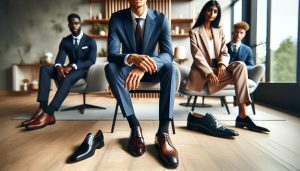
Choosing the right outfit begins with understanding the industry and the company’s dress code. For a corporate environment, consider a tailored suit-be it a classic black, navy, or grey. Pair it with a crisp white or light-colored blouse for a polished look. If the company has a more casual vibe, a smart blazer over a fitted dress or smart trousers with a stylish top can present a professional yet approachable appearance. Accessories should be minimal; think simple stud earrings and a classic watch to maintain a sophisticated aesthetic. Opt for closed-toe pumps or elegant flats that provide both comfort and a refined edge.
Fabric and Fit Matter
The fabrics you choose also contribute significantly to your overall impression. Light, breathable fabrics like cotton or linen are perfect for warmer seasons, while wool blends or tailored synthetics work well in cooler months. Focus on a fit that flatters your body shape without being too tight or too loose. Consider getting your outfit tailored if necessary; a well-fitted blazer or pair of trousers can elevate a basic look to something remarkable.
Color Coordination Tips
Color choices are equally important; stick to classic palettes that reflect professionalism and seriousness. Neutral colors like navy, black, white, or taupe can be your best friends. If you wish to incorporate a pop of color, use accessories such as a statement belt or scarf, keeping the main outfit in subdued tones to maintain professionalism. Understanding the emotional impact of colors can also guide your selections-blue conveys trust, while black signifies authority.
By focusing on these essential elements-fit, fabric, and color-you’ll be well-prepared to showcase your best self in any job interview. Remember, the goal is to feel confident and comfortable so you can concentrate on impressing your potential employer with your skills and enthusiasm.
Casual Yet Chic Looks for Everyday Wear
Looking effortlessly chic every day may seem like a challenge, but with a few clever styling tricks, you can achieve casual yet polished looks that make a statement. One of the best strategies is to build a versatile wardrobe that includes key staple pieces that work for multiple occasions. Think classic items that can be dressed up or down, allowing you to mix and match based on your day’s activities.
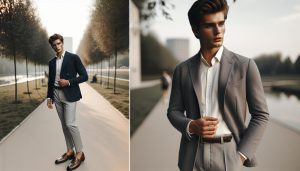
Start with a solid foundation: a well-fitting pair of jeans or tailored trousers can serve as the backbone of many outfits. Pair these with a fitted turtleneck or a trendy oversized sweater for a cozy yet chic vibe. Layering is essential; a lightweight trench or denim jacket can add dimension and sophistication to your look while providing warmth. When selecting tops, opt for fabrics that drape well and fit comfortably. The right fit is crucial; you want to feel confident in your attire without any tugging or restriction.
Accessory Choices
Accessorizing can elevate your everyday outfit from fine to fabulous. Simple can often be striking, making accessories the perfect tool to showcase your personality. A statement belt can cinch a dress or oversized top, creating a more defined silhouette. Pair your look with ankle boots or stylish sneakers based on your comfort level. Don’t shy away from adding a pair of bold earrings or a crossbody bag that stands out. However, be mindful of balancing your accessories; if your outfit is already vibrant, consider more understated jewelry to avoid overwhelming the look.
Color and Pattern Combinations
To ensure your casual outfit remains chic, mastering the art of color coordination is essential. Stick to a color palette that complements your skin tone, and use this as your guide when shopping for new pieces. Incorporate a mix of textures, like pairing a cotton tee with a wool cardigan or leather accents, to add interest without straying from a cohesive look. Patterns can also be fun and unexpected; try mixing a subtle stripe with a floral print, but keep one of them in neutral colors to maintain harmony. By keeping your outfits simple yet stylish, you’ll not only look fashionable but feel comfortable and confident as you navigate your day.
Travel-Friendly Fashion: Style on the Go
When embarking on a journey, having a well-thought-out wardrobe is essential for comfort, style, and practicality. Travel-friendly fashion is all about choosing versatile pieces that allow you to move seamlessly from sightseeing to dining. The goal is to pack light while ensuring you look stylish without sacrificing comfort. One of the best ways to achieve this is through the concept of capsule wardrobes, where you select a few key pieces that can be mixed and matched to create various outfits.
Start with base layers that are both comfortable and chic. A pair of well-fitting black jeans or leggings can serve as the foundation of multiple outfits. Pair these with a classic white tee or a lightweight, breathable blouse that can easily transition from day to night. Consider layering with a stylish cardigan or a denim jacket, which can add warmth and dimension while being easy to pack. Color coordination is crucial; opt for neutral hues that can be interchanged easily. This way, you won’t have to think twice about mixing and matching.
Accessorizing for Travel
When it comes to accessorizing, choose items that enhance your outfits without taking up too much space. A statement scarf can serve multiple purposes: it can be worn as an accessory, used as a light blanket on a chilly flight, or even transformed into a beach cover-up. Opt for comfortable yet fashionable shoes, such as slip-on sneakers or stylish flats, to ensure your feet remain happy while exploring new locations.
Best Travel Outfit Ideas
Think about your itinerary and the activities you’ll be doing when selecting your travel attire. Here are some outfit ideas that will keep you stylish on-the-go:
- Casual Sightseeing: Black jeans, a fitted white tee, a lightweight denim jacket, and comfortable sneakers.
- Evening Out: A simple black dress paired with a scarf, ankle boots, and a fashionable crossbody bag.
- Outdoor Activities: Breathable leggings, a moisture-wicking top, and a lightweight windbreaker, paired with hiking shoes.
Don’t forget that packing a few statement accessories, such as bold earrings or a unique bag, can elevate even the simplest outfit, allowing you to feel confident and put-together no matter where your travels take you. Remember, being stylish while traveling is achievable; with the right choices, you can effortlessly blend comfort with fashion as you make beautiful memories on your adventures.
Seasonal Style Guide: Dressing for the Weather
Dressing appropriately for the season is pivotal in ensuring that you look stylish while staying comfortable. Each season brings its own unique set of challenges and opportunities for fashion. Understanding how to navigate these changes not only enhances your wardrobe but also boosts your confidence. Transitioning from heavy winter layers to breezy summer outfits can feel daunting, but with the right strategies, you can make seasonal changes seamless and enjoyable.
For spring, embrace soft pastels and floral patterns that mirror the blossoming nature around you. Lightweight fabrics such as cotton and linen are essential, as they allow your skin to breathe while still offering structure. An outfit idea could be a flowy midi dress paired with ankle boots-a combination that provides both comfort and style. Layering is key during this temperamental season, so consider adding a light cardigan or a denim jacket for those cooler nights. Complete the look with a pair of oversized sunglasses to effortlessly elevate your outfit and protect against seasonal allergens.
Summer calls for versatile pieces that can transition from day to night with ease. Think breathable fabrics like chambray, cotton, and jersey. A chic summer outfit could consist of high-waisted shorts paired with a tucked-in tank top, finished with vibrant espadrilles. Always remember to accessorize smartly-straw hats and woven bags not only add flair but also practical benefits against the sun. However, be wary of overly tight or heavy clothing; prioritizing comfort will allow you to enjoy the sunny days without worrying about your attire.
As the leaves begin to turn in autumn, it’s time to embrace richer hues and layered textures. Earthy shades such as rust, olive, and mustard create stunning fall palettes. A stylish look can include tailored trousers, a soft knit sweater, and ankle boots, ensuring you are warm yet stylish. Adding a scarf or a beanie can reflect your personality while keeping you cozy. When transitioning to winter, don’t forget to invest in quality outerwear-think stylish wool coats or puffer jackets that can be both functional and fashionable. Being mindful of layers will allow you to adapt to indoor and outdoor temperatures without sacrificing style.
Finally, each seasonal change offers a splendid opportunity to experiment with your wardrobe, colors, and fabrics. Consider your personal style while maintaining the essentials for warmth, comfort, and functionality. By following these seasonal style tips, you’ll not only be prepared for the weather but will also express your individual style, giving you the confidence to step out no matter the season.
Confidence Boosting Tips for Every Body Type
Dressing for your body type isn’t just about aesthetics; it’s a powerful way to express your individuality and boost your confidence. Embracing your unique shape while choosing clothes that enhance your best features can dramatically change how you feel in your outfits. The key is to understand your body type, recognize what works best for you, and find stylish pieces that make you feel fabulous, no matter the occasion.
Understanding Body Types
Not all body types are the same, and recognizing this is crucial in selecting the right outfits. Common body types include:
- Hourglass: Defined waist with curves on both the bust and hips. Aim for fitted styles that highlight your waist.
- Apple: Fuller bust and midsection with narrower hips. Opt for A-line dresses and tops that emphasize your legs while providing comfort around the midsection.
- Pear: Wider hips with a smaller bust. Choose tops that draw attention upward and balance your proportions, such as boat necklines or embellished shoulders. Pair with tailored bottoms to create a stunning silhouette.
- Rectangle: Similar measurements for bust, waist, and hips. Create the illusion of curves with belted dresses and layered outfits.
Fashion Do’s for Confidence
When dressing to boost confidence, a few tailored tricks can make a significant difference:
- Choose the Right Fit: Avoid clothes that are too tight or too loose. Tailored pieces not only look better but also make you feel more put together.
- Color Matters: Wear colors that complement your skin tone. Earthy tones can provide warmth, while pastels can enhance your features.
- Play with Textures: Mixing fabrics can add depth to your outfit. Think about pairing soft cottons with denim or structured pieces to create a balanced look.
- Layer Wisely: Layers can add dimension to outfits. A long cardigan can elongate your shape, while a statement jacket can add flair.
Accessorizing for Impact
Don’t underestimate the power of accessories to elevate your look. Here are some tips:
- Jewelry: Statement earrings can draw attention to your face, adding a touch of elegance.
- Belts: Use them to cinch in your waist on dresses or oversized tops for a polished silhouette.
- Shoes: The right shoes can transform your outfit. Heels can elongate your legs, while chic flats provide comfort without compromising style.
Embrace your body type with positivity and creativity, making choices that resonate with your personal style. Remember, confidence is the best accessory, and when you wear it well, it shows through your fashion choices!
Sustainable Fashion Choices: Style Ethically
Choosing to dress sustainably is not just a trend; it’s a powerful statement about who you are and the impact your choices have on the world. With the environmental toll of fast fashion becoming increasingly evident, adopting a more ethical approach to your wardrobe is both noble and necessary. Sustainable fashion encourages us to make choices that not only benefit our personal style but also support the planet and its people.
When selecting sustainable fashion pieces, look for clothing made from natural, organic, or recycled materials. Fabrics like organic cotton, Tencel, and linen are excellent choices as they have a lower environmental impact compared to conventional textiles. Additionally, prioritize brands that focus on ethical manufacturing practices, ensuring fair wages and safe working conditions for their workers. Shopping secondhand is another fantastic way to reduce waste, as it gives clothing a new life while also enabling you to find unique pieces that stand out.
Beyond selecting sustainable fabrics, you can incorporate sustainability into your everyday outfits by focusing on quality and versatility. Consider investing in timeless, high-quality pieces that can be styled in multiple ways, reducing the need for frequent purchases. For instance, a classic little black dress can easily transition from a formal event to a casual outing with the right accessories. To elevate your look ethically, consider adding handcrafted or vintage accessories that accentuate your outfit and tell a story of sustainability.
By embracing sustainable fashion, you can express your individuality and passion for the planet simultaneously. Remember, every conscious choice you make in your wardrobe contributes to a larger movement towards a more sustainable future. Dress smartly, choose responsibly, and wear your values with pride!
Frequently Asked Questions
Q: What are the best colors to wear for different skin tones?
A: The best colors for different skin tones enhance your natural complexion. Cool-toned skin looks great in jewel tones like sapphire and emerald, while warm-toned skin shines in earthy colors like olive and terracotta. For more tips on color coordination, check our section on mastering color coordination tips.
Q: How can I dress to flatter my body type?
A: Dressing to flatter your body type involves understanding your shape. For example, A-line dresses suit pear shapes, while waist-defined styles benefit apple shapes. Explore our section on confidence-boosting tips for every body type for more personalized fashion advice.
Q: What outfits are appropriate for casual business meetings?
A: For casual business meetings, opt for smart-casual combinations like tailored jeans with a blazer or a chic blouse paired with dress pants. Our job interview attire section offers more insights into dressing for professional success.
Q: What fashion mistakes should I avoid when dressing for a wedding?
A: Avoid wearing white unless specified, and refrain from overly flashy dresses that may draw attention away from the couple. For more wedding outfit ideas, check our section on outfit ideas for weddings and formal events.
Q: How to accessorize for a formal event?
A: To accessorize for a formal event, select elegant jewelry such as pearl earrings or a delicate bracelet. Pair your accessories with a stylish clutch and take cues from our section on accessorizing to elevate your outfit.
Q: When is it appropriate to wear denim?
A: Denim can be worn in various settings, but casual outings, lunch dates, or weekend events are ideal. Opt for darker washes for a more polished look. For styling tips, refer to our travel-friendly fashion section that includes versatile outfits.
Q: What should I wear for an outdoor concert?
A: For an outdoor concert, wear comfortable footwear, such as stylish sneakers or ankle boots, and layers to adapt to weather changes. Casual yet chic looks for everyday wear can guide you in selecting the perfect outfit.
Q: How do I choose the right outfit for seasonal events?
A: Choose breathable fabrics and lighter colors for summer events, and opt for layers and warm tones in winter. Our seasonal style guide offers practical tips for dressing according to the weather’s demands.
Key Takeaways
Now that you’ve explored the essential do’s and don’ts of fashion, you’re equipped to make stylish choices that reflect your unique personality and boost your confidence. Remember, the right outfit can transform not just your appearance but also how you feel. So, don’t hesitate to experiment with new styles and hues that resonate with you!
For more detailed styling advice, check out our guides on wedding attire and job interview outfits to navigate every occasion effortlessly. And if you’re looking for quick inspiration, subscribe to our newsletter for tips straight to your inbox! Your journey to a fabulous wardrobe has just begun-let’s make it an exciting one together!