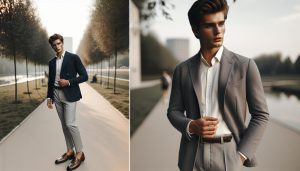
In today’s competitive job market, the right outfit can make a significant difference in how you are perceived during an interview. Dressing confidently not only influences first impressions but can also boost your self-esteem, allowing you to focus on showcasing your skills and qualifications. Whether you’re aiming for a corporate gig or a creative role, understanding what to wear is crucial. In this guide, we’ll demystify professional attire, offering practical tips and outfit suggestions tailored to various industries and personal styles. By the end, you’ll feel equipped to choose an outfit that reflects your personality while aligning with the expectations of your desired workplace, setting the stage for interview success. Let’s dive into the essentials of crafting a win-ready professional wardrobe that speaks to who you are!
What to Consider When Choosing Interview Attire
Choosing the right attire for an interview can significantly impact your confidence and the impression you make. Understanding the nuances of what to wear not only reflects your professionalism but also aligns with the values and culture of the company you’re aiming to join. Consider factors such as the industry, the role you’re applying for, and the specific company dress code. These elements will help you make choices that not only look good but also feel appropriate for the occasion.
Your Personal Style and Comfort
While it’s essential to adhere to professionalism in your outfit, don’t overlook your personal style. Your choice should be a balance of the company’s ethos and your unique expression. Clothes that you feel comfortable in will prevent distractions, allowing you to focus on showcasing your qualifications. Aim for an outfit that fits well and allows for ease of movement, ensuring you can present yourself confidently without fussing over your clothing.
Research the Company Culture
Before selecting your interview attire, research the company culture. Look at their website, social media profiles, and any recent news articles. If the environment appears relaxed, a tailored blazer over a smart blouse with tailored pants might suffice for women, while men might opt for a well-fitted shirt paired with chinos. For more formal industries, such as finance or law, a classic suit will be the more appropriate choice. Regardless, making informed decisions based on your research can set you apart from other candidates and demonstrate your enthusiasm for joining their team.
By staying true to your style while adhering to professional standards, you’ll find that the right attire can enhance your confidence and help you make a lasting impression.
Essential Interview Outfit Essentials for Success
Choosing the perfect outfit for an interview can be a game-changer, influencing not just your confidence but also the impression you make on potential employers. The right attire can empower you to walk into the room with poise, allowing your skills and experience to shine without distraction. To set yourself up for success, focus on the essentials: fit, functionality, and flair. Whether you’re heading to a corporate boardroom or a creative startup, these elements will help you curate your interview wardrobe purposefully.
Fit is Key: First and foremost, ensure that your outfit fits well. Clothes that are too tight or too baggy can be distracting and might make you feel uncomfortable. Aim for pieces that highlight your silhouette while allowing for ease of movement. Tailored blazers, dress pants, and knee-length dresses are excellent staples to consider. If you’re opting for a skirt, make sure it’s not too short; you want to feel at ease when sitting and standing. Double-check that your attire doesn’t wrinkle easily, as looking polished is vital to leaving a strong impression.
Functionality and Comfort: Your outfit should also be practical. Interview days can be long, so choose fabrics and styles that allow you to remain comfortable throughout. For instance, breathable materials like cotton and wool blends can keep you cool and collected. Layering is a smart strategy, especially in industries with varying dress codes. A sleek blazer can elevate a simple blouse and trousers, while a statement necklace or scarf can add a touch of personal flair. Consider breathable shoes that look professional but won’t leave you with sore feet after a day of waiting and interviewing.
Color Coordination: The psychology of colors plays an essential role in how you are perceived. Earth tones like navy, grey, or beige often convey reliability, while brighter hues like royal blue or deep red can evoke confidence and assertiveness. Ensure the colors you choose align with the company’s culture but also reflect aspects of your personality.
By concentrating on fit, functionality, and color, you’ll create an interview outfit that not only looks good but also feels authentic to you. Embrace this opportunity to express yourself while maintaining a level of professionalism that sets the right tone for your future career.
Styling Tips for Different Interview Formats
When preparing for different types of interviews, adapting your wardrobe to fit the format can significantly enhance your confidence and ensure that you make a positive impression. Whether it’s a formal corporate setting, a casual coffee meeting, or a virtual interview, the right outfit can set the tone and reflect your professionalism. Here’s how to navigate various interview formats with style and confidence.
Corporate Interviews
In traditional corporate environments, such as finance or law, it’s best to opt for classic pieces that convey professionalism. A tailored suit in navy, grey, or black is a dependable choice for both men and women. Pair a suit jacket with well-fitted trousers or a pencil skirt, and choose a structured blouse or a crisp dress shirt underneath. Consider adding a statement belt or an elegant watch to elevate your look while maintaining simplicity. Fabrics should be high-quality and wrinkle-resistant to keep you looking polished throughout your interview.
Creative Roles
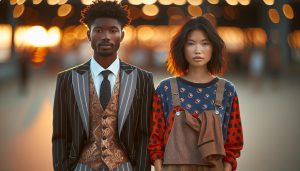
For interviews in creative industries, such as marketing or design, you have a bit more leeway to inject personality into your outfit. Choose color-pop blouses or unique prints that reflect your individuality but maintain a level of professionalism. A chic, casual blazer worn over a graphic tee paired with tailored trousers or a midi skirt can strike the right balance. Play with textures, such as pairing a soft knit sweater with sleek trousers, and finish with bold accessories like statement earrings or stylish loafers to demonstrate your creativity while still looking put-together.
Virtual Interviews
When preparing for a virtual interview, comfort is key, but don’t overlook professionalism. Dress as you would for an in-person interview from the waist up, featuring a solid-colored top that contrasts nicely with your background. A simple button-up shirt or a smart blouse is ideal. Below the camera, you can choose comfortable pants or even a polished pair of lounge trousers. It’s also wise to ensure your environment is tidy and well-lit, as this reflects your organizational skills and seriousness about the opportunity.
Networking Events and Informational Interviews
Networking settings can be more relaxed, allowing for personal style to shine through. Here, a smart-casual outfit often works best. Think fitted jeans paired with a tailored blazer and a stylish top. Opt for mixed materials to add depth, such as a cotton chambray shirt under a structured blazer. Comfortable yet polished shoes, like loafers or low-heeled boots, can keep you on your feet while mingling. Don’t forget to accessorize moderately with a statement bag or a few layered necklaces to complete your look.
By tailoring your style to suit the interview format, you not only present yourself professionally but also allow your personality and confidence to shine through. Focus on creating outfits that make you feel empowered and ready to impress, no matter the setting.
Power Colors: Dress for Confidence and Impact
Choosing the right colors for your interview outfit can significantly enhance your confidence and leave a lasting impression on hiring managers. Colors have psychological effects; they can evoke emotions and convey messages about who you are before you even say a word. Understanding the power of color can be a game-changer, allowing you to project confidence, competence, and personality without saying a thing.
Understanding Color Psychology
Different colors symbolize various traits and feelings. For instance, blue is often associated with trust and professionalism, making it a popular choice for corporate settings. Meanwhile, red signifies passion and energy; wearing this color can convey your enthusiasm for the position. Black exudes authority and sophistication, making it ideal for formal interviews. Consider incorporating these colors into your outfit to align your visual message with your intentions.
How to Incorporate Power Colors
Implementing power colors doesn’t mean you should wear them head-to-toe. Instead, strategically incorporate them into your ensemble. Here are some tips:
For a professional appearance, start with a neutral base like a black or navy suit or dress.
Confidence Through Color Combinations
Combining your chosen power colors thoughtfully can further enhance your confidence. A classic combination of navy and white can be elevated with a hint of yellow or green-colors that are associated with optimism and new beginnings. Here’s a small reference to color pairings you might consider:
| Base Color | Power Colors | Emotion Conveyed |
|---|---|---|
| Navy | Red, Yellow | Trust, Energetic |
| Black | Gold, Emerald | Sophistication, Calm |
| Gray | Teal, Fuchsia | Stability, Creativity |
When you choose outfits that resonate with your personal style and incorporate colors that reflect your goals, you’re not just dressing for the interview-you’re dressing for success. Empower yourself with colors that make you feel confident and polished, paving the way for a strong interview presence. This approach ensures you present the best version of yourself, both in style and in spirit.
Accessorizing for a Polished Interview Look
The right accessories can transform a polished interview outfit into a standout look that speaks volumes about your professionalism and attention to detail. Think of accessories as an extension of your personal style-these finishing touches can enhance your overall appearance and help you convey confidence and competence without distraction.
To ensure your accessories complement rather than overwhelm your look, focus on a few key items that enhance your ensemble. Start with jewelry: opt for simple yet elegant pieces, such as stud earrings or a classic watch. Avoid overly flashy or noisy items, as they can be distracting in the interview setting. For necklaces, consider a delicate chain or a subtle pendant that can add interest without dominating the outfit.
Everything in Moderation
When it comes to handbags, choose something that is both functional and stylish. A structured tote in a neutral color offers enough space for your resume and any materials you might need while keeping your look tailored. Likewise, your belt can be an understated yet effective accessory-a simple, well-fitted belt can define the waistline of a dress or pencil skirt, providing shape and sophistication.
Don’t forget about scarves or ties, which can be a wonderful way to incorporate your power colors. A silk scarf tied simply around the neck or draped elegantly over your shoulders can add a splash of color that enhances your professionalism, while a tie can complement a suit and convey a polished aesthetic.
Footwear as an Accessory
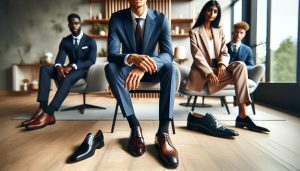
Lastly, your shoes should not be overlooked. Choose footwear that is comfortable yet stylish, striking a balance between professionalism and practicality. Classic pumps or loafers in neutral tones are excellent choices, as they can elongate the legs and add to the overall polished look. Ensure that your shoes are clean and in good condition, as scuffed or worn-out footwear can detract from your otherwise chic appearance.
By carefully selecting accessories that enhance your outfit, you can create a composed look that leaves a lasting impression. The goal is to feel empowered and confident as you step into your interview, presenting the best version of yourself without the worry of distracting elements. Balancing functionality with style will not only make decision-making easier but will also help you feel prepared to tackle any questions and showcase your skills effectively.
Footwear Matters: Choosing the Right Shoes
Choosing the right shoes for an interview can significantly impact your overall presentation and confidence. The right footwear not only complements your outfit but also conveys your attention to detail and professionalism. Your shoes should say to the interviewer, “I’m ready to take on this role,” while simultaneously providing comfort for a potentially long day of asking and answering questions.
When considering footwear, aim for options that offer a blend of style and comfort. Classic pumps and loafers in neutral colors such as black, navy, or beige are excellent choices that work with a variety of outfits and can elongate your silhouette. If you prefer a little height, select heels that are an appropriate height (typically between 2 and 3 inches) and ensure that they provide adequate support. Remember, the goal is to maintain poise while projecting confidence. A well-fitted, polished pair of shoes not only enhances your stature but also showcases a refined appearance.
Tips for Selection
- Comfort is Key: Choose shoes you have worn before or have broken in to avoid discomfort during the interview. If you’re not used to heels, consider stylish flats or low-heeled options that provide stability while looking professional.
- Condition Counts: Always ensure your shoes are clean and in good repair. Scuff marks or worn-out soles can distract from an otherwise polished outfit. A quick polish or cleaning can make a significant difference.
- Material Matters: Opt for quality materials like leather or suede, which tend to look more sophisticated and are often more comfortable than synthetic materials.
Seasonal Considerations
Depending on the time of year, you might have different footwear options. In warmer months, open-toed shoes can be acceptable if styled appropriately. Look for closed-toe flats or wedges that provide comfort while maintaining a polished look. During colder months, ankle boots or knee-high boots are stylish alternatives that can add professional flair without sacrificing warmth.
Ultimately, the perfect pair of shoes for your interview will enhance your outfit and bolster your confidence as you take on this important opportunity. Make your footwear choices with intention, focusing on both style and practicality to create an impression that resonates long after you leave the room.
Seasonal Considerations for Interview Dressing
Choosing the right outfit for an interview can feel even more daunting when you consider the changing seasons. Each time of year brings its own set of challenges and opportunities, allowing you to express your personal style while adhering to professional standards. For example, a crisp spring day might inspire lighter fabrics and brighter colors, while chilly autumn weather can be an opportunity to layer strategically for both warmth and style. Understanding how to adapt your wardrobe to the seasons will not only keep you comfortable but also enhance your professional image.
In warmer months, breathability and comfort should be key factors in your outfit selection. Look for lightweight fabrics like cotton or linen that allow airflow while still looking polished. For interviews in summer, consider a tailored dress or blouse with a pair of smart trousers to maintain professionalism while feeling cool. Open-toed shoes can be appropriate, provided they fit the company’s culture-just be sure to choose something that complements your outfit and offers support. Accessorizing with breathable materials like silk scarves can add a touch of elegance without overwhelming the look.
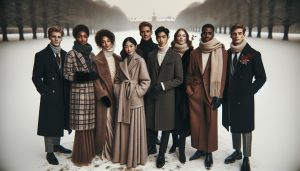
Conversely, colder seasons call for outfits that balance warmth with sophistication. Think about layering with cardigans, blazers, or structured coats that can easily be removed when you enter the interview. A tailored pair of ankle boots or knee-high leather boots can make a strong statement, offering both style and warmth. Also, rich fabrics like wool or cashmere not only keep you cozy but emit a polished vibe. It’s essential to remember that your comfort directly impacts your confidence; therefore, opt for pieces that allow you to move freely without feeling restricted.
Lastly, always check the weather forecast before your interview to make sure your outfit choices align with the actual conditions. This simple step can save you from discomfort and distraction. With some thoughtful planning, you can embrace seasonal variations in attire while ensuring you project a controlled and confident image. Consider these seasonal strategies as tools to not only look good but also feel empowered as you step into that interview space.
Understanding Different Dress Codes
When preparing for an interview, understanding the dress code of the company can give you a significant edge. Each workplace has its own culture and norms regarding attire, and aligning your outfit with these expectations not only shows respect but also displays your awareness of the professional environment. Familiarizing yourself with different dress codes can alleviate the stress of choosing an outfit, allowing you to focus more on showcasing your skills and qualifications.
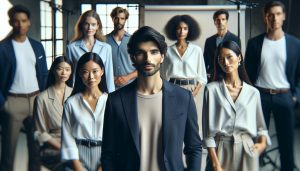
For a business formal dress code, which is often required in industries like finance or law, a classic suit is your best friend. For women, this might mean a tailored pantsuit or a knee-length skirt paired with a button-up blouse. Opt for neutral colors like black, navy, or grey, incorporating subtle patterns only if you’re comfortable. Accessorize with simple jewelry and closed-toe heels to maintain a polished look. Men should consider a well-fitted suit with a crisp dress shirt and a conservative tie, ensuring shoes are polished and attire is flawless.
In contrast, business casual is becoming increasingly popular across various sectors. This dress code allows for more flexibility while still requiring a professional appearance. Women can choose dressy blouses paired with smart trousers or skirts, and cardigans can add a touch of sophistication. A pair of elegant flats or low-heeled shoes works well here. Men might opt for chinos or dress pants combined with a collared shirt, possibly skipping the tie, and can complete the outfit with loafers or dress shoes.
If you’re facing a startup or creative industry interview, the dress code is usually more relaxed. Here, you might showcase your personal style while still appearing put-together. For women, this could mean a stylish dress, tailored jeans with a chic top, or well-fitted jumpsuits paired with trendy sneakers or ankle boots. Men have the option of wearing smart jeans or trousers with a graphic tee under a blazer, topped off with casual shoes. Always keep in mind that even in casual environments, it’s vital to avoid overly casual items like flip-flops or gym wear.
When in doubt about the appropriate attire, don’t hesitate to reach out to your contact at the company or refer to their website for insight into their dress culture. Ultimately, while adapting to the dress code, ensure your personal style shines through-feeling confident in your outfit can greatly impact your performance in the interview.
Mistakes to Avoid in Interview Attire
Impressions are made in mere seconds, and the first one often hinges significantly on your attire. Choosing what to wear to an interview can feel daunting, but avoiding a few common pitfalls can help you present a professional image that aligns with your qualifications and personality. One of the biggest mistakes is dressing inappropriately for the company culture. Research the organization’s dress code-whether it’s corporate, casual, or creative-so you can mirror the expected attire. Wearing overly formal outfits to more laid-back environments, or vice versa, may signal a disconnect with the company’s vibe, which can influence how you’re perceived.
Another frequent misstep is neglecting personal comfort. In the rush to look polished, candidates sometimes overlook how their clothing feels. Wearing something that restricts movement or causes discomfort can easily lead to fidgeting during the interview, detracting from your confidence. Aim for a balance between professional and comfortable attire; for instance, opt for a tailored blazer that provides structure but is made from a stretchy, breathable material. Pay attention to fit as well-clothes that are either too tight or too baggy can be distracting and may affect your body language negatively.
Additionally, avoid the trap of following trends at the expense of professionalism. Fashion is undoubtedly an expression of individuality, but sometimes, trendy pieces can be too bold or casual for an interview. It’s wise to pick classic styles over fleeting trends to ensure that your outfit is neat and polished. If you choose to incorporate trendy elements, do so subtly-such as with accessories that can easily be removed if needed. Also, remember that excessive jewelry or flashy elements can draw attention away from what truly matters-your skills and qualifications.
Ultimately, minor errors in your outfit can amplify worries about being unprepared. Instead of overthinking, treat your clothing choices as an extension of your professional brand. When you dress right, you’ll not only feel confident but also communicate to your potential employer that you are attentive, respectful, and serious about the opportunity. Embrace your personal style while aligning it with the occasion, ensuring that your outfit serves as a springboard for your interview success.
Real-Life Interview Outfit Inspirations
When preparing for an interview, what you wear can set the tone for the entire experience. Real-life outfit inspirations can help illustrate the balance between professionalism and personal style, ensuring you look polished while remaining comfortable and confident. Here are several outfit ideas designed to fit a variety of industries and personal styles.
Classic Corporate
A tailored black blazer over a white blouse paired with straight-leg trousers exemplifies a timeless, professional look. Opt for a fitted blazer that accentuates your waist, and choose breathable fabrics to stay comfortable throughout the interview. Complete the look with a pair of black loafers for a sophisticated finish. Should you want to add a dash of color, consider a structured purse or subtle jewelry. A classic wristwatch can also serve as a practical and elegant accessory, reinforcing your punctuality and attention to detail.
Causal-Professional Hybrid
For creative or less formal industries, balance professionalism with personal flair. Try a tailored midi dress in a solid color, layered with a denim jacket for a relaxed yet polished appearance. Pair this ensemble with ankle boots to maintain comfort and style. Add a patterned scarf or a statement necklace to breathe life into the outfit. This versatile look works well in industries like tech or marketing, where showcasing a bit of personality is encouraged.
Business Casual
If you’re heading to a business casual environment, a crisp button-down shirt tucked into high-waisted trousers creates a streamlined silhouette. Choose light, breathable materials for fabric and add a belt to accentuate your waist. Slip on a pair of stylish flats or low block heels, and consider adding a light cardigan for layering, especially in colder months. A simple crossbody bag or tote will not only enhance the look but also provide functionality, keeping your essentials at hand without overwhelming the outfit.
Seasonal Elegance
Don’t forget seasonality when curating your interview wardrobe. In warmer months, think about a lightweight, tailored jumpsuit that provides an effortless yet chic feel. Pair it with espadrilles or wedges for a touch of height without sacrificing comfort. During colder months, layer a fitted sweater over a fitted pencil skirt, adding knee-high boots for warmth and style. A structured coat can elevate the look further while ensuring you remain cozy on the way to your interview.
By infusing your outfit with classic elements tailored to your industry, you can create a lasting impression that resonates with your personal brand and the company culture. Whatever route you choose, remember that confidence is your best accessory!
Mastering Layering Techniques for Dynamic Looks
Mastering the art of layering can transform a basic outfit into a dynamic, polished look that is both functional and stylish for interviews. Incorporating layers not only provides versatility but also allows you to adapt to varying temperatures and environments, ensuring you remain comfortable regardless of the setting. Whether your interview is in a corporate office, a creative space, or somewhere casual, layering adds depth and sophistication to your ensemble while showcasing your personal style.
Start with a solid foundation by choosing a base layer that fits well and suits the occasion, such as a tailored blouse or a fitted turtleneck. From there, consider your next layer carefully-think about styles that complement your base while adding interest. A structured blazer works wonders for corporate settings, providing a sharp silhouette that commands attention and respect. For a more relaxed environment, a lightweight cardigan or a stylish utility jacket can maintain professionalism without feeling too rigid. When selecting outer layers, opt for materials that allow for breathability, especially if you anticipate a long day of interviews or networking.
When it comes to color coordination, choosing complementary shades can elevate your layered look. For example, if you start with a neutral base, consider adding layers in varying textures or a pop of color to break the monotony. Accessories play a crucial role too; a patterned scarf can cinch together a layered outfit while offering an opportunity to express your individual style. Similarly, tasteful jewelry can accentuate your look without overwhelming it-think stud earrings or a dainty necklace that adds a touch of elegance.
Lastly, always keep the season in mind when layering. In cooler months, cozy knitwear and trench coats can add warmth and sophistication, while in warmer seasons, lighter fabrics like chiffon or linen can keep the layers breathable and stylish. By mastering these layering techniques, you can create looks that are not only interview-ready but also reflect your unique personality and confidence.
Building a Versatile Interview Wardrobe
can be a game-changer in your job search journey, allowing you to showcase your personality while adhering to professional standards. The key is to invest in timeless pieces that can be mixed and matched, enabling you to create multiple outfits without overwhelming your closet. Start by selecting foundational items that form the backbone of your attire. Think classic tailored trousers, pencil skirts, and well-fitted blazers in neutral colors like black, navy, or gray. These serve as the canvas upon which you can build various looks tailored to different interview formats and industries.
Once you have these essentials, focus on adding versatility through tops and accessories. Opt for blouses or structured tops in vibrant or striking patterns that can bring a pop of personality to your outfit while remaining professional. Silk, cotton, or breathable fabric choices can keep you comfortable while projecting confidence. Incorporating a few statement pieces-a colorful scarf, a bold necklace, or stylish belts-can transform a simple outfit into something memorable. Accessories are perfect for expressing your individual style while maintaining a polished and professional appearance.
In considering the seasonal aspects of your wardrobe, choose lightweight fabrics like linen or breathable cotton for warmer months and richer materials like wool blends or heavier knits for winter. This attention to fabric not only keeps you comfortable but also enhances your overall look. Remember, layering is not just for colder days; it can also add dimension to your outfit during warmer seasons. For instance, a fitted blazer can elevate a simple dress or act as a professional cover-up over a stylish top when necessary.
Finally, always keep an eye on dress codes specific to the companies you’re applying to. Researching the culture of the workplace will inform not only how formal your attire should be but also how you might adapt casual pieces-like smart flats or tailored jeans-into an interview-appropriate look. This adaptable wardrobe not only eases the stress of outfit planning but empowers you to present the best version of yourself in every interview setting.
Frequently Asked Questions
Q: What are the best colors to wear to an interview for a confident appearance?
A: Opt for power colors like navy, black, and gray for a professional look. These colors convey authority and confidence. For a touch of individuality, consider incorporating a subtle pop of color, such as a crisp white shirt or a bold accessory that complements your outfit.
Q: How do I choose the right outfit for a virtual interview?
A: For a virtual interview, select a well-fitting top and a polished background. Solid colors work best to avoid distractions on camera. Don’t forget to wear bottoms appropriate for a complete outfit in case you need to stand up, and ensure proper lighting enhances your appearance.
Q: What should I avoid wearing to a job interview?
A: Steer clear of overly casual attire like jeans, sneakers, or flip-flops. Avoid revealing clothing and loud patterns that might divert attention. It’s best to skip excessive accessories that can be distracting as well.
Q: Should I wear makeup to an interview, and if so, how much?
A: Yes, wearing makeup can help enhance your features and boost confidence. Aim for a natural look, using makeup to even out skin tone, add subtle color to your cheeks, and define your eyes lightly. The goal is to look polished, not overly done.
Q: How can I ensure my interview outfit fits well?
A: Prior to the interview, try on your outfit to check the fit. Look for areas that may need adjusting, such as tightness around the shoulders or waist. Tailoring can make a significant difference in your overall appearance and comfort.
Q: What accessories are appropriate for a job interview?
A: Keep accessories minimal and professional. A classic watch, simple jewelry, and a structured handbag can enhance your look. Avoid overly flashy or numerous pieces that could make your outfit appear cluttered.
Q: How do I dress for an interview in a creative field?
A: In creative fields, you have room to express personal style. Wear smart-casual attire, such as a tailored blazer with a stylish top or unique accessories. Ensure your outfit remains polished while reflecting your creativity.
Q: Can I wear a dress to an interview, and what style is appropriate?
A: Yes, wearing a dress is acceptable for interviews. Choose a professional style that falls at or below the knee, in solid colors or subtle patterns. Pair it with a blazer for a more formal touch, and combine with closed-toe shoes for a polished finish.
To Conclude
Now that you’ve mastered what to wear for that crucial interview, it’s time to take action and elevate your professional presence. Selecting the right outfit not only boosts your confidence but also sends a powerful message to your potential employer. Don’t forget to explore our related guides on “Top Interview Etiquette Tips” and “Building an Impressive Professional Wardrobe” for more essential insights.
Ready to make your wardrobe work for you? Sign up for our newsletter for exclusive styling tips directly to your inbox, or check out our latest articles on fashion strategies that adapt to various occasions. Remember, every detail matters in creating a lasting first impression. With the right preparation, your dream job is just a stylish outfit away! Share your thoughts or your own outfit success stories in the comments below-we’d love to hear how you plan to shine!