When a high-profile figure like Donald Trump attends a major event, every detail-especially his outfit-becomes a focal point of discussion and critique. His choice of a bright blue suit at Pope Francis’s funeral raised eyebrows and sparked substantial public outrage, as it seemed to break traditional dress codes for such a solemn occasion. This incident underscores the importance of understanding formal attire, especially in culturally significant settings. Exploring Trump’s fashion choices not only highlights the intersection of protocol and personal expression but also illuminates broader themes in public perception and the expectations placed on leaders. As we dive into this analysis, we’ll uncover how clothing can frame public discourse and influence opinions, inviting you to reflect on your own style choices for significant events.
What Protocol Did Trump Break at the Funeral?
Dressing for significant events, especially ones steeped in tradition like a papal funeral, involves understanding and respecting the established protocols. At the funeral of Pope Francis, former President Donald Trump deviated notably from these expectations. While most world leaders donned somber black attire, Trump made the controversial choice to wear a blue suit, which is an unconventional color for mourning in many cultures, although it may be interpreted as a bold fashion statement in other contexts. This decision has sparked widespread commentary regarding its appropriateness and the potential disrespect it might imply toward the occasion.
The tradition of wearing black at funerals carries deeply rooted cultural and religious significance, especially within Catholicism. Black is often associated with mourning and reverence, marking respect for the deceased and their family. By breaking this sartorial convention, Trump did not only choose a vibrant color but effectively sent a message that diverged from the established norms of solemnity expected at such a pivotal event. This action has been labeled by some observers as disregarding protocol and has led to discussions about the importance of attire in conveying respect during significant religious ceremonies.
Moreover, the repercussions of such fashion choices extend beyond personal expression; they influence public perception and media narratives. Trump’s decision has ignited debate among commentators on diplomatic decorum and how clothing can serve as a reflection of a leader’s respect for cultural practices. In nations where visual signals-like attire-carry significant meaning, leaders must recognize that their choices resonate widely, impacting their image and relationships on the global stage. Adhering to traditional dress codes not only shows respect but also fosters diplomatic goodwill, making it essential for public figures to remain mindful of what they wear in formal settings.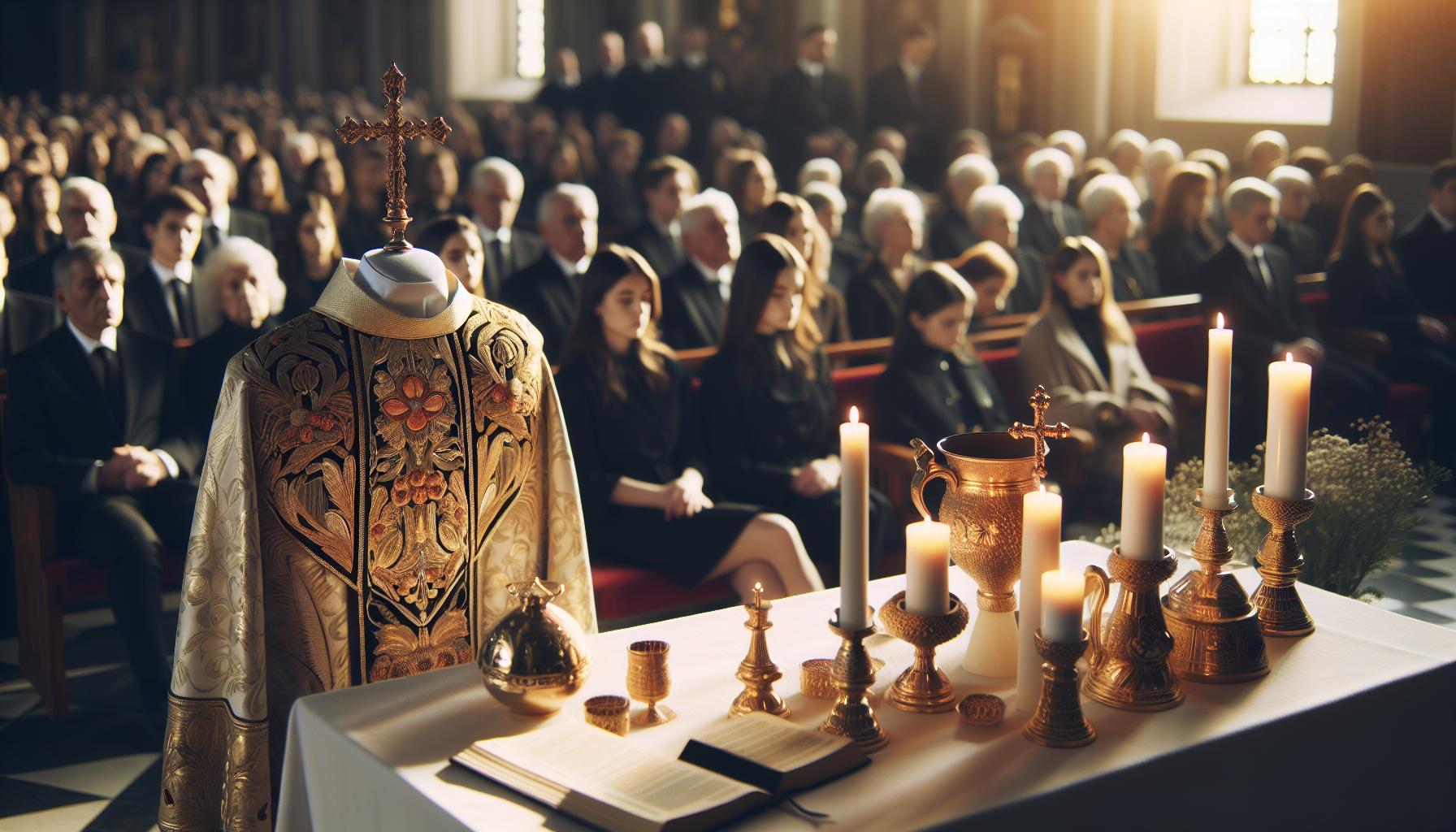
Key Takeaways from the Pope’s Funeral Attire
At the funeral of Pope Francis, the choice of attire became a focal point of international discussion, particularly regarding the adherence to traditional etiquette. The event saw attendees predominantly dressed in somber black, a color universally recognized as a symbol of mourning. This established norm not only reflects a collective reverence for the deceased but also honors the cultural and religious significance surrounding such occasions. The impact of dress codes in events like these can be profound, as clothing choices communicate respect and understanding of the context.
The stark contrast presented by Donald Trump’s blue suit drew immediate attention and critique. While some may argue that opting for a brighter color can signify optimism or resilience, at a funeral, it can also be perceived as a lack of sensitivity to the gravity of the occasion. This misalignment highlights the essential nature of understanding social cues and traditions, particularly in settings laden with historical and spiritual significance. By departing from the expected black attire, Trump inadvertently sparked conversations about the importance of attire in diplomatic settings, emphasizing that clothing can indeed speak louder than words.
Choosing the right outfit for funerals is not only about color but also about the style and presentation. Here are some practical tips for dressing for a memorial service:
- Opt for Dark, Muted Colors: Black, navy, and deep gray are traditional choices that convey respect.
- Avoid Flashy Accessories: Keep jewelry and accessories understated to maintain a solemn tone.
- Comfort is Key: Ensure that your outfit is comfortable, as funerals can be long events.
Understanding dress codes in different contexts, especially for significant events like a papal funeral, can enhance your confidence in making fashion choices that align with societal expectations while staying true to your personal style. Remember, it is always commendable to take cues from the surrounding environment and show respect through your attire.
Analyzing the Fashion Choices of Political Leaders
Political leaders often face scrutiny regarding their fashion choices, especially in formal settings like funerals. Attire can serve as a powerful communication tool, reflecting respect for the occasion and sensitivity to cultural norms. When it comes to high-profile events that evoke deep feelings of loss, such as a papal funeral, the expectations for attire are particularly pronounced. These settings demand a nuanced understanding of dress codes, where the unspoken rules of engagement are as significant as the spoken ones.
At the recent funeral of Pope Francis, Donald Trump’s decision to wear a blue suit stood out against the sea of traditional black. This divergence from sartorial norms was not merely an aesthetic choice; it sparked widespread debate about the intersection of fashion and protocol in political contexts. While a brighter suit might symbolize optimism or a bold personality, in such a somber setting, it can also come across as lacking reverence. This situation underscores the importance of aligning one’s fashion choices with the significance of the occasion, elevating the role of attire from mere clothing to a form of diplomatic expression.
Equally important is the role that personal style plays for political leaders. Each choice, from the color of a suit to the style of shoes, can convey specific messages about their values and priorities. For everyday individuals, this raises the question of how to balance personal expression with sensitivity to the occasion. Here are some practical tips to help navigate similar dilemmas:
- Embrace classic colors: For formal events, dark colors like black, navy, and charcoal are universally accepted as respectful choices.
- Consider the context: Being mindful of cultural and religious traditions can guide you in making appropriate selections.
- Keep it simple: Opt for minimalist designs and avoid flashy patterns or bold accessories that could detract from the somber nature of the event.
Ultimately, fashion for political figures and everyday attendees alike should reflect a blend of personal style and situational appropriateness. Understanding these dynamics not only helps one make informed decisions but also fosters confidence in dressing for significant occasions.
The Significance of Dress Code at Religious Events
A well-considered dress code at religious events is not merely an exercise in formality; it serves as a profound expression of respect towards the occasion, its participants, and the shared beliefs being honored. Attending the funeral of a figure such as Pope Francis, whose influence extended globally, requires attendees to carefully choose attire that reflects the solemnity and gravity of the moment. Colors, fit, and overall presentation contribute not only to personal expression but also to the collective atmosphere of remembrance and reverence.
Consider the unspoken rules that govern attire at religious ceremonies. Traditionally, dark colors like black, navy, or charcoal are favored, symbolizing mourning and respect. Yet, individual choices can add layers of meaning. For instance, bold colors, while they might represent a person’s unique style or optimism, can sometimes overshadow the event’s somber tone and inadvertently make the wearer appear disengaged. This is especially critical at significant events where the attire must align with the emotional weight carried by the occasion. To successfully navigate this balance, attendees should prioritize simplicity and respectfulness. An outfit might include a classic tailored suit paired with neutral or subdued accessories that quietly honor the spirit of the event.
Moreover, understanding cultural sensitivities is essential. For instance, religious events often come with specific expectations regarding attire, which can vary greatly by tradition and region. The key lies in researching and respecting these customs, thus contributing positively to the shared experience. Attendees can look into common practices tied to specific faiths or occasions, noting how different cultures express mourning and reverence through clothing choices. This mindfulness can foster deeper connections among participants while ensuring that everyone feels included and respected.
Ultimately, your attire at a religious event serves not just as a reflection of your style but as a communication tool that can resonate beyond the surface. It’s about striking the right balance-expressing individuality while showing sincere respect for the occasion. Incorporating these principles into your decision-making process will enhance your confidence and ease as you dress for such significant occasions.
Comparative Analysis: Trump vs. Other Attendees
Attending a funeral, particularly one as significant as that of Pope Francis, requires attendees to be mindful of traditional dress codes that reflect respect and solemnity. When Donald Trump arrived at the funeral wearing a blue suit, he sparked considerable conversation and critique. While most attendees adhered to the expected dress standard of black suits, Trump’s choice highlighted an interesting disparity in fashion choices at a moment intended for collective mourning and respect.
The contrast in attire between Trump and other attendees is particularly illuminating. At this occasion, many political leaders and dignitaries wore the customary black or dark-hued suits, a gesture steeped in traditional etiquette that signifies mourning and acknowledges the solemnity of the event. For women, this often translates to elegant black dresses or suits, which not only align with cultural expectations but also invoke an air of sophistication and reverence. In this context, Trump’s choice of a blue suit can be seen not just as a fashion misstep, but rather as a failure to recognize the unspoken rules of the event that were so diligently observed by his counterparts.
Despite the criticism, it’s crucial to acknowledge that fashion is subjective and can often reflect personal style or character. However, certain events demand adherence to conventional norms, particularly when the occasion bears significant emotional weight. A shift towards a bolder color like blue could be interpreted as an attempt to assert individuality but can also come across as a lack of understanding of the event’s emotional context. In the world of politics, where public perception is invaluable, such choices can significantly influence onlookers’ interpretations of respect and engagement with the occasion.
Ultimately, understanding the balance between personal expression and the decorum expected at various events is essential. For those navigating similar situations, consider the impact your fashion choices can have. Aim for classic, understated options that honor the event while allowing for personal touch-such as adding subtle accessories or choosing pieces that align with your personal style within the expected color palette. Fashion at such occasions should speak not just to the wearer’s individuality but also to the collective spirit of remembrance and respect that the event embodies.
Understanding the Expectations of Papal Events
Attending a papal event, especially a funeral, comes with a distinct set of expectations surrounding attire that reflects the gravity of the occasion. Not only do these events command respect and solemnity, but they also necessitate adherence to traditional dress codes that convey an understanding of cultural and religious norms. As seen in the recent funeral of Pope Francis, the expectation was clear: somber, respectful attire, typically in darker tones, signified mourning and reverence for the legacy of the late pontiff.
When considering what to wear to such significant events, it’s essential to recognize the traditions involved. Dark colors like black, navy, or deep gray are customary as they symbolize sorrow and empathy. For women, this might translate to tasteful dresses or tailored suits, with considerations for modesty and elegance. Accessories should be understated-think simple pearls or a delicate clutch. Men are generally expected to adhere to similar guidelines, donning suits that echo the event’s solemnity.
For those attending religious ceremonies, understanding the cultural significance of attire is crucial. Dress codes serve not only to express personal style but also to pay tribute to the collective mood of the occasion. This balance of individual expression and respect creates a harmonious atmosphere. So, when choosing your outfit for a papal event or any significant funeral, aim for a classic, understated look that honors the event while allowing for your unique touches. Follow these practical tips:
- Opt for Dark Colors: Choose attire in black, navy, or deep reds that align with the occasion’s somber mood.
- Embrace Classic Silhouettes: Select timeless styles that convey elegance-such as a sheath dress or a well-tailored suit.
- Subtle Accessories: Keep accessories minimal. A simple pair of pearls or a small, elegant handbag can enhance your look without overshadowing it.
- Prioritize Modesty: Choose cuts and lengths that uphold the dignity of the event; knee-length or longer is typically appropriate for women.
- Stay Comfortable: Ensure your outfit allows you to move freely, especially when participating in a ceremony where standing or walking may be involved.
By adhering to these guidelines, you not only reflect your understanding of the event’s seriousness but also empower yourself to feel confident in your attire. Remember, the right outfit can serve as a powerful means of connection, showing that while you may express your individuality, you fully respect the collective spirit of remembrance and reverence at such significant events.
Public and Media Reaction to Trump’s Outfit
The sight of Donald Trump arriving in a blue suit at Pope Francis’s funeral drew significant media attention and public commentary, igniting widespread discussions about protocol and dress code adherence at such a solemn occasion. Traditionally, attendees at papal funerals are expected to wear all-black attire, representing respect and mourning for the deceased. Trump’s choice of a blue suit, contrasting sharply with the black attire of most attendees, was perceived by many as a disregard for these longstanding customs, prompting debates across social platforms and news outlets.
Critics were quick to express their disapproval, with many arguing that his attire was emblematic of a broader tendency to prioritize personal style over the gravitas of the occasion. The outrage extended beyond just political circles, as members of the public commented on social media, echoing sentiments about the need to respect the traditions of religious and ceremonial events. One observer noted, “The outfit choice felt like a personal statement, overshadowing the significance of the moment.” While some defended Trump by suggesting that everyone has their distinct style, the prevailing opinion leaned toward the belief that adherence to protocol is essential in settings that demand solemnity.
This situation is a reminder that fashion choices can serve as powerful expressions of sentiment and respect, especially in environments heavy with cultural and religious significance. For those unsure about their own attire for similar events, it highlights the importance of following established dress codes to align with the mood of the occasion. Choosing outfits that reflect both personal style and a sense of respect can create a balance that honors the event and its participants. For future attendees of formal events, embracing dark colors, minimalistic accessories, and classic silhouettes can foster a sense of appropriateness while still allowing for individual expression in subtle ways.
Cultural Significance of Attire in Religion
Attire plays a crucial role in religious settings, conveying respect, reverence, and adherence to the cultural significance of the occasion. The clothing we choose to wear reflects not only our personal style but also our understanding of the traditions and customs surrounding us, especially during significant events such as a papal funeral. For instance, many cultures dictate specific dress codes during somber ceremonies, with black attire being a universally recognized symbol of mourning. When prominent figures, such as Donald Trump, deviate from these expectations, it sparks broader conversations about the importance of appropriateness in dress and the messages we convey through our choices.
Understanding the Protocol
At religious events, attire must align with the solemnity and significance of the occasion. The traditional expectation is to wear dark, muted colors to honor the deceased and the gravity of the event. Individuals attending such ceremonies, particularly those in the public eye, should consider how their clothing choices resonate with the collective sentiment of mourning. When the norms are not followed, as seen with Trump’s blue suit at the Pope’s funeral, it can be perceived not only as a disregard for tradition but also as a misstep in connecting with the shared cultural values of those present.
Embracing Individuality Respectfully
While it’s important to express individual style, finding the right balance between personal expression and the expected dress code is vital. Here are a few practical tips for navigating attire in religious and formal settings:
- Color Selection: Opt for deep colors like navy, maroon, or charcoal if black is not your preference.
- Fabric Considerations: Choose materials such as wool or silk that feel respectful and appropriate for formal contexts.
- Accessorizing Wisely: Keep accessories minimal and understated; a classic piece can elevate your outfit while maintaining decorum.
These choices show a willingness to honor tradition while still allowing for personal flair. Moreover, recognizing cultural significance in attire goes beyond mere visual appeal; it is about making a connection with the attendees and the solemn occasion.
In essence, thoughtfully chosen attire can bridge personal style with the expectations of cultural norms. By respecting traditions while gracefully incorporating unique elements, individuals can navigate the complex landscape of dressing for significant religious ceremonies. The take-home message is about fostering an understanding of the impact of our clothing choices and making decisions that reflect both respect for the event and a celebration of individuality.
Fashion Insights: Dressing for Formal Occasions
Dressing for formal occasions can often feel like a daunting task, but it doesn’t have to be. Whether attending a funeral, a wedding, or an important business meeting, understanding the nuances of attire can make a significant difference in how you are perceived. At formal events, especially those steeped in tradition like a papal funeral, it’s crucial to consider the balance between personal expression and adherence to established dress codes. These choices convey respect and can reinforce connections to cultural values shared among attendees.
When selecting an outfit for formal events, the color palette plays a pivotal role. Opt for classic colors that evoke a sense of sophistication and appropriateness. Deep hues like black, navy, charcoal, or even rich burgundy are typically considered respectful and suitable for mourning situations. If black doesn’t appeal to you, ensure that your alternative choices are muted and understated. Pair these colors with fabrics that complement the occasion, such as wool for colder months or breathable silk for more temperate weather.
Accessorizing is another area where careful thought is essential. While accessories can enhance an outfit, they should not overshadow the overall intent of the occasion. Minimalist jewelry, such as a delicate pendant or simple stud earrings, can provide a touch of elegance without appearing ostentatious. When it comes to footwear, choose classic styles that are both chic and comfortable, allowing you to navigate the event seamlessly. Remember, balancing personal style with the formality of the setting can help you feel confident and respectful.
Practical Styling Tips
To ensure you make the right impression, here are some actionable tips:
- Fit is Key: Ensure that your clothes are well-fitted; tailored pieces often look more polished and refined.
- Layer Wisely: In cooler weather, layering can add depth to your outfit. A tailored blazer or a wrap can enhance your look without compromising comfort.
- Mind the Details: Pay attention to grooming and hygiene, as well as the cleanliness of your accessories and shoes, to complete your look seamlessly.
By embracing these insights into formal dressing, you can approach each occasion with confidence and clarity. Remember, the goal is to honor the event’s significance while still expressing your unique style in a respectful manner. This thoughtful approach ensures that you’re not only well-prepared for the moment but also a reflection of the values being observed.
How Fashion Choices Reflect Political Statements
Dressing for significant events like a papal funeral goes beyond mere aesthetics; it involves carefully navigating the interplay between fashion and political statements. When Donald Trump attended Pope Francis’ funeral wearing a blue suit instead of the traditional black, it sparked a wave of discussion not only about etiquette but also about the signals such choices send. In essence, clothing at functions such as these serves as a non-verbal communication tool that reflects attitudes, values, and intentions.
Fashion choices made by political figures are often scrutinized, as they can signal allegiance or dissent, respect or disregard. Trump’s decision to break with the expected dress code-a choice many interpreted as a lack of respect-embodies how clothing can influence public perception. It’s essential to recognize that one’s attire, particularly at a highly ceremonious event, conveys messages about cultural sensitivity and awareness. The absence of adherence to dress norms can detract from the solemnity of the occasion and may be viewed as an affront by attendees and commentators alike.
Understanding the significance of attire extends to personal branding as well. Political figures like Trump often leverage fashion to create memorable impressions, but these decisions carry weighty implications. While an outfit can project confidence, making a statement, it’s crucial to balance personal style with situational appropriateness. Vivid colors and bold patterns might be great for a rally or casual event, yet a more subdued palette typically aligns with the expectations at formal events like a funeral. The ability to navigate these sartorial choices with consideration for context can enhance a leader’s image and foster greater respect from the public.
In summary, fashion is a powerful extension of political identity. It not only represents personal choices but also communicates respect for cultural and situational norms. Utilizing fashion wisely can help political figures reinforce their messages while also connecting with constituents in ways that transcend words.
Lessons in Diplomatic Dress from Historical Figures
In the realm of diplomatic dress, historical figures offer powerful lessons in the significance of attire during formal occasions. The attire chosen for events like Pope Francis’ funeral can profoundly impact public perception and convey respect or disregard for cultural norms. Take, for instance, the late Queen Elizabeth II, who consistently adhered to the royal dress code, opting for somber colors and classic silhouettes during state funerals and ceremonial events. Her wardrobe choices communicated a deep reverence for tradition and underscored her understanding of the role clothing plays in diplomacy.
Moreover, former President Barack Obama exemplified the importance of situational awareness with his thoughtful fashion choices. During his visit to the U.K., he was noted for wearing a tailored dark suit that respected the event’s solemnity and cultural significance. This approach not only showcased his style but also demonstrated a diplomatic sensitivity that resonated positively with attendees and the media alike. Such decisions highlight how understanding the unspoken rules of attire can enhance a leader’s public image and message.
To help navigate the complexities of dressing for significant occasions, consider these practical tips inspired by historical figures:
- Know the Context: Before choosing an outfit, research the event’s cultural and formal requirements. For somber occasions like funerals, darker colors are typically more appropriate.
- Choose Classic over Trendy: Opt for timeless pieces that convey respect. A little black dress or a well-fitted suit often makes a suitable choice.
- Accessorize Wisely: Keep accessories understated; a simple piece of jewelry or a classic watch can enhance your outfit without overpowering it.
- Fit Matters: Ensure your clothing fits well, as ill-fitting attire can detract from your appearance and the message you wish to convey.
By integrating these lessons into your wardrobe choices, you can navigate formal events with confidence and grace, honoring the event’s significance while maintaining your personal style. Dressing thoughtfully for these occasions not only reflects your understanding of cultural norms but also reinforces how you wish to be perceived in a diplomatic context.
Tips for Appropriately Dressing for Funerals
Dressing for a funeral, particularly a high-profile one such as Pope Francis’ funeral, involves an understanding of the occasion’s solemnity and a respect for cultural norms. The attire worn to such events conveys significant messages about respect and empathy; hence, the choice of clothing matters. Whether you are attending a family member’s memorial or a public figure’s service, navigating the appropriate dress code can feel daunting. Fortunately, with some thoughtful guidelines, you can confidently select an outfit that honors the occasion.
Here are some practical strategies to consider when preparing your funeral attire:
- Stick to Dark Colors: Black is traditionally the go-to choice for funerals, signifying mourning and respect. Dark shades of navy, charcoal, or deep green can also be appropriate. This color palette helps maintain the event’s solemn atmosphere.
- Choose Classic Styles: Opt for timeless pieces that hold significance over trend-driven attire. A well-fitted suit or a simple, elegant dress that falls below the knee can reflect somberness and decency. Avoid anything too flashy or casual, like bright colors or overly intricate designs.
- Prioritize Comfort and Fit: Ensure your clothes fit well and allow you to move comfortably. Funerals can sometimes involve extended standing or sitting, so clothing that allows for ease will help you remain composed and respectful.
- Minimal Accessories: When accessorizing, less is often more. Simple jewelry or a tasteful belt can complement your outfit without drawing attention away from the significance of the occasion. A respectful approach is to avoid statement pieces or overly large accessories that might distract from the mourning atmosphere.
- Seasonal Considerations: Account for the weather when choosing your outfit. In colder months, layering with a smart coat can be both practical and stylish. In warmer seasons, breathable fabrics that still maintain a polished look lend comfort while honoring the occasion.
- Footwear Matters: Select shoes that are polished and suitable for the venue. For women, closed-toe shoes, whether flats or modest heels, are often appropriate. Ensure they are comfortable, as you may find yourself on your feet for longer periods.
By following these tips, you can approach funeral attire with confidence, ensuring that your outfit reflects both respect for the deceased and the dignity of the event. Remember that dressing appropriately not only honors the memory of those who have passed but also reinforces a sense of community with fellow mourners as you share in the collective experience of grief and remembrance.
Faq
Q: What outfit did Trump wear to the Pope’s funeral?
A: Donald Trump wore a traditional black suit with a white shirt and a black tie to the Pope’s funeral, aligning with typical funeral attire. His choice was formal, but it sparked discussions on whether it adhered to specific protocols expected at papal services.
Q: Why is dress code important at papal events?
A: Dress code at papal events symbolizes respect and reverence. Appropriate attire reflects the solemn nature of the occasion, particularly during funerals. Understanding this can help attendees honor traditions while avoiding any diplomatic faux pas.
Q: Did Trump’s outfit break any specific protocols?
A: Yes, some observers noted that Trump’s informal demeanor and choice of accessories, including his tie, might have been seen as less respectful compared to traditional attire expected at such a high-profile ecclesiastical event, raising questions about his adherence to protocol.
Q: How do fashion choices at funerals reflect political statements?
A: Attire at funerals can convey solidarity, respect, or defiance, depending on the individual. In Trump’s case, his outfit choice prompted discussions about personal branding and political identity, suggesting that even at somber events, fashion can communicate broader messages.
Q: How did the media react to Trump’s funeral attire?
A: Media reactions were mixed, with some praising his choice of a classic black suit while others criticized the informality of his demeanor and accessories, arguing that it was out of step with the somberness of the occasion. Public interpretations can shift depending on political allegiances.
Q: What can attendees wear to appropriately dress for a papal funeral?
A: Attendees generally should opt for formal attire, including dark suits or dresses, covered shoulders, and subdued colors. Accessories should be minimal to reflect the solemn nature of the event, honoring both the deceased and the religious significance of the service.
Q: What lessons in diplomatic dress can be drawn from Trump’s attire?
A: Trump’s outfit at the Pope’s funeral illustrates the fine line between self-expression and protocol in diplomacy. Understanding cultural significance in attire can help political figures navigate international events with greater sensitivity and respect.
Q: How do funeral dress codes differ across cultures?
A: Funeral dress codes vary widely; while Western cultures often favor dark, formal attire, other cultures may have distinct colors or styles. Attendees should research local customs to ensure their attire respects cultural sensitivities and traditions.
Key Takeaways
As we reflect on the intriguing nature of Trump’s attire at the Pope’s funeral, it’s clear that fashion choices can carry profound cultural implications. Whether you agree or disagree with the protocol he broke, understanding these decisions sheds light on the intersection of style and significance in high-stakes environments. If you’re curious about more fashion-related insights or the nuances of political style, be sure to check out our posts on “Celebrity Fashion Faux Pas” and “Understanding Dress Codes for Formal Events.”
Don’t miss out on engaging with our community-share your thoughts in the comments and let’s discuss! Also, subscribe to our newsletter for more captivating analyses and practical fashion advice that can guide you through any occasion, be it a wedding or an important job interview. Dive deeper into your style journey and feel empowered to make confident choices that reflect your unique personality. Your next fashion exploration starts now!