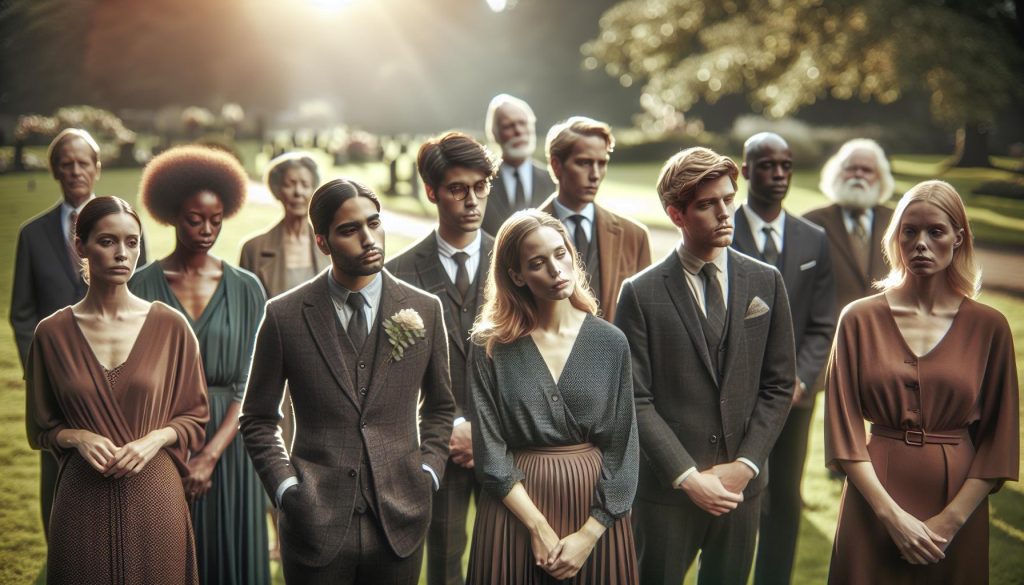
Choosing the right attire for a visitation can be a daunting task, especially when you want to convey respect and professionalism. The choices you make in your outfit can significantly influence the atmosphere of the meeting and reflect your intentions. Understanding what to wear is not just about fashion; it’s about communicating your readiness to engage with sensitivity and care.
As you prepare for this important occasion, consider how your clothing can enhance your confidence while honoring the moment. From understanding the appropriate dress code to choosing the right colors and accessories, this guide will help alleviate the stress of outfit selection. With practical tips and inclusive choices, you’ll discover how to feel comfortable and look polished, regardless of your body type or personal style. Let’s explore how to strike the perfect balance between respectfulness and personal expression, ensuring that you make a positive impression.
Understanding the Purpose of a Visitation Attire

Understanding the attire for a visitation is essential, as it embodies the respect and reverence we owe to those who have passed and their grieving families. Attending a visitation is not just about showing up; it’s also about conveying your support through your appearance. The right outfit can help foster an atmosphere of dignity and solace, allowing mourners to focus on honoring the memory of their loved ones without the distraction of inappropriate or overly casual clothing.
When choosing attire for a visitation, it’s important to consider the setting and the feelings of those grieving. Opting for darker colors like black, navy, or deep gray can signify respect and seriousness. Fabrics should be clean and well-maintained, and the fit should be modest, avoiding anything too revealing or overly extravagant. This thoughtful attention to attire sends a comforting message to the family that you acknowledge their loss and wish to be a part of their mourning process. Furthermore, choosing simple yet elegant pieces can boost your confidence, allowing you to navigate complex emotions during the visitation.
In addition to color and fit, the overall presentation is vital. Ensure that your clothing is comfortable yet polished, so you can move with ease while still appearing dignified. Accessories should be kept minimal-perhaps a simple watch or understated jewelry-to maintain the focus on the purpose of the gathering. Remember, your outfit serves to support you in showing empathy and solidarity with those in grief, allowing the shared experience of loss to be the highlight of the day rather than the clothing worn.
Key Principles of Respectful Outfit Choices
Choosing the right outfit for a visitation can feel daunting, but understanding the key principles of respectful attire can significantly ease that stress. Firstly, it’s essential to remember that your clothing reflects the respect you hold for the deceased and their grieving family. Opting for modesty and simplicity in your outfit not only honors the occasion but also creates a sense of comfort for those in mourning. Fabrics such as dark cotton, wool, or blended materials tend to present a more subdued yet polished look, perfect for the somber atmosphere of a visitation.
When selecting your outfit, consider the message that different colors convey. Dark hues like black, navy, and deep gray are traditional choices that signify mourning and respect. However, muted tones and subtle patterns can also be appropriate if they maintain a dignified look. Aim to avoid striking patterns or bright colors, as they can divert attention from the purpose of the gathering. As you choose your clothes, ensure that they fit well and are clean. Well-maintained attire not only elevates your appearance but also communicates the care you take in honoring the occasion.
Comfort is another vital aspect to consider. You may be standing or sitting for extended periods, and your clothing should allow you to move freely without distraction. A classic pair of dress pants or a knee-length dress in comfortable fabric can be suitable options. Footwear should be practical yet respectful; closed-toe shoes or dress sandals are ideal, as they help you maintain a polished look without sacrificing comfort.
Finally, the details matter. Keep accessories understated – a simple necklace or classic watch can enhance your outfit without overpowering it. Aim for a subtle approach that complements your overall look, allowing the focus to remain on supporting the family during their time of grief. Remember, your outfit is a means of showing empathy and solidarity, creating a shared atmosphere of respect and understanding in a challenging moment.
What to Avoid: Common Attire Mistakes
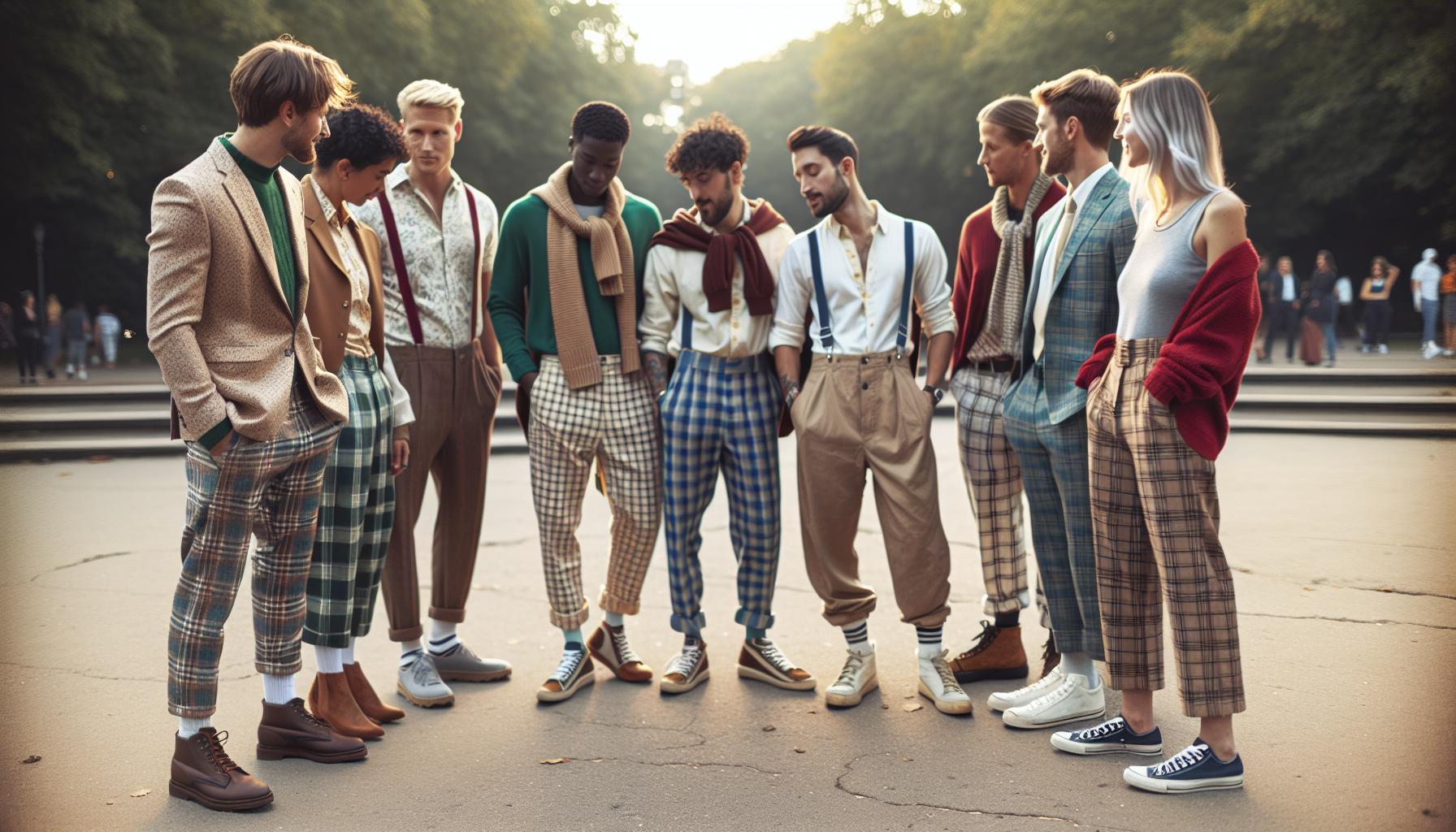
Choosing the right outfit for a visitation is crucial, as it reflects the respect you have for the occasion and those present. To ensure your attire is suitable, it’s important to avoid certain common mistakes that can detract from the solemnity of the event. Being aware of these pitfalls can help you feel confident and appropriate during a sensitive time.
One major mistake is opting for overly casual clothing. While comfort is important, items like sweatpants, graphic tees, or flip-flops can convey a lack of respect. Instead, aim for a polished look with dress pants or a modest dress. Paying attention to the fit is equally essential; clothing that is too tight or excessively loose can be distracting and may not convey the seriousness of the occasion. Choose pieces that offer a comfortable fit without sacrificing an overall respectful appearance.
Another common oversight is selecting bright colors or bold patterns. Such choices can draw attention away from the purpose of the visitation. Sticking to muted tones, such as blacks, grays, and deep blues, helps maintain a somber tone. Additionally, avoid clothing that has large logos or slogans, as these can come off as inappropriate in a grieving setting. Aim for garments made from subdued fabrics that promote a respectful atmosphere.
Lastly, be cautious with your accessories. Overly flashy jewelry or excessive adornments can detract from the overall message of support and empathy you intend to convey. Keep accessories minimal and understated-consider a simple pair of stud earrings or a classic watch. This approach ensures that your outfit complements the occasion without overshadowing it, allowing you to be present for the family and friends who are mourning. Remember, the goal is to show solidarity and respect through your attire; making thoughtful choices will help achieve that.
Seasonal Considerations for Visitation Attire
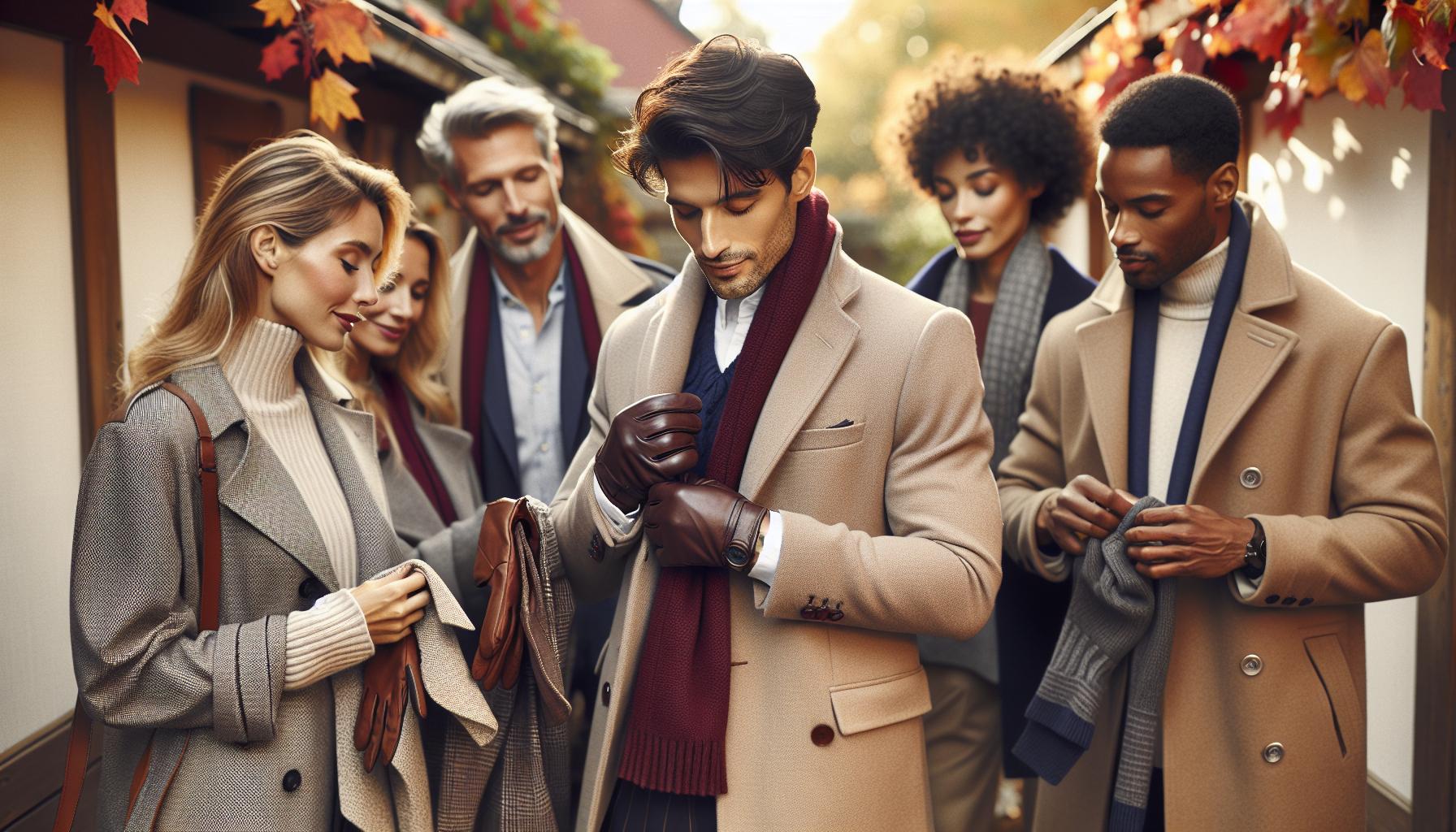
Choosing the right attire for a visitation can be particularly challenging when considering seasonal factors. The weather has a significant impact on comfort, style, and appropriateness, which can sometimes complicate decisions. Each season brings its own elements that can guide your outfit choices while still ensuring you convey respect and empathy during this sensitive occasion.
In warmer months, such as spring and summer, breathable fabrics become essential. Opt for light cotton or linen blends in muted colors like beige, light gray, or soft pastels. A tailored sleeveless dress or a lightweight cardigan over a long-sleeve blouse paired with dress pants can provide a polished look while keeping you cool. However, be careful to avoid overly casual styles like sundresses or shorts; maintaining a respectful tone should always be a priority. A classic pair of closed-toe flats or low-heeled shoes completes the look perfectly, offering comfort for potentially long periods spent standing or sitting.
As the weather cools in fall and winter, layering becomes key. You can achieve a respectful look by selecting heavier fabrics, such as wool or cashmere. Aim for a tailored blazer over a long-sleeve top combined with tailored trousers or a knee-length skirt. Darker colors, such as deep burgundy or navy, can add a seasonal touch while still honoring the somber nature of the event. Incorporating a scarf can provide both warmth and a splash of texture, as long as it’s not too bold or flashy. Consider ankle boots or closed-toe pumps to keep your feet warm without sacrificing style.
To help you navigate seasonal challenges, here’s a brief overview of suitable attire based on season:
| Season | Suggested Fabrics | Outfit Ideas |
|---|---|---|
| Spring/Summer | Cotton, Linen | Lightweight dresses, Tailored trousers with a blouse |
| Fall/Winter | Wool, Cashmere | Layered blazers with long-sleeve tops, Trousers or skirts |
By considering the season while making your outfit choices, you can create a balance of comfort, style, and respectfulness, ensuring you feel confident and appropriate during the visitation. Embrace the opportunity to express your compassion through your attire while remaining adaptable to the elements.
Color Coordination Tips for Comfort and Respect

Choosing the right colors for a visitation can profoundly impact the impression you make while also contributing to your comfort and confidence. The shades you select not only communicate respect but also reflect sensitivity to the occasion. Soft, muted colors are generally a safe choice that conveys sincerity and empathy without drawing undue attention. Think of pale blues, soft grays, and earthy tones that help create a calming atmosphere in what can be a stressful time for all.
When selecting your color palette, consider the emotional resonance of certain hues. For instance, blues are often associated with calmness and stability, while earthy browns convey warmth and support. If you’re looking to incorporate darker colors, navy, charcoal, or even deep greens can serve as sophisticated options that remain respectful and dignified. It’s essential to avoid overly bold colors, such as bright reds or fluorescent shades, which may come across as too festive for the occasion. Instead, opt for rich, muted versions of colors, allowing you to maintain a polished appearance that fits the somber mood of a visitation.
Practical Color Coordination Tips
- Layering Wisely: For cooler weather, consider a neutral base layer topped with a darker outer layer. This approach not only keeps you warm but also allows you to add subtle interest without being overbearing.
- Accessorizing: Use accessories in subdued colors to enhance your outfit. A simple scarf or understated jewelry in soft shades can give your look a thoughtful touch without dominating the ensemble.
- Pairing Colors: Mix lighter hues with darker ones for a balanced look. For instance, you might wear a light blouse with a darker blazer or trousers, offering depth to your outfit while maintaining respect for the occasion.
Choosing your colors carefully allows you to navigate the complexities of feeling appropriate and comfortable during a visitation. Whether you’re dressing for spring’s soft pastels or fall’s warming neutrals, you create an engaging, respectful appearance that supports the grieving family while ensuring you feel confident and at ease.
Accessorizing for a Thoughtful Presentation
Accessorizing thoughtfully can enhance your overall appearance while maintaining the respect and sensitivity required for a visitation. Accessories serve not only as functional elements but also as subtle expressions of your style and intention. The goal is to select pieces that complement your attire without distracting from the solemnity of the occasion. Here’s how to navigate your accessory choices effectively.
First, opt for understated jewelry that adds a touch of elegance without overwhelming your outfit. Simple stud earrings or a delicate necklace can provide a refined finish. Consider using materials like silver, gold, or matte finishes that resonate with the muted tones of your clothing. Avoid large, noisy pieces that may draw too much attention; instead, think of accessories that whisper sophistication. A classic wristwatch can also be a thoughtful addition, reflecting your attention to punctuality and respect for the event.
When it comes to scarves and shawls, they can serve both style and comfort purposes. A soft, cashmere scarf in a neutral shade can be draped around your shoulders, offering warmth and an added layer without being obtrusive. Additionally, a simple, patterned scarf can introduce a hint of personality to your outfit without sacrificing the overall tone. Ensure that the fabric is plush and not too bright, maintaining that balance of comfort and decorum.
For the finishing touch, consider a small, elegant handbag that is practical yet stylish. Choose one that is easy to carry and complements your outfit in color and texture. Avoid overly flashy designs or oversized bags; instead, aim for a clean, classic silhouette that aligns with the respectful nature of the visitation. Ultimately, each accessory should contribute to a harmonious look-one that reflects your care for the circumstances while allowing you to express yourself within the boundaries of respect and appropriateness.
Outfit Ideas for Different Visitation Scenarios
Choosing the right outfit for different visitation scenarios can enhance the experience and ensure that you remain comfortable and respectful of the occasion. Whether you’re attending a family visit, a friend’s event, or a religious service, careful consideration of your attire can set the tone. Each setting has its unique vibe and expectations, and selecting your clothing accordingly can help reduce any decision-making stress.
For a family visitation, especially if it’s an informal gathering or a supportive visit, opt for a cozy yet polished look. A pair of tailored jeans paired with a soft cashmere sweater in a neutral color creates an inviting appearance. Layering with a long cardigan or a lightweight jacket adds warmth and style. Complete the outfit with flat ankle boots or classic loafers. This combo keeps you comfortable for casual conversations while maintaining a polished edge. Consider accessorizing with delicate jewelry, such as a pendant necklace or small hoop earrings, to add a touch of elegance without overwhelming the outfit.
In contrast, a visitation tied to a formal event, like a church service or a memorial, calls for more meticulous attention to attire. Women might consider wearing a knee-length dress or a tailored skirt combined with a blouse. Solid colors or subtle patterns work best for a timeless look. A classic blazer can elevate your ensemble while offering a layer of sophistication. Pair this with low-heeled pumps that are easy to walk in, ensuring that your focus remains on the occasion. If chilly, a structured scarf can provide additional warmth and maintain the outfit’s formality.
For those visiting in a more relaxed setting, such as a community function or casual gathering, consider a sundress or a smart casual jumpsuit. These options are not only stylish but also allow for movement and comfort. Complement the look with comfortable sandals or slip-on shoes. A crossbody bag or a compact tote can easily hold your essentials without feeling bulky. Selecting light, breathable fabrics, particularly in warmer months, can keep you cool and relaxed while still adhering to the respectful nature of the visit.
Adapting your outfit to the specific visitation scenario ultimately empowers you to embrace the occasion and express yourself within appropriate boundaries. Remember, the right attire not only respects the event and its attendees but also boosts your confidence, allowing you to focus on meaningful interactions.
Dressing for Formal vs. Informal Visitations
Choosing the right outfit for a visitation can truly shape your entire experience, both in terms of comfort and expressing your respect for the occasion. In formal settings, such as a church service or a memorial, the emphasis leans heavily toward polished and elegant attire. Women might consider a knee-length dress in a subdued color or pattern, complemented by a tailored blazer, which brings a layer of sophistication without being overly fussy. Opt for low-heeled pumps or elegant flats that allow for easy movement while still looking put-together. An understated scarf can not only provide warmth but also enhance your ensemble’s overall classic appeal.
On the other end of the spectrum, informal visitations call for a more relaxed approach while still maintaining respect for the occasion. In these settings, think about incorporating a smart-casual outfit. Tailored jeans or chic trousers with a soft blouse can strike the perfect balance between comfort and style. A cozy cardigan or a casual blazer can elevate your look while ensuring you feel at ease. Footwear should reflect the casual vibe-consider stylish loafers or ankle boots that are comfortable enough for longer wear. This allows for easy conversation and movement, keeping the focus on memorable interactions rather than being distracted by your attire.
Key Considerations for Choosing Attire
When dressing for either formal or informal visitations, consider the following factors to ensure you feel both respectful and comfortable:
- Fit and Comfort: Ensure that your clothing fits well and allows for movement. Feeling comfortable in what you wear frees you to engage more fully in the moment.
- Color Palette: For formal events, stick with darker tones that communicate reverence. In contrast, softer or pastel hues might work well for informal gatherings, provided they are not too bright or flashy.
- Accessorize Mindfully: Keep accessories minimal and tasteful. A few delicate pieces like stud earrings or a simple necklace can add elegance without overwhelming your look.
Ultimately, your outfit should empower you, letting you focus on the purpose of the visitation. By taking into account both the formality of the occasion and your personal comfort, you’ll be able to navigate the experience with grace and confidence.
Inclusivity in Attire: Options for Diverse Body Types
When it comes to dressing for visitations, embracing inclusivity in attire is essential for ensuring everyone feels respected and confident, regardless of body type. The key is to choose pieces that empower you while also considering the specific occasion. This not only fosters a sense of belonging but also helps to ease any potential anxiety about outfit choices.
One effective approach is to prioritize fit and versatility. For instance, opt for wrap dresses or A-line skirts that flatter various figures and allow for comfortable movement. These silhouettes can easily be paired with blazers or cardigans to create a polished look suitable for both formal and informal visitations. Consider breathable fabrics that move with you, ensuring comfort during longer gatherings. Additionally, selecting styles with adjustable features, like elastic waistbands or tie closures, can accommodate changing body shapes and personal comfort levels.
Color and Pattern Choices: Additionally, when it comes to color and pattern, consider darker tones or muted florals that convey respect while providing a sense of calm. These hues can be balanced with accessories in lighter shades, creating a visually appealing ensemble without drawing excessive attention. Plus, don’t shy away from layering; wearing a tailored jacket or a long cardigan over your outfit can enhance your look while adding an extra layer of comfort.
When accessorizing, think about pieces that complement your outfit without overwhelming it. Simple stud earrings or a delicate bracelet can be perfect for adding a touch of elegance. Make sure your footwear aligns with your comfort needs, especially if standing or moving around is expected. For many, chic loafers or block-heeled shoes offer both style and comfort, making them a fantastic choice for navigating various visitation settings.
By focusing on fit, fabric, color, and thoughtful accessorizing, you can create a respectful and appropriate outfit that resonates with your personal style and ensures you feel your best during this important occasion.
Step-by-Step Guide to Assembling Your Outfit
Assembling the perfect outfit for a visitation can feel daunting, but it’s all about making intentional choices that reflect both respect for the occasion and your personal style. Start by selecting a base outfit that prioritizes comfort and appropriateness. This may mean choosing tailored trousers paired with a classic blouse or a modest dress that allows for easy movement. Opt for fabrics that breathe well and drape nicely to help you feel at ease throughout the event.
Building Your Look Step-by-Step
- Choose Your Base:
– For women, consider a knee-length dress or a pair of dress pants with a blouse, ideally in darker colors or subtle prints. Aim for pieces that flatter your figure while ensuring comfort.
– Men can opt for slacks paired with a button-down shirt or a blazer. A classic navy or gray adds a touch of elegance without being overly formal.
- Add Layers:
– Layering is key to achieving a polished look. Depending on the season, a tailored blazer, cardigan, or even a light scarf can elevate your outfit while providing warmth. These layers should complement your base without overpowering it.
- Accessorize Thoughtfully:
– Keep accessories simple and understated. A pair of stud earrings, a delicate necklace, or a classic watch can enhance your outfit without distracting from the purpose of the visitation. Make sure your handbag is also practical – a small crossbody or clutch can keep essentials close while looking chic.
- Select Appropriate Footwear:
– Comfort is paramount, especially for longer gatherings. Choose shoes that you can stand in for an extended period, such as block heels or elegant flats. Avoid overly trendy or casual options like flip-flops, which may feel disrespectful in this context.
Final Touches
Before heading out, do a quick self-check in the mirror to ensure your outfit is neat and that the colors align harmoniously. Make adjustments as needed, such as tucking in your shirt or smoothing wrinkles, to ensure you present yourself confidently.
A thoughtful outfit choice helps to honor the memory of the individual being commemorated while allowing you to feel empowered and comfortable. Remember, the goal is to present yourself respectfully and earnestly, while still feeling like yourself.
Practical Solutions: Comfort Meets Respect in Attire
Selecting the right outfit for a visitation should not feel like an overwhelming task; rather, it is an opportunity to express respect and comfort in a thoughtful manner. The key to achieving this balance lies in prioritizing practicality while adhering to the event’s solemn nature. Choosing pieces that facilitate ease of movement while maintaining an air of modesty can make a significant impact on your experience during the visitation.
Comfortable and Respectful Choices
Start with breathable fabrics that allow for easy wear throughout the duration of the gathering. Options like soft cotton, linen blends, or lightweight wool not only feel good against the skin but also drape well, lending a polished look without being overly structured. For women, a knee-length dress that gently follows the body’s shape or tailored trousers paired with a flowy blouse can achieve the desired mix of comfort and elegance. Men can consider classic slacks with a breathable button-up shirt, or even a lightweight blazer for a more refined appearance.
Practical Footwear
Footwear choices play a crucial role in maintaining your overall comfort, especially if you expect to be standing or walking for extended periods. Look for styles that provide support while still remaining polished-block-heeled shoes or well-fitted flats are excellent options. Avoid shoes that are too casual, like flip-flops, as these can detract from the respectful tone of the visitation. Aim for a pair that you can easily move in, allowing you to stay engaged with others rather than distracted by discomfort.
Accessorizing Wisely
When it comes to accessories, opt for understated pieces that enhance your outfit without overwhelming it. A simple pair of stud earrings or a classic pendant can add a touch of sophistication while keeping the focus on the event itself. Choose a practical handbag, such as a small crossbody or a clutch, that allows you to keep essentials handy without weighing you down.
At the end of the day, your choice of attire for a visitation should reflect both your respect for the occasion and your personal style. Simple, intentional choices can help ease the decision-making process, allowing you to focus on what truly matters-honoring the memory of the person being remembered while feeling confident and at ease in your own skin.
Frequently asked questions
Q: What is appropriate attire for a visitation?
A: Appropriate attire for a visitation typically includes smart-casual or business casual clothing. This may consist of slacks, a blouse or button-up shirt, and closed-toe shoes. Aim for outfits that show respect for the occasion while remaining comfortable. For more ideas, check the “Outfit Ideas for Different Visitation Scenarios” section.
Q: How should I dress for a formal visitation?
A: For a formal visitation, opt for classic dressier attire such as a tailored dress, suit, or dress pants with a blazer. Choose neutral or subdued colors to convey respect. Accessorizing minimally with understated jewelry can elevate your look without being distracting. Refer to the “Dressing for Formal vs. Informal Visitations” section for details.
Q: Can I wear jeans to a visitation?
A: Wearing jeans to a visitation can be acceptable if they are clean and paired with a nice top. Avoid distressed or overly casual styles. To ensure appropriateness, consider the venue and context; smarter jeans may be suitable for informal visitations.
Q: What colors should I avoid wearing to a visitation?
A: Avoid bright colors or loud patterns that can draw attention away from the purpose of the visitation. Also, steer clear of all-black outfits unless attending a memorial service. Instead, opt for softer, muted tones that create a respectful appearance.
Q: Are there specific fabrics to choose for visitation attire?
A: Yes, choose fabrics that are comfortable yet polished. Cotton, wool blends, or lightweight synthetics work well for various seasons. Avoid overly casual materials like sweatshirts or gym attire. Refer to the “Seasonal Considerations for Visitation Attire” section for fabric recommendations based on weather.
Q: Should I accessorize for a visitation?
A: Yes, accessorizing is encouraged but keep it minimal and respectful. Simple earrings, a delicate necklace, or a classic watch can enhance your outfit without being overpowering. Check the “Accessorizing for a Thoughtful Presentation” section for tips on how to achieve this balance.
Q: What are suitable footwear options for a visitation?
A: Choose closed-toe shoes that are clean and polished, such as flats or low-heeled shoes. Avoid overly casual options like flip-flops or sneakers. A comfortable yet professional-looking shoe will help you feel confident and respectful during the visitation.
Q: How can I ensure my outfit is respectful and appropriate?
A: To ensure your outfit is respectful, adhere to the venue’s dress code, choose conservative styles, and select colors that convey somberness. It’s also useful to consider the purpose of the visitation and dress accordingly. Refer to the “Key Principles of Respectful Outfit Choices” for additional insights.
Future Outlook
As you prepare to attend a visitation, remember that showing respect through your attire can make a meaningful impact. Opt for simple yet elegant options that convey your condolences and support, such as a tasteful dress or a polished blouse paired with dress pants. For guidance on what to wear to other heartfelt events, check out our articles on “Dressing for Funerals” and “Attire for Memorial Services” to ensure you’re always appropriately dressed for solemn occasions.
Don’t forget to sign up for our newsletter for ongoing style tips that empower your fashion choices while keeping you confident in every situation. If you’re unsure about how to accessorize or would like more personalized advice, explore our styling consultation services. Your fashion journey matters, and we’re here to help! What are your thoughts on appropriate attire? Share your experiences or questions in the comments below, and let’s continue this conversation.