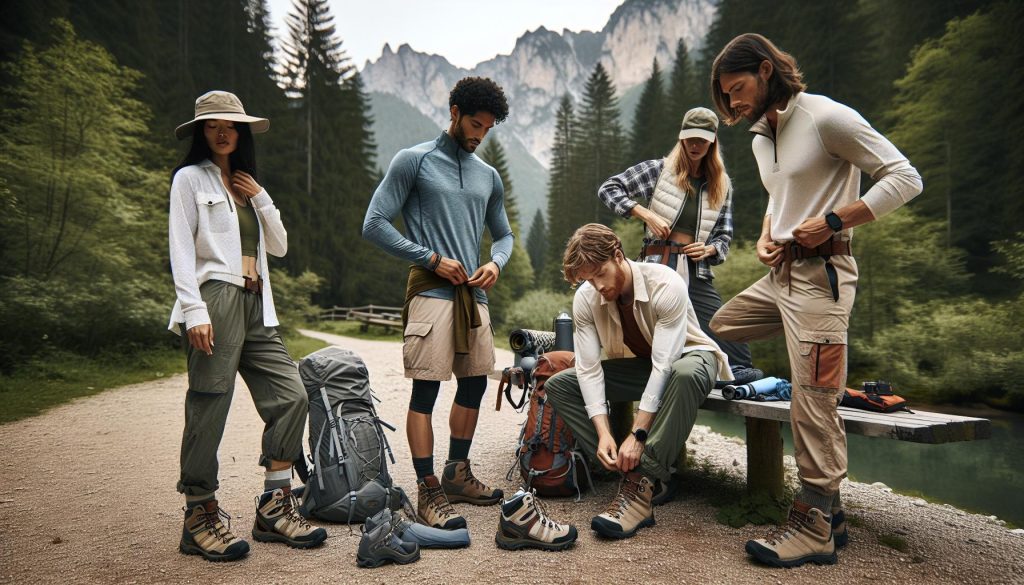
Choosing the right outfit for a hike can significantly enhance your outdoor experience. Did you know that the right clothing can not only keep you comfortable but also protect you from the elements? Whether you’re navigating rugged trails or enjoying a leisurely stroll, understanding what to wear is crucial for ensuring safety, mobility, and enjoyment. This guide will empower you to make smart, stylish choices that suit your body type and personal style. From moisture-wicking fabrics to layering strategies, we’ll explore how to blend function with fashion, helping you tackle any trail with confidence and flair. Get ready to discover the essentials that will keep you looking great and feeling even better on your next adventure!
Essential Hiking Gear: What to Pack for Comfort
When planning for a hiking adventure, comfort should be your top priority. The right gear not only enhances your experience but also ensures you can focus on the breathtaking views around you rather than discomfort. Start by considering essential clothing items and accessories that promote ease of movement and regulate body temperature. Breathable fabrics that wick moisture away from the skin are ideal; they help keep you cool and dry as you trek through varying terrains. Think lightweight, quick-drying materials for your base layers-like moisture-wicking tees and leggings-that will hug your body while providing flexibility.
Layering Basics
Understanding layering is also key to hiking comfortably. Begin with a moisture-wicking base layer as mentioned, followed by an insulating layer, such as a fleece, which can easily be removed or added as temperatures change. Lastly, a well-fitted but breathable outer shell will protect you from wind, rain, and cold. Remember to consider the lengths of your hiking excursions; shorter trips may allow for lighter packs, while longer treks benefit from more specialized gear such as thermal base layers and packable down jackets that can provide warmth without excess weight.
Accessories for Enhanced Comfort
Don’t forget about the power of accessories in maximizing comfort. A wide-brimmed hat can shield you from the sun, while sunglasses reduce glare on bright days. Additionally, invest in lightweight, breathable socks made from materials like merino wool, which can help prevent blisters and keep your feet cozy. Finally, a quality daypack should be a staple on every hike, providing ample space for snacks, hydration, and extra layers without weighing you down.
Balance your comfort and style by choosing colors and patterns that resonate with your personal aesthetic. Solid colors often mix-and-match easily, while fun prints can express your personality. Most importantly, wear what feels good for you-hiking fashion is all about feeling capable and confident on the trail!
Choosing the Right Fabrics for Trail Success
Selecting the right fabrics for your hiking wardrobe can make all the difference between a comfortable trek and a miserable experience. When you’re navigating trails, moisture management and temperature regulation are essential. Fabrics that wick sweat away from your body, dry quickly, and provide insulation will keep you comfortable as the weather changes. Here’s a guide to help you navigate your fabric choices effectively.
Fabric Types to Consider
When it comes to hiking, not all fabrics are created equal. Here are some key choices to consider:
- Merino Wool: This natural fiber is fantastic for both base layers and hiking socks. It manages moisture well, regulates temperature, and is resistant to odors, making it suitable for multi-day hikes.
- Synthetic Fibers: Materials like polyester and nylon are popular for their quick-drying properties and lightweight feel. They’re perfect for moisture-wicking base layers and mid-layers.
- Softshell and Hardshell Fabrics: Softshells offer breathability and flexibility ideal for cool, dry weather, whereas hardshells provide waterproof protection for rainy conditions. Choosing the right outer layer based on anticipated weather will enhance your comfort significantly.
Color and Functionality
The color of your hiking attire is not just about aesthetics; it can also serve functional purposes. Lighter colors can reflect heat, keeping you cooler in sunny conditions, while darker shades can help absorb warmth in cooler climates. Additionally, consider fabric treatments like UV protection or insect repellent to enhance functionality.
To ensure your outfit performs on the trail, pay attention to fit as well as fabric. Clothing that is too tight can restrict movement, while overly loose clothing might chafe as you hike. Look for designs that include features like thumbholes in your sleeves for added coverage or zippered pockets to safely store small essentials.
Building Your Layering System
Remember that fabrics work best when combined in a layering system. Start with a moisture-wicking base layer, add an insulating layer (like a fleece or down jacket) for warmth, and finish with a breathable outer shell to protect against the elements. This combination provides versatility to adapt to changing weather conditions, ensuring you stay comfortable and ready for any adventure.
Incorporating the right fabrics into your hiking wardrobe is empowering, allowing you to feel confident and capable on the trail. By prioritizing comfort and functionality, you can focus on enjoying the journey without discomfort holding you back.
Footwear Fundamentals: Finding Your Perfect Hiking Boots
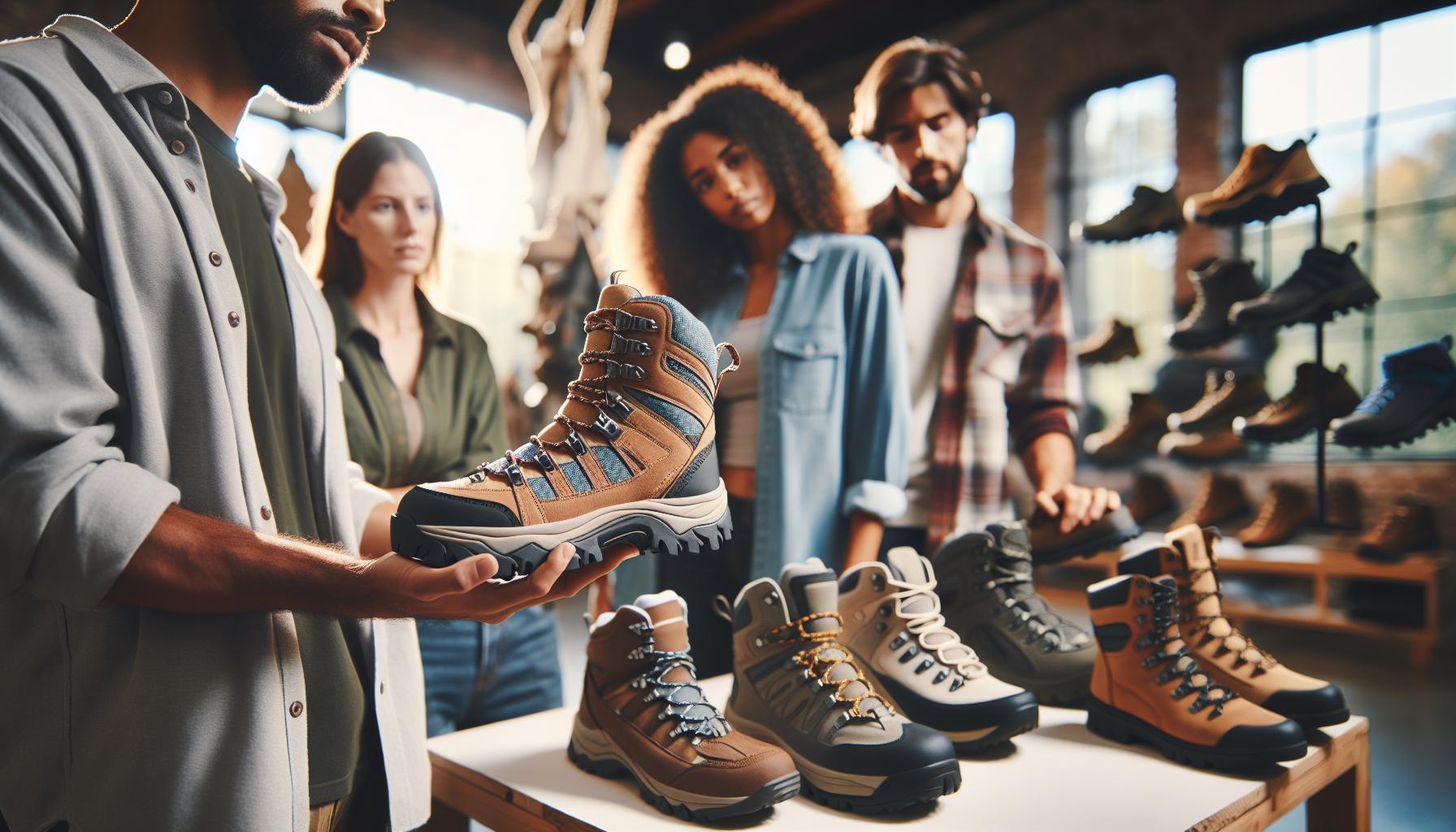
Choosing the right hiking boots can make all the difference between a joyful adventure and a painful trek. Your feet deserve the best-support, comfort, and protection from the elements. As you prepare to explore the great outdoors, considering the specific types of terrain, the duration of your hike, and your personal comfort preferences will guide you towards the ideal footwear for your journey.
When searching for the perfect boots, it’s essential to understand the various styles available. Hiking boots generally fall into three categories: lightweight, mid-weight, and backpacking boots. Lightweight boots are ideal for day hikes on well-maintained paths, providing comfort and ease of movement. Mid-weight boots offer a balance of support and weight, making them suitable for more rugged trails or when carrying a heavier pack. If you’re planning on multi-day treks or navigating challenging terrains, opt for backpacking boots that provide maximum ankle support and durability.
Next, consider the materials. Look for footwear made from breathable yet protective materials. Leather offers durability and water resistance, making it suitable for harsher conditions. On the other hand, synthetic materials are often lighter and dry faster, which can be beneficial in wet environments. Comfort is the priority, so ensure that your boots have adequate cushioning and a good fit. Many brands, like Merrell and Salomon, have shoes that require little break-in time, meaning you can hit the trail without worrying about blisters or discomfort [1[1].
Lastly, don’t forget about traction and grip. The type of sole on your boots is crucial for stability on various surfaces. Look for boots with a rubber outsole designed for great traction; this will prevent slips and falls on rocky, muddy, or uneven trails. A snug fit around the heel and a roomy toe box will also ensure comfort and safety, allowing your feet to move naturally as you traverse different terrains. By selecting the right hiking boots for your needs, you empower yourself to embrace the outdoors with confidence, knowing your footwear will perform at its best every step of the way.
Layering Techniques for Changing Weather Conditions
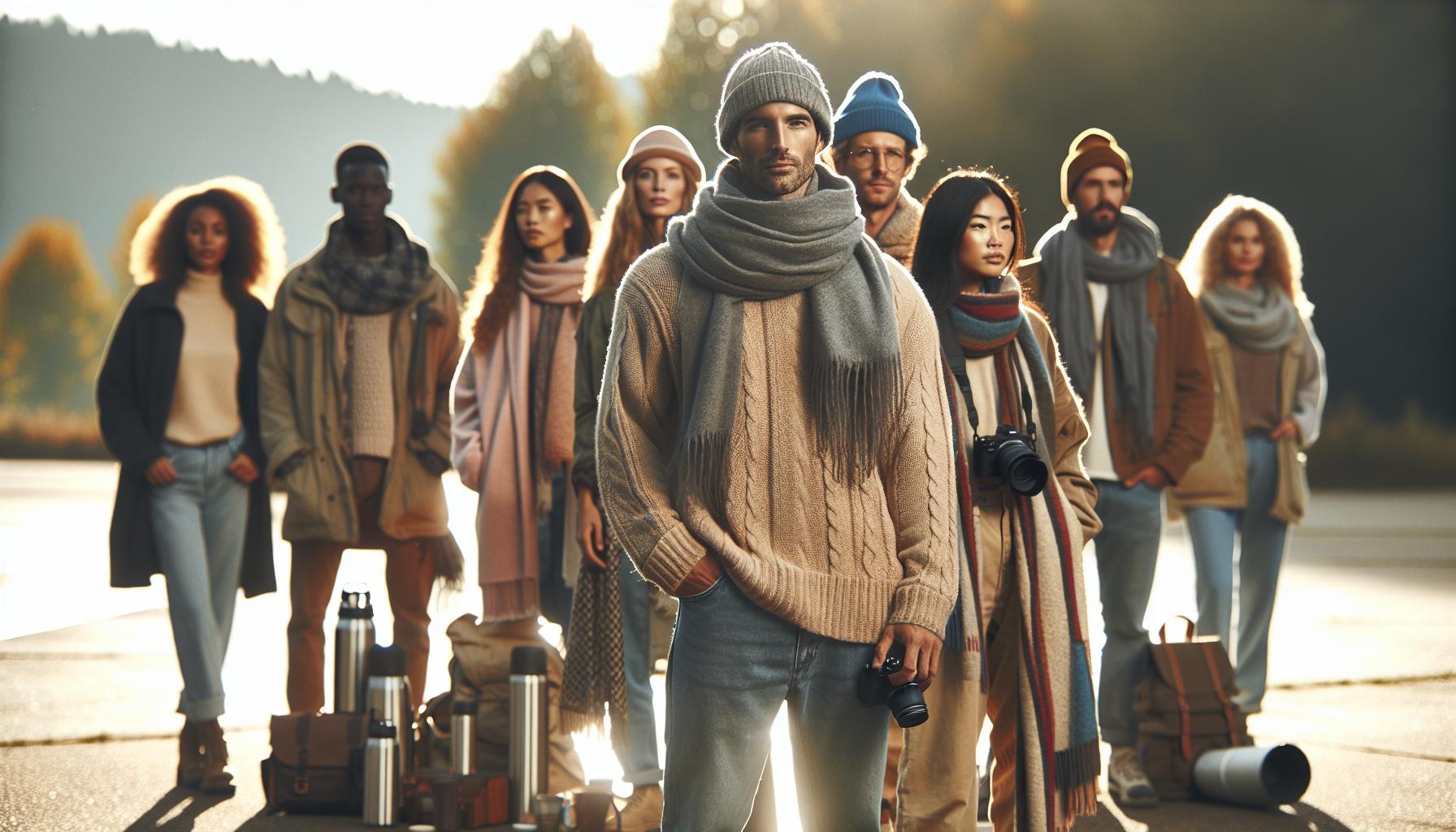
When hitting the trails, the weather can change on a dime, making smart layering an essential part of your hiking wardrobe. Proper layering not only keeps you comfortable-by regulating your body temperature and adapting to the elements-but also allows for versatility in style and function. Whether you’re encountering a sudden chill or the sun peeking through the clouds, understanding the layering principles can empower you to enjoy your adventure without the stress of sudden weather shifts.
A successful layering system typically consists of three core components: a base layer, an insulating layer, and an outer layer. The base layer is your first defense against moisture and should be made of materials like merino wool or synthetic fabrics which wick sweat away from your skin. This layer should fit snugly to keep you dry and warm. For the insulating layer, consider fleece or down materials that trap body heat without adding significant bulk, allowing for ease of movement. Lastly, the outer layer is crucial for protecting you from wind, rain, or snow. Look for waterproof or water-resistant jackets that also offer breathability, so you can remain comfortable even when you’re on the move.
Seasonal Considerations
During warmer months, your focus should primarily be on moisture management and UV protection. Opt for lightweight, breathable fabrics that allow for airflow. In cooler temperatures, emphasize the insulating properties of your middle layer, layering a thicker fleece or down vest. Always remember that your outer layer should accommodate changes; if rain is in the forecast, pack a lightweight, packable rain jacket that can fit easily in your backpack. Accessories like lightweight gloves, hats, or neck gaiters can also make a significant difference, keeping your extremities warm while maintaining a fashionable edge.
Ultimately, what to wear on your hike boils down to personal comfort, body type, and style preferences. Choosing colors that blend well and selecting pieces that transition seamlessly from trail to town can elevate not only your functionality but also your confidence as you embrace the great outdoors. By mastering the art of layering, you can tackle any trail with ease and style-allowing you to focus on the adventure ahead instead of what you might need to wear!
Accessories That Enhance Your Hiking Experience
When preparing for your hiking adventure, accessories can make all the difference between a comfortable experience and a challenging one. The right gear not only enhances your performance on the trail but also adds a touch of style that reflects your personal flair. Here are essential accessories that will elevate your hiking outfit and keep you prepared for whatever the outdoors may throw your way.
Functional Accessories for Comfort and Convenience
Start with a good-quality backpack that fits well and is designed to carry your essentials without weighing you down. Look for features like adjustable straps and breathable mesh back panels for added comfort. A hydration bladder integrated into your backpack can simplify hydration, allowing for hands-free sipping while on the move. Don’t forget to pack a first-aid kit; this small addition can be invaluable in case of minor injuries or scrapes.
Another must-have accessory is a pair of hiking poles. These can provide extra stability and reduce strain on your joints, especially when navigating uneven terrains. Lightweight, collapsible options are easy to store when not in use. For sunny days, a stylish and functional wide-brimmed hat or a visor provides sun protection, while UV-protected sunglasses shield your eyes from harmful rays. Opt for polarized lenses for better visibility and glare reduction.
Utility Meets Style
Brighten up your hiking ensemble with colorful headbands or beanies that not only keep your hair in check but also add a pop of color to your outfit. Layering these with a lightweight neck gaiter can provide versatility, acting as a scarf, face mask, or headband depending on the weather.
Investing in a durable watch with a built-in altimeter, barometer, or compass can enhance your trail navigation. Choose options that are waterproof and durable to withstand the rigors of outdoor adventures. Finally, consider packing stylish yet functional gloves for colder climates, which can be both a fashion statement and a necessity, keeping your hands warm and allowing for better grip.
Accessorizing for a hike isn’t just about practicality; it’s an opportunity to express your style while ensuring you’re equipped for any situation. By choosing versatile and functional accessories, you can confidently step onto the trail, combining form and function as you explore the great outdoors.
Top Brands for Trail-Ready Fashion
When it comes to trail-ready fashion, selecting the right brands can make all the difference in ensuring both comfort and style on your hikes. A good outfit combines functionality with flair, enhancing your performance on the trail while allowing you to express your unique style. Here are some top brands recognized for their high-quality outdoor wear that meet both practical needs and fashion standards.
Leading Brands for Hiking Apparel
- Patagonia – Known for its commitment to sustainability, Patagonia offers durable and eco-friendly clothing options. Their jackets, fleeces, and base layers are made from recycled materials and designed for maximum comfort and performance on the trail.
- North Face – A staple in outdoor gear, The North Face provides a wide range of hiking apparel suitable for various weather conditions. Their clothing is designed with advanced technologies that wick moisture and provide insulation, making them perfect for high-energy hikes.
- Marmot – Specializing in outdoor clothing and gear, Marmot’s offerings include everything from lightweight jackets to rugged hiking pants. Their attention to detail ensures that every piece supports comfort and mobility.
- Columbia – Renowned for its innovative Omni-Tech technology, Columbia’s clothing keeps you dry and comfortable, regardless of the conditions. Their stylish yet functional designs cater to a wide range of outdoor activities.
- Arc’teryx – If you seek premium quality, Arc’teryx is a top choice. It’s known for high-performance gear that balances technical features with a sleek aesthetic, perfect for serious hikers and fashion-forward adventurers alike.
- REI Co-op – Offering their own line of versatile and affordable hiking clothing, REI Co-op also features a selection of popular outdoor brands. This is an excellent option for those looking for quality gear without breaking the bank.
Balancing Style and Function
Incorporating colors and fabrics that reflect your personal style while ensuring they perform well on the trail can be empowering. Look for moisture-wicking fabrics and breathable materials. For instance, lightweight synthetic blends or merino wool can be great choices for base layers, as they help regulate body temperature.
When choosing your hiking outfit, consider layering options. For a chic look, try pairing a fitted moisture-wicking shirt with a stylish mid-layer, like a soft fleece, and a weather-resistant outer jacket. Opt for vibrant hiking pants or shorts that allow for freedom of movement, and accessorize with a functional yet fashionable backpack. This not only prepares you for changing conditions but also helps cultivate a unique sense of style that inspires confidence on the trail. Embrace your individuality by playing with textures, colors, and functional accessories that reflect who you are while remaining practical for your hiking adventures.
Color Coordination Tips for Outdoor Adventures
Choosing the right colors for your hiking outfit can elevate your outdoor experience, making you feel confident and stylish while tackling the trails. Selecting a color palette that resonates with nature can not only enhance your appearance but also improve your visibility and safety on the trail. Whether you prefer vibrant hues or earthy tones, striking the right balance is essential.
Consider starting with a base layer in a neutral shade, such as black, navy, or grey, which can serve as a versatile foundation. This allows you to play with brighter colors and patterns in your mid-layers or outerwear. For instance, a bright orange or teal fleece jacket can add a pop of color against your neutral base, making you stand out against natural landscapes. Don’t be afraid to mix in patterns, like floral or geometric designs, which can infuse personality into your outfit while keeping comfort as a priority.
When planning your hiking outfit, also think about the seasonal colors that inspire you. In spring, pastel shades like lavender or mint green can mimic the blooming flora, while autumn calls for deeper colors like burgundy and mustard that resonate with the changing leaves. Pairing deep greens or browns with vibrant colors can harmonize your look with the environment, allowing you to feel grounded and connected with nature. Finally, accessorize wisely with a backpack or hat that complements your outfit while ensuring functionality-consider colors that either match or contrast beautifully with your primary layers, turning your hiking gear into a cohesive, stylish ensemble.
By focusing on thoughtful color coordination, you not only enhance your hiking experience but also express your unique style effortlessly. Enjoy the freedom to explore while looking and feeling great, whether you’re on a casual day hike or a challenging mountain trek.
How to Choose Functional Yet Stylish Outerwear
Selecting the right outerwear for hiking is crucial not only for comfort and protection from the elements but also for expressing personal style. The ideal piece should seamlessly blend function and fashion, allowing you to focus on the adventure at hand while looking great in the process. Whether you’re planning a brisk morning hike, a long mountain trek, or simply enjoying the beauty of nature, choosing the right jacket will elevate your experience.
When it comes to functionality, look for features that cater to various weather conditions. A good hiking outer layer should be both waterproof and breathable, giving you protection against rain while allowing sweat to escape. Fabrics such as Gore-Tex or similar materials are excellent choices. Opt for jackets with adjustable hoods, cuffs, and hems to ensure a snug fit that keeps wind and moisture out. Additionally, consider packable options that can be easily stowed in your backpack for those sudden weather changes. Reflective elements or bright colors can enhance visibility, making you safer on the trails.
Stylish Options for Every Trail
Outerwear doesn’t have to sacrifice style for practicality. Today’s hiking market offers a plethora of designs that cater to various aesthetics and body types. Choose vibrant colors or unique prints that resonate with your personality, enabling you to stand out. Consider layering styles; a sleek fleece underneath a light shell jacket provides both warmth and versatility. Brands often incorporate chic cuts and tailored fits, making it easy to transition from the trail to a post-hike gathering without needing a wardrobe change.
Pair your outerwear with thoughtful accessories to enhance both look and utility. Lightweight backpacks in coordinating colors, multifunctional hats that provide sun protection, and sturdy but stylish hiking pants can complete your ensemble. Remember to accessorize smartly: a scarf can add an extra layer of warmth, while a statement beanie can lend a trendy touch. By carefully selecting pieces that work together, you can create an outfit that feels cohesive and fashionable while remaining completely functional for your hiking adventures.
Packing Tips for Day Hikes vs. Multi-Day Treks
Packing smartly for your hiking adventures can make all the difference, especially when distinguishing between day hikes and multi-day treks. While both venturing into the great outdoors requires preparation, they demand different approaches to ensure comfort, functionality, and the ability to embrace your personal style.
For a day hike, the key is to pack light without sacrificing essentials. Start with a small, durable backpack that fits your body comfortably. A hydration reservoir or water bottle to keep you hydrated, high-energy snacks like trail mix or energy bars, and a first-aid kit are must-haves. Layer your clothing wisely; wear moisture-wicking fabrics as your base, such as a fitted tank or tee, topped with a light long-sleeve shirt for sun protection. Sturdy, lightweight pants or shorts that offer flexibility and breathability complete your outfit. Don’t forget a lightweight rain jacket that can be easily stowed, and consider packing a versatile hat to manage both sun and sweat.
In contrast, multi-day treks require a more extensive packing strategy. Opt for a larger backpack (50-70 liters) that can accommodate your gear. Prioritize comfort and durability while selecting your clothing: breathable, quick-drying fabrics are essential. A good layering system with a warm fleece or down jacket is crucial for evenings when temperatures drop. You’ll need a sleeping bag, lightweight tent, and cooking gear, which will add weight to your pack, so choose items that balance weight with performance. Ensure you have enough food and a reliable water filtration system. Remember to carry a full first-aid kit, and pack double the snacks for energy as you’ll be expending more calories over several days.
Regardless of the hike duration, blending functionality with style enhances your outdoor experience. Look for clothing and gear that resonate with your aesthetic while keeping you comfortable throughout your hike. With thoughtful packing tailored to your hike’s length and nature, you can navigate the trails with confidence and flair.
Eco-Friendly Hiking Fashion: Sustainable Choices
Sustainable fashion choices are increasingly important as outdoor enthusiasts become more aware of their environmental impact. While enjoying the serenity of nature, you can also make conscious decisions that reflect your commitment to preserving it. Choosing eco-friendly hiking apparel doesn’t just contribute to mitigating climate change; it empowers you to express your values through your wardrobe. Look for brands that prioritize sustainability through responsible sourcing, recycled materials, and ethical production practices.
When selecting hiking clothing, consider fabrics like organic cotton, hemp, and recycled polyester. These materials not only reduce your carbon footprint but also offer excellent performance in outdoor conditions. For example, clothing made from recycled polyester can provide the moisture-wicking properties you need while minimizing waste. Additionally, many companies are now offering apparel with certifications like Global Organic Textile Standard (GOTS) or OEKO-TEX, which speak to both environmental and social standards in textile production.
To further enhance your eco-conscious hiking wardrobe, think about longevity and multi-functionality. Choose versatile pieces that can transition from trail hikes to casual outings, allowing you to get more use out of each item. Investing in quality gear, such as a durable, reusable water bottle and a sturdy daypack made from recycled materials, can significantly contribute to reducing single-use plastic and waste.
Finally, don’t underestimate the power of second-hand shopping. Thrift stores and online resale platforms often have high-quality outdoor gear at a fraction of the price. This not only supports sustainable consumption but also gives new life to clothing, preventing it from ending up in landfills. By making informed choices about what you wear on your hikes, you can enjoy your adventures confidently, knowing you’re doing your part for the planet.
Trail Style Inspiration: Outfit Ideas for Every Season
Getting dressed for your outdoor adventures can be both fun and functional, bringing a stylish edge to practical needs. Whether you’re trekking through spring blooms, enjoying summer trails, marveling at autumn foliage, or navigating winter wonderlands, the right outfit can enhance your experience while keeping you comfortable and confident. Here are seasonal outfit ideas to inspire your trail style.
Spring Adventure
As the snow melts away and nature awakens, layering is key for spring hikes. Start with a breathable base layer, such as a lightweight long-sleeve moisture-wicking shirt paired with convertible hiking pants that can easily transition to shorts. Add a light, packable jacket that offers protection against unpredictable spring showers. Don’t forget a wide-brimmed hat for sun protection and to keep your hair in check. Opt for trail shoes with good grip for those muddy paths and consider bright colors and floral patterns to celebrate the season.
Summer Escapade
During the hotter months, prioritize lightweight and breathable fabrics. A short-sleeve breathable top or a tank paired with moisture-wicking shorts can help regulate body temperature. Choose quick-dry fabrics that hold up against sweat and potential splashes from streams or lakes. Sunglasses and a UV-protective hat are essential to shield you from the sun. Select lightweight trail shoes with good ventilation, and don’t forget your hydration pack to keep your water close at hand.
Autumn Exploration
With the beauty of fall foliage comes cooler temperatures. Layering is optimal for this season; start with a fitted thermal base layer and add a cozy fleece or a lightweight, insulated jacket. Pair these with weather-resistant pants to keep you dry and warm during unexpected rainfalls. Choose rugged hiking boots with good ankle support for potentially wet trails. Earthy tones and muted colors echo the surroundings and can be easily accessorized with a chunky scarf to add warmth and style.
Winter Wonderland
Winter hikes require special considerations to maintain warmth and mobility. Start with thermal base layers, topped with an insulated, waterproof jacket. Look for snow-resistant pants along with gaiters to keep snow from getting into your boots. Insulated, waterproof boots with a good grip are critical for navigating icy trails. Accessories like wool gloves, a warm beanie, and a neck gaiter not only keep you warm but also add a fashionable touch. Layering with bright colors can uplift your mood and stand out against the winter landscape.
By choosing versatile, functional pieces for every season, you can tackle the trails while feeling stylish and empowered. With these outfit ideas, embrace nature confidently, knowing that you look great while ready for any outdoor adventure.
Avoiding Common Hiking Fashion Mistakes
Choosing the right outfit for a hike can feel daunting, especially with the myriad of options available. However, navigating this landscape can be simplified by sidestepping some common fashion missteps. Understanding how to choose clothing that balances style and function is key to enjoying your outdoor adventure without the worry of discomfort or impracticality.
One of the most frequent blunders is opting for cotton, which retains moisture and can lead to chafing and discomfort during long hikes. Instead, prioritize moisture-wicking materials that pull sweat away from your skin, helping to keep you dry. Fabrics like merino wool and synthetic blends are fantastic choices. It’s also wise to steer clear of overly tight or restrictive clothing, which can hinder movement. Look for a relaxed fit that allows you to move freely, especially in areas like the shoulders and hips. Choosing versatile clothing that can transition from outdoor activities to casual gatherings can create more outfit options and reduce the amount of gear you need to pack.
Bystanders may often observe footwear blunders too; wearing the wrong shoes can ruin a hike before it even starts. Make sure your hiking boots or shoes offer appropriate support and a good grip for the terrain you will encounter. Don’t settle for fashion over function when it comes to foot comfort-this is crucial. Begin your hikes in well-broken-in footwear to prevent blisters and discomfort on the trail. Consider bringing a second pair of socks to switch out during breaks if your feet start to feel damp, as dry feet can significantly enhance comfort.
Lastly, accessories are often overlooked but can make or break your hiking experience. A large sun hat, polarized sunglasses, and a lightweight scarf can provide protection from the elements while also allowing for personal style expression. A water-resistant backpack not only carries your essentials but can also complement your hiking outfit-opt for colors that match or contrast in a fun way. Remember, layering is essential for managing temperature changes, so ensure your outer layers are easy to remove and stow without hassle.
Ultimately, smart outfit choices can empower you to tackle your hikes confidently while feeling stylish and comfortable. By being mindful of fabric choices, footwear, and necessary accessories, you position yourself for an enjoyable outdoor experience, merging functionality with fashion seamlessly.
Q&A
Q: What materials are best for hiking clothes?
A: The best materials for hiking clothes are moisture-wicking fabrics like polyester and nylon, which help keep sweat away from your skin. Look for breathable and lightweight materials that dry quickly, such as merino wool for base layers and waterproof/breathable fabrics for outer layers, ensuring comfort in varying conditions.
Q: How do I layer my clothing for a hike?
A: To effectively layer for hiking, start with a moisture-wicking base layer, followed by an insulating mid-layer (like fleece) for warmth. Top it off with a waterproof and breathable outer layer to protect against rain and wind. This system allows easy added or removal of layers based on changing temperatures.
Q: What type of pants should I wear hiking?
A: For hiking, wear pants made from lightweight, quick-drying materials with features like stretch and zip-off legs for flexibility. Look for pants with pockets for convenience and that provide UV protection for sun safety during long hikes.
Q: Are cotton clothes suitable for hiking?
A: Cotton is not recommended for hiking because it absorbs moisture, leading to discomfort and longer drying times. Opt for synthetic or wool fabrics that wick moisture and dry quickly, keeping you dry and comfortable on the trails.
Q: How should I choose my hiking footwear?
A: Select hiking footwear based on terrain type and your hiking style. Look for sturdy hiking boots with good ankle support and robust traction. Consider trail runners for lighter hikes on well-maintained paths. Ensure they fit well to prevent blisters and discomfort.
Q: What accessories are essential for a comfortable hike?
A: Key hiking accessories include a wide-brimmed hat for sun protection, moisture-wicking socks to prevent blisters, a good quality backpack for storage, and trekking poles for stability. Don’t forget sunglasses to protect your eyes and a hydration system to stay hydrated.
Q: Should I consider the climate when choosing hiking clothes?
A: Yes, always consider the climate. For cooler weather, choose layered, insulated fabrics. In warmer climates, prioritize breathability and moisture-wicking properties. Rainy conditions call for waterproof layers, while sunny days require UV-protective clothing and a wide-brimmed hat.
Q: How can I style my hiking outfit to look good on the trails?
A: To style your hiking outfit, combine functional pieces with personal flair. Choose colors that complement each other and add accessories like patterned socks or a stylish hat. Ensure that your outfit is suited for the terrain while expressing your personality, making you feel confident on the trail.
Insights and Conclusions
Now that you’re equipped with essential insights on trail-ready fashion, it’s time to put your knowledge into action! Choosing the right clothing can enhance your hiking experience, ensuring comfort and style whether you’re tackling a challenging trail or enjoying a scenic stroll. Remember, the right gear doesn’t just keep you prepared for the elements; it boosts your confidence as you explore.
Looking for specific recommendations on accessories or stylish layering options? Check out our guides on “Essential Hiking Accessories” and “Layering Techniques for Outdoor Adventures” to further elevate your hiking wardrobe. Don’t forget to subscribe to our newsletter for the latest tips and trends to make every outing memorable. Your next adventure awaits-dress for success and hit the trails in style! Share your favorite hiking outfits in the comments below; we’d love to hear from you!