When you’re scaling a wall or navigating a rocky trail, what you wear can make all the difference in your climbing experience. Choosing the right outfit not only enhances your performance but also ensures comfort, protection, and confidence as you tackle challenges. With breathable fabrics and flexible designs, the right gear allows for a full range of movement while protecting your skin from scrapes and the elements. Whether you’re a seasoned climber or just starting your adventure, finding the perfect balance between function and style can seem daunting. But don’t worry-this guide simplifies your outfit choices, providing practical recommendations tailored to different climbing environments and individual preferences. Get ready to discover how to blend comfort, durability, and fashion seamlessly as you gear up for your next climbing adventure!
Choosing the Right Base Layer for Climbing Adventures
When embarking on a climbing adventure, the foundation of your outfit is crucial to ensuring both comfort and performance. The base layer serves a fundamental purpose: it regulates your body temperature, manages moisture, and provides a snug fit that prevents chafing during strenuous activity. To choose the right base layer, consider materials and fit-these aspects can greatly enhance your experience in the great outdoors.
Materials Matter
Opt for fabric blends that provide moisture-wicking properties, as they help pull sweat away from your skin, keeping you dry. Popular choices include merino wool, known for its temperature-regulating qualities, and synthetic materials such as polyester or nylon, which are lightweight and quick-drying. Look for base layers that feature flat seams and a snug fit, which will reduce bulk and improve layering without compromising mobility.
Fit and Function
Selecting a base layer that fits well is essential; it should be snug but not restrictive. This is especially important when layering under insulating and outer layers. Consider your climbing activity as well: for high-intensity pursuits, you might prefer a lightweight option, while cooler conditions may call for a thicker thermal layer. Remember to check the product’s cut-some brands offer styles designed specifically for women, ensuring a more tailored fit that accommodates different body shapes and sizes.
Ultimately, the right base layer can make all the difference in your climbing experience, so take the time to choose wisely. By prioritizing comfort and functionality, you’ll be better equipped to tackle any climbing challenge that comes your way.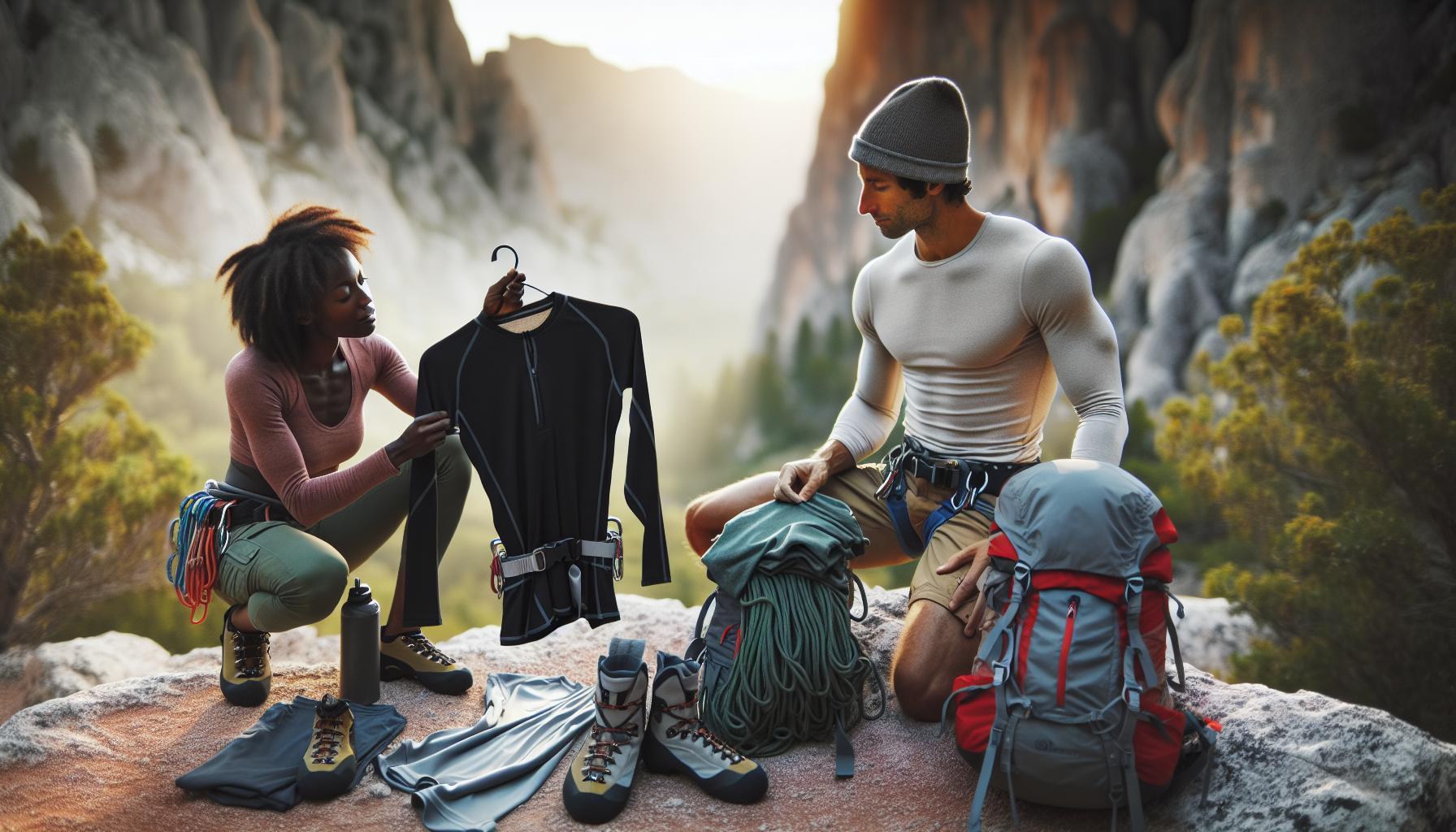
Essential Insulating Layers for Optimal Comfort
When the temperature starts to dip, or the winds whip up at higher elevations, the right insulating layers become your best allies in maintaining optimal comfort during climbing adventures. Insulating layers help trap heat generated by your body, keeping you warm without adding bulk, which is essential for mobility and flexibility when scaling rock faces or navigating challenging trails. It’s important to select materials and styles that enhance your climbing experience, allowing you to focus on conquering your climb rather than battling the cold.
Material Selection
Choosing the right materials for your insulating layers can make a dramatic difference in performance. Look for synthetic options such as fleece or down blends, which are both lightweight and offer excellent warmth-to-weight ratios. Fleece is highly breathable and quick-drying, perfect for aerobic activities like climbing. Down provides superior insulation for colder conditions, but be mindful of its performance in wet weather. For versatility, consider hybrid options that combine different materials. For instance, jackets with down insulation in the core and fleece or synthetic panels in the arms allow for easy movement while maintaining warmth.
Layering Strategy
An effective layering strategy involves both insulation and breathability. Start with a lightweight baselayer, then add an insulating layer, and finally, top it off with a durable and weather-resistant outer layer. This creates a system that can adapt to changing conditions. Be aware of the fit; your insulating layer should allow for full range of motion without feeling restrictive. Look for features such as thumb holes in sleeves for additional hand coverage and adjustable hems to keep out drafts. Investing in these thoughtful designs ensures that you remain comfortable and agile throughout your climbing session.
Incorporate these practical tips into your climbing wardrobe to maximize warmth without sacrificing comfort or style. By considering both the material and how you layer your clothing, you can enjoy your climbing adventures regardless of the weather, allowing you to focus on the challenge ahead.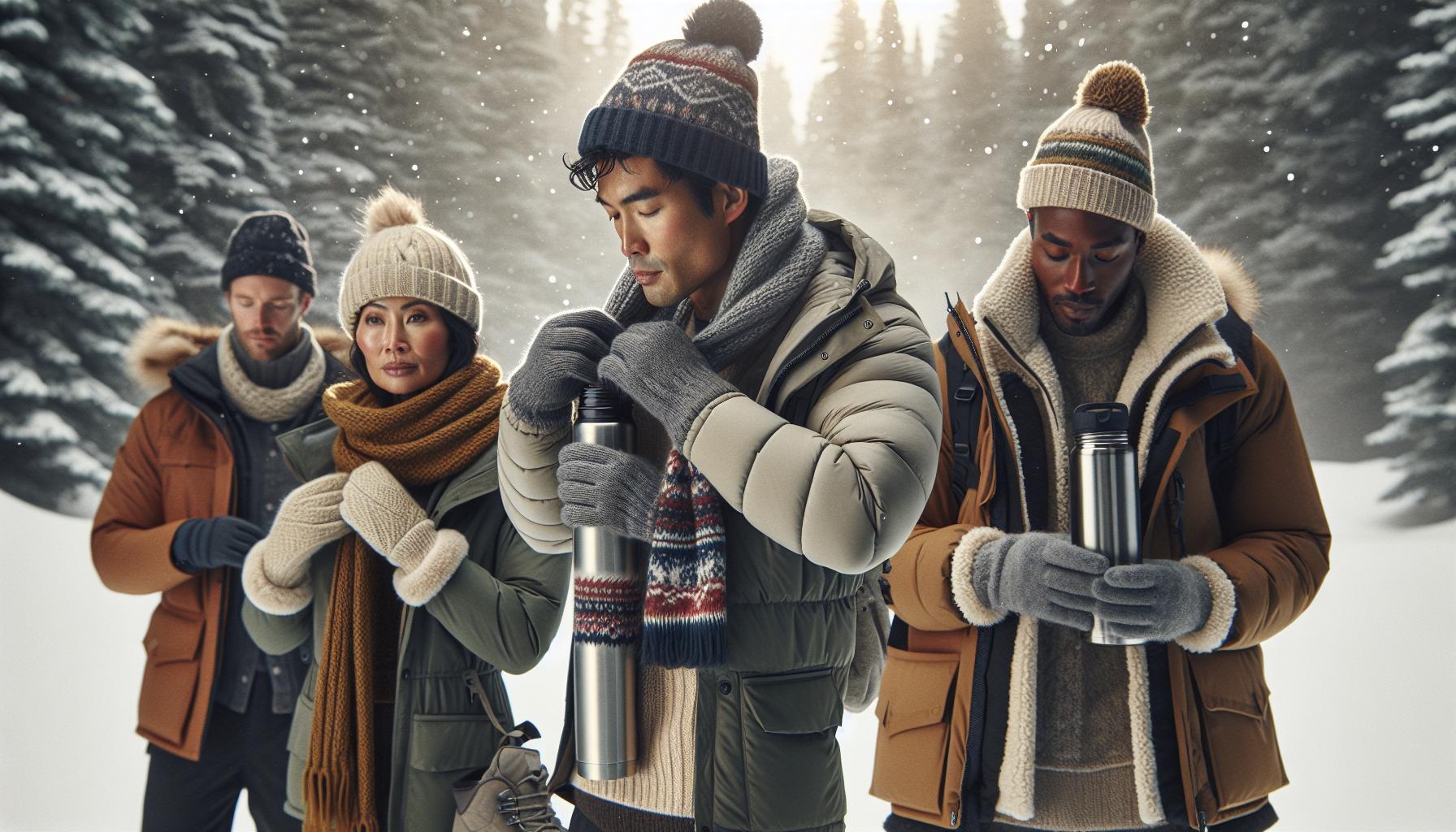
Durable and Functional Outer Layers Explained
When you’re scaling a challenging rock face or navigating a rugged trail, the right outer layer can be the difference between a memorable adventure and a miserable day. Durable and functional outer layers provide essential protection against the elements, while allowing freedom of movement and breathability. Investing in high-quality outerwear means you’ll always be prepared, no matter what Mother Nature throws your way.
One of the most critical features to consider in an outer layer is its fabric composition. Look for materials that are both waterproof and breathable, such as Gore-Tex or similar technologies. These fabrics keep moisture out while allowing sweat to escape, ensuring you stay dry and comfortable. Additional features like reinforced seams and water-resistant zippers contribute to the longevity and functionality of the garment. For climbing, a good fit is vital; opt for jackets and pants designed with articulated elbows and knees that allow for greater mobility and range of motion as you maneuver through tricky spots.
Choosing the Right Style
Your choice of outer layer should reflect the type of climbing you’ll be doing. For sport climbing or bouldering in mild conditions, a lightweight shell with ventilation zippers offers the protection you need without unnecessary weight. If you’re planning to tackle alpine routes in colder climates, consider a heavier, insulated jacket designed for extreme conditions. Some jackets feature hoods that are helmet-compatible, ensuring you stay protected without compromising safety.
Color and Visibility
While functionality is paramount, aesthetics shouldn’t be overlooked. Bright colors not only add style but also increase visibility in the wild, helping teammates keep an eye on you. Choose colors that can easily mix and match with your base and insulating layers to create multiple outfits without much effort. A cohesive color palette also boosts confidence, allowing you to feel your best as you ascend new heights.
In essence, selecting a durable and functional outer layer involves balancing protection, movement, and style. By prioritizing high-quality materials, thoughtful design features, and an eye for color, you can outfit yourself appropriately for any climbing adventure, empowering you to focus on the thrill of the climb rather than worrying about what you’re wearing.
Footwear Fundamentals: Selecting Climbing Shoes
Choosing the appropriate climbing shoes can significantly enhance your performance on the rock face, delivering not only improved grip but also confidence as you tackle challenging routes. A good pair of climbing shoes can mean the difference between conquering a climb and feeling out of control. When selecting climbing shoes, consider your climbing style, foot shape, and the types of climbs you intend to undertake.
Understanding Climbing Shoe Types
Climbing shoes are designed with different shapes and materials suited for various climbing styles. Here’s a basic guide to help you navigate your options:
- Neutral Shoes: Best for beginners, these offer comfort and support, making them ideal for all-day wear on the rock.
- Moderate Shoes: These provide a balance between comfort and performance, suitable for multi-pitch climbs and long routes.
- Aggressive Shoes: With pointed toes for precision, these are perfect for sport climbing and bouldering, allowing maximum performance on steep and technical routes.
Additionally, consider the materials used in the shoes; synthetic materials tend to stretch less than leather, providing a more precise fit. Ensure the shoe fits snugly-there should be no extra material around the heel or toe box, as this could hinder your performance.
Finding the Right Fit
A proper fit is crucial for optimal climbing performance. When trying on shoes, pay attention to the snugness around your heel and the comfort of your toes. You want a fit that is tight but not painfully restrictive. Here’s how to gauge the perfect fit:
- Stand up and slide your foot forward in the shoe. Your toes should just brush the front.
- While standing, check that there’s minimal heel lift-this will give you better control on the rocks.
- Walk around a bit; your shoes should feel snug and secure without causing discomfort.
Don’t hesitate to try multiple brands, as sizing can vary dramatically. It’s worth investing time in finding the right pair that you feel confident in, as this could lead to improved comfort and performance during climbs.
Remember, choosing the right climbing shoes is about enhancing your adventure and making every climb as enjoyable as possible. So, take this opportunity to explore various options until you find that perfect fit that inspires both your climbing spirit and your sense of style. With the right footwear, you can step forward into your climbing journey with confidence and flair.
Accessorizing for Success: Hats, Gloves, and More
When gearing up for your climbing adventures, the right accessories can elevate your experience, providing both functionality and style. Hats, gloves, and other essentials not only enhance your comfort but also reflect your personal touch. A well-chosen hat can shield you from the sun’s harsh rays or provide warmth on chilly ascents. Opt for lightweight, breathable materials for warmer climates and consider a beanie or fleece-lined cap for cooler days. Look for hats with moisture-wicking properties to help manage sweat, keeping you comfortable as you conquer those heights.
Gloves are another crucial accessory that can prevent blisters and provide extra grip when climbing. Depending on your preferred climbing style, you might choose lightweight gloves for bouldering or more protective versions for sport climbing. When selecting gloves, consider those that offer a balance between dexterity and durability. Materials such as synthetic leather or technical fabrics enhance grip without sacrificing flexibility. Additionally, gloves with wrist support can be particularly beneficial for maintaining stability on long climbs.
Incorporating multifunctional gear can also maximize your climbing wardrobe. Consider accessories like headbands or neck gaiters, which can be used in various ways to protect against sun or cold. They are easy to pack and add minimal weight to your gear. Don’t forget to accessorize with practical items such as a small climbing-specific backpack or harness with pockets for storing essentials like snacks, water, or your climbing guide.
Color coordination is also worth considering when choosing your climbing accessories. Harmonizing your gear can enhance your personal style and boost your confidence as you scale new heights. Look to layer accessories that complement your base and outer layers for a cohesive appearance that resonates with your adventurous spirit. Remember, the right accessories not only provide functionality but also inspire confidence in your climbing journey.
Weather-Ready Gear: Preparing for the Elements
Being adequately prepared for the elements when climbing is crucial for both safety and enjoyment. Weather conditions can change rapidly in outdoor settings, so selecting the right gear to shield you from rain, wind, or cold is essential. Invest in high-quality outer layers that not only provide protection but also ensure breathability and ease of movement. A reliable waterproof jacket should be a cornerstone of your climbing wardrobe; look for options with adjustable cuffs and hems to keep out chilly drafts, and those made from lightweight, packable materials that won’t weigh you down.
Key Weather-Ready Components
To adapt to varying conditions effectively, your climbing outfit should include several key components:
- Waterproof Shell: Choose a breathable, waterproof jacket with built-in ventilation to keep moisture out while allowing sweat to escape.
- Insulating Layer: On colder days, opt for a mid-layer made of fleece or down that can trap heat without adding bulk.
- Base Layer: Wear moisture-wicking fabrics close to your skin to manage moisture during intense activities, maintaining both comfort and dryness.
- Pants: Durable, weather-resistant climbing pants are a must, ideally featuring reinforced knees for additional protection and mobility.
Choosing Versatile Fabrics
Not all fabrics are created equal when it comes to weather readiness. Look for materials such as GORE-TEX or other technical fabrics that provide superior waterproof and windproof properties. Additionally, consider layering systems that allow you to adapt to temperature changes – think of using lightweight thermal tops that can easily be added or removed as needed. Remember that layering is not just about warmth; it’s also about flexibility, allowing you to adjust your outfit based on the climb’s intensity and the weather’s unpredictability.
Ultimately, confidence in your gear is paramount. By understanding how to prepare for the elements, you’ll be able to focus entirely on the climb, knowing that you have the right gear to support you. Embrace your adventure with style and practicality-whether you’re scaling rock walls or hiking to a summit, being weather-ready means you’re equipped to tackle whatever nature throws your way.
Layering Techniques to Maximize Performance
A well-thought-out layering system can be the difference between a successful climbing experience and an uncomfortable one. Mastering this technique allows you to adapt to changing weather conditions and varying activity levels while maintaining comfort, mobility, and freedom of movement. To optimize your performance on the ascent, consider the following layering strategies that align with your specific needs.
Begin with a high-quality base layer, which should feature moisture-wicking properties to keep sweat away from your skin. Look for fabrics like merino wool or synthetic blends that offer both comfort and thermal regulation. These materials should fit snugly without being restrictive, allowing for a seamless transition during high-intensity climbs. The right base layer will serve as the foundation for your layering system, ensuring you remain dry and comfortable regardless of the external conditions.
Next, focus on your insulating layer. This mid-layer is essential for trapping body heat without adding unnecessary bulk. Fleece or synthetic insulated jackets work well, providing warmth and breathability. This flexibility is key; you might find yourself needing to shed this layer during intense sections of your climb. Choose a piece that is easy to pack or compress, so you can adjust your insulation as temperatures fluctuate throughout your adventure. Consider options with zippered vents or adjustable cuffs for added adaptability.
When it comes to your outer layer, prioritize lightweight yet durable materials that offer protection from wind and rain. Look for a waterproof shell, utilizing technologies like GORE-TEX or other breathable membranes, which help manage moisture effectively. Features like adjustable hoods and cuffs are handy, as they help cinch out cold drafts while allowing you ample freedom to move. Lastly, ensure that your outer layer is roomy enough to accommodate your base and mid-layers without restriction, enabling optimal performance as you tackle various climbing challenges.
Ultimately, the power of layering lies in its adaptability. Experiment with combinations that suit your personal style and the specific environment, while always keeping function at the forefront. Understand that layering isn’t just about warmth; it’s about being ready for anything your adventure throws your way, ensuring that you can concentrate on your climb with confidence and ease.
Packing Smart: Must-Have Gear for Any Climb
When you’re gearing up for a climb, packing smartly can significantly enhance your experience. An efficient packing strategy means you have everything you need without excess weight or bulky items weighing you down. Tailoring your gear selection not only maximizes performance but also ensures you’re prepared for unexpected weather changes or challenging terrains. Here’s how to make sure your climbing pack is both functional and efficient.
Essential Climbing Gear Checklist
Your climbing essentials should focus on functionality while being lightweight and compact. Here’s a list to guide you:
- Climbing Shoes: Opt for shoes that fit snugly and provide good grip. Remember, comfort and performance should go hand-in-hand.
- Harness: Choose a lightweight harness that’s easy to adjust. Ensure it’s breathable and fits your body shape comfortably.
- Helmet: A must-have for safety. Look for one with good ventilation for those warm climbing days.
- Chalk Bag: Essential for gripping. Make sure it’s easily accessible but secure enough to avoid spills.
- Climbing Ropes and Quickdraws: Depending on your climb, include dynamic ropes and a set of quickdraws that fit your climbing discipline.
- First Aid Kit: Carry a compact first aid kit for unexpected scrapes or minor injuries.
- Water Bottle or Hydration Pack: Hydration is key. Choose a bottle that fits snugly in your pack or a hydration bladder if you’ll be on the move.
- Snacks: High-energy snacks, such as nuts or energy bars, will keep your energy levels up.
Organizing Your Gear
Efficient packing is all about organization. Use dry bags or packing cubes to separate your gear and keep your bag tidy. Place heavier items, like your harness and shoes, towards the bottom of your pack to help maintain stability. Also, consider packing a lightweight tarp or emergency bivvy in case you have to wait out bad weather or need to spend an unexpected night outdoors.
Additionally, think about the weather conditions you might face. Layer your packing system by placing frequently used items, such as snacks and your water bottle, at the top for easy access. Keep an extra layer for warmth or rain near the top as well. This way, you can adapt without digging through your entire pack to find what you need.
By thinking ahead and packing thoughtfully, you can ensure that every item in your climbing kit serves a purpose, allowing you to focus on what truly matters: the adventure ahead. Embrace the process, and remember that the right gear not only maximizes performance but also enhances your overall enjoyment of the climb.
Fabric Choices: What to Look For in Climbing Apparel
Choosing the right materials for climbing apparel can significantly enhance your comfort, performance, and overall climbing experience. Fabrics are not just mere clothes; they can either empower or hinder you on your climbs. Opting for functional textiles designed with climbing in mind will facilitate freedom of movement while also providing durability and weather resistance. Here’s a closer look at the fabric choices that will make a difference in your adventure-ready outfit.
First and foremost, look for apparel made from moisture-wicking fabrics. These materials, such as polyester, nylon, or specialized blends, are engineered to draw sweat away from your skin, keeping you dry and comfortable during strenuous climbs. This is crucial, as staying dry not only helps regulate your body temperature but also minimizes the risk of chafing. Consider clothing pieces with added ventilation, such as mesh panels or zippers, which can help improve airflow on hot days.
When it comes to insulation, materials like merino wool and fleece are excellent choices. Merino wool is particularly favored for its warmth-to-weight ratio, breathability, and odor-resistance, making it ideal for base layers. Fleece also provides significant warmth and is lightweight, but ensure it’s breathable enough to prevent overheating. Additionally, look out for durable, water-repellent (DWR) finishes on outer layers to protect against light rain or moisture. These finishes are often applied to synthetic fabrics, providing an extra layer of protection on unpredictable weather days.
Choosing Fabrics for Different Layers
Consider the specific purpose of each layer in your climbing outfit:
- Base Layer: Opt for moisture-wicking and quick-drying fabrics like polyester or a blend of synthetics. Merino wool is an excellent natural option for insulation and comfort.
- Mid Layer: Look for fabrics that trap heat but allow for some breathability. Fleece or synthetic insulations like PrimaLoft work well here, depending on the climate.
- Outer Layer: Choose durable and water-resistant fabrics such as nylon or Gore-Tex for your jackets and pants. This ensures you remain protected from the elements while still allowing for ease of movement.
Beyond functionality, it’s essential to select fabrics that align with your style. Vibrant colors and fun patterns can uplift your spirits when you’re out in nature. As you mix and match fabrics and styles, remember that confidence in your outfit translates to confidence in your climbing. Choosing the right fabrics not only sets the stage for performance but also encourages you to embrace your unique aesthetic as you tackle those steep ascents.
Color Coordination: Styling Your Climbing Outfit
Choosing the right colors for your climbing outfit not only boosts your spirits but also impacts your visibility and personal style on the rock face. Remarkably, research shows that bright colors can enhance visibility against natural backgrounds, making it easier for climbing partners to spot you from a distance. This is especially important in areas where you might traverse rocky terrain that blends into muted hues. When planning your climbing look, consider the colors that not only reflect your personality but are functional in nature.
To create a cohesive outfit, think about complementary color schemes that enhance your overall appearance. Begin by selecting a standout piece, such as a vibrant base layer or jacket, and then build around it. For instance, a bold neon top pairs beautifully with earth-toned bottoms like olive green or charcoal gray. This not only grounds your look but also keeps you in harmony with nature while ensuring that you are still easily noticeable. Combining textures, such as pairing a sleek, smooth jacket with rugged, durable climbing pants, adds dimension and interest without overwhelming your outfit.
Essential Color Coordination Tips
Here are practical tips to help you coordinate colors effectively:
- Use the Color Wheel: Understand basic color theory. Complementary colors (those opposite each other on the color wheel, like blue and orange) create a striking contrast, while analogous colors (next to each other, such as blue and green) offer a harmonious vibe.
- Layer Thoughtfully: Stick to a palette when layering. If your base layer is bright, consider neutral or muted outer layers to balance it out and avoid visual chaos.
- Accent Accessories: Use accessories such as hats, gloves, or headbands to introduce pops of color. These small touches can enliven your outfit without committing to a bold color scheme.
Remember that functionality remains key. Opt for colors that conceal dirt or stains if you frequently climb in rugged environments, while still allowing your style to shine through. With confidence in your color choices, you will feel empowered on the rock, moving with the assurance that your outfit reflects both your personality and climbing aspirations. Embrace the opportunity to express yourself through your climbing ensemble, as each ascent becomes a new canvas for your adventurous spirit.
Mindset Matters: Building Confidence in Your Gear
When gearing up for climbing adventures, the mind plays a crucial role in how effectively you perform on the rock. Confidence in your gear translates to confidence in your actions, allowing you to focus on the climb rather than the thought of ill-fitting or unsupportive clothing. The right outfit not only enhances your performance but also empowers you psychologically, enabling you to tackle challenging routes with assurance and ease.
Choosing outfits that make you feel strong and comfortable is key. Start by selecting pieces that suit your body type and climbing style. For example, if you’re tackling outdoor bouldering, opt for flexible and breathable fabrics that allow a full range of motion. A fitted tank top paired with durable climbing shorts might be ideal for warm weather, while moisture-wicking long sleeves can be a lifesaver on cooler days. Understanding your body’s needs and personal style helps mitigate discomfort and promotes a positive mindset.
Additionally, don’t underestimate the power of familiarizing yourself with your gear before your climb. Spend some time trying it out during practice sessions or fitness workouts to ensure everything fits correctly and functions seamlessly. When you trust your outfit-knowing your harness adjusts perfectly or your climbing shoes provide the right grip-you can focus on the ascent itself without distractions. Remember, style is not merely about aesthetics but also about how your gear enhances your climbing experience; feeling good in what you’re wearing translates to climbing with confidence.
To further boost your mental readiness, consider how color and style contribute to your overall climbing persona. Bright, bold colors not only enhance visibility but can also energize your spirit. Incorporate pieces that resonate with your personality, whether that’s a fun patterned top or a sleek, minimalist look. By wearing what resonates with you, you build a mental narrative of strength and adventure, preparing you to take on any climb with enthusiasm and self-assurance. Investing in gear that empowers you is a step toward a more confident, fearless adventure on the rock face.
Sustainable Options: Eco-Friendly Climbing Attire
Considering how the apparel industry significantly impacts the environment, choosing eco-friendly climbing attire isn’t just a fashion statement; it reflects a commitment to sustainability and the planet. Many innovative brands are now focusing on creating climbing gear that utilizes recycled materials and eco-conscious practices, providing you with stylish options that align with your values while ensuring high performance on the rock. Embracing sustainable attire not only contributes to reducing waste but also inspires a community that prioritizes environmental awareness.
When selecting climbing clothes, look for materials such as organic cotton, Tencel, and recycled polyester. These fabrics offer comfort and durability without the environmental toll. Brands like Arc’teryx are leading the charge by incorporating recycled materials into their climbing collections, delivering sweat-wicking and quick-drying capabilities essential for any climber. Investing in high-quality, sustainable pieces often means they will last longer, reducing the need for frequent replacements-an important consideration for both your wallet and the environment.
Incorporating sustainable choices into your climbing wardrobe can also extend to your accessories. Opt for biodegradable chalk bags or harnesses made with recycled components. Consider supporting companies that give back a portion of their profits to environmental causes or those that practice fair labor policies. This way, every time you gear up to conquer that cliff, you can feel empowered knowing that your clothing choices reflect not only your personal style but also your commitment to preserving the very landscapes you love to explore.
By embracing sustainable climbing attire, you foster a culture of eco-friendliness in the climbing community. It empowers every climber-regardless of their experience level-to make choices that benefit the environment while still looking and feeling amazing. So, whether you’re on your way to a local bouldering gym or headed for a multi-pitch adventure, wearing eco-conscious gear allows you to elevate your climbing experience while nurturing the earth.
Frequently asked questions
Q: What kind of pants are best for climbing?
A: Opt for climbing-specific pants made from durable, stretchable fabric that allows freedom of movement. Look for features like reinforced knees and a fit that accommodates movement without being baggy. Softshell or lightweight materials are ideal for comfort and performance.
Q: Should I wear a tank top or short sleeves when climbing?
A: Choose a tank top or short sleeves based on personal comfort and weather conditions. A moisture-wicking fabric can help keep you cool and dry during intense climbs. Consider layering with a lightweight long-sleeve shirt for added sun protection or warmth when needed.
Q: How do I choose the right climbing gloves?
A: Select climbing gloves that offer both protection and dexterity. Look for gloves with a snug fit, durable materials, and reinforced palms for grip. They should allow for mobility in your fingers and include features like breathable fabric for comfort during extended wear.
Q: What should I wear for multi-pitch climbing?
A: For multi-pitch climbing, wear moisture-wicking base layers, climbing shorts or pants, and a lightweight, breathable jacket. Ensure your footwear provides a good grip, and consider a harness that’s comfortable for long periods. Pack necessary layers in a small backpack for easy access.
Q: Are there specific colors I should avoid when climbing?
A: It’s best to avoid overly dark colors that can absorb heat in direct sunlight, particularly in warmer conditions. Opt for lighter, breathable colors that reflect sunlight and help keep you cool while providing visibility against nature’s backdrop for safety.
Q: Why is layering important for climbing outfits?
A: Layering is crucial because it allows you to adjust your clothing according to changing weather conditions and your activity level. Start with moisture-wicking base layers, add insulating layers for warmth, and finish with a water-resistant outer layer to protect against elements.
Q: Can I wear regular athletic shoes for climbing?
A: Regular athletic shoes are generally not recommended for climbing due to their lack of proper grip and precision. It’s best to invest in climbing shoes designed specifically for grip and support on climbing surfaces to ensure safety and performance during climbs.
Q: What accessories are essential for a climbing outfit?
A: Essential accessories for your climbing outfit include a climbing helmet for safety, a harness for security, chalk for grip, and a lightweight backpack for carrying gear. Additionally, consider a sun hat and sunglasses for outdoor climbs to protect against the elements.
To Conclude
As you gear up for your next climbing adventure, remember that the right outfit plays a crucial role in your experience. Choosing functional and stylish essentials can enhance your performance while keeping you comfortable. Don’t miss out on our guides for layering techniques and selecting the best climbing gear tailored for specific climates and terrains-explore more on our site to ensure you’re fully prepared. If you have questions or need personalized advice, feel free to leave a comment below or sign up for our newsletter for the latest tips and exclusive content.
Now that you know what to wear climbing, why not take the next step? Check out our articles on climbing safety essentials and best practices to maximize your outdoor experience. Equip yourself with the knowledge that not only boosts your confidence but also helps foster a sense of community among fellow climbers. Let’s continue this journey together and make every climb an adventure to remember!